


Editor’s Note: This is a part of LevittownNow.com’s ongoing coverage on the recovery home crisis throughout Levittown. The series started in 2013 and will continue to look at the impacts of recovery homes, focus on success stories and follow work to create regulations on the homes that fill the Levittown area.
Credit: PCN
After nearly two years of work, a volunteer state task force on recovery homes has released its plan to help regulate the unregulated industry that has planted itself across Lower Bucks County and mainly Bristol Township.
Advertisements
The report from the volunteer Certified Drug and Alcohol Recovery Housing Task Force is available for full review on the Pennsylvania Department of Drug and Alcohol Programs (DDAP) website. The public is asked to review the task force’s recommendations and submit comment online at RepFarry.com and ddap.pa.gov over the next 30 days.
“I am proud to report that in the time they took to complete their work, members of the task force were able to gather meaningful input on Pennsylvania’s recovery houses,” said Farry. “After carefully reviewing all the information it obtained, members worked cooperatively to draft a list of recommendations that will help better focus our legislative efforts. I encourage the public to review the recommendation and submit comments for consideration.”
Comments from the public will be reviewed and DDAP will complete its final list of regulations for recovery homes in Pennsylvania. State Rep. Frank Farry, a Republican from Langhorne, has stated that the final list of regulations will be in place by the end of the year.
Advertisements
Farry said the regulations will be approved by DDAP and DDAP Secretary Gary Tennis, meaning now legislation will be needed to put the measures in place. DDAP will enforce the rules, which will be voluntary but needed if a recovery home accepts anyone receiving state aid or on state probation or parole.
“The public has a chance to review and feedback will be used,” Farry said. “I don’t think there is a need to legislate this issue.”
Advertisements
“Laying the groundwork for a process that will affect tens of thousands of Pennsylvanians for years to come must be done smartly and strategically. We are committed to taking great care to develop a sound, well thought out policy that best serves all the members of our communities, and this taskforce has done that. We look forward to considering the public’s input before we implement the certification process,” Tennis said in a statement.
The task force’s outline of the proposed certification process shows that recovery homes would have to stick with certain ethics, operating, building and policy codes. The measures are to ensure residents get help to transition to a substance-free lifestyle.
The task force was made up of representation from law enforcement, treatment providers, recovery housing operators, county and state drug and alcohol agencies, and advocacy and recovery-support groups. The group looked at regulations from other states, listened to concerns from Bucks County and beyond and reviewed fair housing laws which often make it hard to regulate residential recovery homes.
Advertisements
The task force has offered a definition of what certified recovery homes should be:
Certified Alcohol and Drug Free Recovery Houses refer to the variety of group housing arrangements (e.g., sober houses, recovery homes, recovery residences, clean-and-sober housing, Oxford Houses, three-quarter houses) that are legally incorporated entities providing transitional living situations between residential treatment (or other institutional settings) and independent living in the community. They provide safe recovery environments recognizing multiple pathways to recovery and are ideal for individuals who are not yet ready to live on their own but who are motivated in recovery and can thrive in an environment providing limited structure. Residents pay to live and cohabitate in a family-like setting, sharing common living areas and supporting each other in the recovery process. CADFRHs are part of the recovery oriented system of care. Even though they do not provide treatment or counseling, they may provide recovery support service
The task force’s recommendations tackle many of the concerns and complaints local residents have spoken out about at public meetings, state hearings or in stories published by this website.
Advertisements
Safety has been a major concern voiced by officials in Bristol Township, which has the highest concentration of recovery homes in the county, and Middletown over the past few years. The proposed guidelines for facility standards and safety is five pages long and lists that recovery home should be rodent free, have at least one working smoke detector and carbon monoxide detector, at least two exits, a fire extinguisher on each floor and unannounced fire drills every 90 days.
New residents, according to the proposed regulations, are to have an orientation that will review procedures and their rights as a resident, and owners and employees should be aware of how to access licensed treatment resources in their community. In addition, owners, operators, employees and house officers are barred from intimidation and bullying of residents and would have to receive a background check on top of drug and alcohol screening.
Advertisements
Neighbors of recovery homes have long complained of the conditions of some homes, noting little maintenance work has been completed and some properties have not been kept up. The proposed regulations will now insist that recovery home owners and operators keep up their homes.
“The house operator is responsible for having regular house maintenance completed in a timely manner. Critical systems such as heating systems, water systems, and electrical systems need to be repaired by qualified professionals within 48 hours of a reported issue. Policy is to include provisions to transfer house residents to alternative safe housing in the event that repairs to critical house systems cannot be completed,” according to the task force.
Advertisements
Under the proposed regulations, recovery home operators and owners would have to have a staffing plan, written guidelines, a resident written recovery plan that is updated during certain points and secure records that residents can inspect.
Unusual incidents at recovery homes – deaths, suicide attempts, assault (both sexual and physical), disease outbreaks, fires or structural damage, overdoses, serious crimes and anything that requires the closure of the recovery home for more than one day – will have to be reported to DDAP within 48 hours of the incident happening, according to the proposed guidelines.
In Lower Bucks County and beyond, recovery homes have been big business as the nation’s drug problem has grown in recent years. A portion of the homes operating in Bucks County are poorly run and don’t offer residents the proper environment to stay off substances, officials have said.

Advertisements
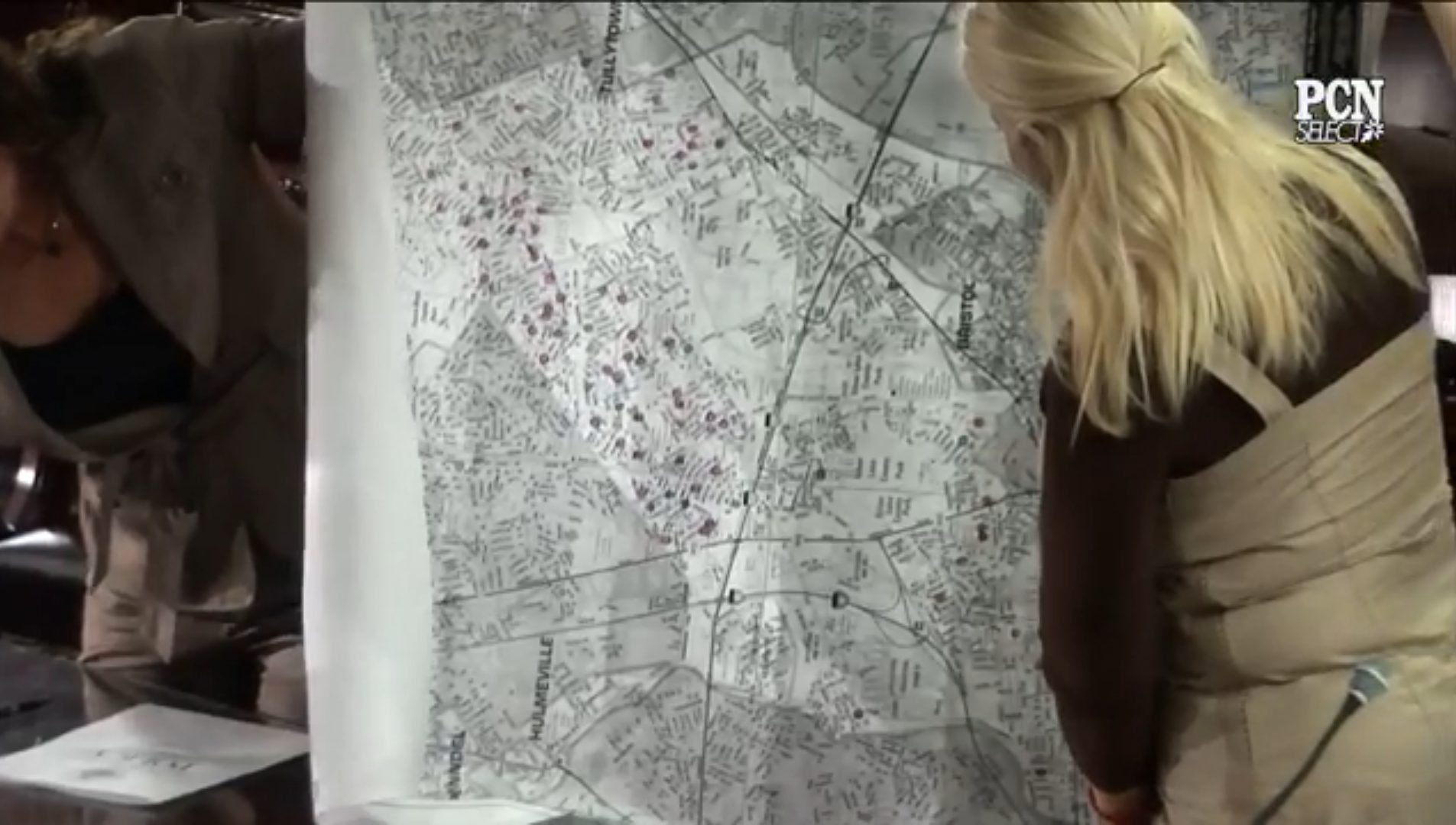
According to exclusive data compiled through various sources by LevittownNow.com, over 110 recovery homes were being operated in Lower Bucks County as of the end of the first quarter of 2016. Bristol Township alone had roughly 100 recovery homes operating within its borders at the end of 2015.
State government-level voluntary or mandated operating standards, safety requirements and inspections procedures were nonexistent in Pennsylvania. In Bucks County, the Bucks County Recovery Housing Association does offer regulation for participating recovery homes, but the group is run by recovery home operators.
Advertisements
Bristol Township-based Democratic State Rep. Tina Davis has proposed legislation to help regulate recovery homes in Pennsylvania. The bill has several recommendations similar to those drawn by the task force.
Davis said Wednesday that she was still reviewing the proposed regulations and had some questions.
Davis and Bristol Township Vice President Amber Cortes Longhitano have been vocal about trying to regulate recovery homes that have popped up across Bristol Township.
Advertisements
Falls Township and Middletown have both created measures in recent months to help regulate recovery homes that may look to open in their township. While their ordinances are not as detailed as the recommendations from the state, residents have spoken out in favor of the communities working to solve the recovery home problem.
“We must ensure recovery houses are operated in a safe and appropriate manner in order to warrant the best possible outcomes for individuals with substance abuse problems,” Farry said of the state task force’s recommendations. “I applaud the task force for keeping its attention and focus on the needs of those seeking treatment in our surrounding communities.”
Advertisements
Draft recommendations include: (click on bulleted items to view files)
- Recovery house definition (PDF)
- Ethics code (PDF)
- Policies and procedures (PDF)
- Physical plant standards (PDF)
- Final Report (PDF)
DDAP is also asking residents to fill out a survey after reviewing the proposed regulations.
Related:
- Middletown Approves Regulations For Recovery Homes
- Recovery House Hearing: ‘Levittown Today Is Becoming Kensington And Frankford Because Of Increased Drug Activity’
- Recovery Home Crisis: ‘Every One Of These People Deserve This Chance’
- Officials Announce Support For Recovery House Moratorium
- Recovery Homes Issue Draws Huge Crowd At Bristol Twp. Council Meeting
- Hearing on Recovery Houses Points to Safety Issues & Differences

