


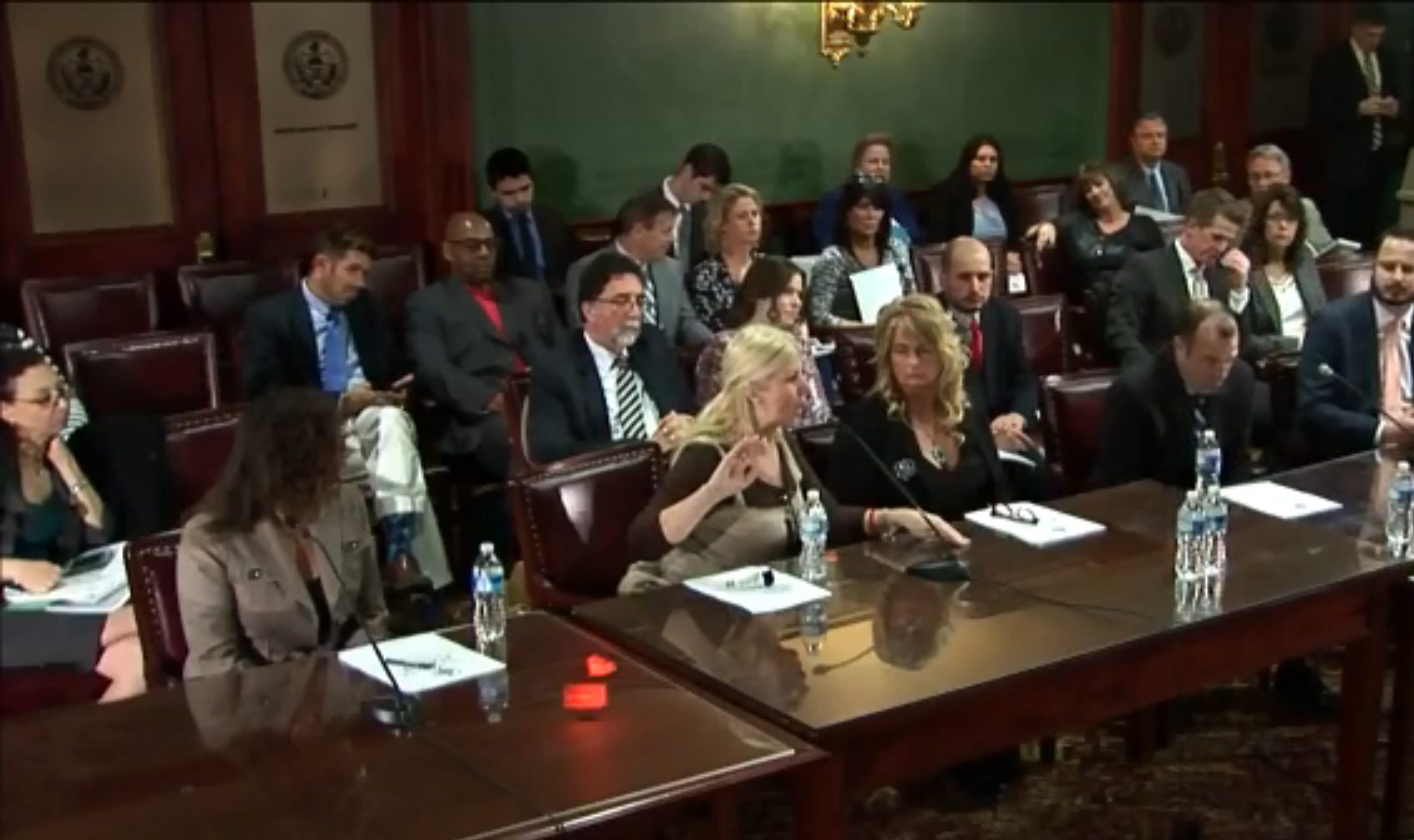
Recovery homes and regulating them was the focal point of a hearing hosted by Democrats.
Late Monday morning and early afternoon, the House Democratic Policy Committee held a two-hour long hearing to discuss the recovery home issue and H.B. 1884, a bill to regulate recovery homes that was proposed earlier this year by Bristol Township-based Democratic State Rep. Tina Davis.
Advertisements
Davis said at the start of the hearing that a portion of the nearly 100 recovery homes, also known as “sober homes,” in Bristol Township are “unsafe, unhealthy and not conducive to sobriety.”
Lawmakers, both at the local, state and federal level, are looking into the safety and regulations governing the homes that currently have very little oversight. While there are well-run recovery homes in Lower Bucks County that are overseen by responsible owners and managers, neighbors throughout the Levittown-area have complained about problems mainly stemming from what Davis called “fly-by-night” operators who are just running recovery homes to make a quick buck.
Pennsylvania currently has around 700 drug and alcohol treatment centers, but the number of recovery homes is unknown. However, officials have estimated that there are more than 1,000, all with little to no oversight by government agencies.
Advertisements
First up to testify was Gary Tennis, secretary of the Pennsylvania Department of Drug and Alcohol Programs, who has been heavily involved in the recovery home issue. He told the committee of Democratic lawmakers and the public that recovery homes serve a “very, very important function for people in treatment,” adding that poorly run, unregulated houses are a “recipe for trouble.”
The biggest difference between half-way houses and recovery homes, according to Tennis, is that half-way houses are licensed and offer treatment while recovery houses should ideally be a structured place to stay for those working to kick their substance dependence issues.
Credit: PCN
Advertisements
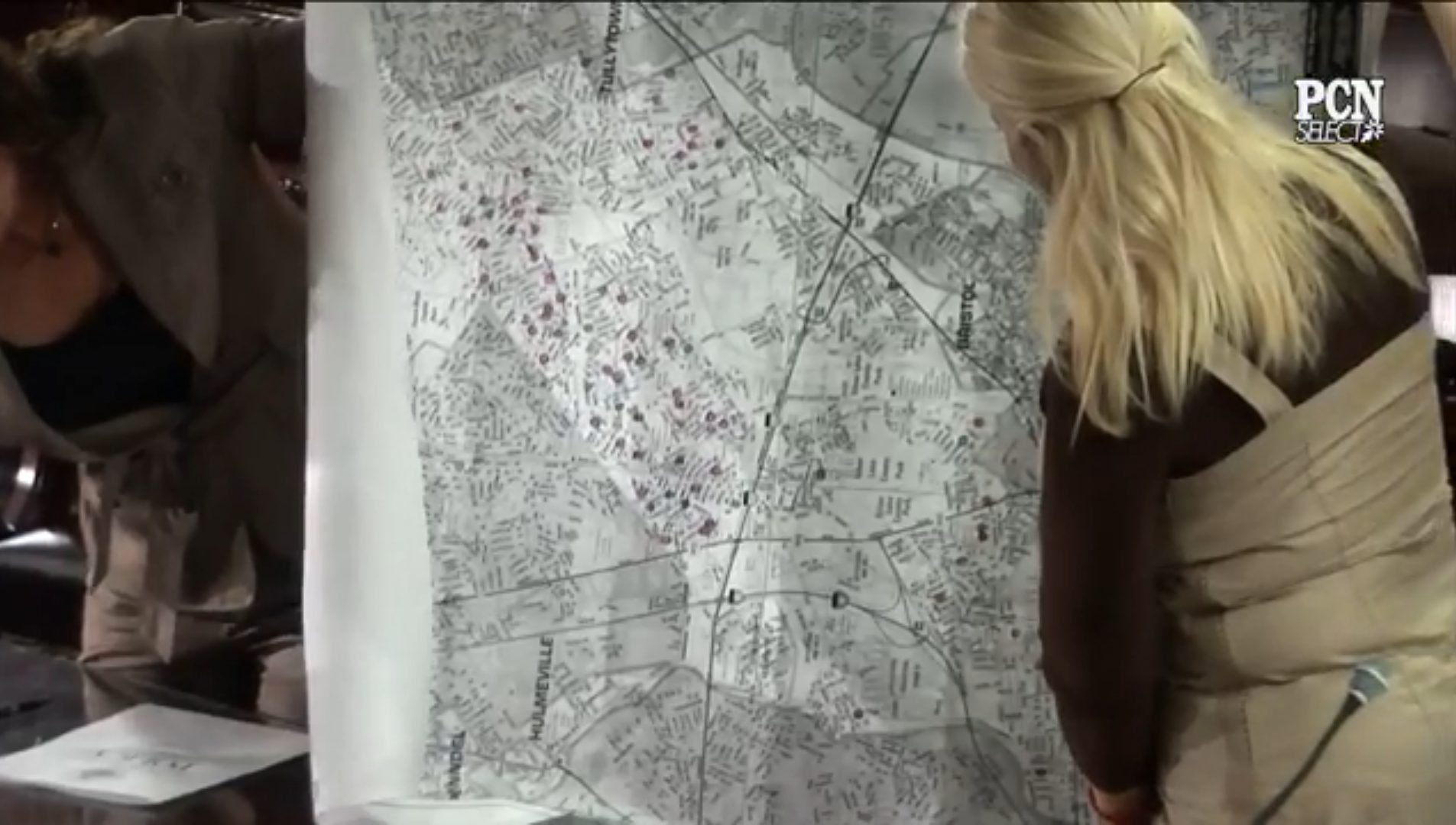
Bristol Township Council Vice President Amber Longhitano offered striking testimony, including showing off a map of the township that shows the location of nearly 100 recovery homes in the community of roughly 54,000 residents.
“The money that can be made off recovery homes brings out ‘unscrupulous people,” Longhitano said, adding that she has personal experience with family members who have battled with addiction.
“We really need to take the profit out,” said Deb Beck, president of the Drug & Alcohol Service Providers Organization of Pennsylvania. She added that she doesn’t have a solution, but limiting the profitability of recovery would likely cut out many poorly run homes.
Advertisements
Longhitano, who works as a realtor, mentioned a list of careers that require state regulations and questioned why recovery homes aren’t the same way. From cooks to a person who cuts hair, state guidelines and oversight is a must, she said, adding that she feels the same measures should be in place for recovery homes.
“[Recovery home owners] who have people in the most fragile state of their lives do not have to be licensed. I find something to be very wrong with the system.”
Advertisements
Just four years ago, Bristol Township officials knew of only half the amount of recovery homes that they know of now, Longhitano testified.
The councilwoman suggested that limiting the distance recovery homes can be from one another might be a way to keep residents happy and stop the “little war” between neighbors and recovery home residents.
Advertisements
State Rep. Steve Santarsiero, a Democrat whose office is in Yardley, said he worries about the burden recovery homes can place on neighborhoods.
“I got sober and have the life I have today because of a recovery home,” said Jonathan Henry, who has battled addiction and has worked in recovery homes throughout the Philadelphia area. “I’ve seen good and bad; the bad part really needs to be addressed.”
Advertisements
Along with Longhitano, Henry said recovery homes draw drug dealers to Levittown and other areas. Longhitano said drug dealers prey on residents of recovery homes who are sometimes battling to remain sober.
“Levittown today is becoming Keningston and Frankford because of increased drug activity,” Henry testified before the committee.

Credit: PCN
Henry, who called Levittown the recovery home capital of the state, said he also has concerns over welfare fraud happening at some of the poorly run homes in Levittown and Philadelphia. At one recovery home, he recalled, one of the residents had to provide an access card so all of the residents could purchase groceries. At another, access cards were resold for $150 cash, he said.
Advertisements
Both Henry and Teresa Bidwell, a resident of Middletown who has two children that have battled drug addiction, raised concerns about the safety of recovery homes and how many people are stuffed in one four-bedroom home. The issue previously came up at a 2013 hearing on recovery homes. Officials voiced concerns about the amount of people living in Levittown recovery homes.
Micki Kaisinger, owner of Emilie House and a member of the Bucks County Recovery Houses Association, along with fellow recovery home owner Bryan Kennedy of Independence Lodge Sober Living, both testified they were in favor of adding oversight to recovery homes.
Advertisements
“I’m essentially pushing for something that will make my life harder, more regulations,” Kaisinger told the lawmakers.
While the Bucks County Recovery Houses Association does provide inspections and guidelines to member’s homes, Henry said he thinks a third-party should be handling inspections, something Davis agreed with. It should be noted that recovery homes that are part of the Bucks County Recovery Houses Association do so on a voluntary basis.
Livingrin CEO Richard Pine said his Bucks County-based alcoholism and drug dependency treatment center has a list of recovery homes that it sends patients too. He testified that his staff inspects homes it sends clients to as a way to make sure the houses are safe, have basic comfort features and will help a person stay clean. In addition, homes are periodically inspected and also under scrutiny following any complaints. Livingrin sends clients to homes operated by 26 trusted owners throughout the Philadelphia area, according to staff member Dana Curran.
Advertisements
Tennis told the committee the volunteer task force on recovery homes that was announced in Middletown in 2014 continues to meet and should have a plan announced by June. He added that he would rather see regulations in place without legislation having to be enacted.
Davis said she wants to have the recommendations from the task force before summer recess.
“I’d hate to break for the summer and not have something,” she said.
Advertisements
Tennis agreed to set up a meeting and work to get a full set of regulations from the task force.
“The wheels of government sometimes turn more slowly than we’d like or want them to.”

