The Pennsbury School District has begun editing some content from public postings of recent school board meetings.
The district’s new posture on removing certain comments from recordings of meetings isn’t common in Pennsylvania and virtually unheard of among Levittown-area school districts. LevittownNow.com was unable to pull any examples of the practice being used among the Bristol Borough, Bristol Township, and Neshaminy school boards since it began publication in March 2013.
Advertisements
The March and May Pennsbury meeting edits removed comments about the district’s new diversity programs. The March comments that were removed, which were later posted on Facebook, involved Lower Makefield Township resident Doug Marshall questioning the district’s diversity and equity efforts. He mentioned topics and terms that could been seen as taboo, but he received no push back during his comments at the meeting.
Edits, which were noted in later-released board meeting recordings, took place following the meetings in March and May. A video recording of the meeting from last week is listed as being “under legal review,” but an audio copy is posted.
The district has cited school board policy that notes “comments that become personally directed, abusive, obscene, or irrelevant will be ended immediately.”
Credit: Tom Sofield/LevittownNow.com
Advertisements
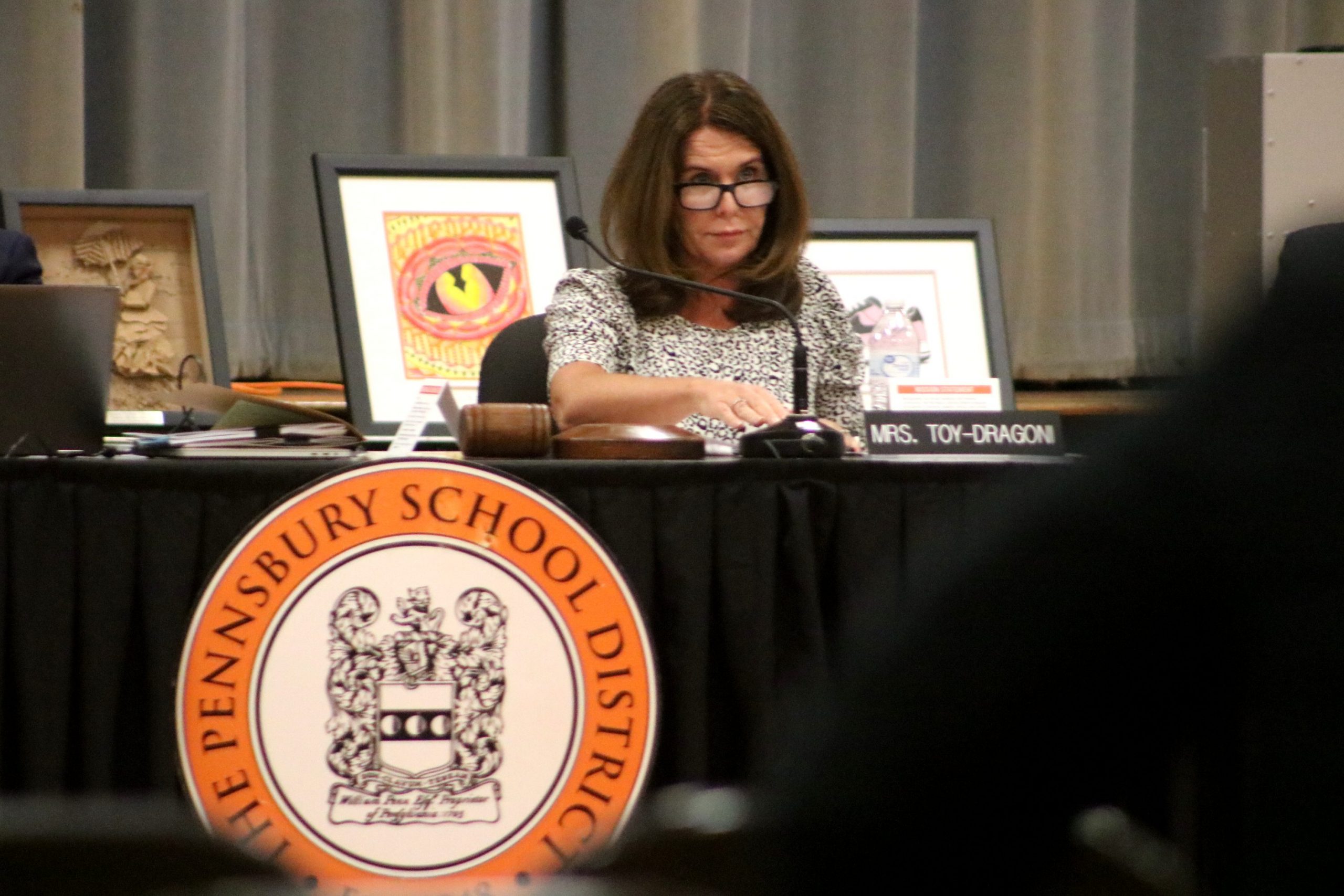
After the March meeting, School Board President Christine Toy-Dragoni sent a letter to parents that said Marshall’s comments “contained micro-aggressions as well as explicitly-racist ideas that connected the Black community to several commonly-held, stereotypical beliefs that are harmful.” She apologized for not stopping his comments at the meeting and that she “didn’t act in the best interest of our entire community.”
“Freedom of speech and varying viewpoints are acceptable under the Board Policy on public comment; however, these recent comments escalated from expressing a viewpoint to expressing beliefs and ideas that were abusive and coded in racist terms, also known as ‘dog whistles.’ Racist dog whistles are seemingly-innocuous speech, often not noticeable to some, but that explicitly communicate a more insidious and abusive message to a subset of the audience,” she wrote.
Advertisements
Internal district emails sent between the administration and school board were obtained by residents after the editing of meeting videos. The emails show Dr. Cherrissa Gibson, the district’s director of equity, diversity, and education, raising concern to the superintendent and school board president about Marshall’s comments and statements she said were based on “explicitly racist ideas.” She further suggested the district remove a portion of Marshall’s public comments and discuss a procedure for handling controversial comments in the future.
LevittownNow.com has filed Right-To-Know requests for the unedited copies of the three meeting recordings.
Credit: Tom Sofield/LevittownNow.com
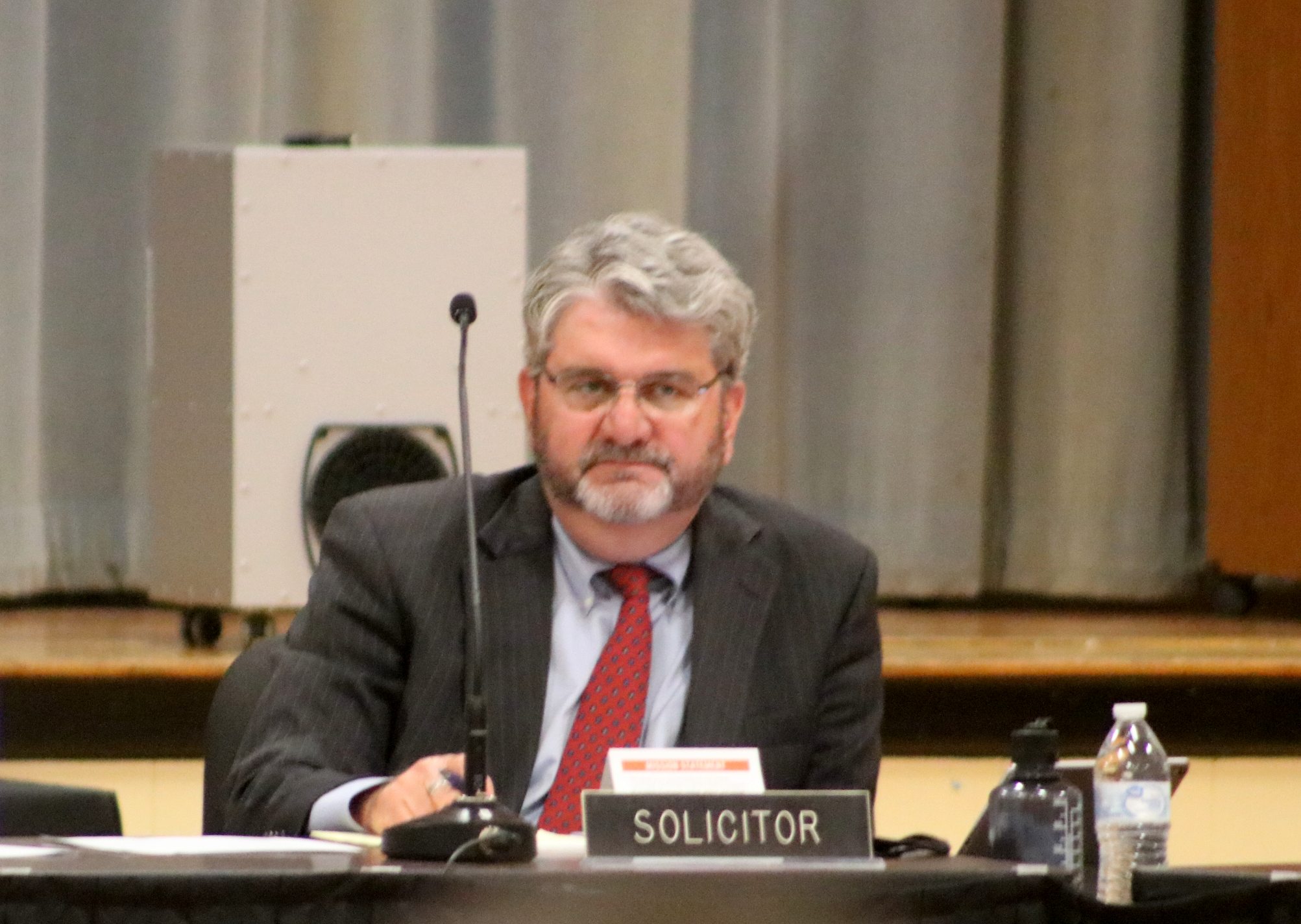
Michael Clarke, the solicitor for the Pennsbury School District, said the district isn’t violating state open meeting laws by editing the meeting recordings and is following board policy. He noted that the meetings posted online don’t have to be the unedited copies.
Advertisements
The editing of posted public meeting recordings for content doesn’t violate the state’s Right To Know law, but it can create questions about whether censorship was involved, according to Melissa Melewsky, the media law counsel at the Pennsylvania NewsMedia Association.
“Generally it’s a good thing when agencies do provide access to a record. The problem here is the record that has been produced isn’t whole and isn’t giving a whole record of what happened at the meeting,” she said, noting she was not weighing in on the comments made.
Advertisements
Two Bucks County attorneys who have been solicitors for area school districts said they wouldn’t advise their districts to cut specific comments from meeting recordings due to concerns a government body would be violating someone’s First Amendment rights. One said he had never previously considered even touching the content of the public comment on recordings. Both attorneys spoke on the condition their names wouldn’t be published due to ongoing work with local school districts and municipalities.
Credit: Tom Sofield/LevittownNow.com
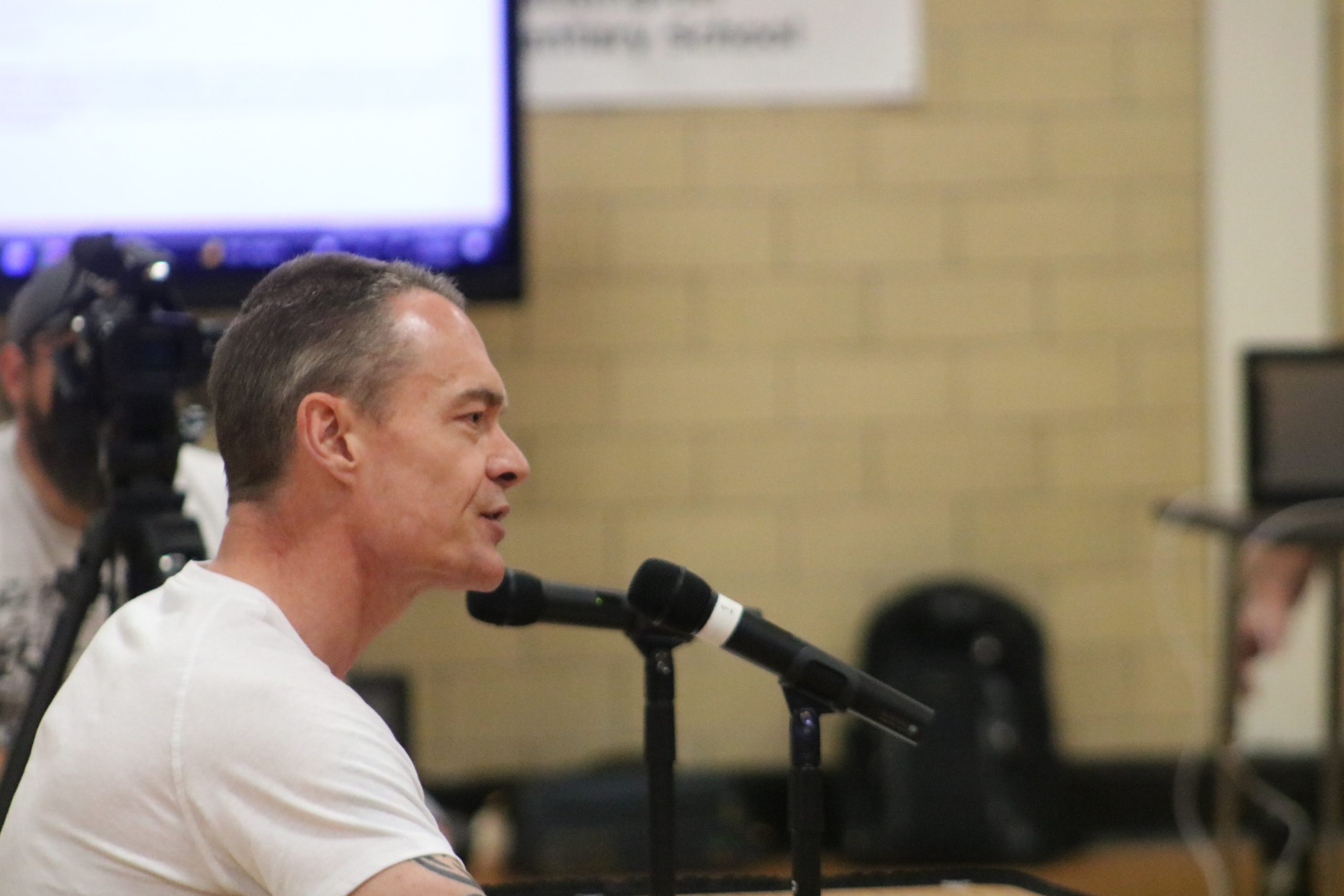
At last week’s Pennsbury School Board meeting, Simon Campbell, a former school board member and free speech advocate from Lower Makefield Township, raised the issue during public comment about the editing of videos and an updated board policy that he believes violate the U.S. Constitution.
Advertisements
“We have a God-given constitutional right to critique you and we can speak in any lawful tone that we see fit,” he said.
In his fiery comments that have since gone viral on Facebook and TikTok, Campbell called the school board president “Benito Mussolini,” the World War II fascist dictator of Italy.
Advertisements
Clarke, the district solicitor, called for Campbell to cease his conduct, calling it a “personal insult.”
Campbell fired back and cited the famed U.S. Supreme Court decision New York Times Company v. Sullivan that said the constitution allows for “robust” and “unpleasantly sharp” comments by the public about government officials.
“I don’t have to be nice to you. Nobody behind me has to be nice to you. If you don’t like living in the United States of America, then you can all move to Russia, Cuba, or China. This is the First Amendment,” he said.
Advertisements
Melewsky, the media law attorney, said government agencies posting media with edited content can make it hard for the public to understand what happened. She also said it may also create legal questions about a government body limiting someone’s speech and the public’s ability to hear it under the First Amendment.
“It’s not their role to be sensitive. The public can govern their own ears,” she said.
Advertisements
Report a correction via email | Editorial standards and policies