



Credit: PA Internet News Service
A performance audit of Pennsylvania’s “Motor Voter” program found that while the process generally works as intended, a lack of internal controls allowed at least one non-U.S. citizen to apply for voter registration, Auditor General Timothy DeFoor said last Friday.
Advertisements
The audit, which examined more than 200,000 applications processed between Jan. 1 and June 30, 2026, identified 58 cases requiring further review of citizenship status. Of those, auditors confirmed that one non-citizen was improperly permitted to apply for voter registration due to a data-entry error.
“Pennsylvanians need to know the Motor Voter process works, but the internal controls and security protocols around it must improve,” DeFoor said.
Under the Motor Voter system, eligible citizens can apply to register to vote while obtaining or renewing a driver’s license or ID card.
Advertisements
The system does not automatically register individuals, but instead, it forwards applications to the Pennsylvania Department of State for final processing.
The error occurred when a PennDOT employee left the citizenship field blank while entering data for a non-citizen applicant, according to the audit.

Credit: PA Internet News Service
Advertisements
DeFoor, a Republican, said the system is designed to automatically classify a person as a U.S. citizen if that field is not filled.
The mistake resulted in a barcode on a camera card that incorrectly identified the individual as a citizen.
Though the error was caught and a corrected license was issued before the individual left the photo center, the voter registration application had already been transmitted to the Department of State.
Advertisements
“The application to register to vote was still transmitted,” DeFoor said, adding that PennDOT currently lacks the authority to cancel applications once they enter the system.
A second finding highlighted significant lapses in data security.
PennDOT and the Governor’s Office of Administration were unable to identify which of its 706 employees have access to the Motor Voter system or what their specific access levels are.
Advertisements
Although the Office of Administration requires agencies to maintain records of system access until it is no longer needed, PennDOT cited a one-year record retention policy as the reason no such records were available for review.
Todd Wisniewski, director of the Bureau of Information Technology Audits, said the audit team used passports, birth certificates, and other documentation to verify the status of the 58 flagged records.
Advertisements
The scope of the audit, which was limited by time and resources, leaves open the possibility of other undetected cases, the auditor general’s office said.
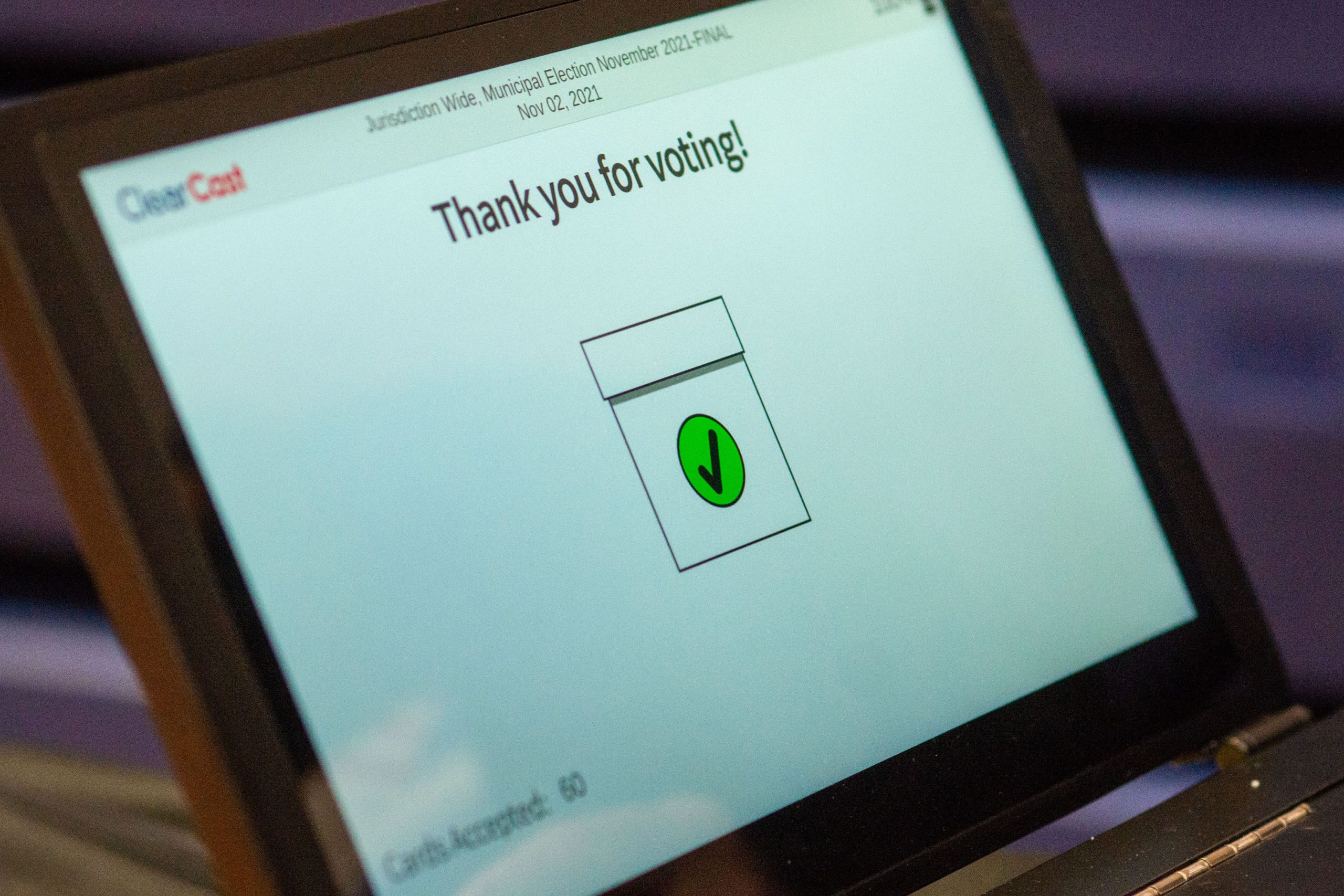
“PennDOT, OA, and the Department of State will need to answer the question of whether there are more cases like this one or if this was just an isolated incident,” DeFoor said.
Advertisements
The auditor general’s office issued eight recommendations, including requiring the immigration status field be completed for every driver’s license application, granting PennDOT the ability to void voter registration applications before they are sent, and starting periodic access reviews and maintaining documentation on all system users.
In a formal response, PennDOT and the Office of Administration agreed with portions of the audit and pledged to implement changes.
Democratic Gov. Josh Shapiro signed an executive order in 2023 that allows for application of voter registration when a person gets a driver’s license or state ID card.

Advertisements
Since the program’s inception in September 2023 and through March 24, more than 353,000 people have registered through the system, according to Department of State data reported by Spotlight PA. The number marks a jump from the 228,230 people who registered during a similar period under the previous opt-in system.
The data showed the number of those registered through the program was almost evenly split between Democrats and Republicans, with 37 percent being non-affiliated or third-party voters.

