The unsolved rape and murder of 9-year-old Carol Ann Dougherty hung over the Bristol Borough community for more than six decades.
The almost unthinkable act of violence forever altered a family and left the riverfront community on edge.
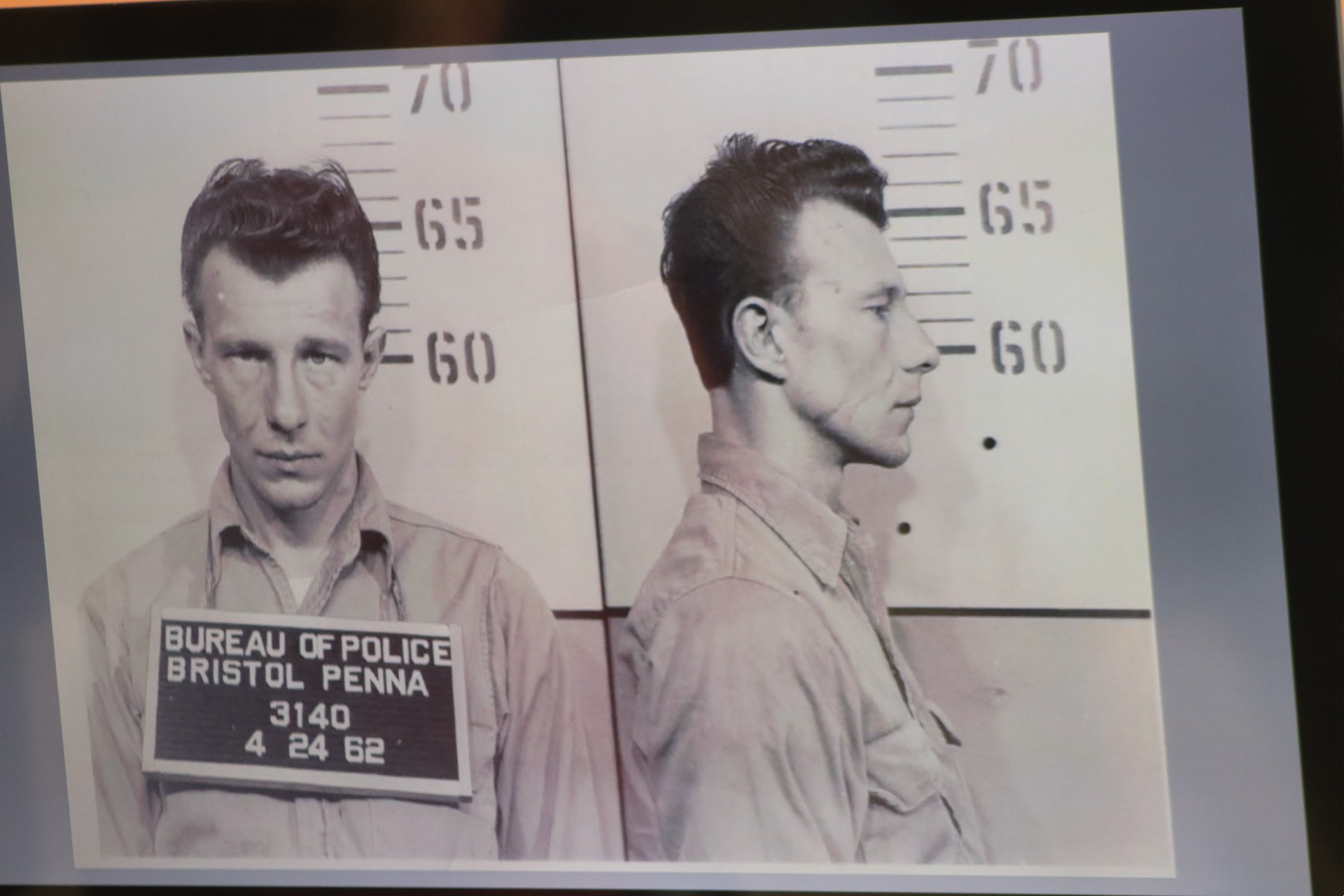
Late last month, a Bucks County grand jury formally identified William Schrader as the perpetrator who committed the crime inside St. Mark Catholic Church on October 22, 1962.
Advertisements
Schrader, who lived just a block and a half from the church at the time, died in 2002 at age 62.
“Sixty-three years and one week ago, 9-year-old Carol Ann Dougherty was murdered,” District Attorney Jennifer Schorn said at a press conference announcing the findings last Wednesday. “This case went unsolved for 63 years.”
The breakthrough brings a final answer to a family who sought justice for generations.
Advertisements
Carol Ann’s only surviving immediate family member, her sister Kay Talanca, was not yet three years old when the crime occurred. She testified before the grand jury about the enduring, devastating impact of the murder on her parents and herself.
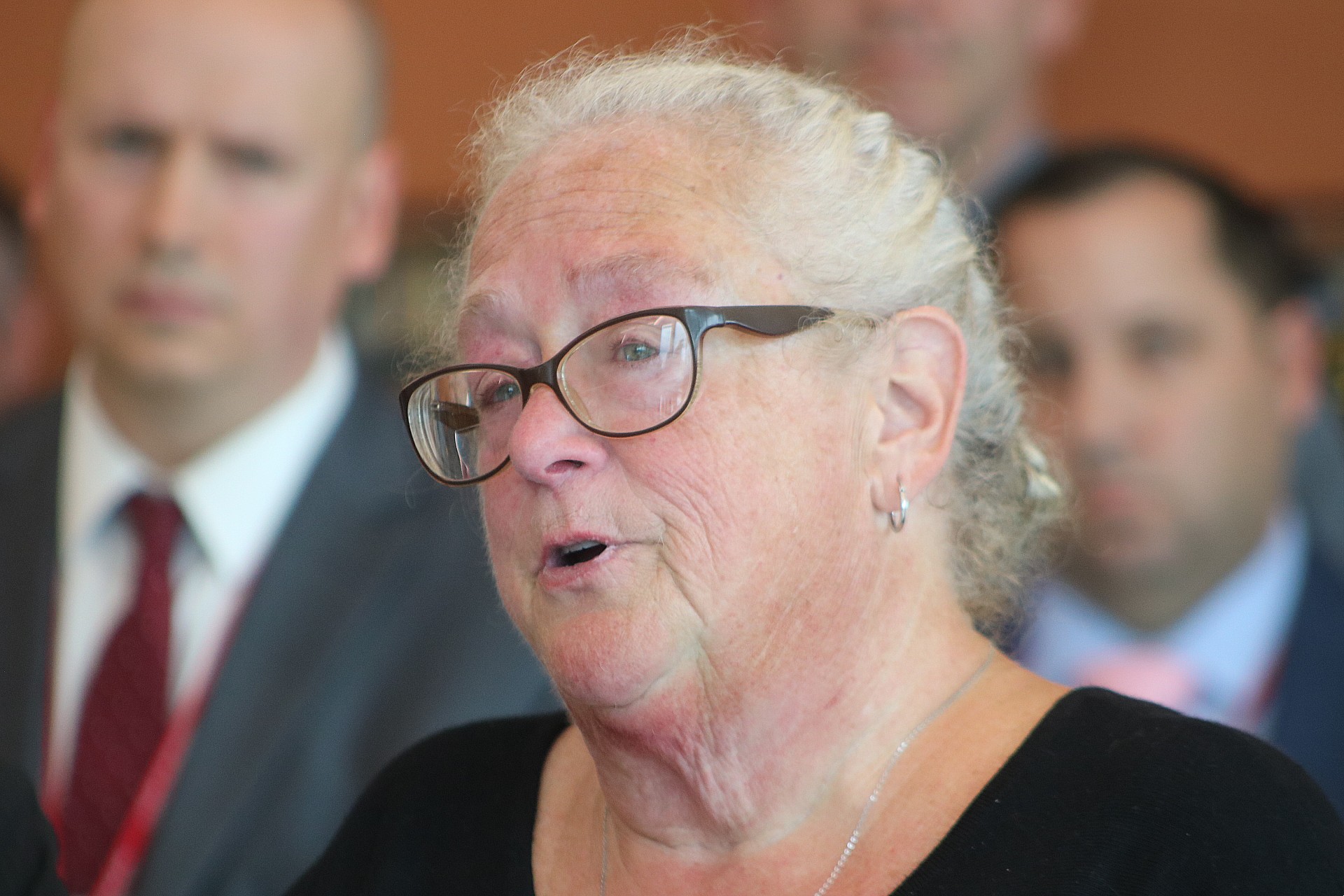
“That single devastating act changed my family’s life forever,” Talanca said. “For exactly 63 years, in one day, this case was unsolved. Our family lived without answers.”
Advertisements
On Monday, October 22, 1962, Carol Ann Dougherty, a fifth grader described as a “happy-go-lucky, good Catholic girl,” left her Bristol Township home on her blue, white, and chrome Londoner racing bicycle to return mystery books to the Bristol Borough Free Library. She stopped for a soda and penny candy at Tommy’s Market and was last seen riding her bike on the sidewalk near St. Mark Catholic Church.
When Carol Ann didn’t return home for dinner, which was always promptly at 4:45 p.m., her parents, Frank and Dorothy Dougherty, began searching the area.
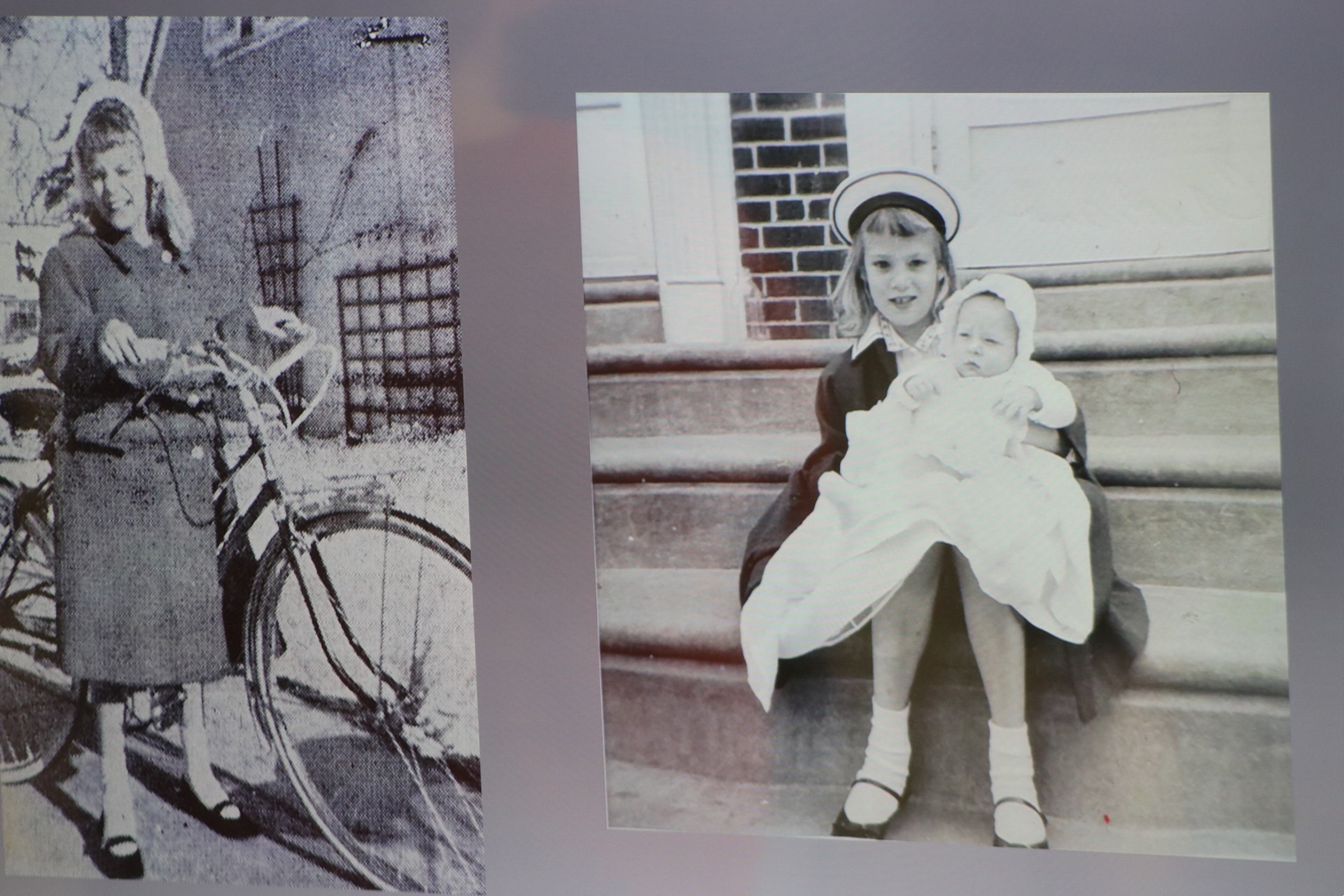
Dorothy first found Carol Ann’s bike parked outside St. Mark Catholic Church and entered the church twice without finding her.
Advertisements
Frank later found his partially clothed daughter’s body around 5:25 p.m. in the east side choir loft vestibule of the church.
Investigators determined she had been forcibly raped and strangled.
Advertisements
“Unbeknownst to Carol Ann and unbeknownst to everyone in Bristol Borough, living on Lincoln Avenue was an absolute predator, and a predator whose prey was little girls, and that was William Schrader,” Schorn stated.
Schrader’s long and violent criminal history began in childhood. At age eight in 1946, he was sent to reform school for hitting a small girl with a club. School records from that time described him as a “troublemaker” and a “very convincing liar” with a “mental disarrangement.” He was later recommitted for punching little girls in the mouth without provocation.
Advertisements
As an adult, he was dishonorably discharged from the U.S. Army and served a state sentence for assault with the intention to kill with a shotgun.
“William Schrader’s history of sexually violating little girls, it’s the likes I have never seen as a career child abuse prosecutor,” Schorn said.

Advertisements
The investigation, spanning more than six decades and involved old-school police work and modern technology.
The grand jury found all the evidence pointed squarely to Schrader.
In the initial investigation, police collected a pubic hair clutched in Carol Ann’s hand. Of the approximately 180 hair samples collected from potential suspects, and the 141 samples tested from 176 men, only William Schrader’s pubic hair could not be eliminated as a possible contributor. The hair was later determined to be from a male donor.
Advertisements
A breakthrough came in November 2024, when investigators interviewed Schrader’s stepson, Robert LeBlanc, in Louisiana.
LeBlanc, according to authorities, relayed that Schrader had confessed to him on two separate occasions—first in 1994 and again in 2007, five years after Schrader’s death—about murdering a little girl in a Catholic church in the town he lived in before fleeing south.
Advertisements
Schrader told LeBlanc he “had to kill the girl in Bristol to keep her from talking.”
The confession included unique details of the crime scene that only the killer could have known, the grand jury found.
When first questioned in January 1963, Schrader lied about his whereabouts, claiming he was at work at Century Tool Company on the day of the murder. His timecards showed he had not worked for three consecutive days, including Oct. 22. He provided a pubic hair sample to police, and shortly after, he fled Pennsylvania for Florida, eventually settling in Louisiana. He later failed two polygraph tests regarding the murder in 1985 and 1993, with the examiner concluding he was “attempting deception.”
Advertisements
In the south, Schrader continued his pattern of violence and sexual abuse, targeting multiple female family members, including his stepdaughters, his biological daughter, and a stepdaughter with special needs. His violent life culminated in a 1970 domestic dispute that led to an intentional house fire and the death of 12-year-old Catherine Smith.
Schrader was convicted of manslaughter and arson in Smith’s death and sentenced to 21 years in prison.
The grand jury heard expert testimony from clinical and forensic psychologist Dr. Veronique Valliere, who characterized the crime as “a fairly rare case” and an “outlier” due to it being a high-risk assault by a stranger involving extreme violence.

Advertisements
Valliere described the killer as having deviant sexual arousal for prepubescent children and pronounced antisocial and “psychopathic personality traits”. She testified that such offenders’ “need to gratify their desires outweighs everything else. They see the world as a place to exploit,” often acting on high-risk opportunities due to their impulsivity and low anxiety.
She concluded that Schrader’s history of violence, criminal versatility, lack of control, and “zero regard for females” fit the profile of the man who committed the “gruesome” and impulsive murder. She noted he was comfortable with violence and that “the victim’s pain or suffering or the use of physical violence doesn’t interfere with his sexual arousal.”
The initial identification of multiple suspects with connections to St. Mark’s, including Father Joseph Sabadish, who was later implicated in non-physically violent sexual misconduct, created a “perfect storm” that allowed Schrader to remain under the radar. The grand jury, however, cleared all other initial suspects through verified alibis and evidence analysis.
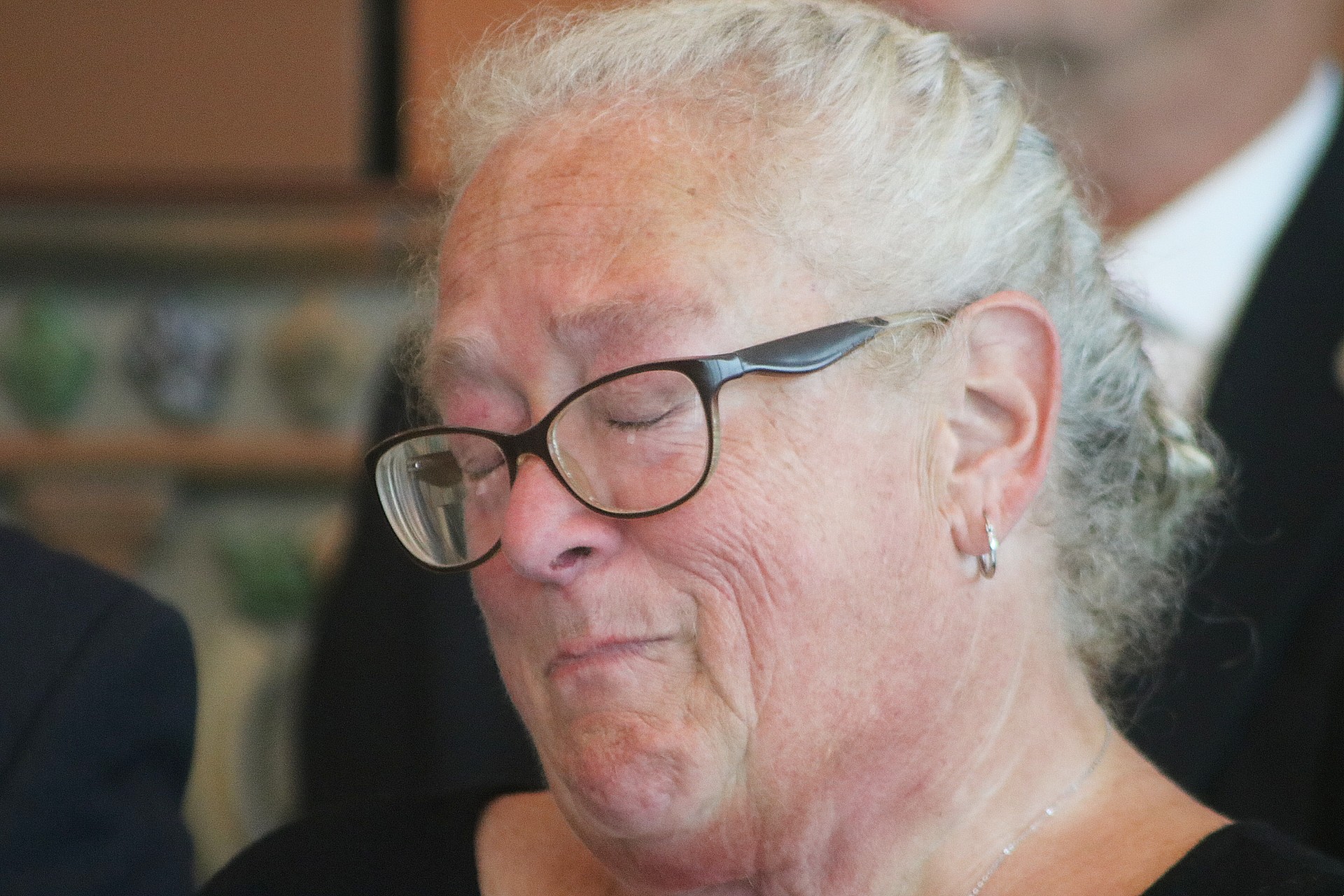
Talanca, who was only two when her sister Carol Ann was murdered, recalled the impact the murder had on her hometown.
Advertisements
“People in Bristol locked their doors for the very first time that night,” she said.
She shared the trauma that followed, including the “guttural cry, moan” of her father Frank when he returned from finding Carol Ann’s body, and her mother Dorothy’s emotional withdrawal. Both parents passed away without knowing who murdered their daughter.
Talanca praised the persistence of the generations of law enforcement.
“Although today’s announcement will never change what occurred on that horrific day, we want to let her sister, Kay, and other family members know that this investigation has always remained a priority,” said Pennsylvania State Police Capt. Seth Kelly.
She recognized the tireless efforts of reporters JD Mullane and Mike Missanelli for keeping the case in the public eye.

“I want to thank law enforcement officers, investigators and members of the press like JD and Mike Missanelli for their tireless work,” Talanca said. “Because of them, my family finally has the truth that we have sought for six decades.”
“Though nothing can bring Carol back, we can finally let her rest in peace knowing that her story has been told, her truth revealed and her memory honored.”
Advertisements
Advertisement

Meet Your Canna Coach: Personalized Guidance, Free for You!

Canna Remedies: Your Go-To Accessible and Convenient Dispensary
Shop Now: cannaremediesnj.com/shop
Report a correction via email | Editorial standards and policies