


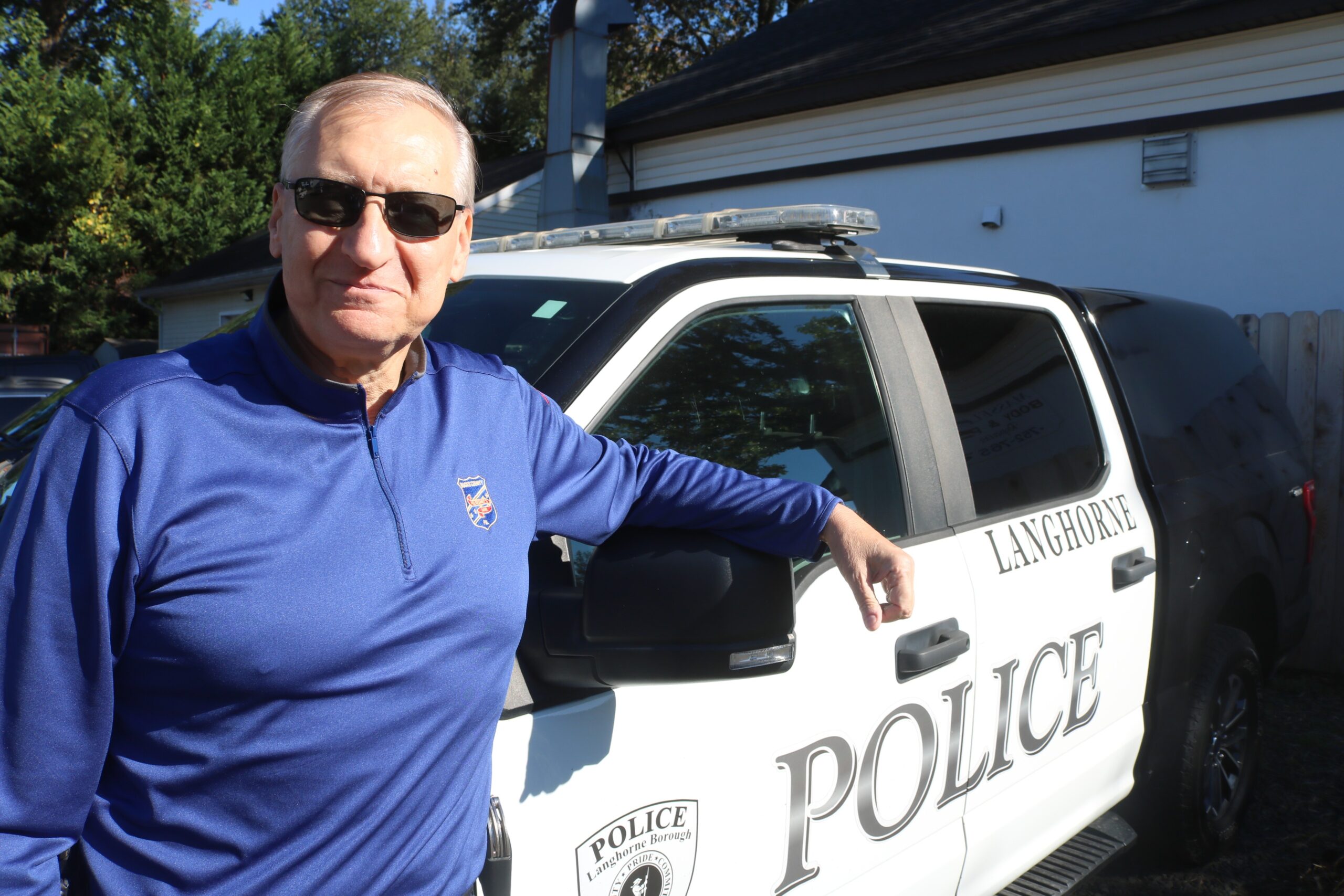
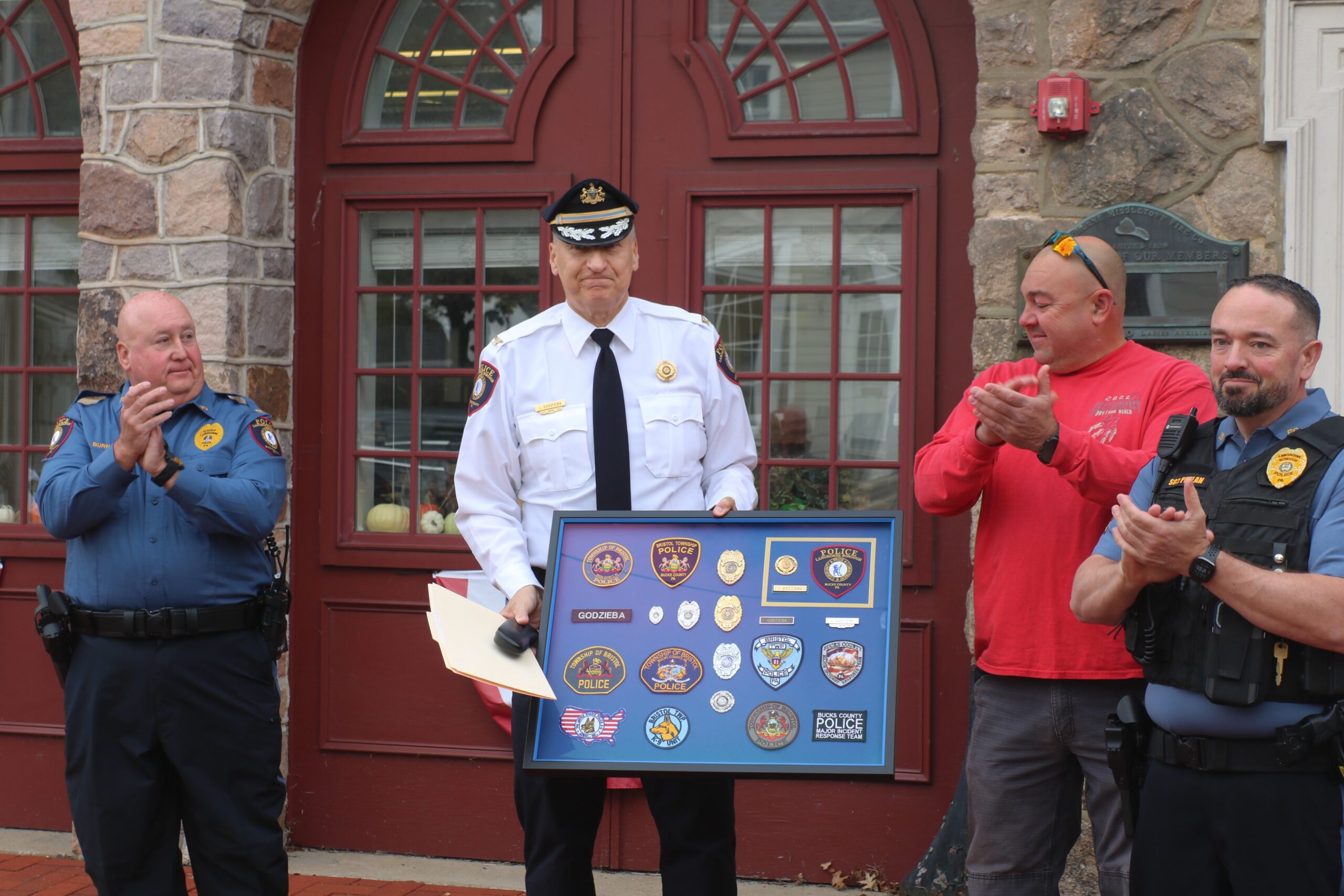
Langhorne Borough Chief of Police John Godzieba is retired after a 46-year career in law enforcement that began when he was just 20 years old.
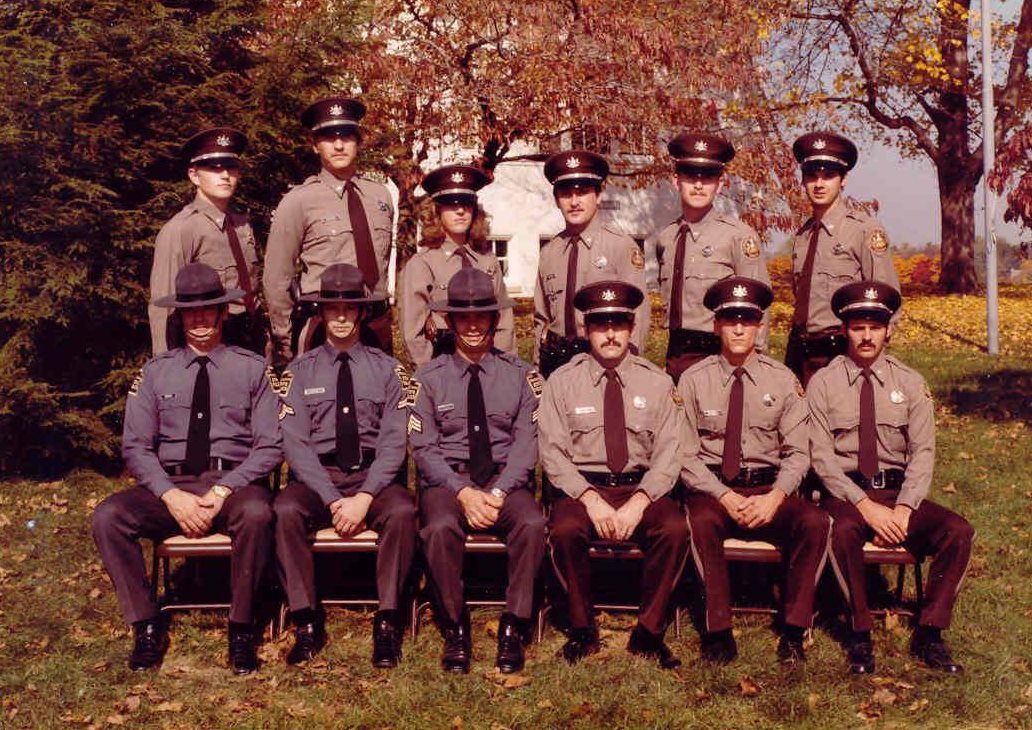
The longtime lawman spent 38 years with Bristol Township Police Department before joining Langhorne Borough as chief in 2017. He is the longest-serving Bristol Township police officer in the department’s history and retired as a lieutenant.
Advertisements
Godzieba called his career in local law enforcement “a front row seat to the greatest show on Earth.”
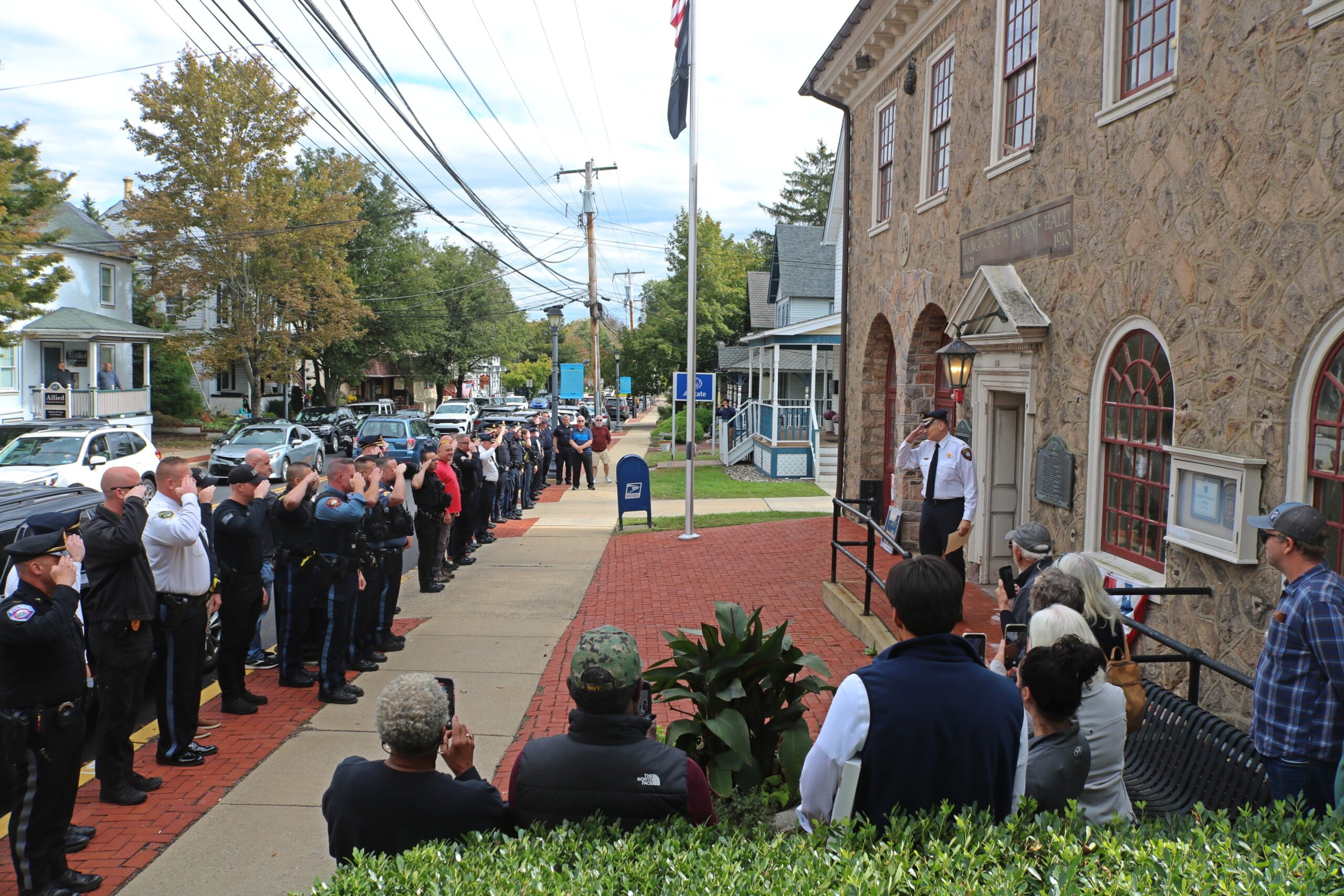
On Friday afternoon, police chiefs and officers from around the county showed up to clap Godzieba out of Langhorne Borough Hall.
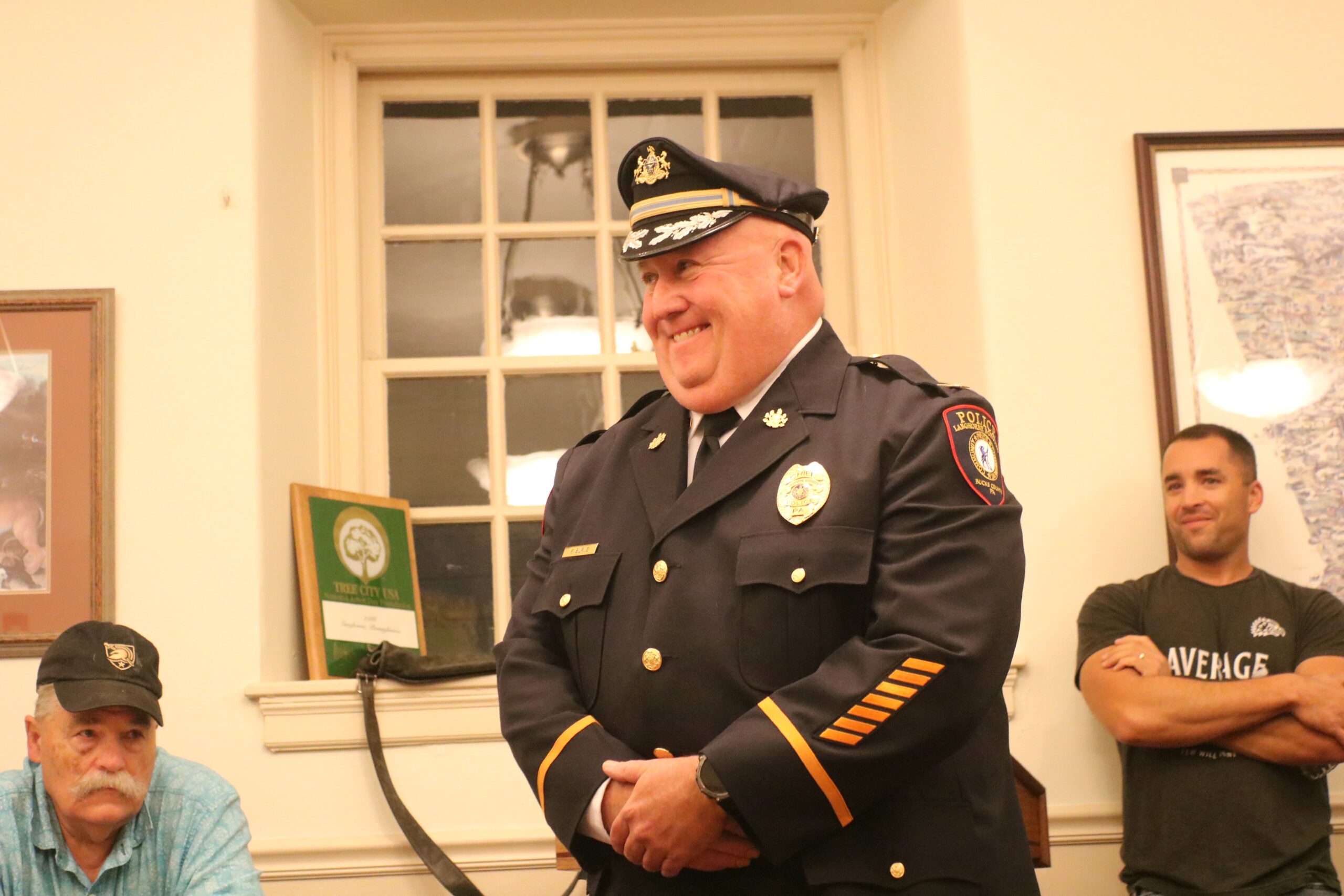
Kevin Burns, a longtime police officer, has been appointed to be the borough’s new chief of police.
Advertisements
Godzieba’s path to police work started at Drexel University, where he initially studied chemical engineering. A friend from high school studying criminal justice at Temple University influenced his career change.
“I kind of got a little bored in the chemical engineering classes, and I just decided law enforcement was more active and did more for the community,” Godzieba said.
He and his friend took police tests for both Bristol Township and Philadelphia Police Department in 1979.
Advertisements
While his friend was hired by Philadelphia first, Godzieba chose to stay with Bristol Township when both departments offered him positions.
“I did it, because I want to help people. You know, I was young, I was 20 years old. I really had good upbringing in Philadelphia, and I had seen police officers in my neighborhood in the Second District, and I thought it was a noble job,” he said.
The technology changes over nearly five decades represent the most dramatic shift Godzieba has witnessed.
Advertisements
In 1979, dispatchers used massive books to check stolen license plates by paging through paper records for each inquiry.
Today, officers have mobile data terminals in their vehicles with connections to databases of stolen plates.
“Everybody has their own mobile data terminal in a car. You have instantaneous connection with the state,” he said. “We used to have your night stick and a flashlight and your weapon and your handcuffs. And today you have tasers and you have radios that function a lot more effectively.”

Advertisements
Pepper spray was the first less-lethal weapon added to officers’ equipment during his career and that was followed by other tools designed to reduce the need for deadly force.
Godzieba said the rules of engagement have also evolved for officers.
“With the way we handle people, it’s a lot less hands on than the early days. Cops got hurt going hands on with people, physically, while trying to take people in custody,” Godzieba explained.
Advertisements
Public perception of law enforcement has fluctuated throughout his career, which he describes as a pendulum swing.
After Sept. 11, 2001, he couldn’t enter convenience stores without people thanking him for his service, as the public rallied behind law enforcement and military personnel.

Credit: Tom Sofield/LevittownNow.com
Advertisements
“After 9/11, I couldn’t go into a Wawa or 7-Eleven without someone walking up and thanking me for my service. The public perception of the military and law enforcement at the time was that they were heroes and they were needed,” he said. “And then, you know, go 20 years later and things change. Then all of a sudden the police departments become the bad guys.”
The transition from much larger Bristol Township to small town Langhorne Borough marked a change in policing style for Godzieba. Bristol Township, which has 55,500 residents, required handling multiple calls continuously with limited time for community interaction, while Langhorne Borough, which has 1,600 residents, allows for relationship building with locals.
Advertisements
“In Bristol Township, we used to say it was like being in a MASH unit because you’d come into work on a 3 to 11 shift and there’d be 15 calls holding. And you’re going out there with six officers and you’re handling call after call after call,” he said.
In Langhorne Borough, Godzieba knows many residents personally and is a frequent face at the town’s 14 annual special events, including car shows, Harvest Day, Porch Fest, and the holiday house tour.

Credit: Tom Sofield/LevittownNow.com
Advertisements
The outgoing chief said he has enjoyed walking the neighborhoods during events like Halloween and talking with residents on their front porches.
“Here in Langhorne Borough, you pretty much know everybody because you drive around and you see people doing something in their front yard or you see them at a public event,” he said.
Advertisements
Several career highlights stand out for Godzieba, including his time in the K-9 unit with the first drug dog in Bucks County during the 1980s methamphetamine epidemic. He also served 20 years on the Major Incident Response Team (MIRT), a regional unit created in 2001 to handle civil disorder and hazmat responses, which allowed him to meet presidents and the Pope.

During his career, Godzieba’s role on Bristol Township Police Department Honor Guard was meaningful, he said. The lawman took part in numerous police funerals including that of fallen Newtown Borough Officer Brian Gregg.
Advertisements
“I still remember taking part in that and closing up the hearse when he was being transported to the cemetery. And just seeing the family’s faces over the years just really struck me,” he said.
Over a 46-year career, Godzieba has seen it all, from the crack and methamphetamine epidemics of the 1980s to property crimes during economic downturns, including widespread copper wire and pipe thefts from vacant buildings.
As he retires from law enforcement, Godzieba plans to focus on his role as president of the Friends of Washington Crossing Historic Park, a position he has held for 15 years.
The park in Upper Makefield and Solebury Township faces a busy period leading up to the 250th anniversary of Washington’s crossing in 2026.
Advertisements
“We have a capital campaign going right now and we’re going to be increasing our programming and we have a lot of things going on. We have a new movie being filmed for the visitor center,” he said.
Godzieba has portrayed George Washington for the park for 15 years and has volunteered there for 30 years.

The upcoming anniversary celebration will include new living history programs and a screening of the Ken Burns series in which the park participated.
As his final hours on the clock ticked down, the reactions of his retirement from Langhorne Borough residents touched Godzieba deeply.
“When I left the day I retired from Bristol Township, I walked out the door at 5 o’ clock in the evening and no one was standing outside and I got my car and left and that was it,” he said. “Here, it was a big deal. I felt really good about it.”
“I’m going to miss the guys here, being in the know on things, and the people who live in Langhorne. It’s been good.”
Advertisement

Meet Your Canna Coach: Personalized Guidance, Free for You!
Canna Remedies: Your Go-To Accessible and Convenient Dispensary
Shop Now: cannaremediesnj.com/shop
Advertisements
Report a correction via email | Editorial standards and policies