Have you ever wondered how Runway Road in Bristol Township got its name?
Advertisements
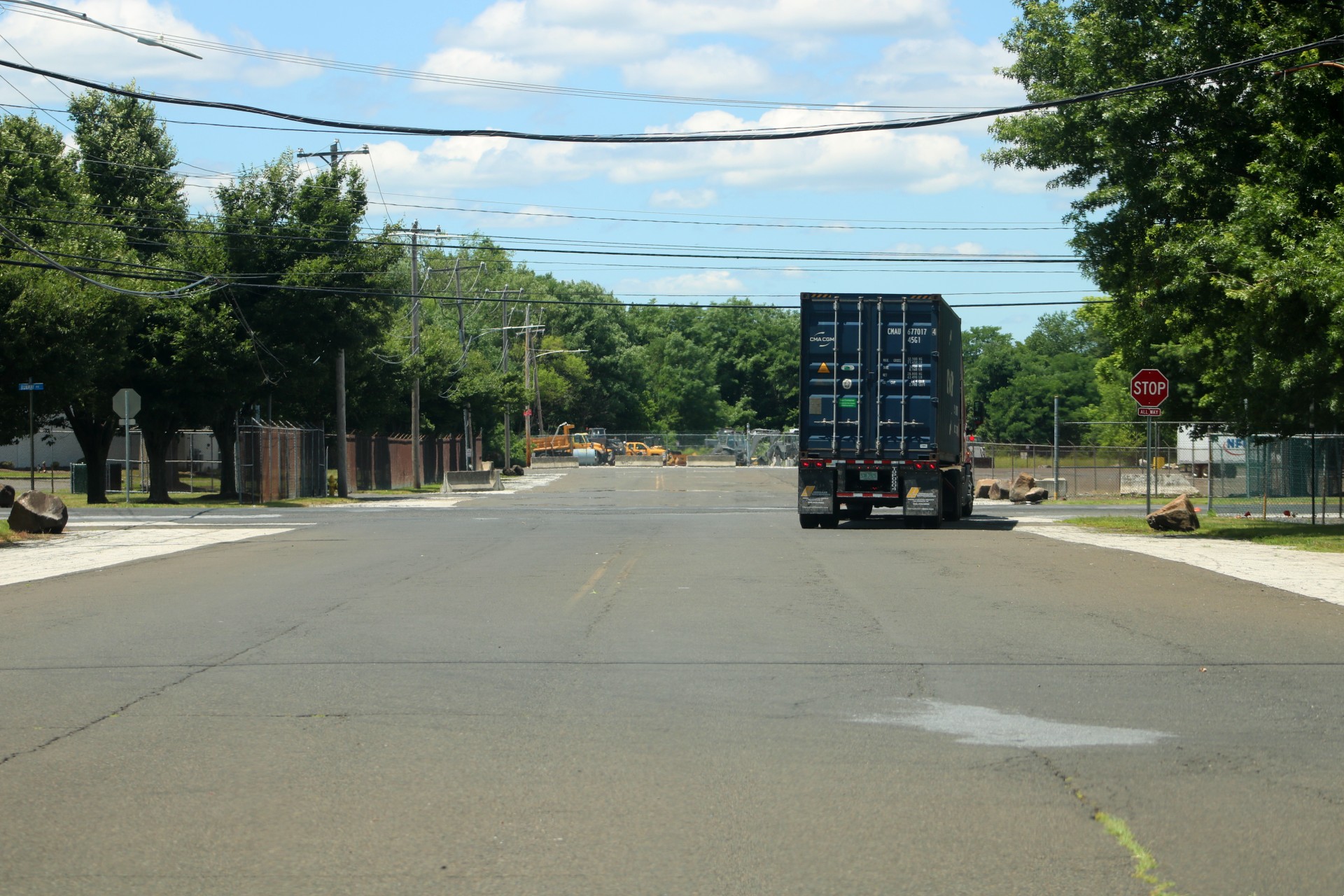
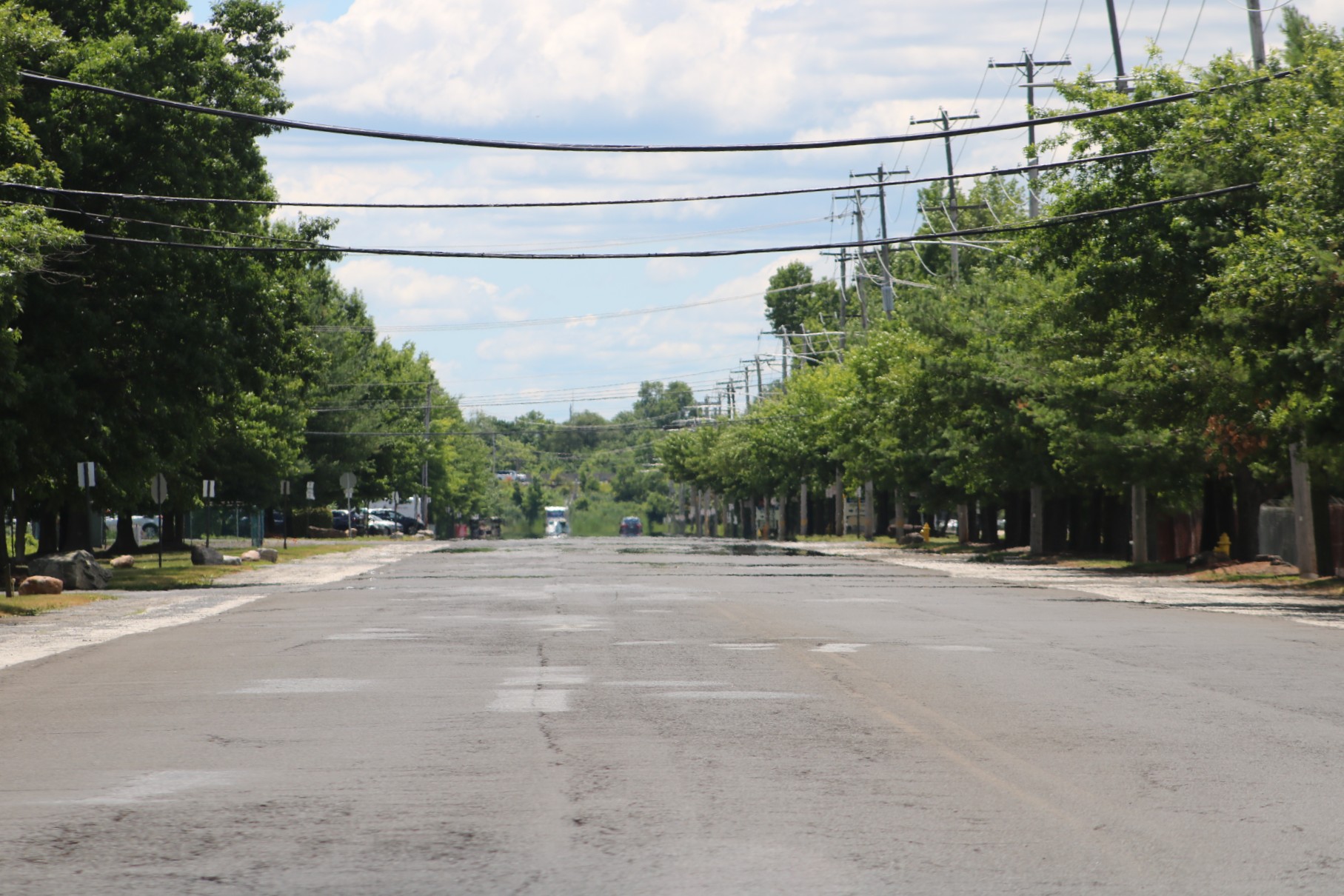
The road, which now serves as a bustling industrial park, was once the longest runway at the former 3M Airport.
The runway, along with the rest of the airport, was closed in 1980 as residential and commercial development in the area increased and the Pennsylvania Turnpike complicated takeoffs and landings.
Today, the Bristol Industrial Park sits along the old runways and taxiways. It houses warehouses and businesses, including The Home Depot, Freightliner of Philadelphia, Lennox, and a secure data center for Bank of America.
Advertisements
Runway Road, a wide, two-lane road, still features the original runway pavement on its sides. It is frequently used by trucks entering and exiting the industrial park.
Pershing Road, which intersects Runway Road, was also once a runway. While much of it has been repaved, a small section still reveals the government-funded concrete surface that was constructed during World War II.
Advertisements
The history of the site dates back to the late 1920s when it was first used by the Keystone Aircraft factory, according to Abandoned and Little-Known Airfields by Paul Freeman.
During the 1930s and World War II, the Fleetwing Corporation, which later became Kaiser-Fleetwings, expanded operations at the airport and was producing planes and developing early unmanned drones.
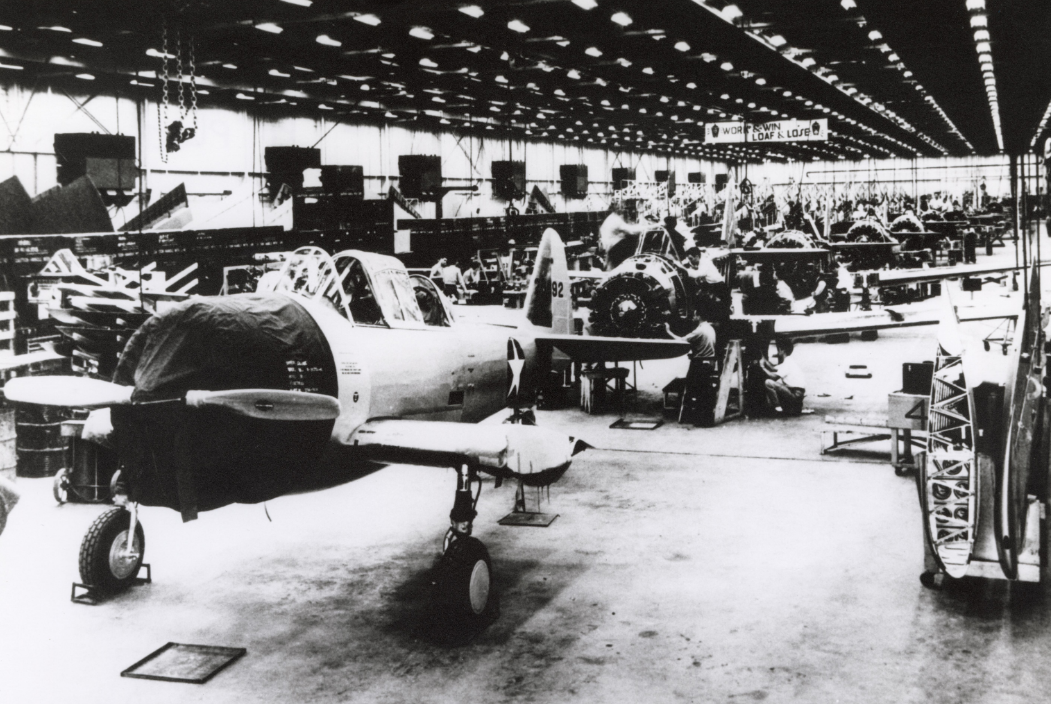
Although staffing decreased after the war, the airport remained operational.
Advertisements
In the 1950s, 3M purchased the airport and the adjoining factory and continued commercial and recreational flights until the airport’s closure in 1980, according to Abandoned and Little-Known Airfields and newspaper clippings from the time.
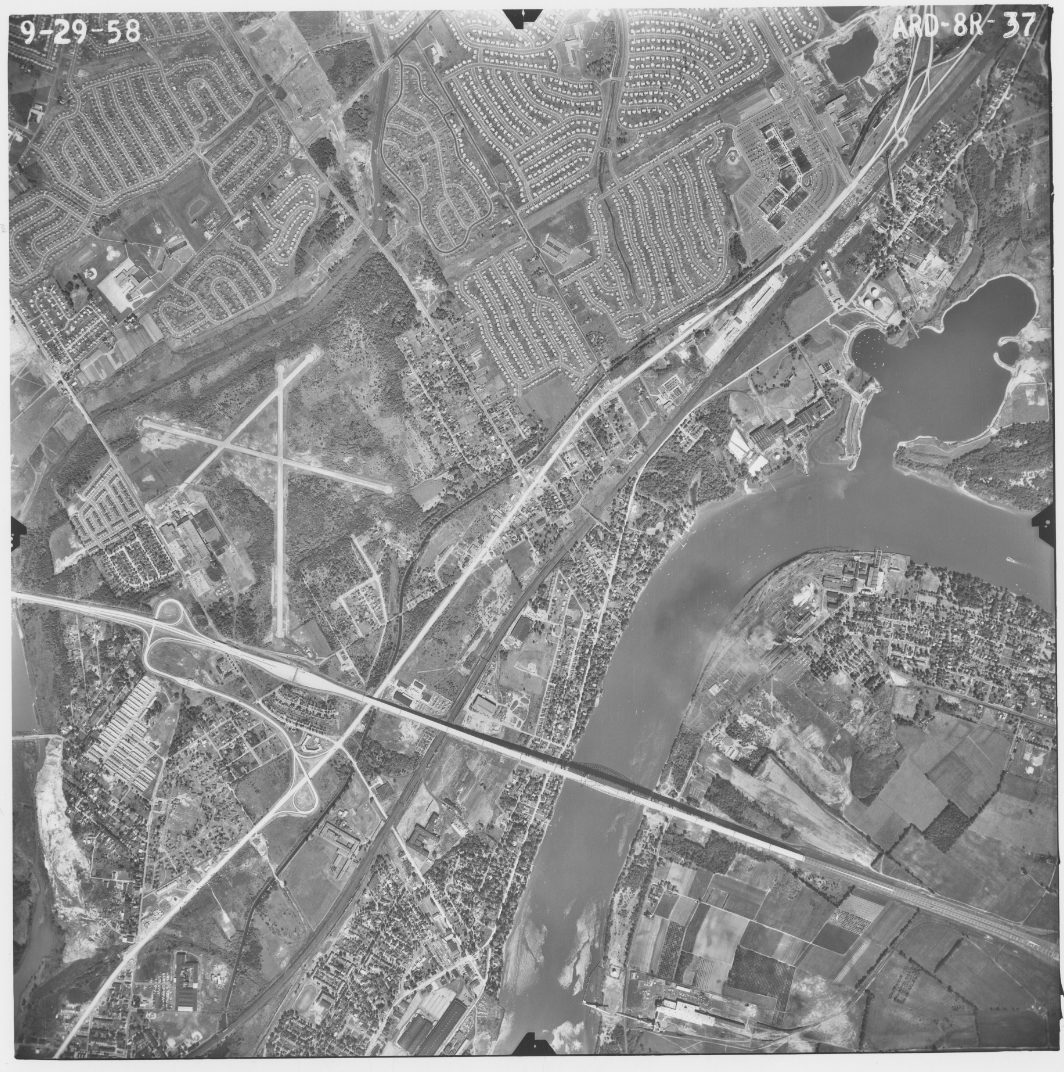
Hortman Aviation, one of the last tenants of the airport, provided flight lessons up until its closure.
Advertisements
A 2007 report in the Bucks County Courier Times stated that the airport ultimately closed due to difficulties in maintaining insurance coverage.
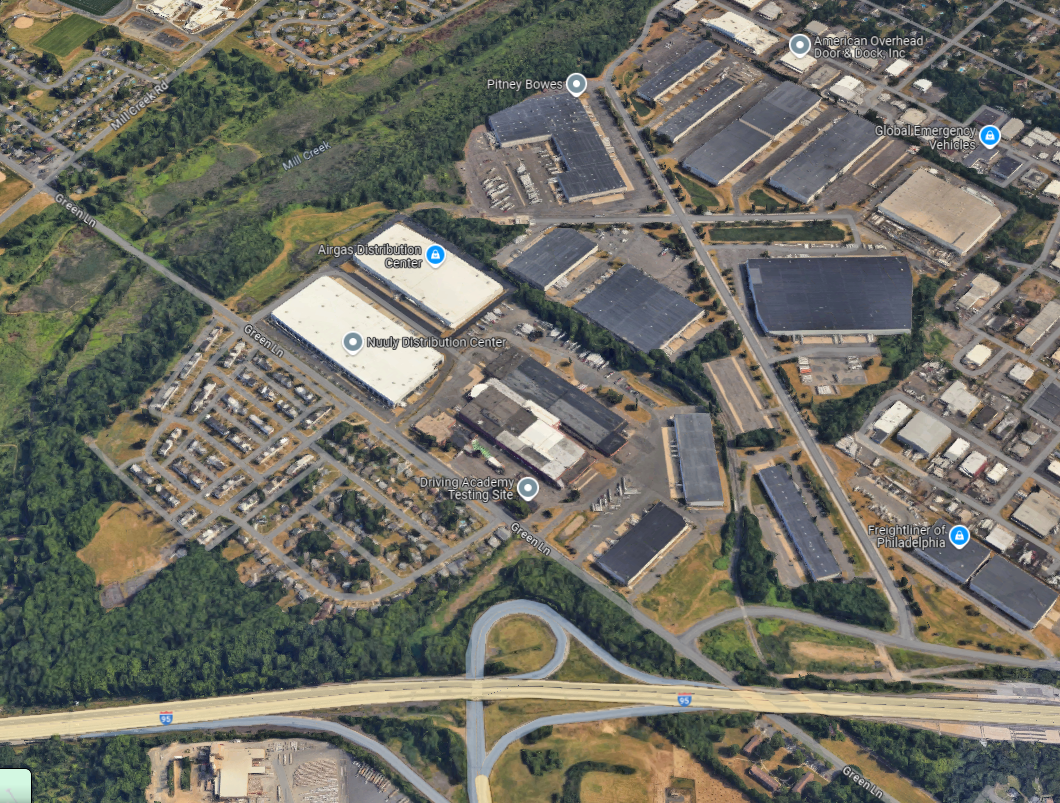
Over the decades, the airport experienced several crashes, including a notable incident in 1977 when two 17-year-olds survived after their plane struck the roof of an industrial building.
Advertisements
The surrounding Fleetwing-Bloomsdale neighborhood of Bristol Township still reflects its aviation heritage, with streets named after historical planes, including Mitchell Road, Mustang Street, Airacobra Street, and Liberator Street.
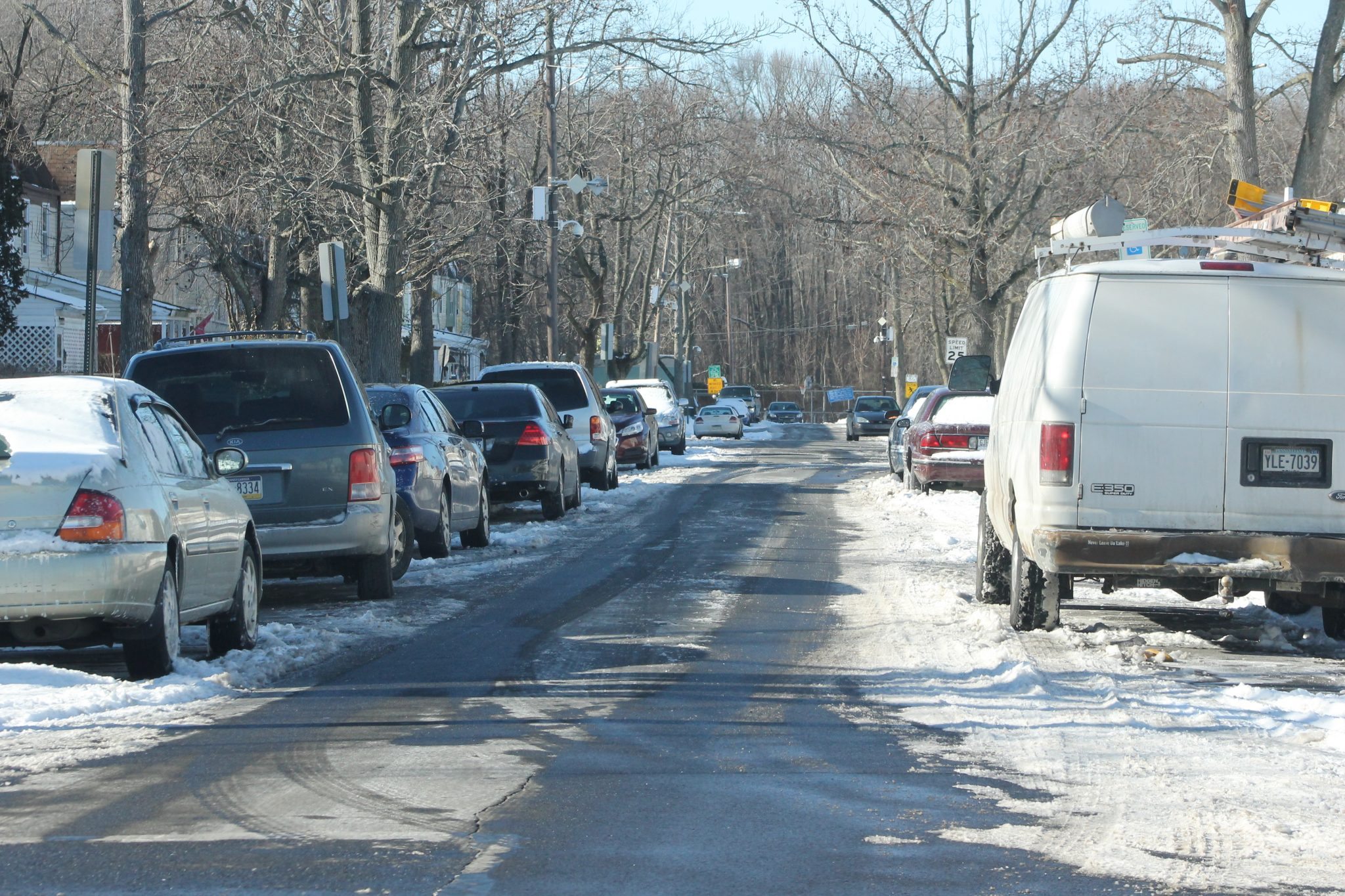
In the years after the 1980s closure, the runway was used for storage, drag racing, and then pathways for the budding industrial park.
Advertisements
In 2005, the site served as a filming location for M. Night Shyamalan’s “The Lady in the Water,” with sets constructed around the old 3M plant that once made airplanes.
The site was also used in 2007 for the movie “Bottleworld” where a liquor store set was built.
Just a short distance away, the Keystone Corporation once operated a seaplane base along Radcliffe Street in Bristol Borough.
Advertisements
Although the base closed after World War II, and most of its infrastructure has disappeared, part of the site is now home to the Villas at Riverview development. Seabird Drive, the main street in the development, is named after the Fleetwings F-5 Seabird that was produced there.
As local historian Carl LaVO noted in a 2021 Bucks County Courier Times article, the Bristol-area airports were part of a broader network of smaller airfields that dotted Lower Bucks County during the mid-20th century.
Advertisements
Report a correction via email | Editorial standards and policies