Credit: Tom Sofield/LevittownNow.com
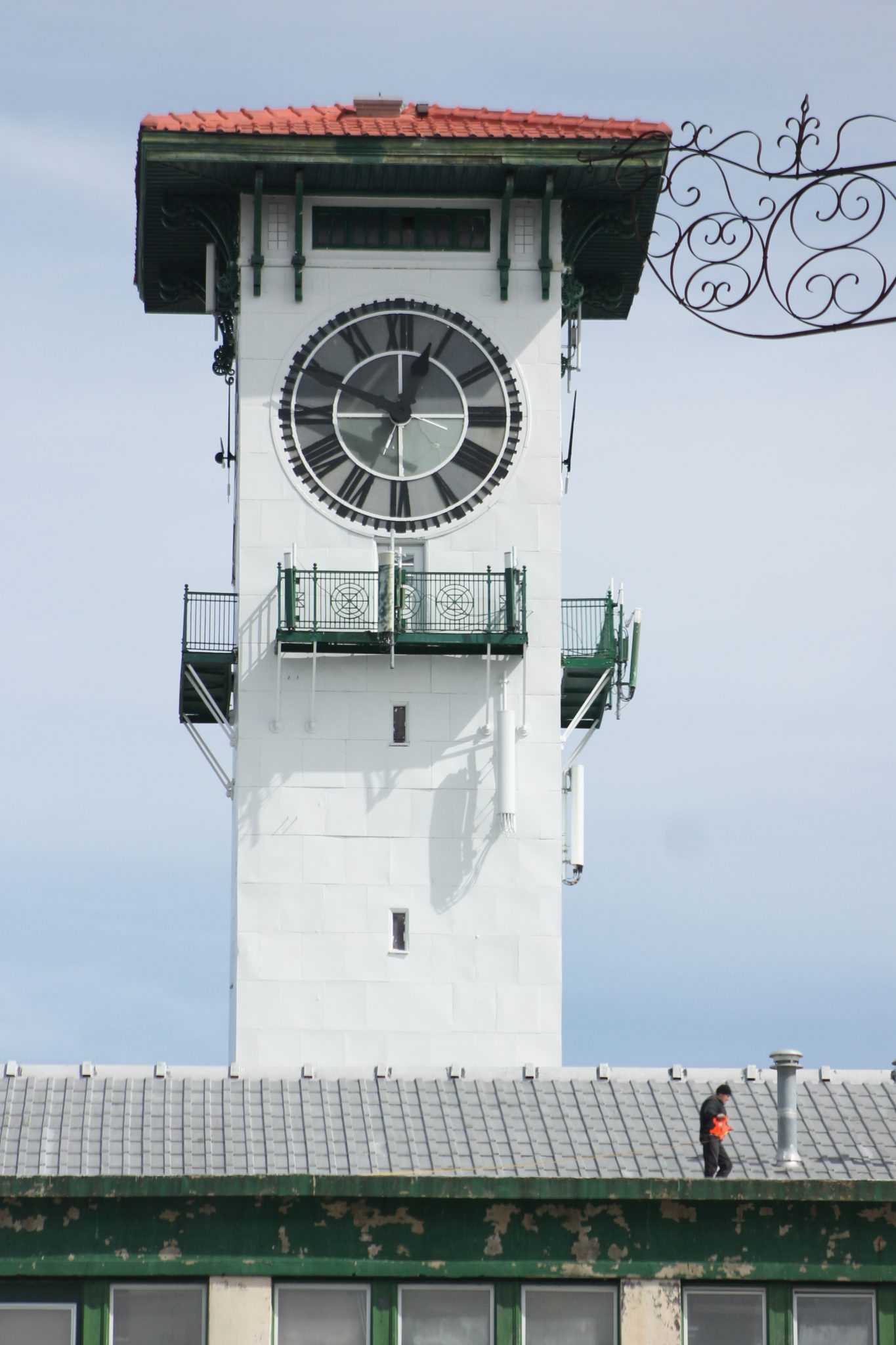
It’s the time of year when clocks and watches will be set forward by an hour early Sunday for daylight saving time, a practice aimed at making the most of longer periods of light during spring and summer days.
Acting Pennsylvania State Fire Commissioner Thomas Cook told residents they should change the batteries in their smoke alarms and carbon monoxide detectors while changing their clocks for this weekend’s “spring forward” time change.
Advertisements
“Unfortunately, Pennsylvania has gotten off to a bad start of the year concerning fatal fires, we’ve seen far too many,” said Cook. “When your family’s safety is threatened by a fire, you need the early warning provided by a smoke alarm, to so you can safely egress the home before it’s too late. Test your smoke alarms monthly and replace the batteries regularly. Our state routinely ranks among the nation’s highest, in terms of fatal house fires, and they disproportionately affect older adults.”
Cook explained nonworking or missing batteries are the most common cause of a smoke alarm or carbon monoxide detector malfunction.
When functioning, smoke alarms can decrease the risk of dying in a home fire by as much as half.
Advertisements
From the moment an alarm sounds, occupants may have as few as two minutes to safely exit the building.
Cook also urged people to be aware of carbon monoxide and have a detector that can alert residents of high levels.
Advertisements
Smoke alarms and carbon monoxide detectors should be tested monthly to make sure they work.
The American Red Cross of Southeastern Pennsylvania advised residents to replace smoke alarms that are older than 10 years and practice escape plans.
“As many as seven people die in this country every day from a home fire, but smoke alarms cut your risk in half,” said Guy Triano, regional CEO for the American Red Cross of Southeastern Pennsylvania. “Protect your household this weekend. Turn your clocks forward and test your smoke alarms.”
Advertisements
Daylight saving time, which began in Germany during World War I, was originally meant to conserve coal by reducing people’s use of artificial lighting in the evenings. By the time the war ended in 1918, several other European countries had followed suit.
Critics of the practice say it does not really save energy because it leads people to use more artificial light in the dark mornings and more air conditioning during the warm evening hours.
Advertisements
The United States began letting individual states use daylight saving time in 1918. Only Arizona and Hawaii have opted out of the time change. The practice also has spread to the Middle East and central Asia.
Start and end dates differ, but most countries in the Northern Hemisphere begin daylight saving time in March or April and switch back in October or November. The European Union turns its clocks forward March 28.
Advertisements
Report a correction via email | Editorial standards and policies