


Credit: Tom Sofield/LevittownNow.com
In the spring at the peak of COVID-19, Bucks County had more than 300 residents in hospitals at one time due to the virus. The number as of this week has settled at just a handful.
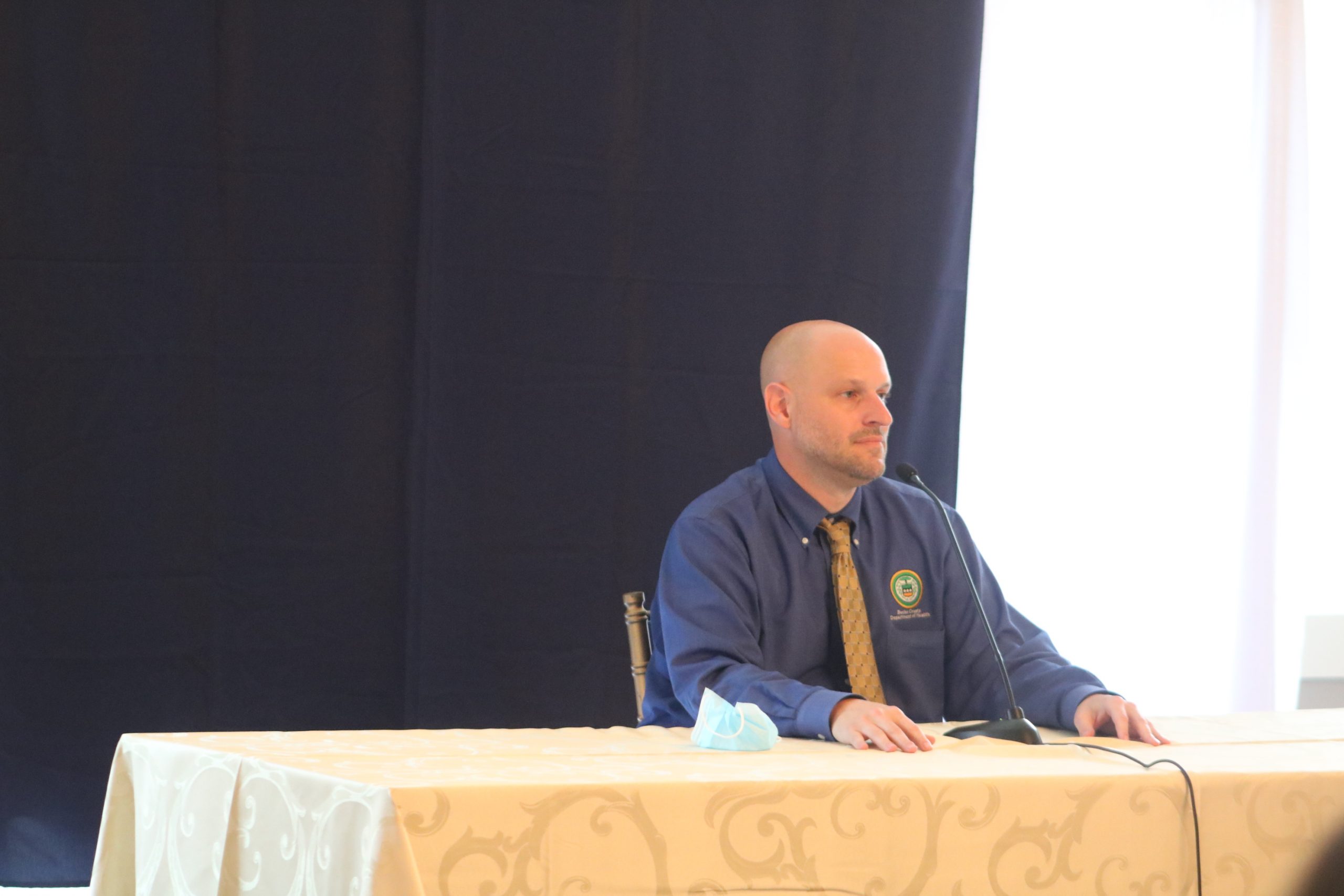
On Wednesday, Bucks County Health Department Director Dr. David Damsker said mitigation measures and more knowledge on treatments have brought cases down.
Advertisements
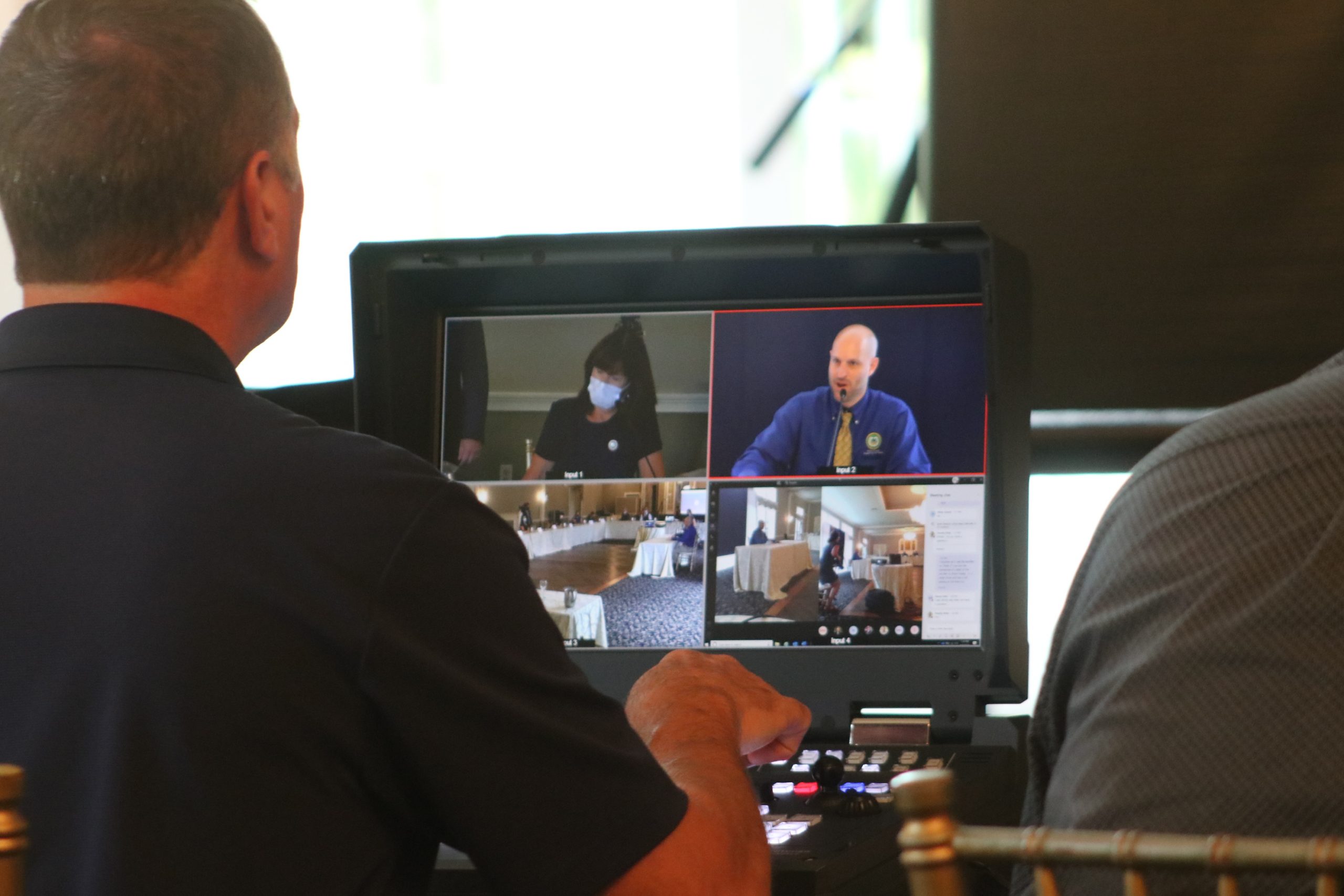
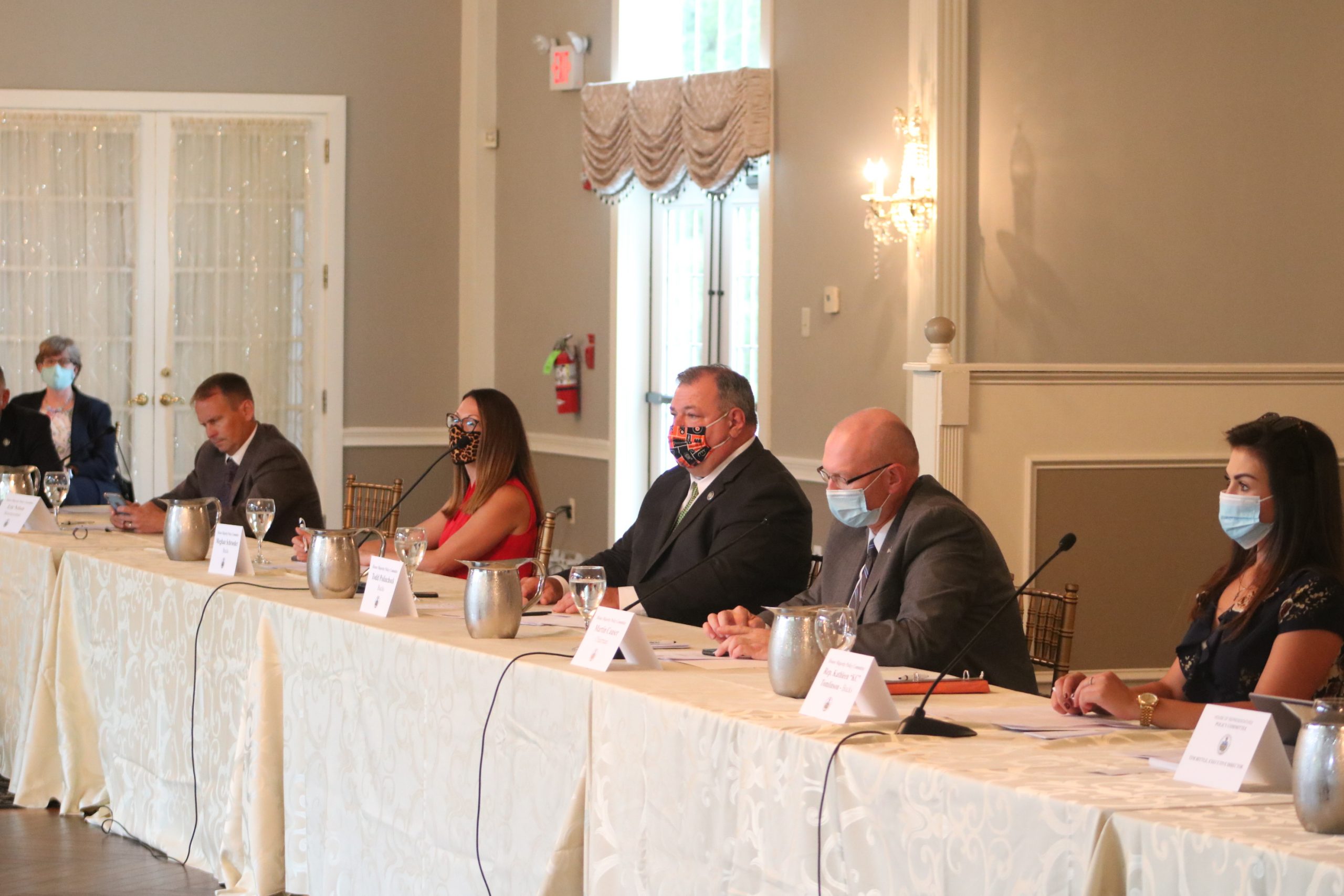
“We’re at a stage now where we’re not going to see fewer cases than we’re seeing because there is a baseline of spread,” Damsker told the Pennsylvania House Majority (Republican) Policy Committee at Pen Ryn Estate in Bensalem Township.
Damsker said COVID-19 is a real threat that will continue to be, but the region needs to look at how to keep things open while keeping cases low.
“We can open things up but do it safely,” he said.
Advertisements
The county health director explained that he believes that COVID-19 has to be treated like a chronic communicable disease because it won’t be going away quickly.
Damsker, a longtime public health official, said he doesn’t agree with all the guidance for businesses and schools that the state health department has put out, but he sees eye-to-eye with them the majority of time.
“I don’t agree with all guidance the state puts out,” he admitted to Republican lawmakers, adding the he is able to ask questions of state health officials and noted they do take feedback.
Advertisements
Damsker said Bucks County has been ahead of the curve with the novel coronavirus that recently changed the world.
“This is going to be long-term situation and this is not going away next week or next month, even with a vaccine,” he said.
Schools in Bucks County are able to open for in-person classes “to an extent,” Damsker said.
Advertisements
The doctor explained that wearing a mask – even around close friends and family you don’t live – washing your hands, and physical distancing are important to keep spread of the virus down and keep businesses open.
“We now know how to prevent spread,” Damsker said. “The society of today is different from the society of six months ago.”
Looking at restaurants, Damsker said he believes it’s less about the percent of occupancy and more about businesses being able to space tables 6-feet apart.
Advertisements
“If you go in [to a bar[ with the intent of social distancing and after a couple of drinks, you may not have that same intent so social distance. It’s just the way it works,” Damsker said, adding restrictions on alcohol sales make sense.
In response to a question from State Rep. Craig Staats, a Republican from Quakertown, Damsker said some strict COVID-19 mitigation measures – although necessary early on – can cause negative impacts on kids and adults.
“We need to look for a way on how to do this and not a way not to do this,” he said.
Advertisements
There were 2,600 licensed food facilities in Bucks County before COVID-19 and Damsker worries there won’t be that many after.
“Even if we’re wearing masks for the next two years, let’s find a way to get it done, ” Damsker said, mentioning ways to keep some normalcy while managing the virus that has killed more than 500 Bucks Countians since March.
Advertisements
On the topic of long-term care facility deaths, which accounted for most of the early COVID-19 fatalities in the county, Damsker said he doesn’t blame anyone for the early outbreaks and commended the state’s recent guidance to test staff and residents and efforts to keep the virus out of those facilities.
“This virus does kill more people than the flu in that age group and we need to keep them safe,” Damsker said.
Advertisements
“This doesn’t kill everybody, but it felt like that early on when he had several hundred deaths every month. We need to focus our message on baseline spread and when you go to your friend’s for a beer where a mask,” Damsker said. He added that many new cases are coming from gatherings with family and friends.
The doctor raised concern that younger people and college students are leading to many new cases. He urged those young people to realize they’re not invincible.
Advertisements
The committee also heard from Dr. Gerald Wydro, chairman of emergency medicine at Jefferson Health – Northeast and county emergency medical services director. He told lawmakers about the impacts of COVID-19 on health care workers, health care systems, and ambulance squads.
In addition to the serious medical impacts of COVID-19, Wydro said he expects the financial impacts to last for some time, including closures of smaller hospitals and practices.

Credit: Tom Sofield/LevittownNow.com
Advertisements
The emergency room doctor pointed to worries and problems with acquiring personal protective equipment during the early weeks of pandemic. He noted that he still is recycling masks for the first time in his career.
Wydro told the lawmakers that health care center incomes are down and that procedures and tests for other illnesses have been pushed off visits due to patients’ worry over the virus.
Advertisements
“We’re still seeing very sick patients, but we’re seeing fewer of them,” he said. “When patients finally do come in, they are sicker.”
Patients, according to the doctor, have waited days to seek help after suffering strokes and heart attacks due to concern over the pandemic.
Wydro said hospitals are doing their best to keep patients healthy during the pandemic.
Wydro also raised concern that emergency medical providers face higher risk in dealing with patients who have COVID-19 while seeing lower revenues.
Advertisements
“Most EMS services have seen expenses increase and revenue decrease over the past six months,” he said.
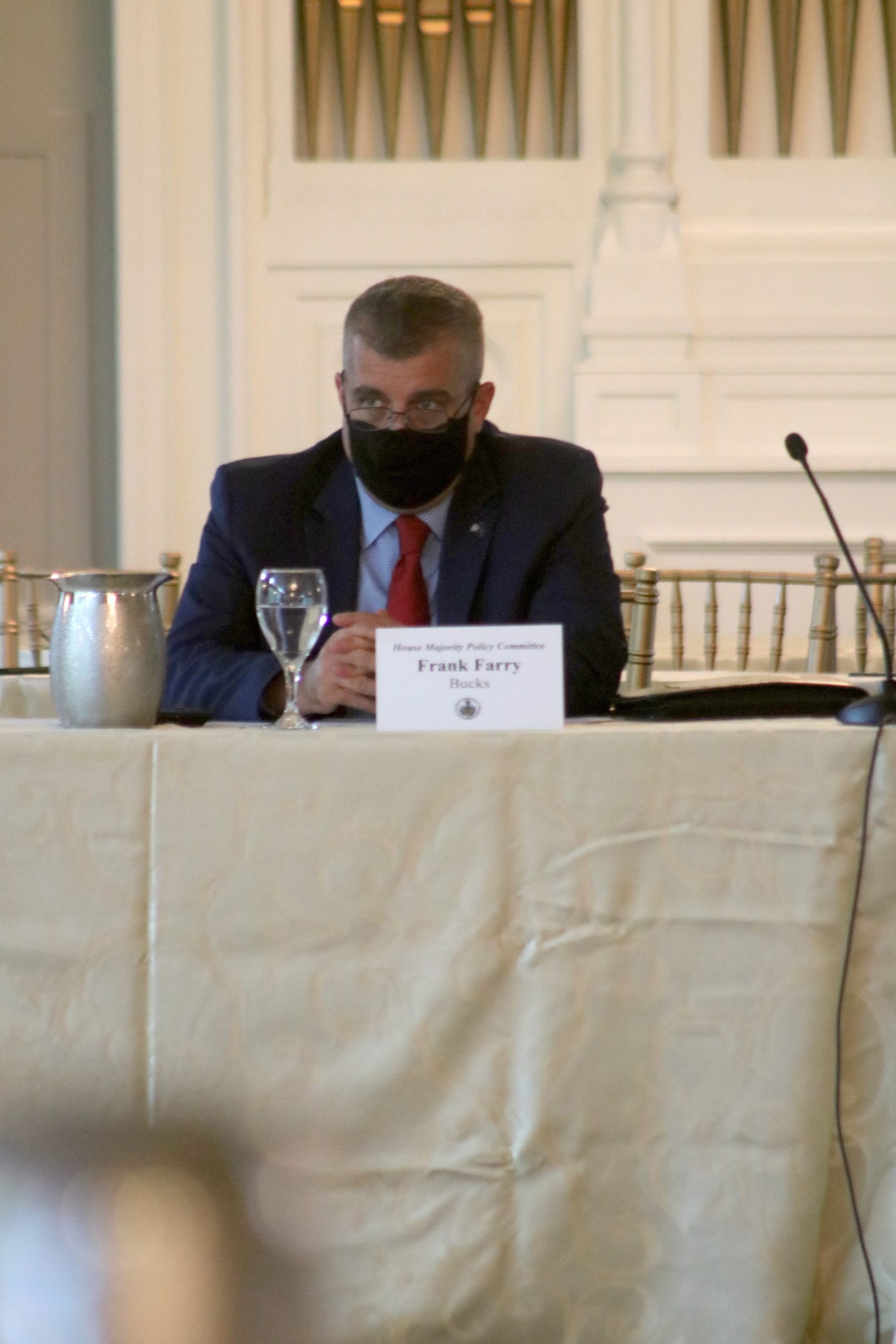
“This is why we must make the health and longevity of our EMS responders a priority,” said State Rep. Frank Farry, a Republican from Langhorne Borough who is also a fire chief. “The safety of our communities is at stake.”
Credit: Tom Sofield/LevittownNow.com
Dr. Tim Block, president of the Buckingham Township-based Pennsylvania Biotechnology Center, said medical research at the facility has been busy although there have been COVID-19 mitigation measures in place.
He noted the center, which features several organizations, that has been the site of a number of COVID-19 research projects that are contributing to the global fight against the virus.
Report a correction via email | Editorial standards and policies