


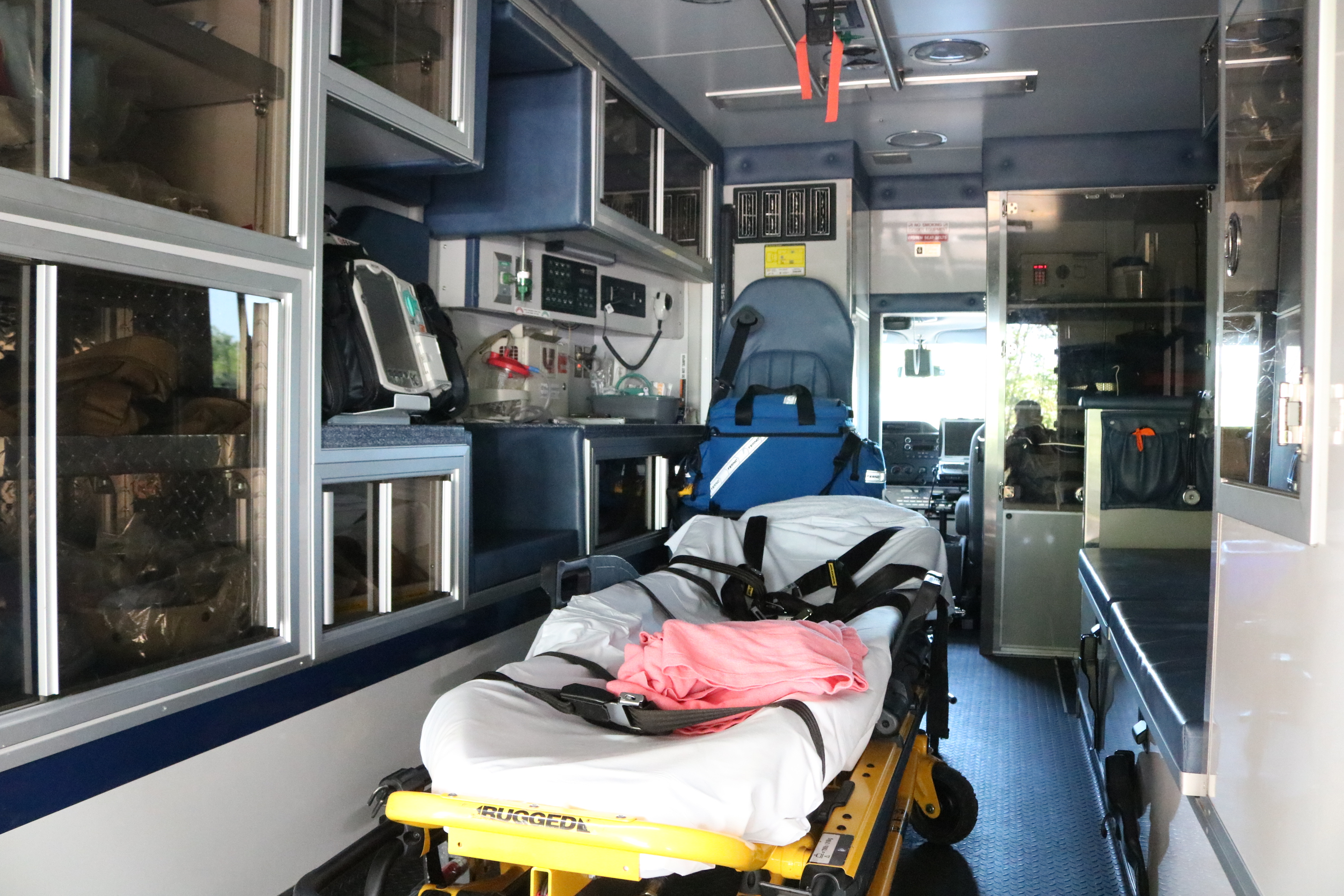
Credit: Tom Sofield/LevittownNow.com
When the call goes out, they respond quickly and provide care and comfort.
The work is hard, their response is swift, and their effort can easily be overlooked.
Advertisements
The county’s emergency medical providers were thanked Thursday at the Penndel-Middletown Emergency Squad station on West Lincoln Highway in Middletown.
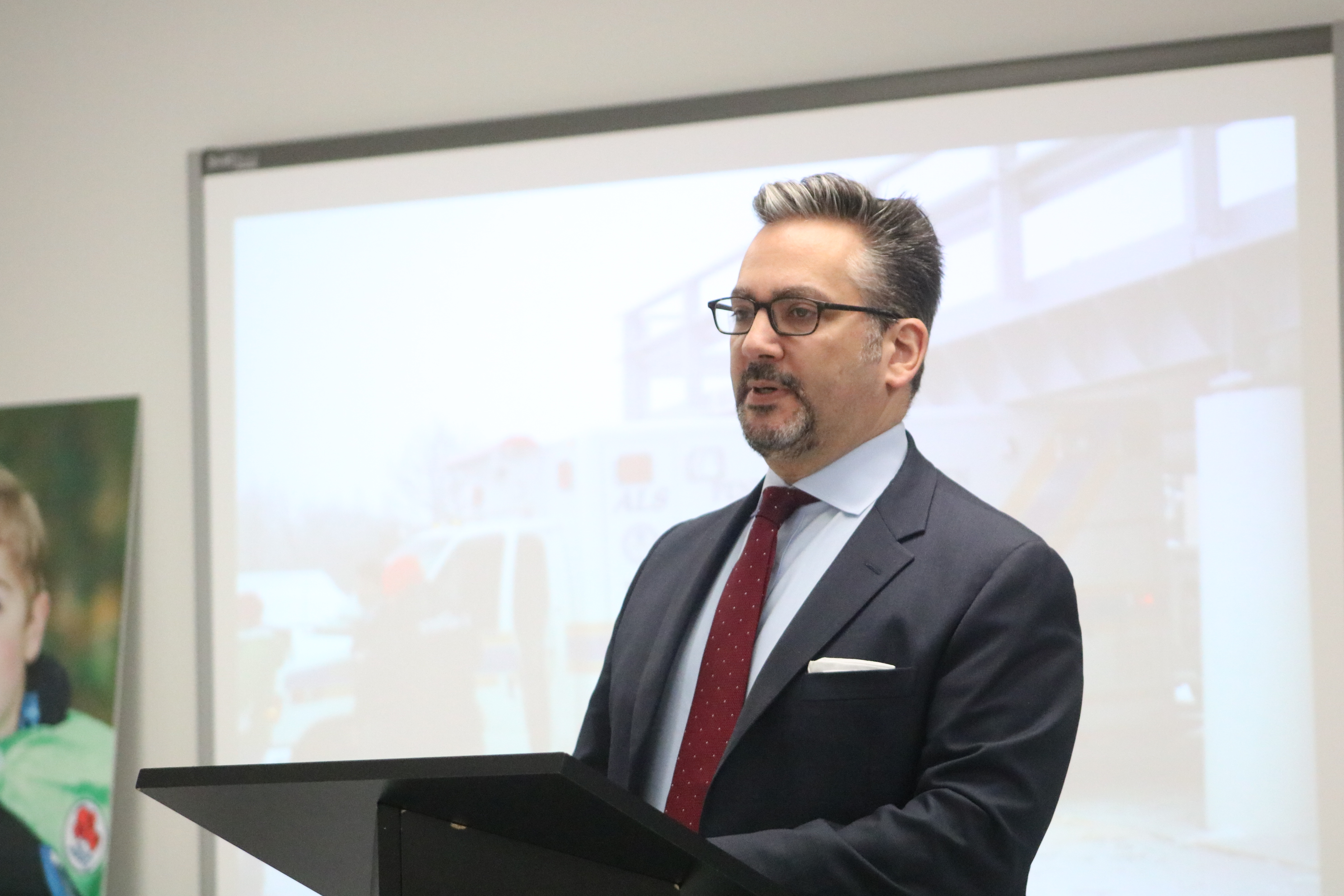
Politicians, emergency medical leaders, Pennsylvania Department of Health Deputy Secretary For Planning Ray Barishansky, and state Director of EMS Dylan Ferguson, who started his job a few weeks ago, came out to speak about the work and thank those who do it.
Credit: Tom Sofield/LevittownNow.com
“You learn about life and about yourself,” Barishansky said of working as a paramedic.
Advertisements
The 18-year veteran of EMS had worked in New Jersey before coming to Pennsylvania and serves as the incident commander for Gov. Tom Wolf’s disaster declaration for the opioid crisis.
Fighting the opioid crisis is a key focus for EMS providers across Pennsylvania and especially in Bucks County, Barishansky said.
Advertisements
“Our work (on the opioid crisis) has only just begun,” he said.
“Our EMS providers are often on the front lines of this.”
The state looks at those suffering from opioid addiction and those who overdose as a medical problem and are working toward solutions.
Credit: Tom Sofield/LevittownNow.com
Advertisements
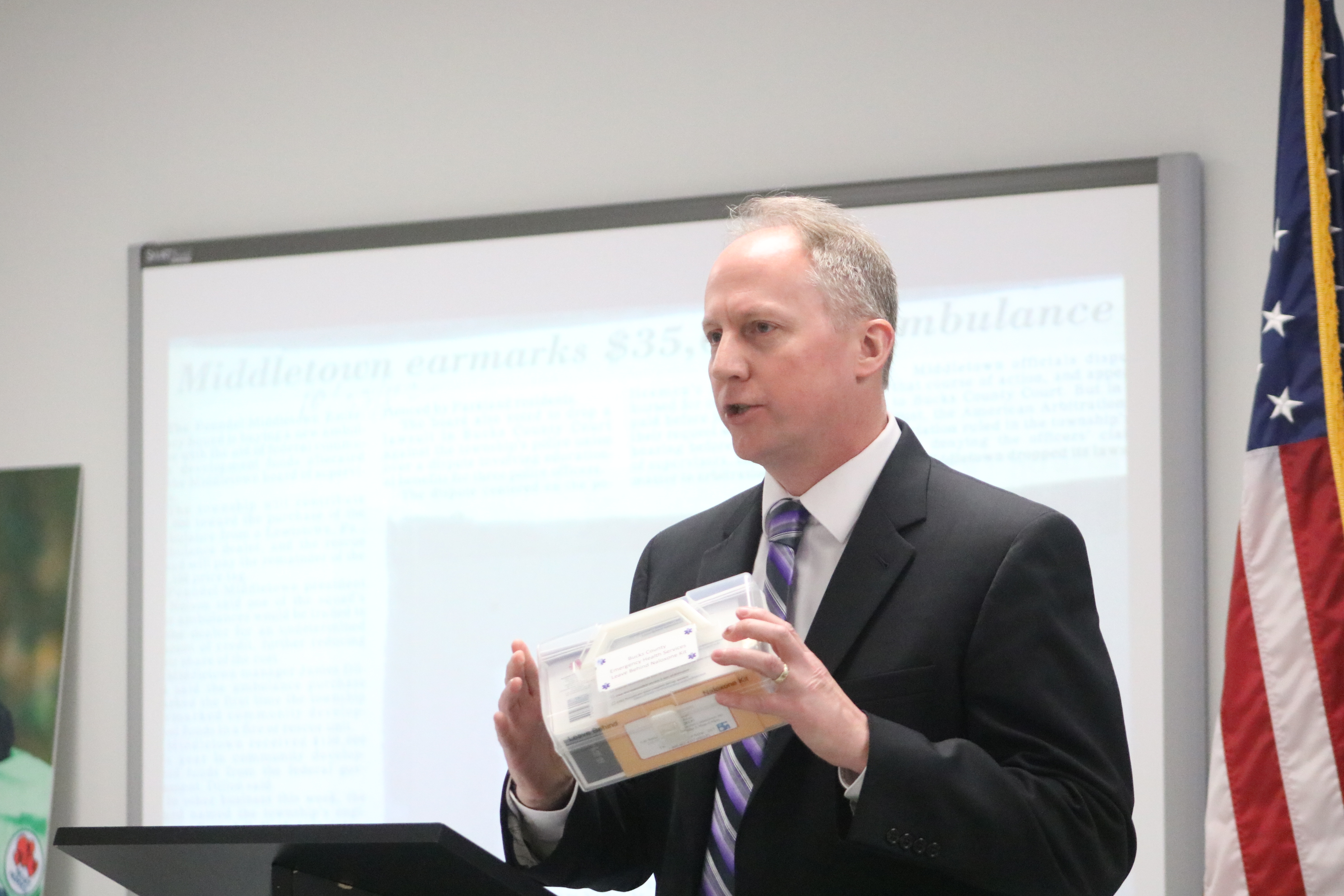
At the Penndel-Middletown Emergency Squad, medics who respond to overdose calls are leaving behind naloxon with the patient, family members or friends at the scene, according to squad Medical Director Dr. Gerald Wydro.
Another program that EMS providers are using in the fight against the opioid epidemic is the warm handoff effort. Barishansky said the plan takes those who recover from an overdose and places them directly into treatment.
Advertisements
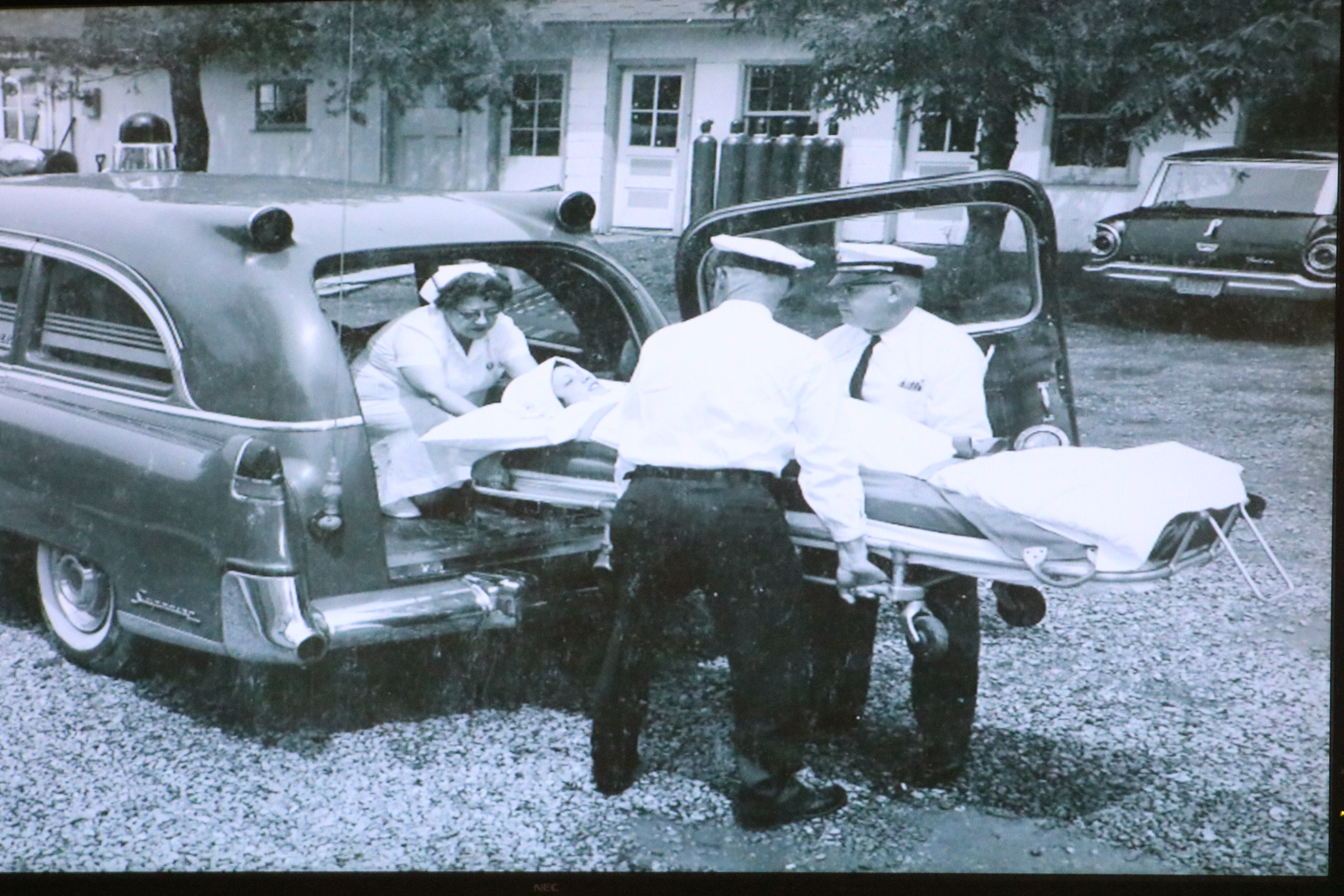
From the specialized equipment to the fact that some medics wear bulletproof vests on calls, the event included discussion on how EMS is changing.
Wydro said that medics handle everything from life-threatening injuries to patients going through a mental health crisis.
Advertisements
One major problem impacting squads across the state is the fact that insurance reimbursements are paid to patients and, in an all to common scenario, aren’t returned to the squad, which can create sticky financial situations.
The “decreasing reimbursements with increased expectations,” according to Wydro, can make funding EMS difficult.
Advertisements
Penndel-Middletown Emergency Squad Chief Andrew Foley said the squad has seen budget gaps due to reimbursement payments not making it back to the station.
“[The amount of funding not making it back] could pay for two paramedics for a year or half an ambulance,”Foley said.
Many EMS leaders in the area have called for direct reimbursement to squads for emergency medical care.

Credit: Tom Sofield/LevittownNow.com
Advertisements
State Rep. Frank Farry said he supports direct payment to the squads but said that insurance company lobbyists is Harrisburg are powerful. He added that he thinks direct payment would likely save insures more money because it would enable funding for more robust EMS squads, reducing some hospital stays.
The state representative, who also serves as a fire chief, explained that he is working with other officials to offer and fund more services to help emergency responders deal with the strain of their duties.
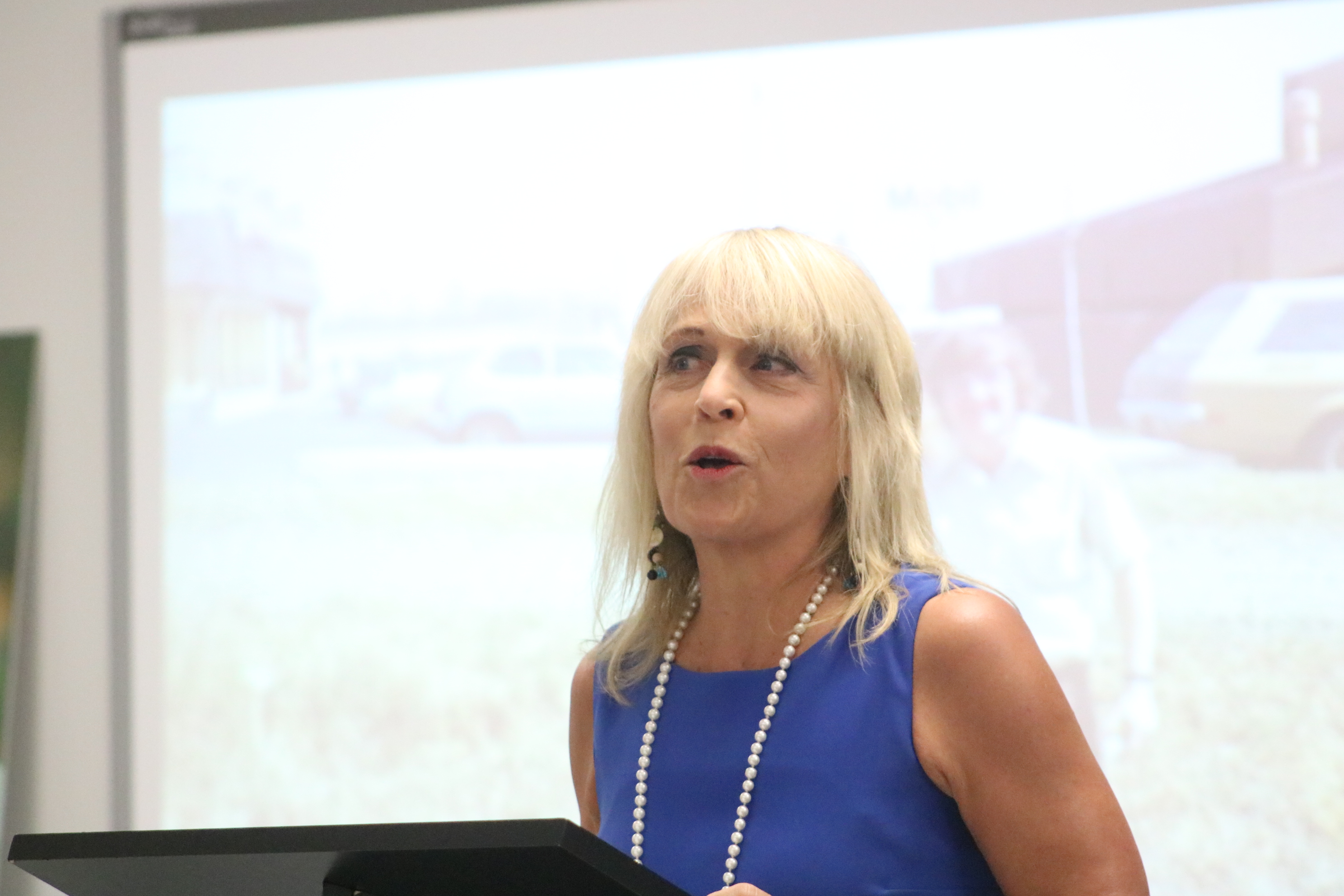
Credit: Tom Sofield/LevittownNow.com
Advertisements
“We can’t fail at a scene … but it’s not very easy to be be okay after some of those calls,” said Newtown Ambulance Squad Chief of Operations Evan Resnikoff. He also serves as head of the Bucks County EMS Chief’s Association, which brings all the squad leaders together twice a month.
Bucks County Commissioner Diane Ellis-Marseglia, who serves on the health council for the area, thanked emergency responders for their hard work and efforts to save lives.
“You really allow people to go on.”

Advertisements


