The Pennsylvania Turnpike Commission announced Friday afternoon that the Delaware River Bridge that connects the turnpikes of the Keystone State and New Jersey will remain closed at least eight more weeks.
The decision was made by an emergency engineering task force after consulting with private engineering design, construction and transportation entities.
Advertisements
Engineers said the “best-case scenario which doesn’t involve a more complex partial reconstruction of the impacted portion of the bridge or possibly even replacement of the entire structure” would allow the bridge to open by early April.
“We recognize that those who travel through, live, or work in this region have been considerably inconvenienced by this closure, and we are as excited as anyone to see it reopen,” said Pennsylvania Turnpike Chairman Sean Logan. “But please remember, this is an emergency situation; we’re working around the clock to resolve it. It would be reckless to put a single vehicle back onto this structure before we trust its stability.”
Credit: Tom Sofield/LevittownNow.com
The task force is led by the Pennsylvania Turnpike Commission and the New Jersey Turnpike Authority, who co-own the 1.2 mile-long bridge that spans over the Delaware River to link Bristol Township to Burlington, New Jersey.
Advertisements
Officials closed the bridge on January 20 after a New Jersey Turnpike Authority engineer inspecting paint work on the span found a fractured steel truss on the Bristol Township side.
Work to inspect the bridge, secure the structure and determine the best long-term fix is currently underway, officials said.
Advertisements
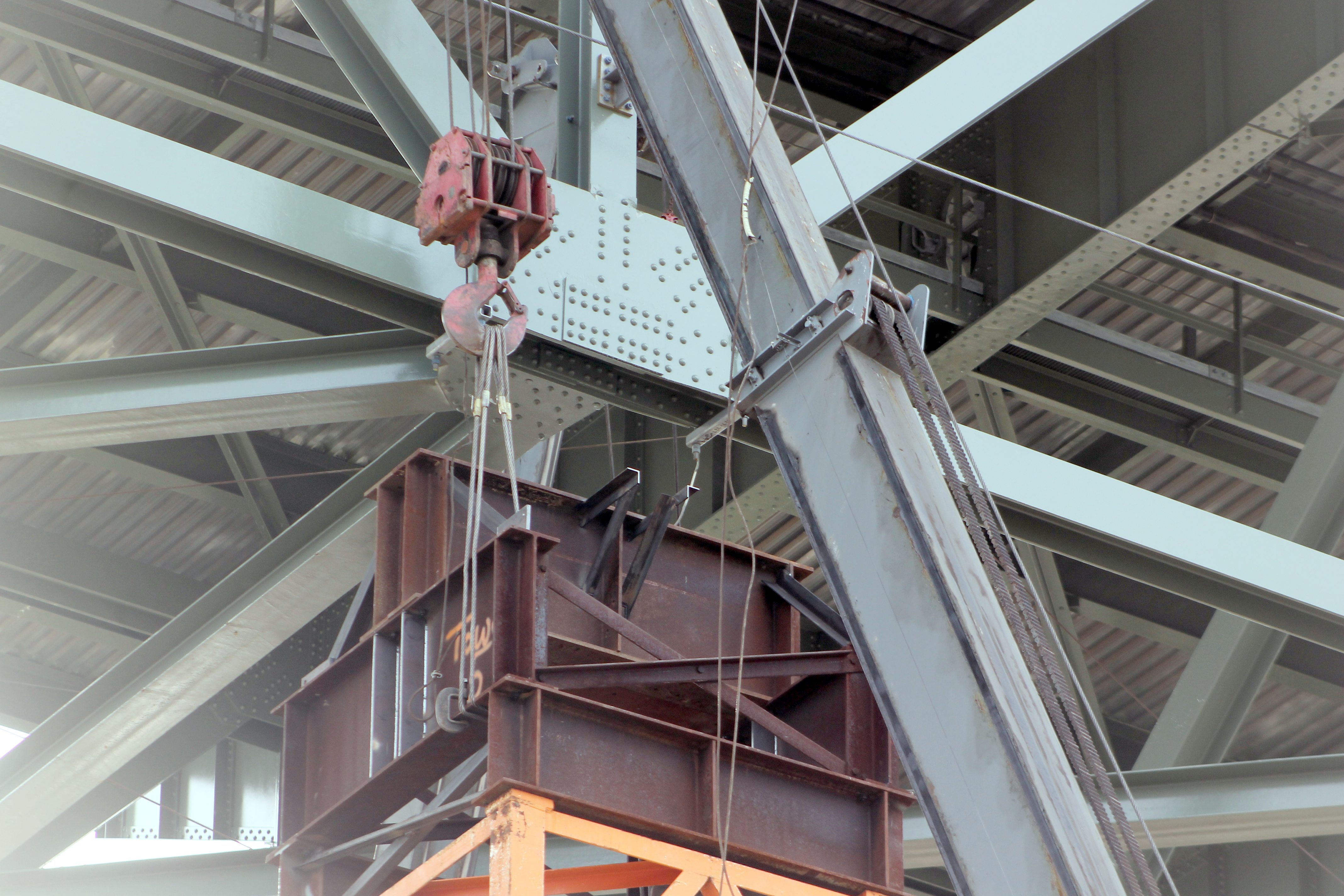
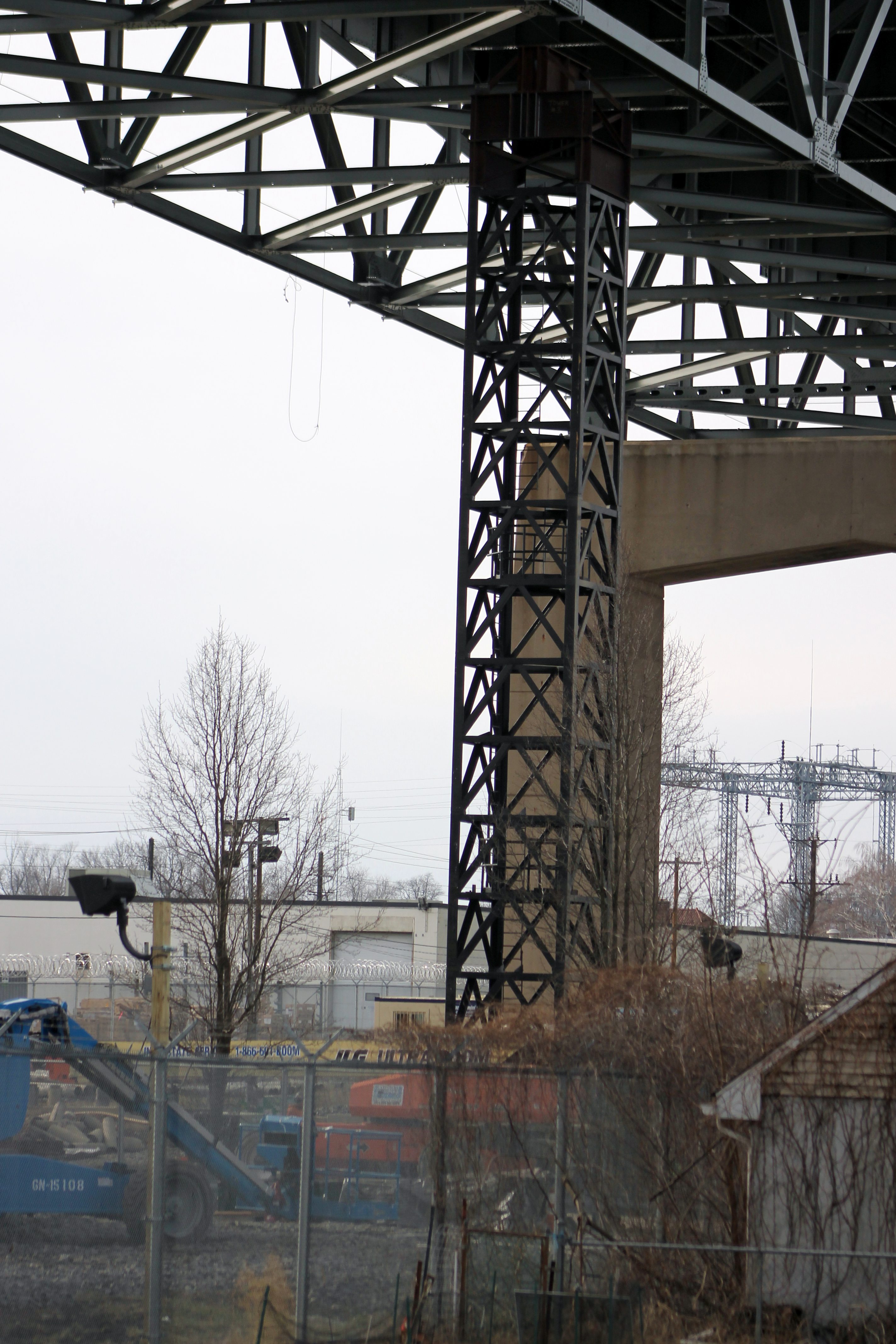
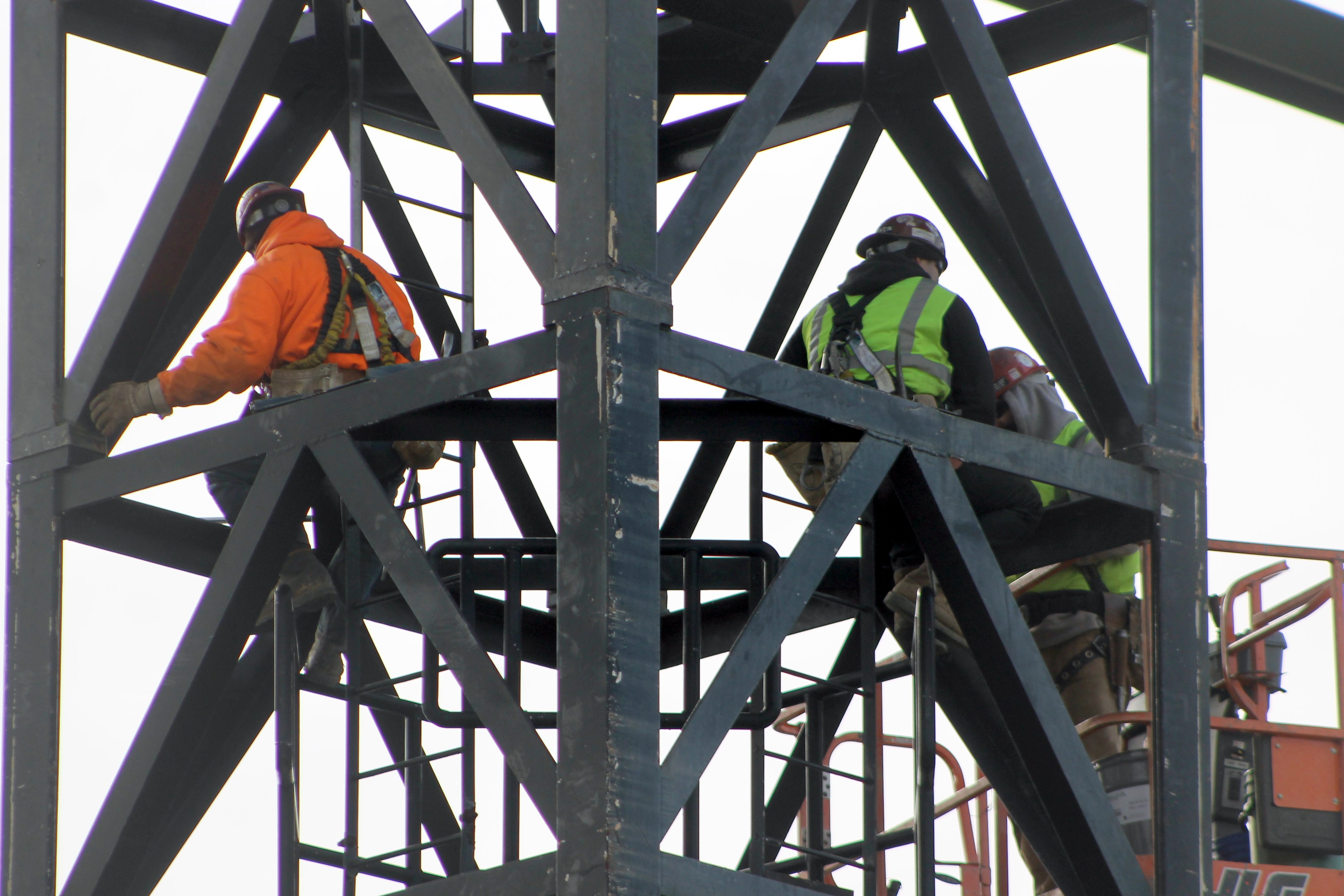
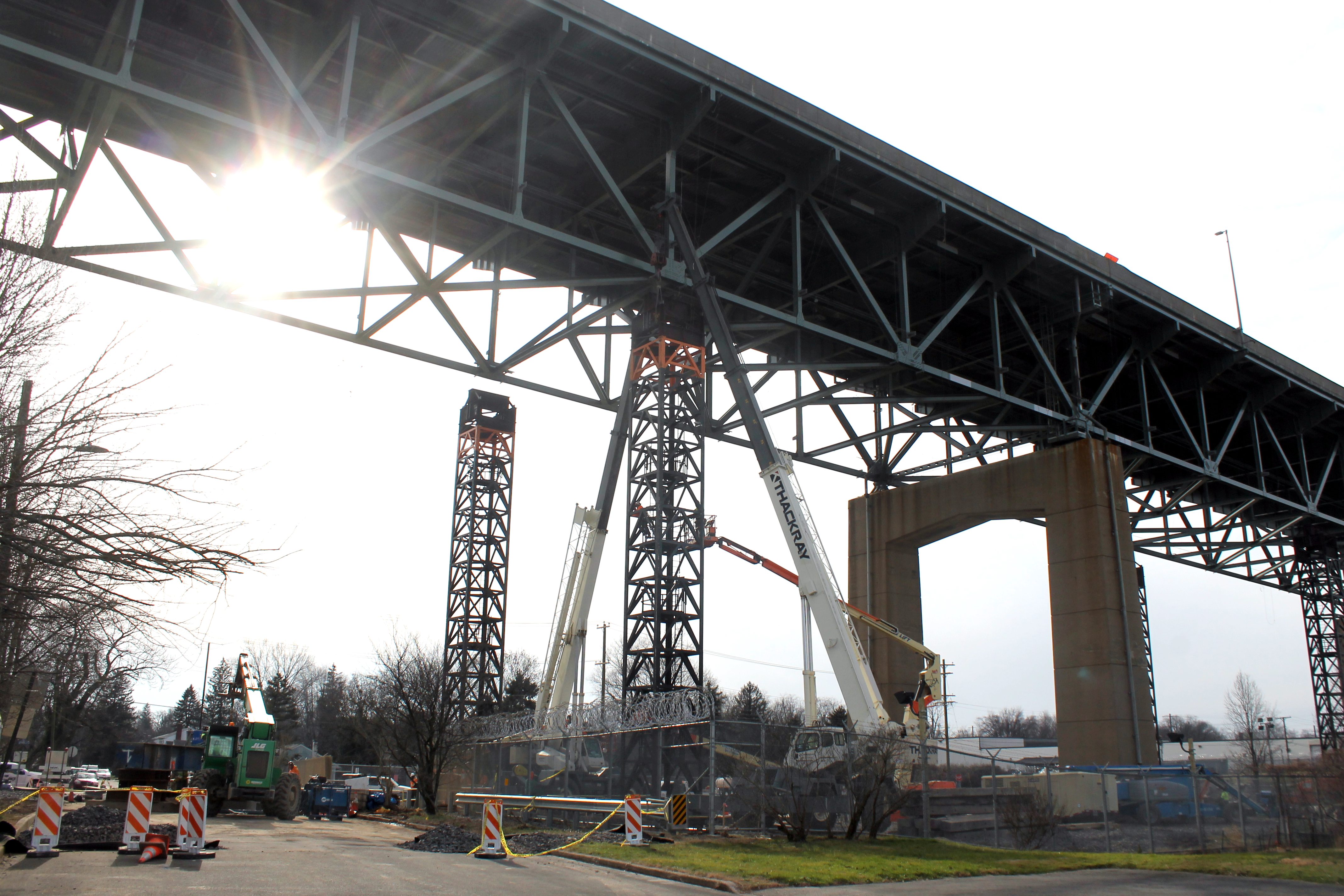
“Right now, that best-case scenario entails repairing the I-beam by constructing a permanent splice to reconnect the fractured section,” said Pennsylvania Turnpike Commission Chief Engineer Brad Heigel. “But before that can occur, crews must first realign the bisected segment by deploying eight temporary towers and hydraulic jacks to return the span to its original position.”
Heigel further stated the fractured truss caused its load to be shifted to adjoining structural components. Two supporting piers then dropped by about two inches due to the heavier load.
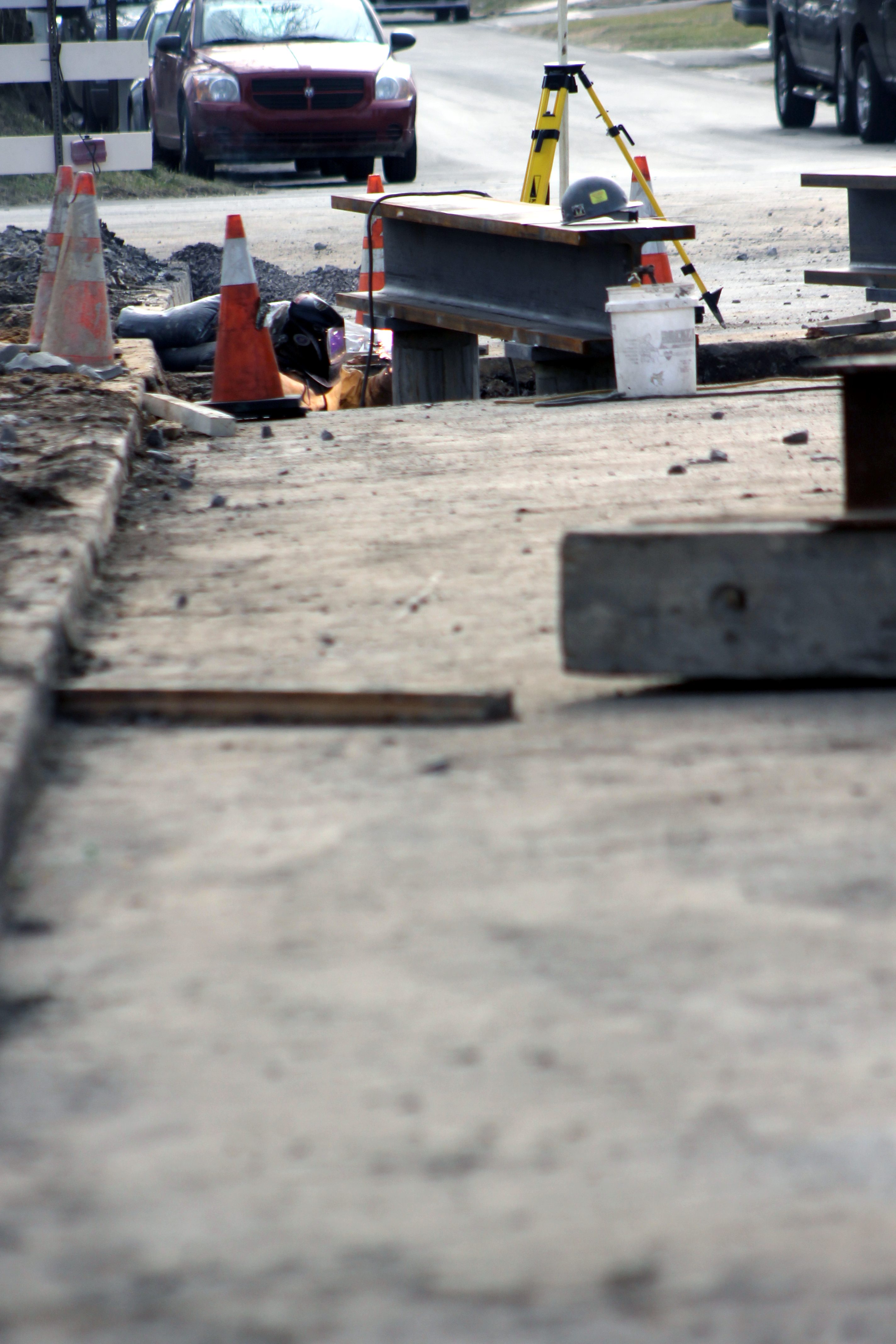
Neighbors who live below the bridge in Bristol Township told LevittownNow.com that there has been near-constant work on the large span through the days and evenings.
Advertisements
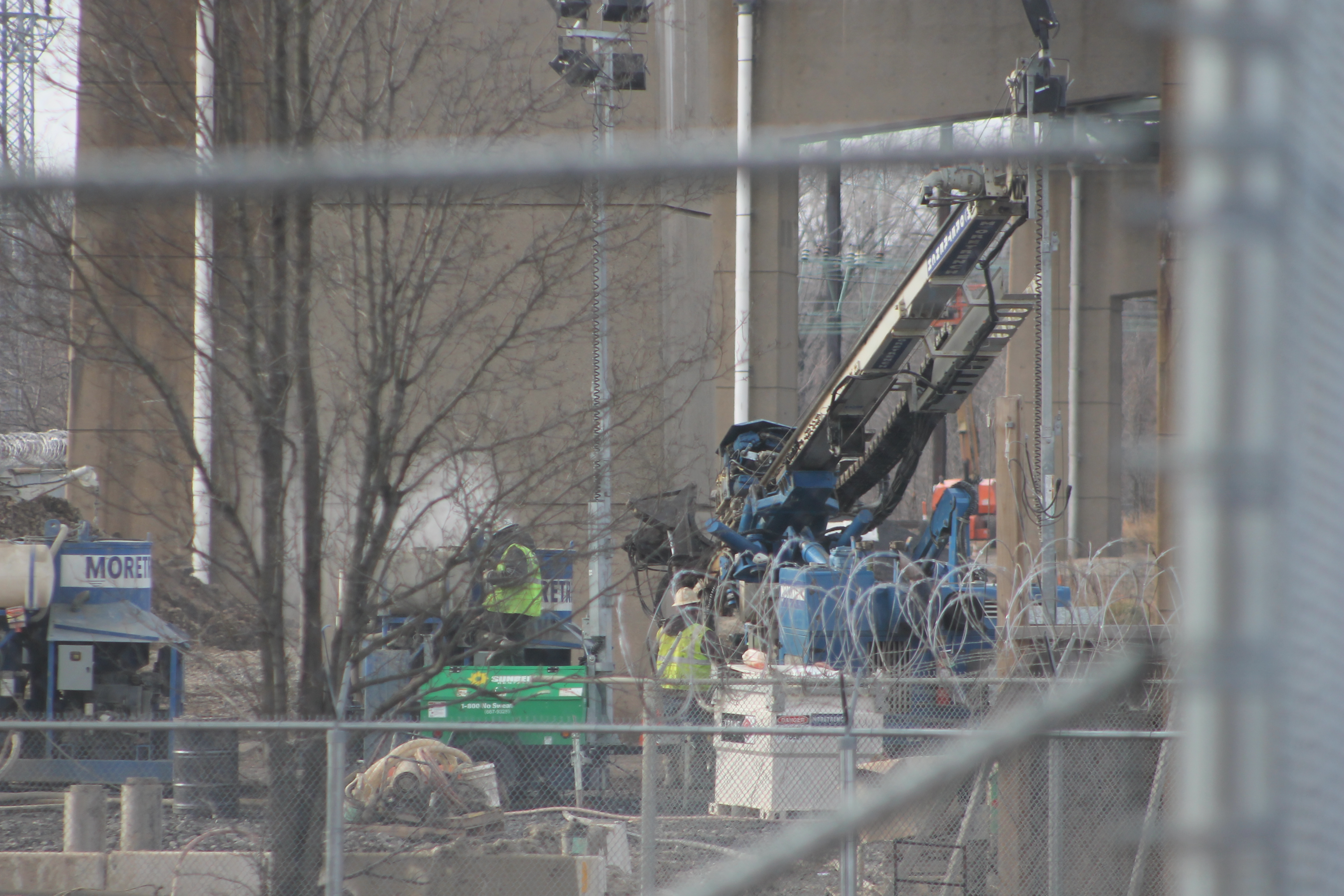
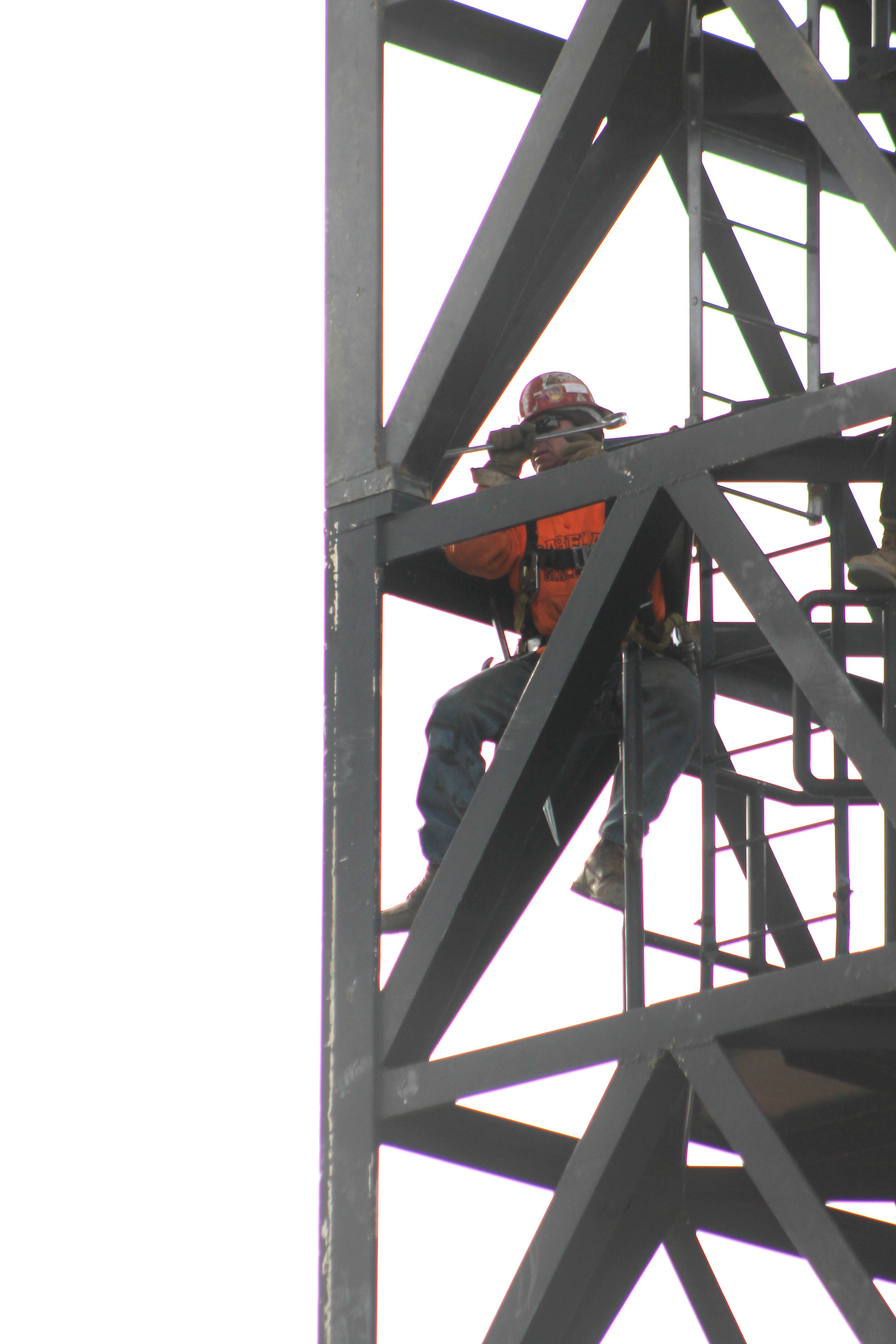
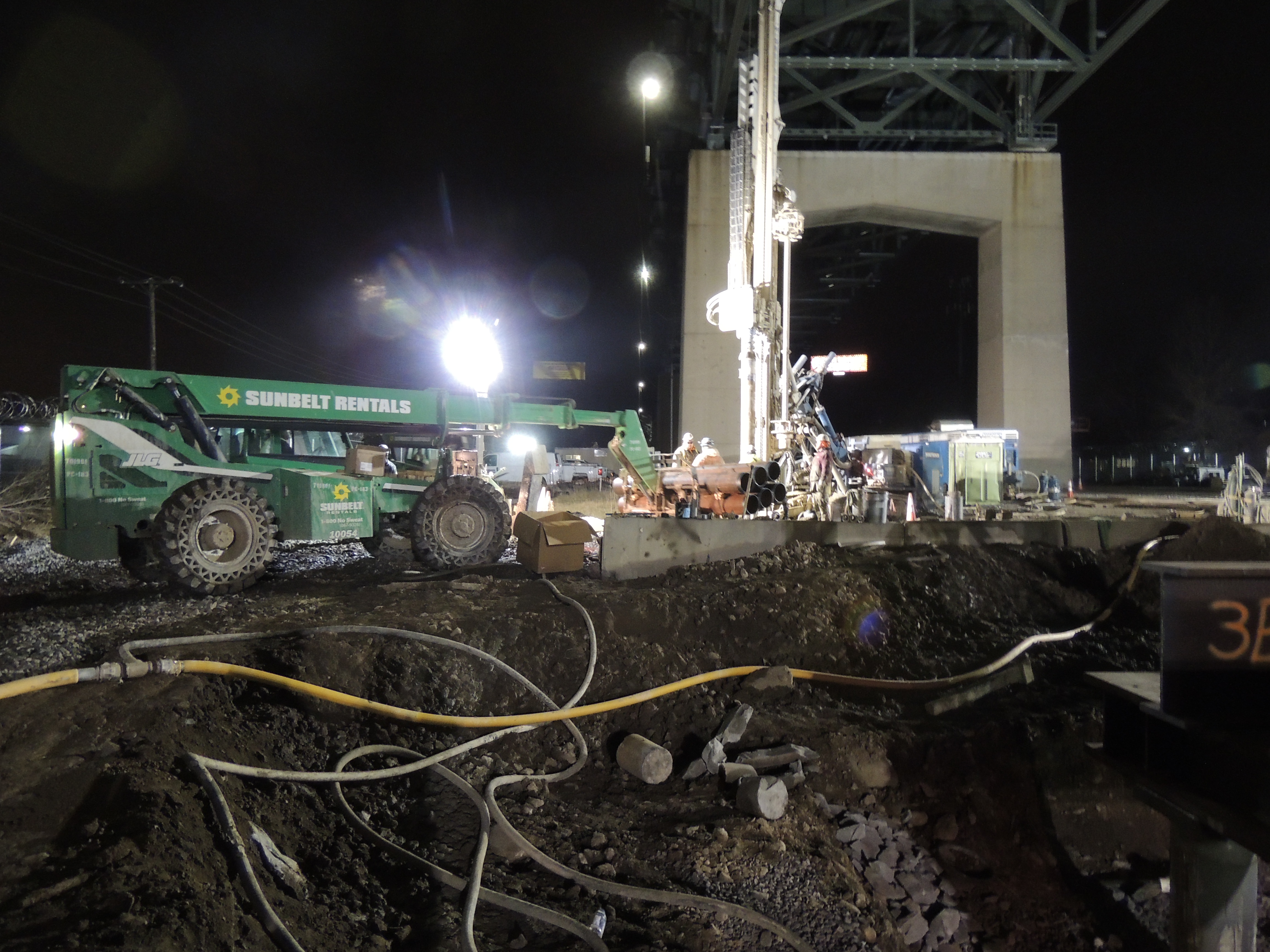
On Friday, crews continued to work to install eight, 80-foot-tall support towers that will carry the entire weight of the impacted portion of the bridge while a new support splice is installed and tested. The crews were installing the rising towers and also drilling grouted steel pipe columns installed underground.
Credit: Pennsylvania Turnpike Commission
“The goal of the jacking operation is to return the bridge to its original position and allow us to complete a permanent splice of the fracture. As the jacking operation occurs and load is transferred within the bridge, instrumentation will monitor the actual loads, stresses and displacements which will be compared to estimated outcomes from computer models. This monitoring — which involves affixing about 50 sensors to the structure — is the only way we can confirm that the splice is successful before we reopen the bridge,” Heigel explained.
Advertisements
The data gathered about the bridge during load testing will allow engineers to determine if a larger repair is needed to reopen the bridge.
In a timeline released to reporters, the Pennsylvania Turnpike Commission showed installation of the towers and a jacking system would be completed by early March, which would be followed by the actual load tests.
Advertisements
Heigel said more extensive repairs would extend the time of the closure.
Carl Defebo, a spokesman for the Pennsylvania Turnpike Commission, said the cost so far has not yet been tallied but the New Jersey Turnpike Authority has already racked up $9 million related to the bridge.
Advertisements
Last week, initial stabilization work added new metal plates to reconnect the fractured steel truss to prevent further movement. Images of the repair work show plates with multiple bolts rejoining the fractured truss.
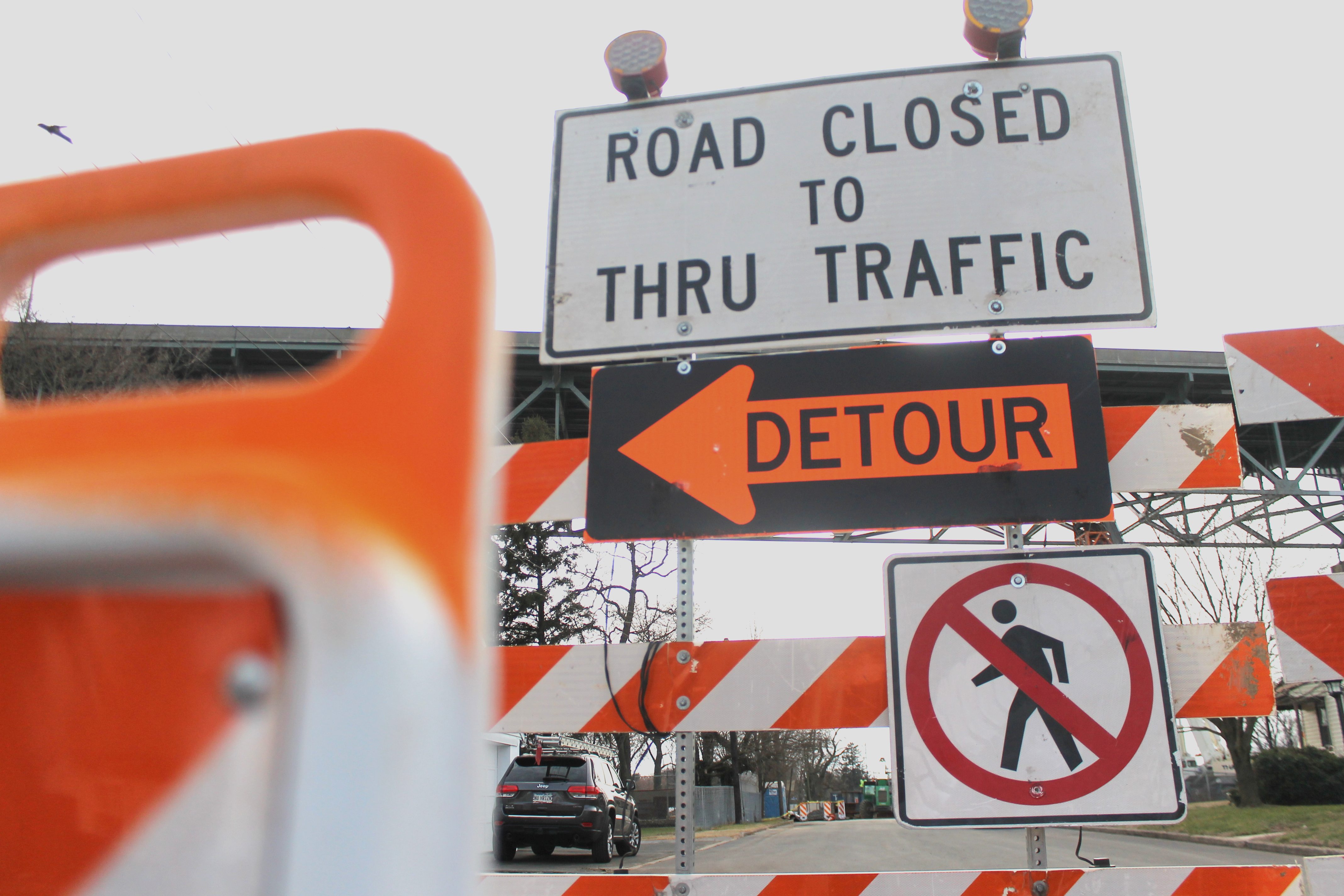
Below the bridge, Radcliffe Street along with Palmer and Wood avenues are expected to remain closed.
To notify motorists of the closure and of detours, close to 100 electronic signs are alerting drivers that the bridge is closed.
Advertisements
Traffic is being detoured off away from the bridge and has caused added traffic on area roadways, including Route 1 and I-95.
The bridge was built in 1956 and carried roughly 42,000 vehicles per day. The span connects the 360-mile Pennsylvania Turnpike to the 120-mile New Jersey Turnpike.

Credit: Pennsylvania Turnpike Commission