


By Eric Boehm | PA Independent
The showdown between Uber and Pennsylvania has escalated, and it’s getting expensive.
Advertisements
A pair of Pennsylvania judges on Tuesday recommended a massive $50 million fine against ride-sharing company Uber for operating in the state without a license and for resisting the state Public Utility Commission’s efforts to obtain information about how many rides Uber has provided in the state.
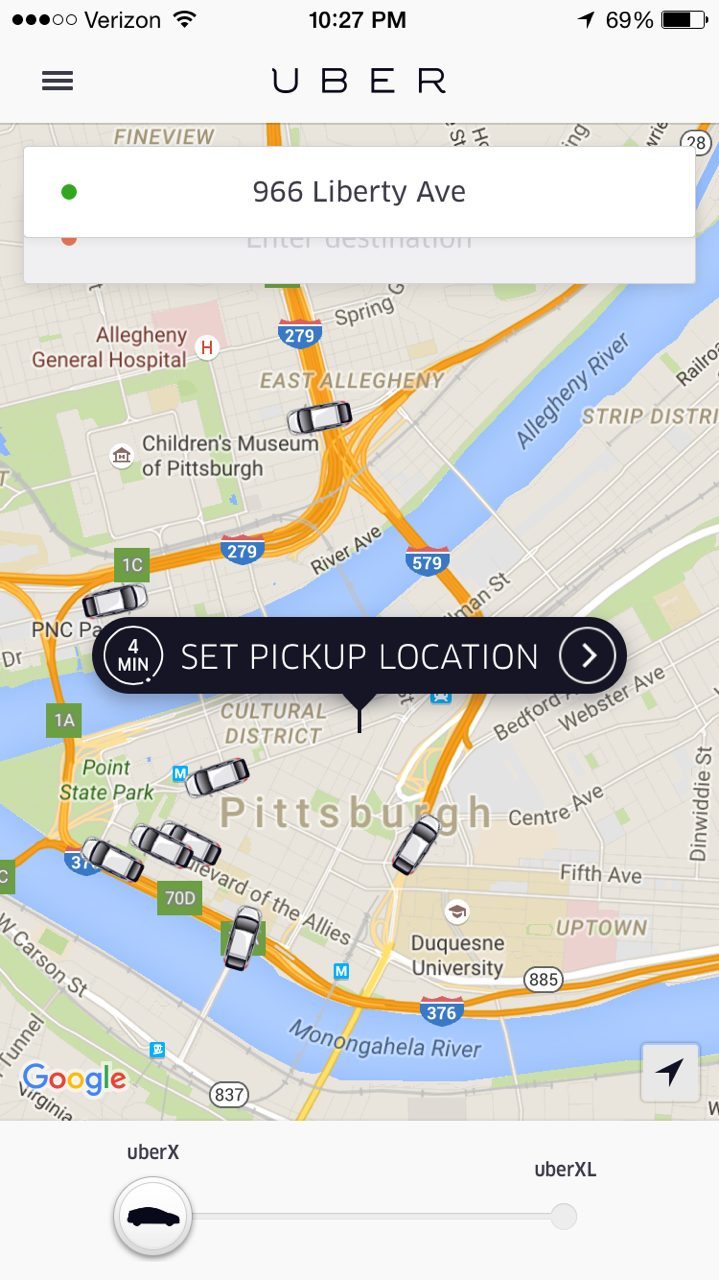
Uber began operating in the Pittsburgh area in February 2014, without first getting permission from the state’s regulators. Though both Uber and Lyft, a competing ride-sharing service, later received a two-year operational permit from the state PUC, the commission’s Board of Investigation and Enforcement is seeking to collect a penalty for the period of time when Uber was operating without a license.
“Uber meets the definition of a common carrier and was required to have authority from the Commission to provide transportation,” wrote judges Mary Long and Jeffrey Watson in Tuesday’s decision.
Advertisements
Operating without a government-issued permission slip means Uber was “placing the public at risk,” the two judges concluded.
They decided that Uber had been in violation of state regulations from February 11, 2014, through August 20, 2014, and imposed a $49.8 million fine.
Advertisements
In July 2014, a state judge ordered both Uber and Lyft to cease and desist from providing ride-sharing services, but both companies continued to operate in the Pittsburgh market.
The ruling is not final and Uber does not have to pay the fine immediately. The ride-sharing service and the state PUC have 20 days to file statements about the fine.
“We’re extremely disappointed in today’s recommendation,” said Taylor Bennett, a spokesperson for Uber, in a statement. “Uber has made repeated good faith efforts to settle, all of which have been rejected by I&E.”
Advertisements
The PUC’s Board of Investigation and Enforcement settled with Lyft for $250,000 earlier this year.
Uber has maintained it provided safe, reliable service, including doing background checks on drivers, during the period of time when it was not officially sanctioned by the state.
Advertisements
The nearly $50 million fine is significantly higher than what the PUC was seeking. The commission wanted to whack Uber with a $19 million fine — based on a $1,000 penalty for each day it operated without a license, combined with various other offenses.
The state also demanded that Uber turn over private ridership data, which the company did after months of legal wrangling.
Advertisements
But, mostly, the two judges seem upset Uber would try to provide a vital service without first getting approval from the state government.
While admitting they are “not unmindful of the public benefits offered” because Uber continued to operate in defiance of court orders, Long and Watson concluded Uber’s “decision to do so was a deliberate disregard of the commission’s authority.”

