


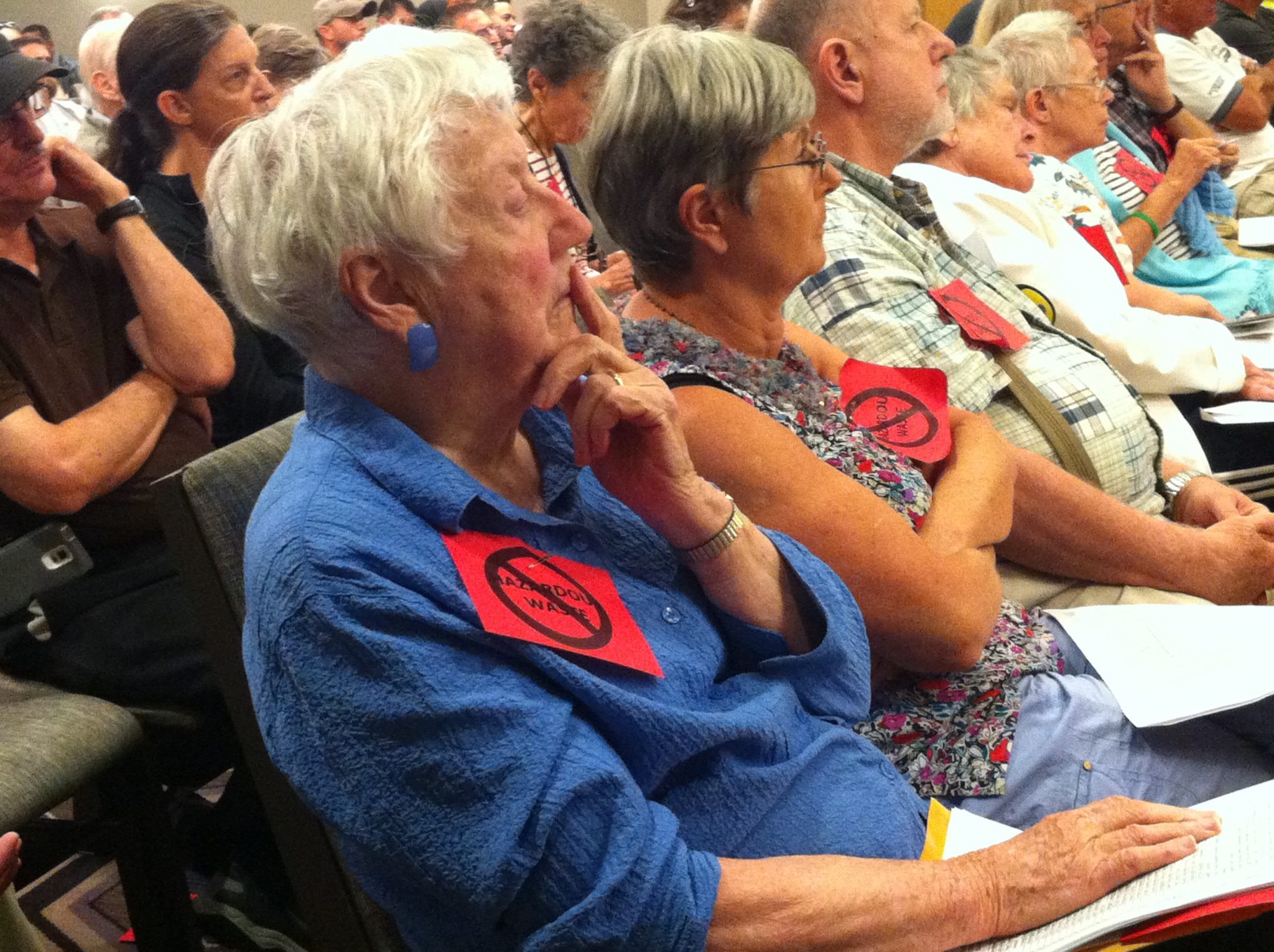
Another entity has stepped up in opposition of a potential hazardous waste treatment facility in Falls Township.
Elcon, which has battled residents of both Pennsylvania and New Jersey over the last year through public hearings and public comments, is currently seeking approval once again of their Phase I application to construct a 2-3 acre facility in the Keystone Industrial Port Complex. The facility, which Dr. Rengarajan Ramesh, a consultant for Elcon, calls “clean, green, and sustainable,” would treat liquid waste from various facilities, heat it up, and place it in pools to evaporate.
Advertisements
Recently, the Philadelphia Water Department (PWD) released their thoughts on the project, saying it could put “millions at risk.”
According to the PWD, they conducted computer simulation using the Early Warning System (EWS) Tidal Spill Model, which was funded through a Department of Homeland
Security grant, to test the Elcon model. According to their findings, when they applied the proposed location of the Elcon facility to the stimulation of a possible contaminet, results indicated a chemical plume would envelop the Baxter water treatment plant, which provides 60% of potable water to Bucks County, in as little as 90 hours.
“Depending upon the severity of an accidental leak or emergency, having to potentially close the Baxter intake for over 3.75 days while a chemical plume slowly moves downstream in the tidal Delaware River is catastrophic,” noted representatives from the PWD.
Advertisements
For Fred Stine, the Citizen Action Coordinator for the Delaware Riverkeeper Network, the simulation has made it clear that any chemical leaks, spills or accidents so close to the Delaware River could threaten drinking water for millions in and around Philadelphia and South Jersey.
“Elcon will bring 175,000 tons of hazardous waste every year by train cars and trucks to a site that has a direct pathway to the Delaware River and directly connected to our water supply. DEP must deny this application because it places so many people at risk,” said Stine.
Advertisements
The study performed by the PWD also notes that tides could help the infected water reach even further, which could include Aqua Pennsylvania facilities in Bristol, Lower Bucks Joint Municipal Authority facilities in Tullytown, New Jersey American Water in Delran, New Jersey, and the residents of Burlington City.

Credit: Tom Sofield/LevittownNow.com
Vice President of Issues and Action for the League of Women Voters of Pennsylvania Betty Tatham, said that harsh chemicals in the river for more than four days could reach even further. “That cannot be acceptable to PADEP. They must act now and deny Elcon’s permit to protect the millions of people in Pennsylvania, New Jersey and Delaware that depend on the Delaware River for their drinking water, jobs and recreation” Tatham said.
Russell Zerbo, the Advocacy Coordinator for the Clean Air Council went as far to say that Elcon has “attempted to mislead the public and the DEP in claiming this proposal is a minor source of air pollution. They know well that the 25 tons per year of Nitrogen Oxide pollution they are proposing qualifies as a major source of pollution in a county that already fails for ground-level-ozone pollution. Bucks was only behind Philadelphia and Pittsburgh for dangerous “orange” ozone days in 2014.”
Advertisements
The PWD commented that their mission in providing the study information, is to protect the Philadelphia area from being impacted like the West Virginia area was when a chemical spill impacted their Elk River.
“In light of the extensive drinking water supply contamination in West Virginia caused by a chemical storage facility leak, Philadelphia Water would like PADEP to consider the
precautionary principle when reviewing the Phase I Siting Permit for the proposed Elcon facility. The proposed facility location is within a twenty mile radius of large urban areas in both Pennsylvania and New Jersey that use the Delaware River as a drinking water supply.”
Advertisements
The Pennsylvania Department of Environmental Protection is expected to release their Phase I decision on the project before mid-November.

