


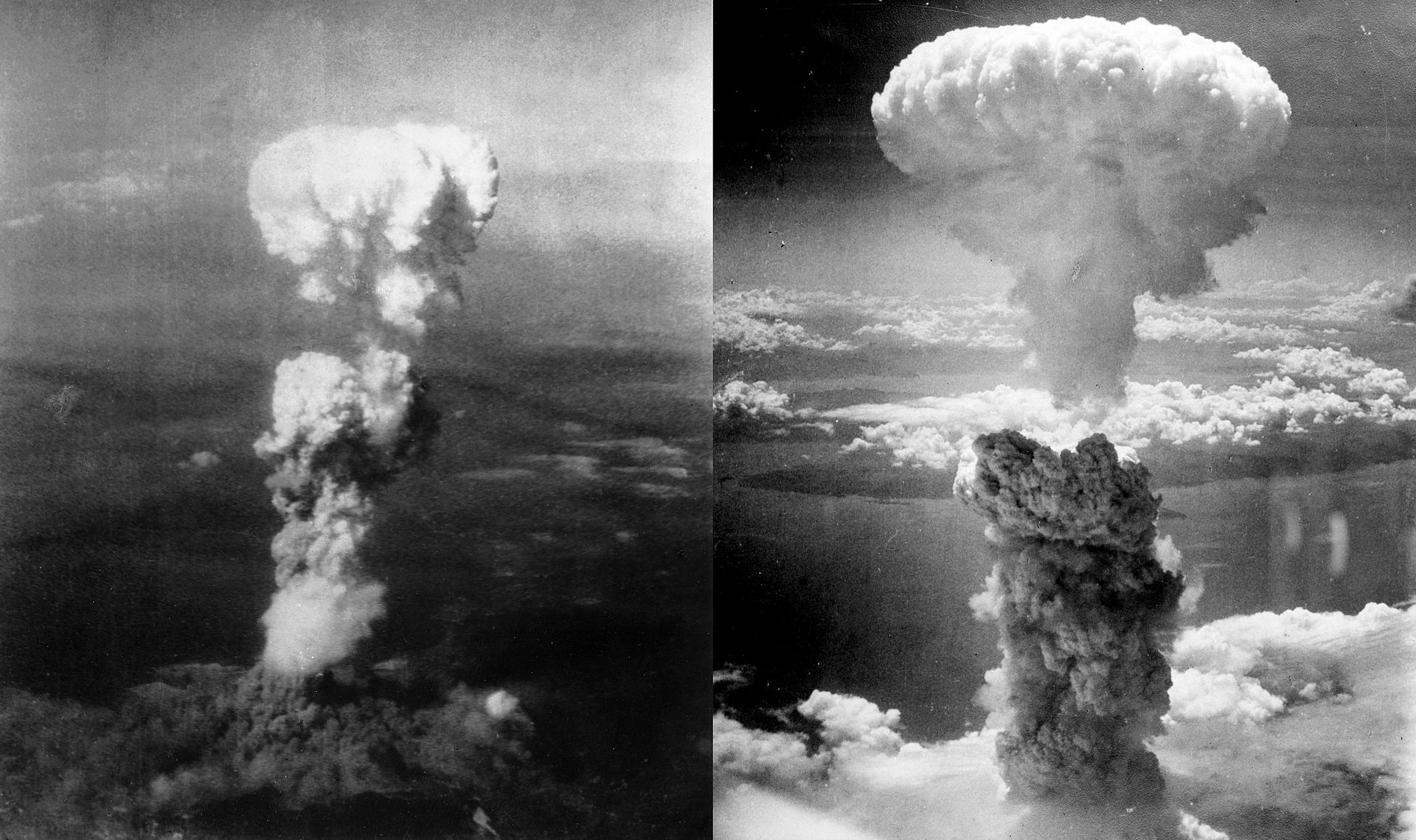
 Both of the world’s only two nuclear bomb attacks happened 70 years ago this month in the Japanese cities of Hiroshima and Nagasaki.
The 15-kiloton nuclear bomb that fell on Hiroshima, code-named “Little Boy,” helped steer the course of WWII and led the Allies to victory in the Pacific theater. The nuclear assault, which was organized by the United States, destroyed the city and killed close to 300,000 people over a year, including 70,000 within a short period of time.
Advertisements
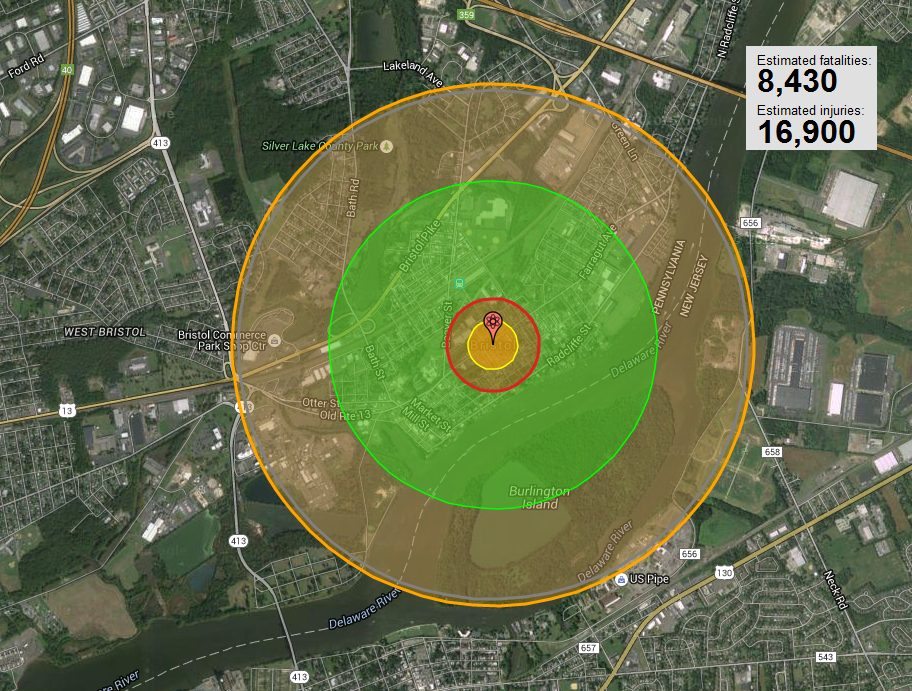
Using The Nuke Map, an online tool that allows users to explore what would happen if a nuclear bomb detonated at various yields over nearly any point on Earth, LevittownNow.com was able to see what would happen if a nuclear bomb detonated over the intersection of Levittown and Mill Creek parkways.
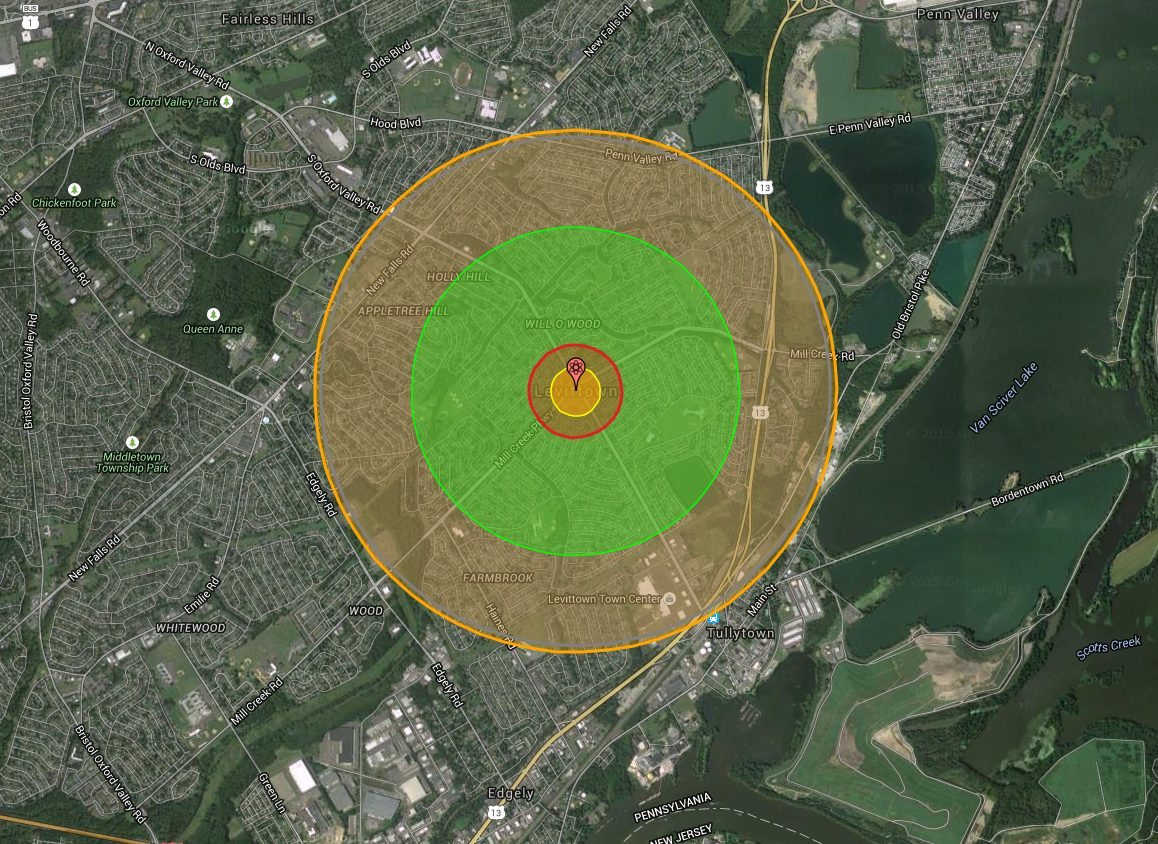
Within seconds of the device exploding above Levittown, a large fireball would engulf the intersection. The fireball would be so hot that unfortunately people in the area would die instantly and their remains would boil, buildings would crumble and the water in bird baths would vaporize.
Advertisements
The fireball from a 15-kiloton bomb at the intersection of Levittown and Mill Creek parkways would likely completely destroy the surrounding neighborhoods . Effects from radiation and third-degree flash burns would be more widespread and kill the largest amount of people.
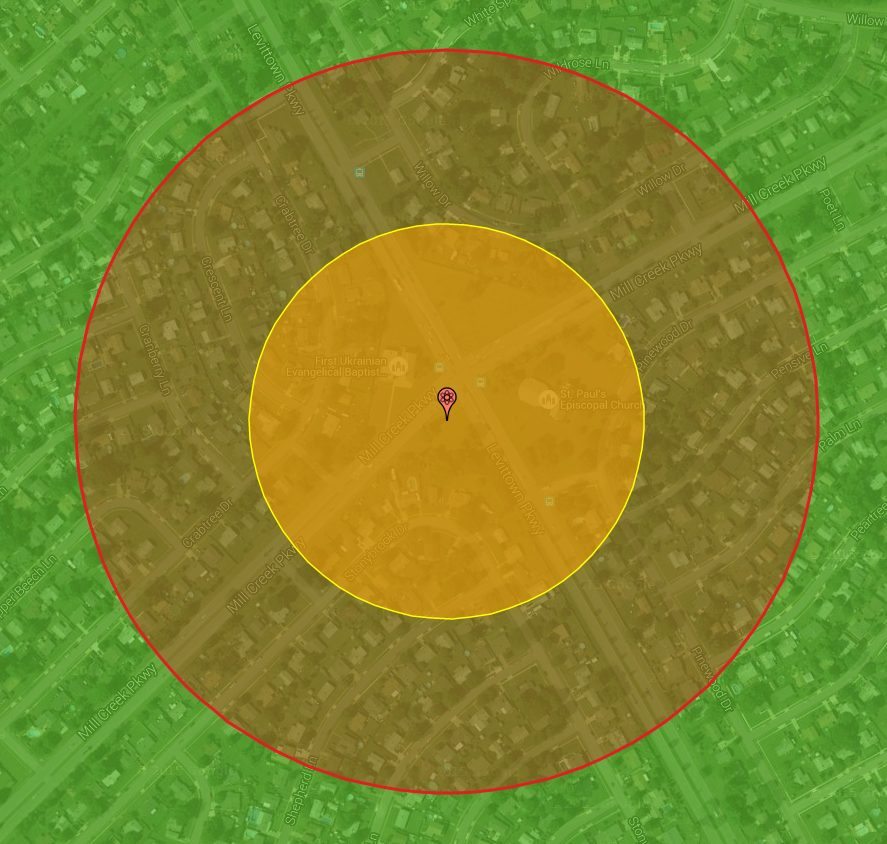
The third-degree burns from thermal radiation from the blast would maim or kill anyone exposed to the flash from the bomb within a 5 minute radius.
Advertisements
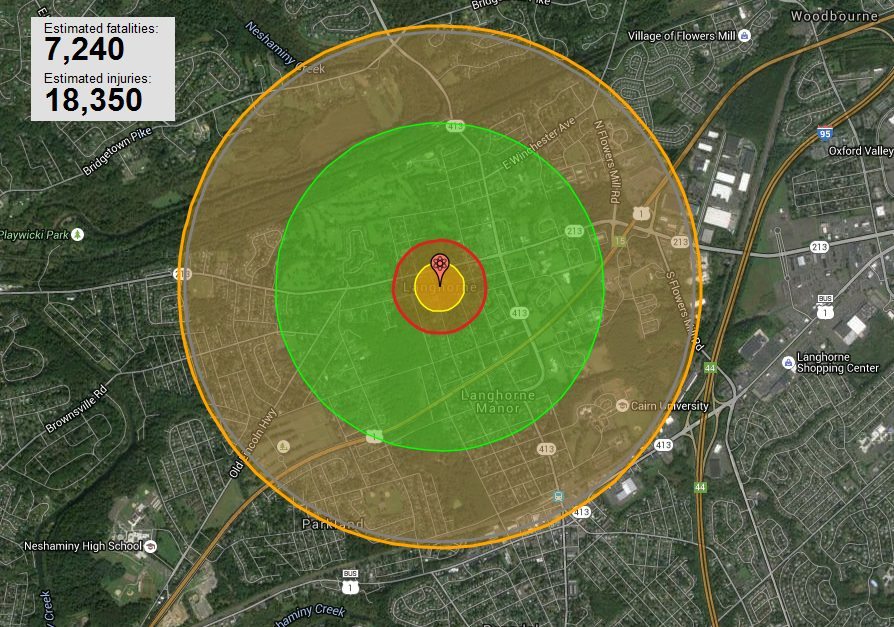
The fatalities in the blast zone would be over 10,000 and the estimated injuries would total more than 20,800, according to the Nuke Map. Those numbers are not counting the fact that radiation would contaminate the Delaware River and travel in with the winds. Also, long-term radiation sickness deaths are not totaled in.
While a large amount of nuclear devices have been tested by several different nations, the attacks on Hiroshima and Nagasaki remain the only tactical nuclear strikes is history. The power of the bombs, which only increased after the strikes on Japan, and their effect on civilians have caused government leaders around the world to evaluate the practical use of nuclear weapons.
With almost 16,000 nuclear devices in existence, the threat of a nuclear attack or accidental detonation remains real.
Advertisements

