


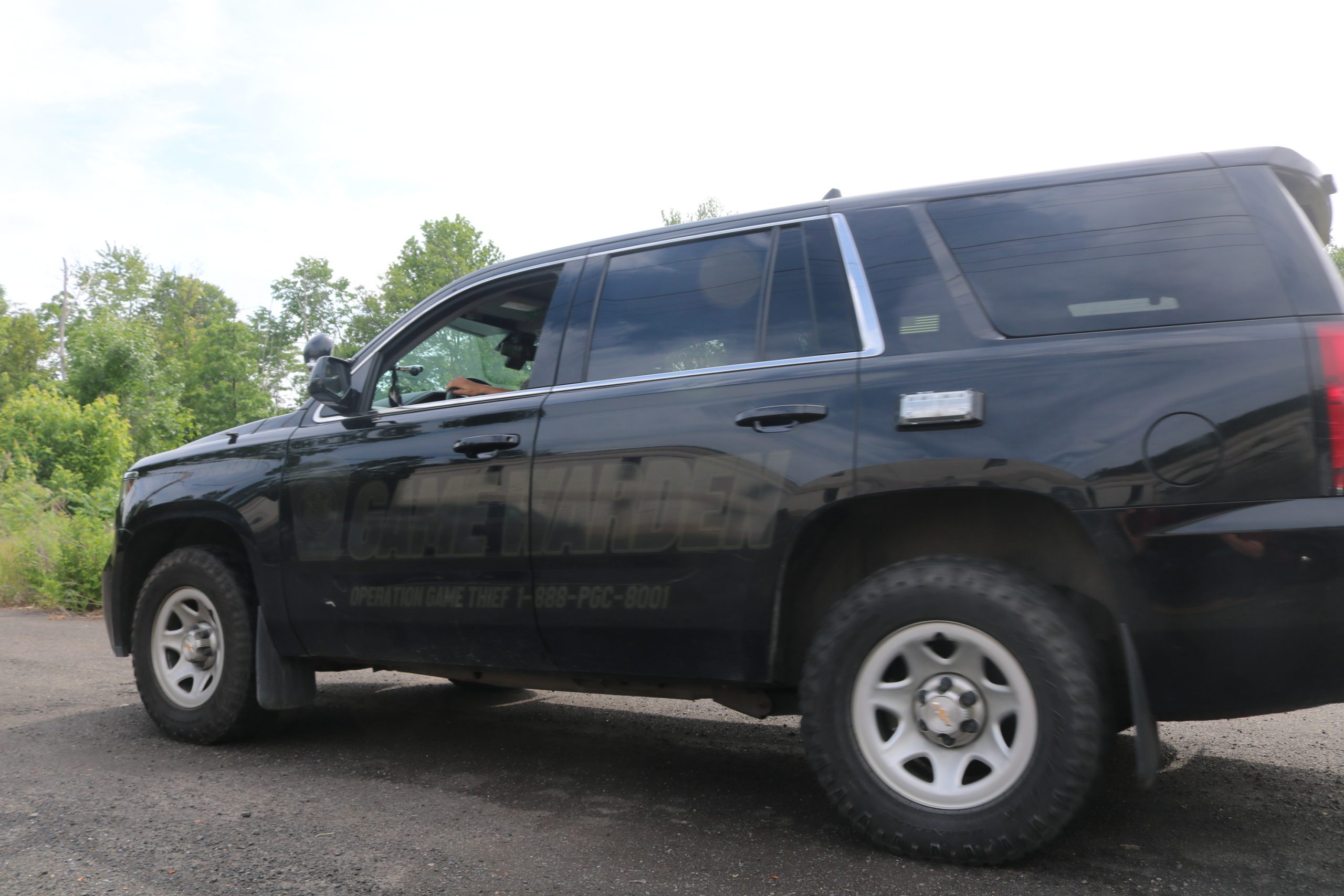
Credit: Tom Sofield/LevittownNow.com
The Pennsylvania Game Commission is ending its deputy game warden program after 123 years of relying on part-time and volunteer officers to assist in patrolling the state’s forests.
Advertisements
Col. Richard O. Danley Jr., director of the commission’s Bureau of Law Enforcement, announced the decision Wednesday in an internal email, PennLive.com reported.
The program, which was established in 1903, will officially end Sept. 1, with deputies required to surrender all state-issued equipment by Oct. 1.
The commission is run by appointed officials and was created in 1895 to manage and protect wildlife and their habitats while promoting hunting and trapping across the state.
The shutdown leaves 155 full-time game wardens to carry out conservation and law enforcement duties without the support of 145 deputies, according to figures from the commission’s 2024-2025 annual report.
Advertisements
The deputy force has shrunk sharply in recent years. Annual legislative reports reviewed by this news organization show that the agency had 400 deputies in 2015.
John Buffone, press secretary for the commission, said in a written statement to Central Pennsylvania TV station Fox 43 that the move aligns with efforts to build the “most efficient and effective full-time, professional workforce.”
Advertisements
“The Commission is deeply grateful to the committed individuals that volunteered and served as deputy wardens, providing valuable services to the agency and to the people of Pennsylvania,” Buffone said. “The PGC is unwavering in its obligation to serve as the guardian of state wildlife resources for all citizens.”
Recruited by full-time officers on an as-needed basis, deputies underwent a ride-along evaluation period before applying.
Once appointed, the deputies were tasked with assisting with enforcing hunting and trapping laws, handling nuisance wildlife, conducting patrols, responding to emergencies, helping outside agencies, and teaching hunter-trapper safety and educational programs.
Advertisements
The agency equips each deputy with roughly $10,000 in gear and apparel, including dress and utility uniforms, body armor, a Glock service pistol, a portable radio, an iPhone, and a command jacket.
Deputies were also compensated $100 per day, according to a state webpage that was removed by Thursday.
The agency added 17 new deputies who completed basic training at the Ross Leffler School of Conservation last year, according to a state report.
Advertisements
In the 2024-2025 fiscal year, wardens issued 6,314 warnings and filed more than 6,000 charges. The charges resulted in just over 5,000 successful prosecutions.
Members of the deputy force reacted to the sudden end to the century-old program.
Advertisements
“It kind of hurts,” Gary Fisher, an 18-year deputy game warden, told Harrisburg TV station ABC 27. “We devoted all this time and we’ve spent our own monies to buy the stuff that the agency would not provide us at the time. And we got a lot of money invested in being wardens. I got interested by a former deputy that retired. He’s the reason why I got in at the time. And I love doing it. I mean, if I didn’t love it, I wouldn’t have stuck it out for as long as I did.”
Others warned that shrinking manpower will affect operations in the field.
Advertisements
“I think the impact is going to be huge. I think you’re going to see the wardens having longer response times now,” Deputy Game Warden Jake Clevenger told ABC 27. “So, when somebody does call the game commission for a nuisance animal or some type of a violation, they’re going to have to prioritize. And it’s not going to be a quick response.”
The decision comes after a Pennsylvania Supreme Court ruling that overturned a lower court decision requiring wardens to secure search warrants before entering fenced or posted private property. It is unclear if the decision played a role.
For fiscal year 2024-2025, the commission reported $239.1 million in revenue, $260.8 million in expenditures, and a fund balance of $504.3 million.

