



Credit: PA Internet News Service
Eileen Miller spent 16 years waiting for June 5.
On Friday, Pennsylvania State Police and local law enforcement will officially stop issuing warnings and begin fining drivers caught holding their cellphones as part of the state’s new hands-free law.
Advertisements
For Miller, the implementation of the enforcement portion of the law is the culmination of a promise made in the wreckage of a Poconos highway crash.
“I went to my son’s head and I whispered in his ear that I didn’t know what caused the crash at that time, but I will find out,” Miller said Tuesday. “And when I do, I will fight for change.”
Her son, Paul Miller, was killed on July 5, 2010, when an erratic semi-truck driver traveling 69 mph in a 45 mph work zone crossed two lanes and struck his vehicle head-on. Investigators later revealed the driver had been distracted by grabbing for his cell phone.
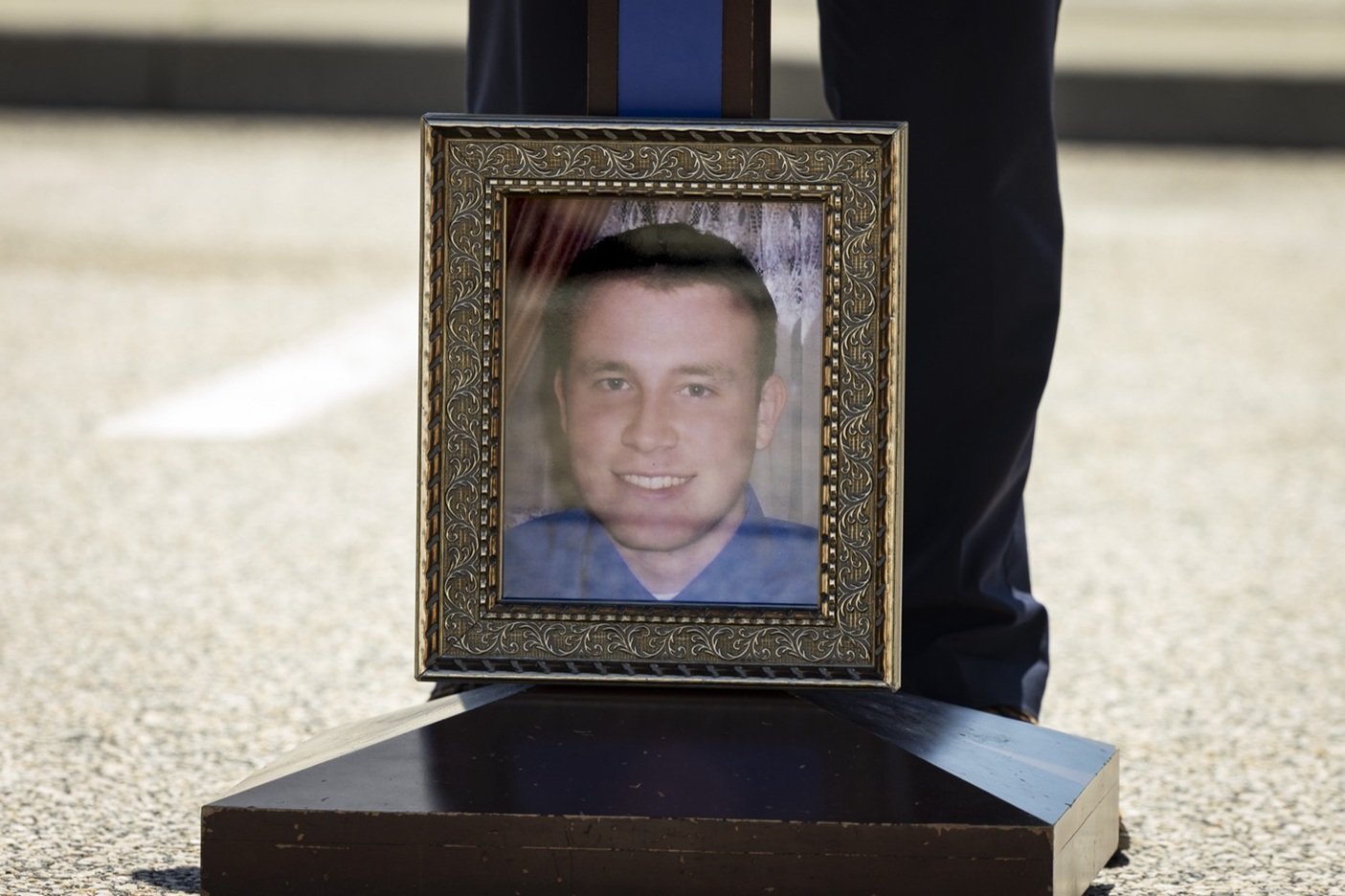
Credit: PA Internet News Service
Advertisements
“It took one second for somebody to take their eyes off the road. And my son was killed,” Miller said. “My son did not have to die that day … But some of these unsafe choices killed him.”
Now, his name is attached to the state’s newest traffic safety law.
Advertisements
Gov. Josh Shapiro signed the legislation named after Paul Miller into law in 2024.
The law took effect last June, but it included a one-year grace period where police could only issue warnings.
That grace period ends Friday.
The law carries a $50 fine plus court costs and fees for anyone holding, supporting, or manually operating a cellphone or interactive mobile device while driving.
The ban applies even when motorists are temporarily stopped in traffic or at red lights.
Advertisements
Pennsylvania banned texting while driving in 2012, but other cellphone uses remained legal.
The legislation closes those loopholes but allows for hands-free technology for calls or GPS navigation. It also permits handheld use to alert authorities in an emergency.
Advertisements
For the most severe cases, the law includes a sentencing enhancement that can add up to five years to a prison term for drivers convicted of homicide by vehicle while driving distracted.
The start of enforcement comes alongside a busy summer travel season. Pennsylvania is preparing to host a trifecta of major national events, including the FIFA World Cup, the Major League Baseball All-Star Game, and America’s 250th anniversary celebrations.
Advertisements
Transportation officials from PennDOT, the Pennsylvania State Police, and the Pennsylvania Turnpike Commission gathered Tuesday in Lebanon County to launch a coordinated summer safety campaign ahead of the influx of visitors.
“With Pennsylvania poised to become the center of America’s biggest moments this summer, it’s more important than ever to drive safely,” said PennDOT Secretary Mike Carroll. “Pennsylvania is expecting millions of visitors, and many will drive, which is why we all must do our part to encourage safety this summer, and all year.”

Credit: Tom Sofield/LevittownNow.com
Advertisements
The Pennsylvania Turnpike expects more than 58 million travelers between Memorial Day and Labor Day.
“We see the safety benefits from open road tolling,” said Turnpike CEO Mark Compton. “But what you’re experiencing in the eastern part is construction around the interchange ramps.”
State police data from the 2025 summer travel season revealed that troopers responded to 19,715 traffic crashes, resulting in 4,725 injuries and 151 fatalities.
Advertisements
Distracted driving caused 2,350 of those crashes, while 960 were linked to impaired driving. Last year, distracted driving claimed 54 lives statewide.
“This law is about saving lives. It is not about citations,” Carroll said. “That’s 54 people who died in crashes that could have and should have been prevented.”
Advertisements
State police Major Thomas Hartline noted that troopers will be stopping violators of Paul Miller’s Law and other statutes related to driving.
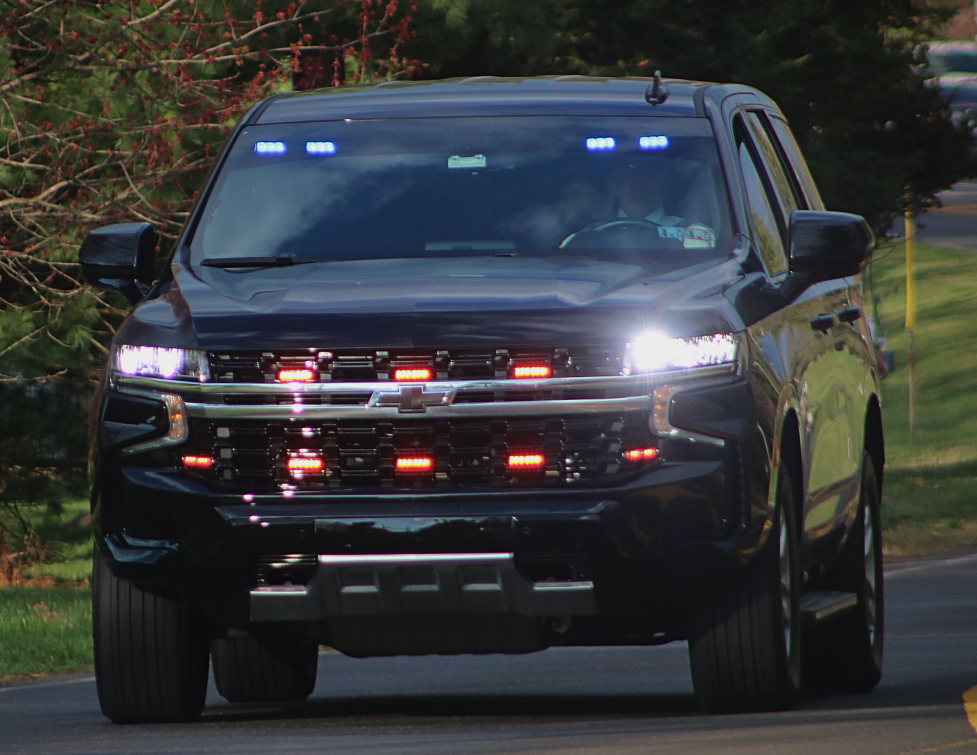
“Starting June 5, drivers in Pennsylvania may be stopped and cited for violating Paul Miller’s law,” Hartline said. “The Pennsylvania State Police will be actively enforcing this law as part of our summer traffic safety enforcement efforts.”
The enforcement push will also target speeders and impaired drivers.
Advertisements
Speeding-related crashes killed 168 people in the state last year, and aggressive driving fatalities have surged by more than 30 percent since 2020.
Additionally, a statewide anti-DUI campaign will run from June 15 through July 5 to combat impaired driving, which caused more than 2,000 crashes, 85 deaths, and 1,500 injuries last summer.
According to Nate Pigott, director of marketing for AAA, distracted driving accounts for 60 percent of all teen crashes.
Advertisements
Furthermore, AAA’s review of crash data shows that more than 30 percent of all fatal crashes involving teenage drivers occur during the summer months. In a single recent year, summer crashes involving a teen driver claimed 825 lives.
Credit: Submitted
Officials are asking drivers to return to basic safety habits, including wearing seat belts.
Throughout the summer, state police plan to use high-visibility patrols, sobriety checkpoints, and an increased presence in work zones.
Troopers will also enforce the state’s Move Over Law, which requires drivers to slow down or change lanes when passing emergency vehicles.
Advertisements
For Eileen Miller, the true measure of the law’s success will not be in the number of tickets written or checkpoints carried out by police, but it will be found in a shift in drivers’ actions while behind the wheel.
“Enforcement matters. But that does not change the culture,” Miller said. “My hope is that this law creates awareness, changes our behavior. We need a huge swing in our culture of the way we treat people, of the way we drive.”

