


Middletown Township officials are evaluating a proposal from the Environmental Advisory Council to ban single-use plastics.
The recommendation was presented as a recent policy discussion at the March Middletown Township Board of Supervisors meeting.
Advertisements
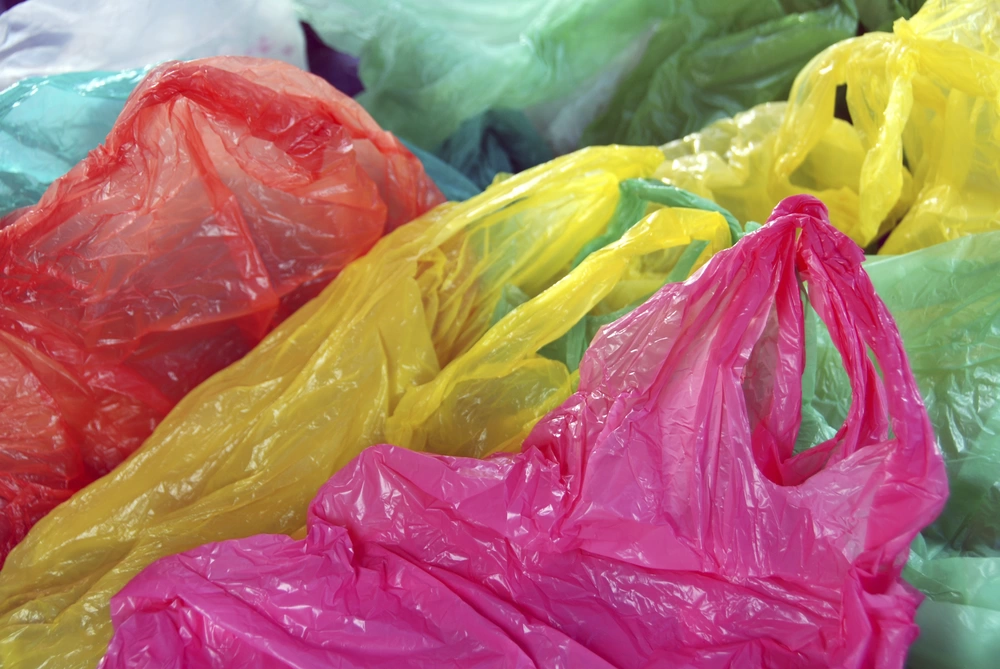
The council suggested phasing out plastic bags, polystyrene food containers, and single-use utensils.
If an ordinance is approved and adopted, Middletown Township would join 40 Pennsylvania municipalities with similar measures, including neighbors Newtown Borough and Newtown Township.
The proposal came from the township’s 2021 Climate Action Plan, which prioritized plastic waste reduction.
Advertisements
According to Environmental Advisory Council research, Middletown Township residents generate roughly 4,000 tons of plastic waste annually.
“Single-use plastics are used for minutes but persist for centuries,” said Environmental Advisory Council member Kevin Deeney.
Deeney cited studies from Penn Environment and the U.S. Geological Survey that found microplastics in every sample taken from more than 50 regional lakes and streams.
Advertisements
Deeney noted that drinking water intakes drawing from surface water, including on the Delaware River or Neshaminy Creek, were not designed to filter out plastic particles.
The Environmental Advisory Council spent two years researching ordinances and looked at data that found that microplastics have been detected in human bloodstreams and organs, including the brain.
“We know that the waste will be around for a long time,” Deeney said. “What we don’t yet know is what all of the health impacts of that will be.”
Advertisements
According to the Environmental Advisory Council, plastic bags are Identified as a primary target because they cannot be recycled through the township’s waste management system and often litter parks and waterways.
Polystyrene, which is commonly known as Styrofoam, containers are not accepted for recycling and typically end up in landfills or as litter.
Single-use utensils, including straws, stirrers, and cutlery, are what Deeney described as items “used for literally minutes and then tossed.”
Advertisements
The township’s twice-yearly cleanup efforts regularly collect plastic waste from parks, roadways, and storm drains.
During the county’s Lake Luxembourg’s conservation project a few years back, crews removed accumulated plastic products that had settled in the lake bed and surrounding areas over decades.
“We pull it out of storm drains, we pull it off the side of the roads, we load up the plastic bags, and they’re hauled away and ultimately landfilled or incinerated,” Deeney explained.
Advertisements
Environmental Advisory Council Chairperson Lauren Lareau pointed to a study published in the journal Science which found that plastic bag policies lead to a 25 percent to 47 percent reduction of those bags in the environment.
Public comment on the proposal was mixed.
Resident Mike Morris, who initially wasn’t a fan of single-use plastic bans at stores, spoke in favor of the measure, noting the importance of public education.
Advertisements
“If we can put a dent in this, we can be part of the leading crowd,” Morris said. “Ban it with education behind you, and then the public will support you.”
Resident Lance Eggers questioned the local impact of the ban and raised concerns regarding individual decision making and environmental trade-offs, including the energy required to produce paper alternatives.
Advertisements
“Unless we’re going to start controlling other countries, then what Middletown Township does with plastics isn’t going to make a dent in our oceans,” Eggers said.
Township Manager Eden Ratliff said staff must still investigate the impact on local businesses, enforcement mechanisms, and notification processes.
Advertisements
To assist in exploring the topic, the township has secured a fellow from Laos through an International City Management Association program to study the full-cycle impacts of plastic policies at no cost to the municipality, Ratliff said.
The supervisors did not take a vote and will continue reviewing the proposal and gathering data before deciding whether to develop a formal ordinance.

