

Middletown Township residents confronted municipal officials last week over a proposed 2026 spending plan that includes the first major real estate tax hike in sixteen years and a doubled earned income tax rate.
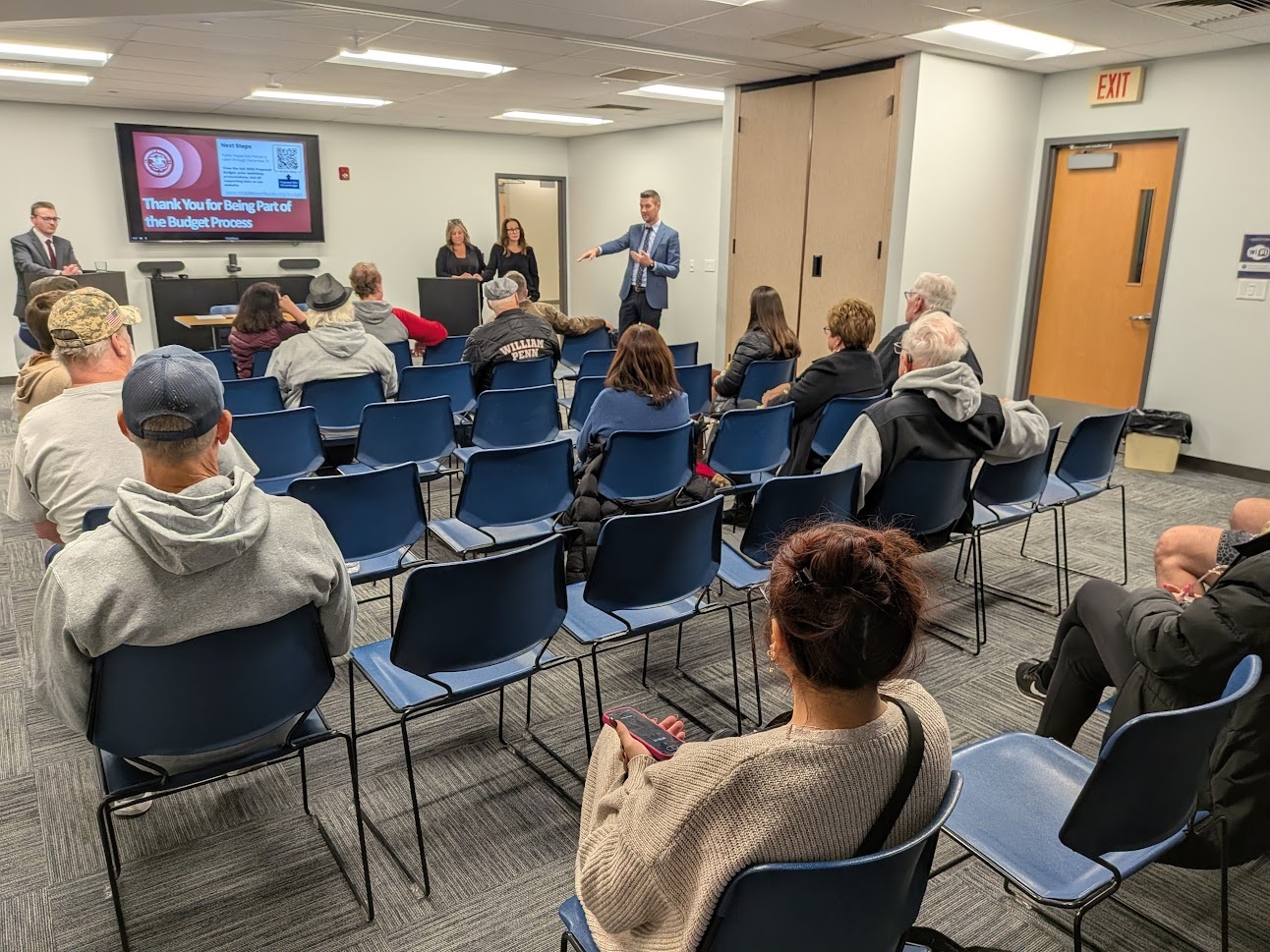
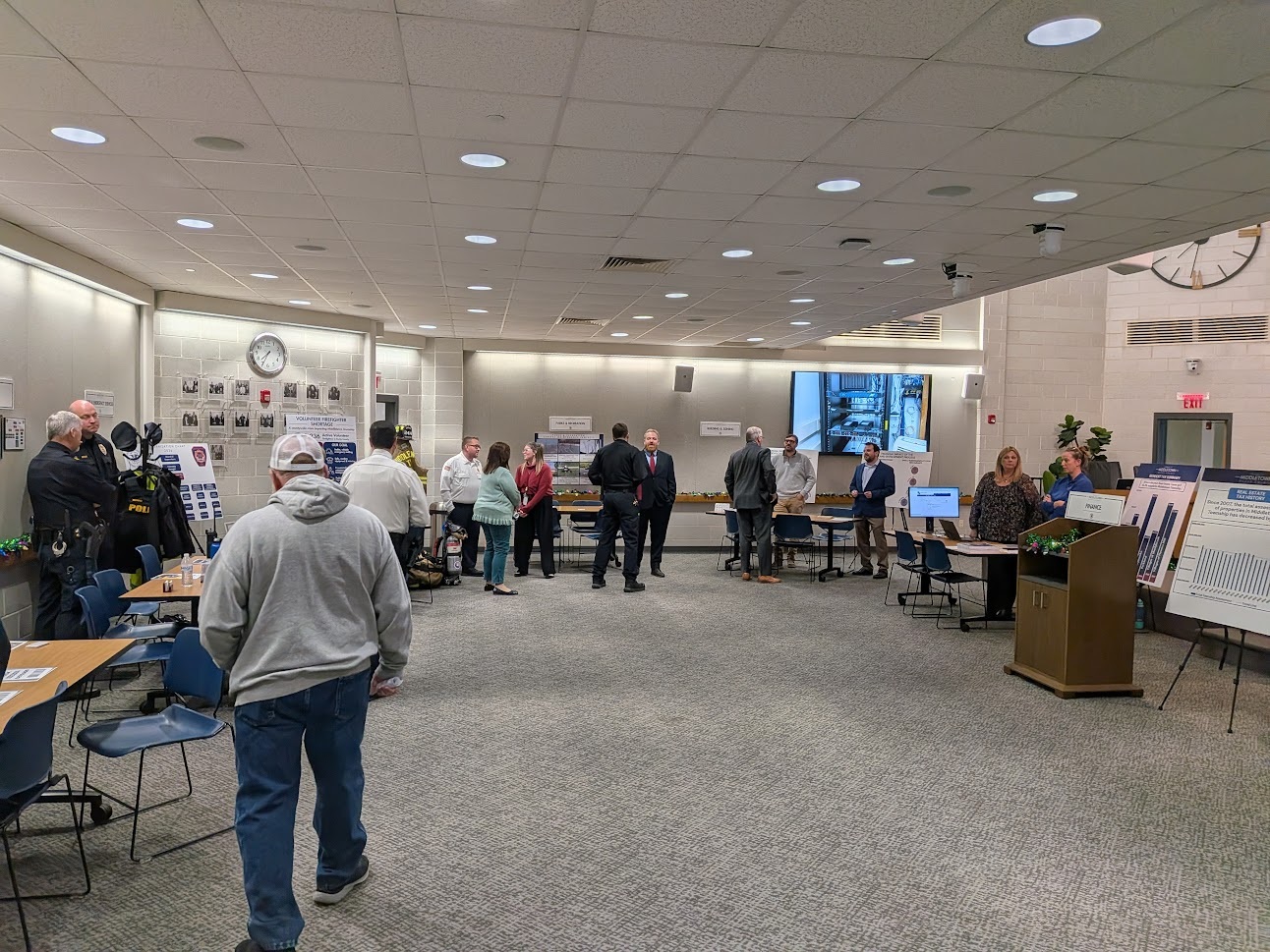
The Thursday evening open house at the Middletown Township Municipal Complex allowed department heads to explain their spending requests and answer questions about the the tax increases to residents.
Advertisements
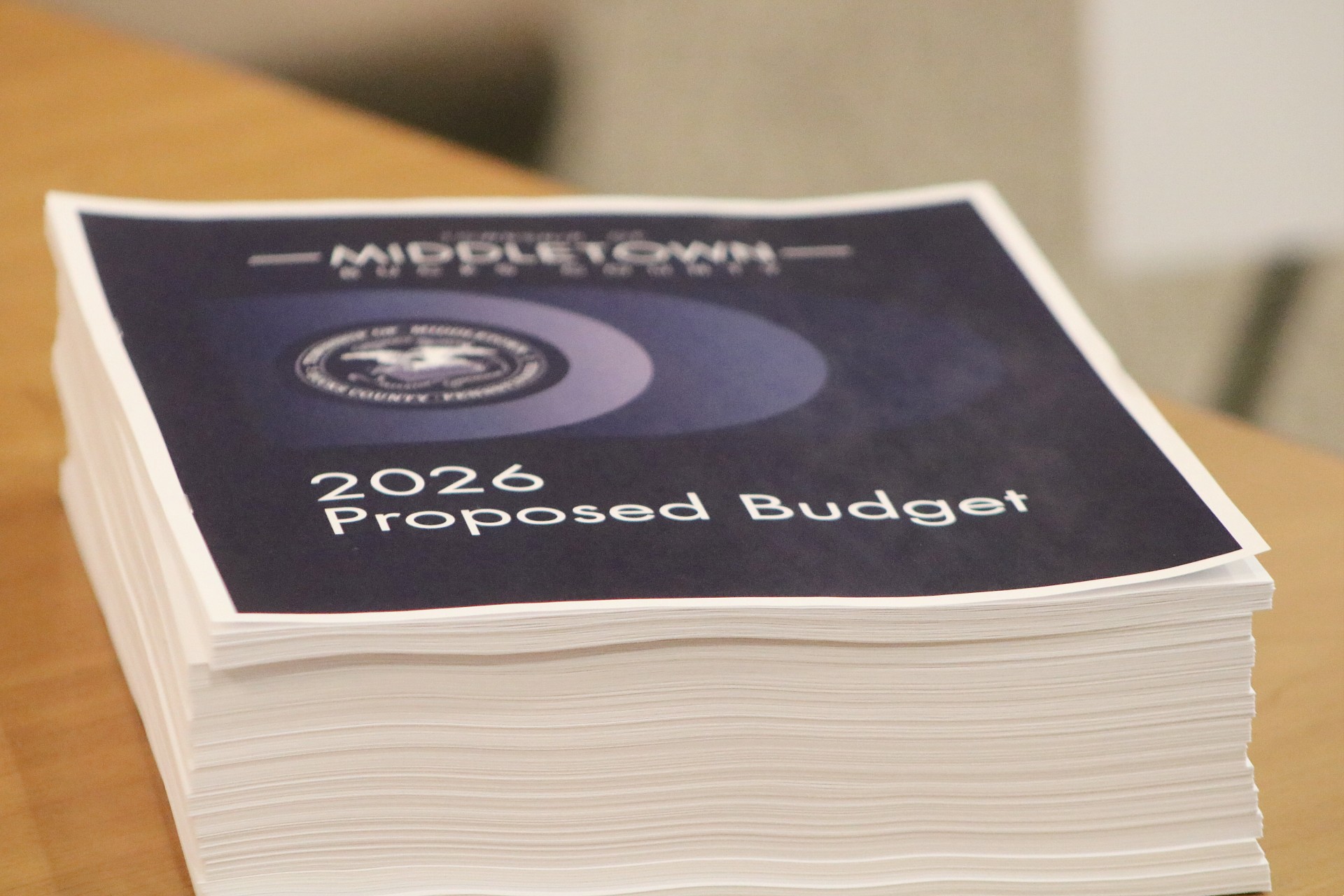
The proposed budget for 2026 stands at $53.1 million for operational expenditures and an additional $5.1 million for capital projects.
The plan calls for a net increase of 6.08 mills in real estate tax across various funds, and it would double the current earned income tax, or EIT, rate from 0.5 percent to 1.0 percent.
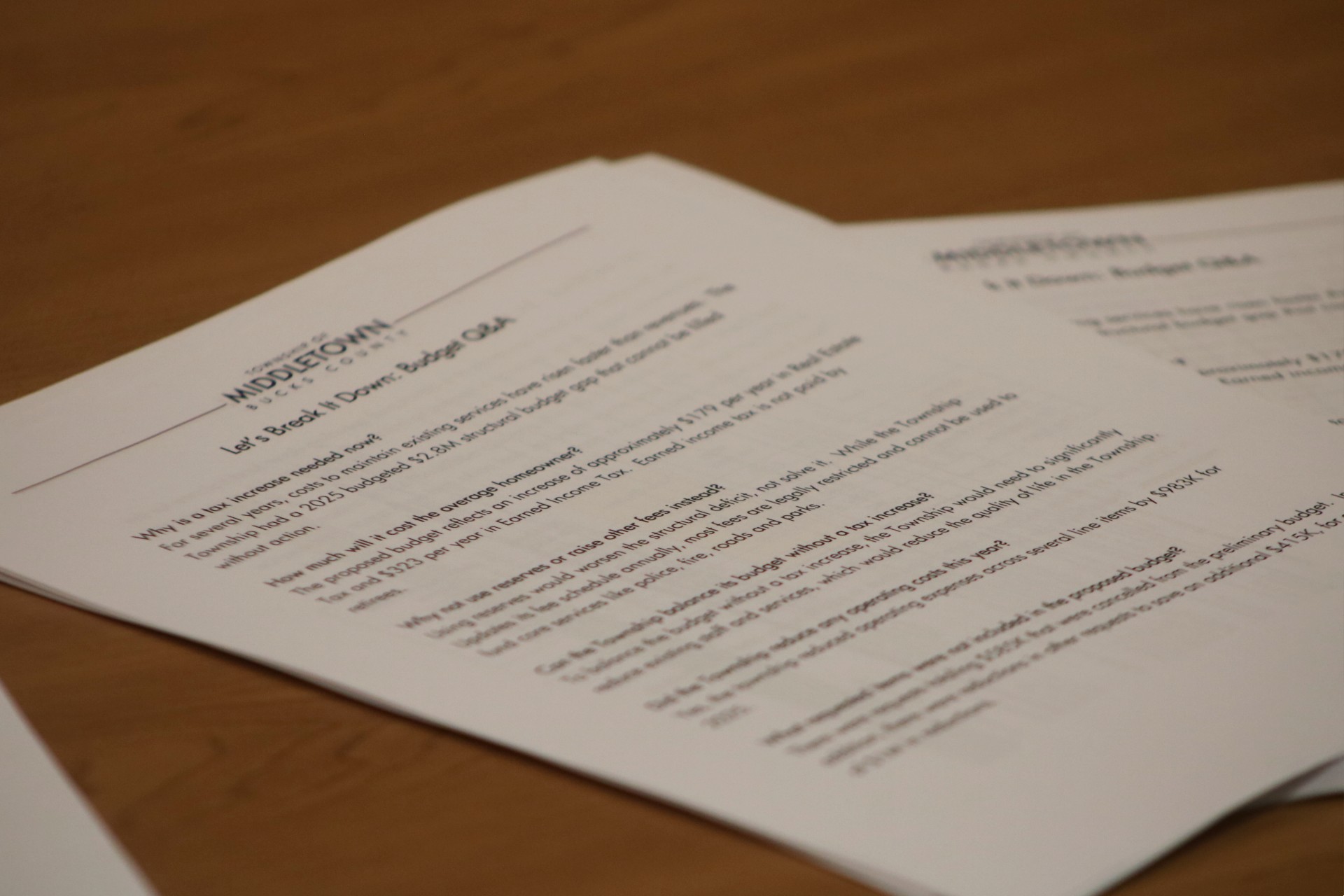
The proposed real estate tax increase translates to an annual hike of roughly $180 for the average homeowner, who currently pays $738 in municipal real estate taxes. The EIT rate doubling would mean an approximate increase of $323 per year for the average taxpayer, who currently pays about $323 annually in EIT.

Advertisements
The increase comes after residents expressed strong opposition on social media following the proposal’s release.
Township Manager Eden Ratliff, who took the job last summer, has held several public budget sessions in the months leading up to the November announcement of the proposed tax hikes.

Ratliff explained the need for the increases and said the township wants to close years of growing structural deficits.
Advertisements
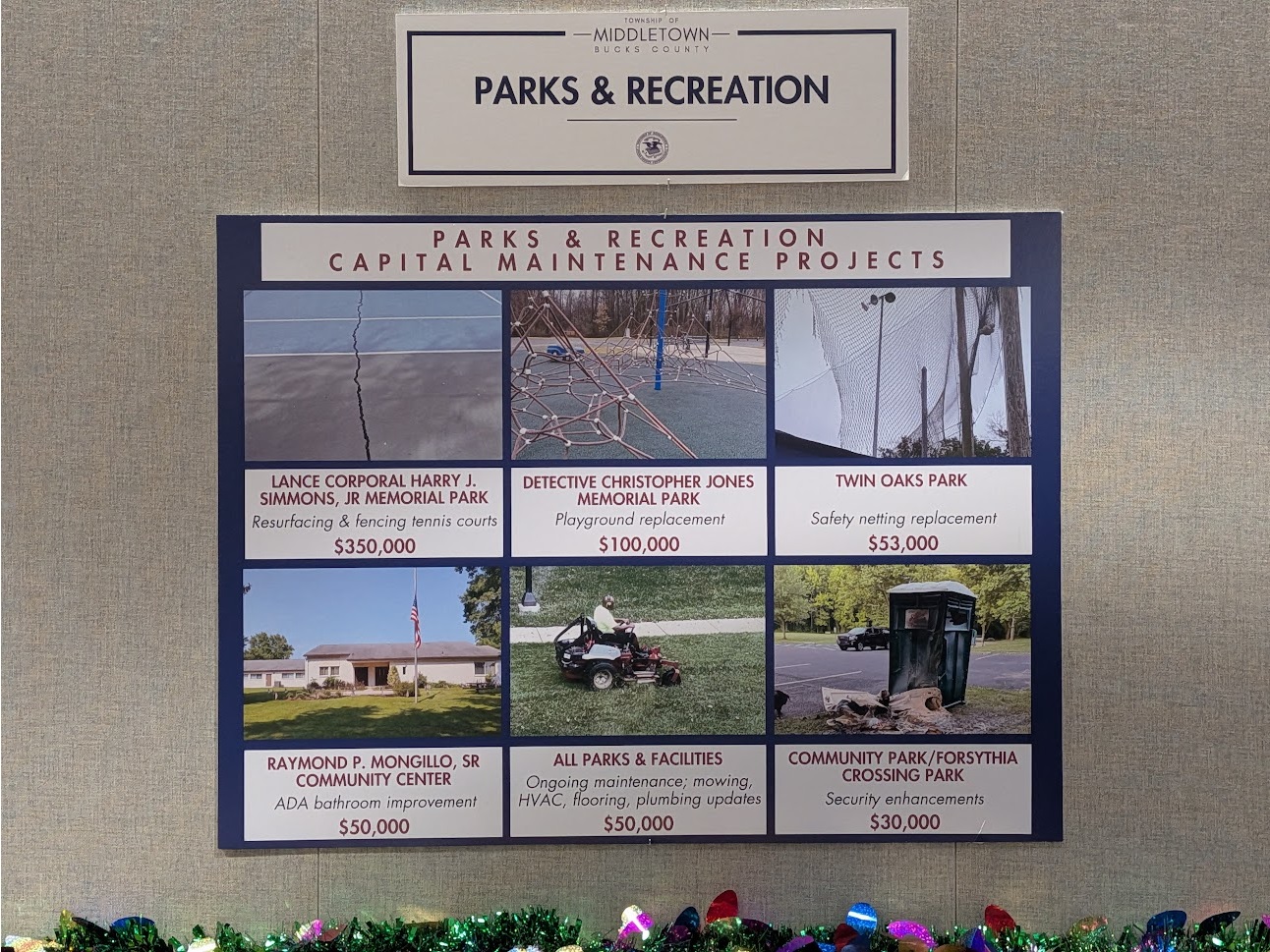
The revenue will help fund the municipality’s largest-ever investment in aging infrastructure, including additional repaving over 2025.
The township has worked to reduce costs, with officials noting that staff cut approximately $1 million from the 2025 budget and denied another $1 million in spending requests for 2026.
Despite those cuts, Ratliff told residents the $2.8 million structural deficit “cannot be filled without action.”
Advertisements
The township manager warned that without additional tax revenue, the township would face significant service reductions, including staff layoffs across all departments, reduced police response beyond emergencies, and the scaling back of maintenance for 800 acres of parks and green spaces.
Middletown Township Board of Supervisors Chairperson Mike Ksiazek echoed the manager’s concerns in a township budget livestream last week, calling the situation “challenging” and necessary to stabilize revenue. He noted that real estate taxes have not been raised in a large way since 2010, even as costs have increased.
The only recent revenue adjustments were a small tax increase for fire protection in 2024, a stormwater fee implemented in 2025, and a $75 increase to the waste hauling fee earlier this year.
Advertisements
If approved by the supervisors, the increase in the EIT rate alone is projected to generate an additional $6.2 million in 2026, leading to total EIT revenue to $16 million.
By 2027, EIT revenue is expected to nearly double to roughly $19 million annually, according to the township’s projections.
Ratliff told residents the numbers are projections and actual revenues could differ.

Credit: Tom Sofield/LevittownNow.com
Advertisements
The township manager noted that many residents already pay a 1 percent EIT, but only 0.5 percent currently goes to Middletown Township, with the remainder going to the municipality where they work, if applicable.
In budget documents, officials argued that the current 0.5 percent EIT rate is tied for the second-lowest among Bucks County townships, and six neighboring municipalities already levy a 1 percent EIT.
Advertisements
The township is also proposing to hire five new full-time equipment operators for expanded stormwater maintenance in the Public Works Department, add one fire services lieutenant, make a part-time information technology job full-time to focus on cybersecurity, and hire a full-time township engineer to reduce outside spending.
When asked about a newly filled $120,000 per year human resources director job, Ratliff said he thinks it was a wise decision.
Advertisements
“I think that will save money,” said Ratliff, adding it will ensuring HR issues are handled properly.
During the open house, which was heated at times, several residents suggested the township should cut employee pay or staffing, with one resident shaking as she spoke out against the tax hike.

Advertisements
Many of the township’s employees, including its police department, are covered by collective bargaining agreements.
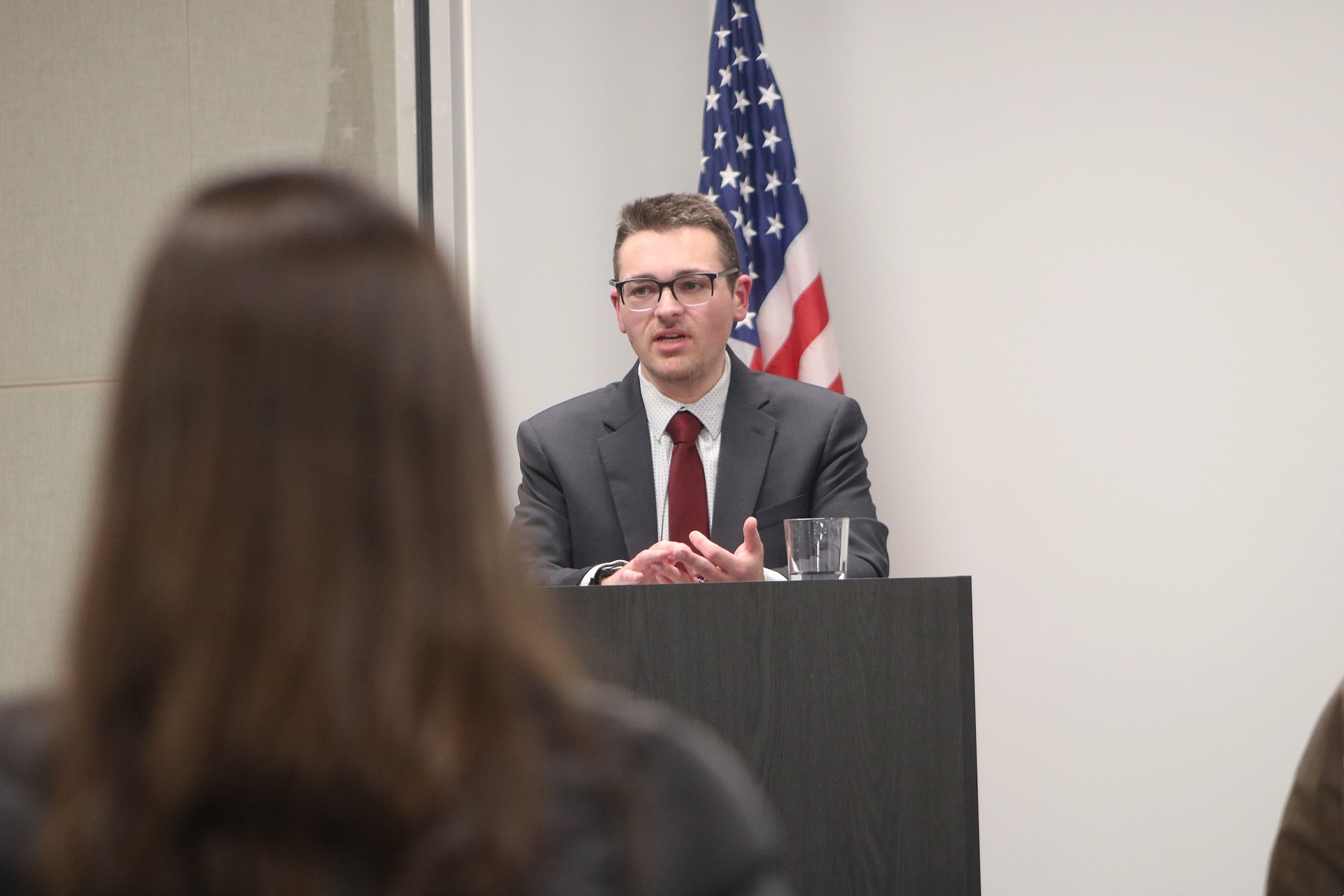
The township has a reserve fund, which Ratliff said is “really smart” financial policy, that requires keeping 25 percent of the general spending in the bank.
Credit: Tom Sofield/LevittownNow.com
Advertisements
According to the administration, pulling money from the $40 million investment account created from the sale of the water system, or from reserves, would only temporarily patch the structural deficit.
The supervisors are scheduled to vote on the budget at the Dec. 15 meeting.
Advertisements
Advertisement

Meet Your Canna Coach: Personalized Guidance, Free for You!