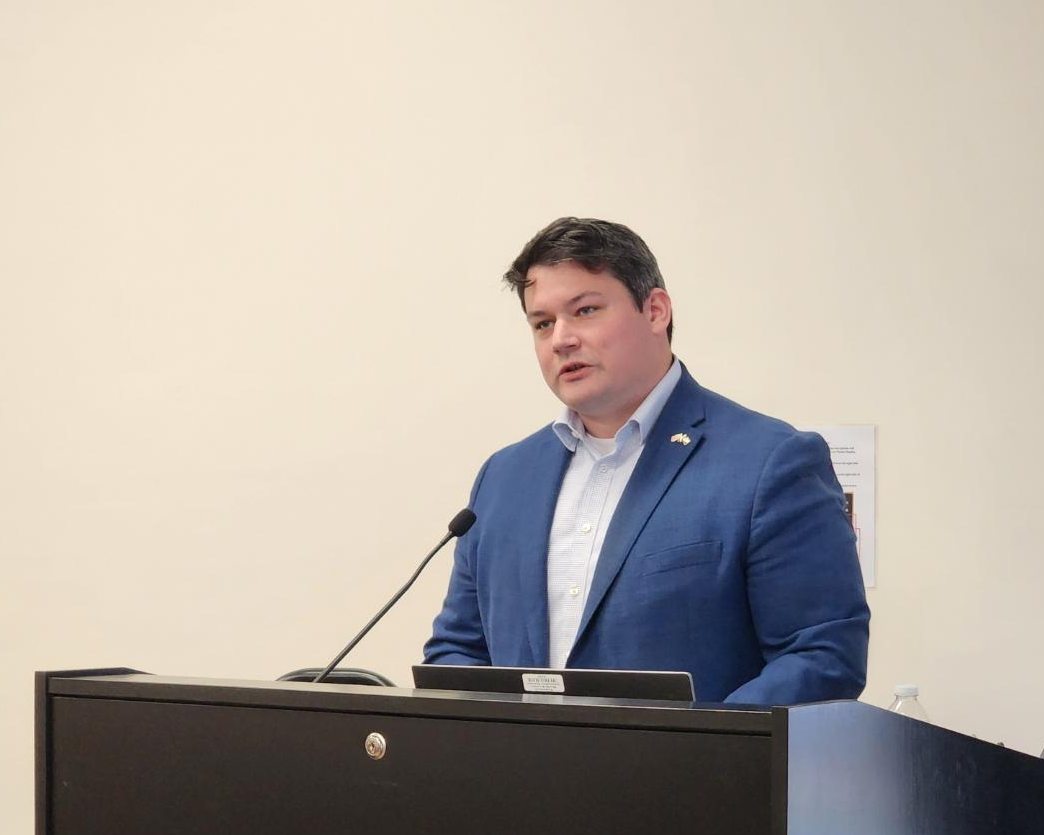
A local lawmaker has introduced legislation aimed at empowering financial institutions to more effectively identify, report, and halt the financial exploitation of seniors and care-dependent individuals.
Advertisements
State Rep. Joe Hogan, a Republican from Middletown Township, has introduced House Bill 2064.
The proposed bill would authorize, but not obligate, financial institutions to report suspected financial exploitation to state investigators. It would allow these institutions and fiduciaries the ability to temporarily halt transactions that are suspected of being exploitative and to take legal action to protect the financial interests of older adults.
Additionally, the legislation aims to facilitate the sharing of information and records between financial institutions, fiduciaries, and county area agencies on aging.
Advertisements
“Like other voluntary reporters to protective services, financial institutions and fiduciaries would be immune from civil or criminal liability when exercising their discretion to report, share records, provide information to Area Agencies on Aging, and temporarily delay financial transactions,” a statement from Hogan’s office said.
“Since taking office, I have heard too many stories of seniors being scammed out of their hard-earned dollars,” said Hogan. “My team and I have worked tirelessly to identify new protection programs and held several events to raise awareness and educate my neighbors about these scams. Now we are looking at legislative solutions. For the last few months, I have worked on this legislation with key stakeholders, and together we are taking a stand against those who prey on our senior population. These increased protections will ensure our seniors, or their caregivers, can live with a sense of security knowing their finances are being protected in Pennsylvania.”
Advertisements
The legislation has gained bipartisan support and co-sponsorship from state representatives K.C. Tomlinson, Kristin Marcell, Shelby Labs, and Craig Staats, all of Bucks County.
Report a correction via email | Editorial standards and policies