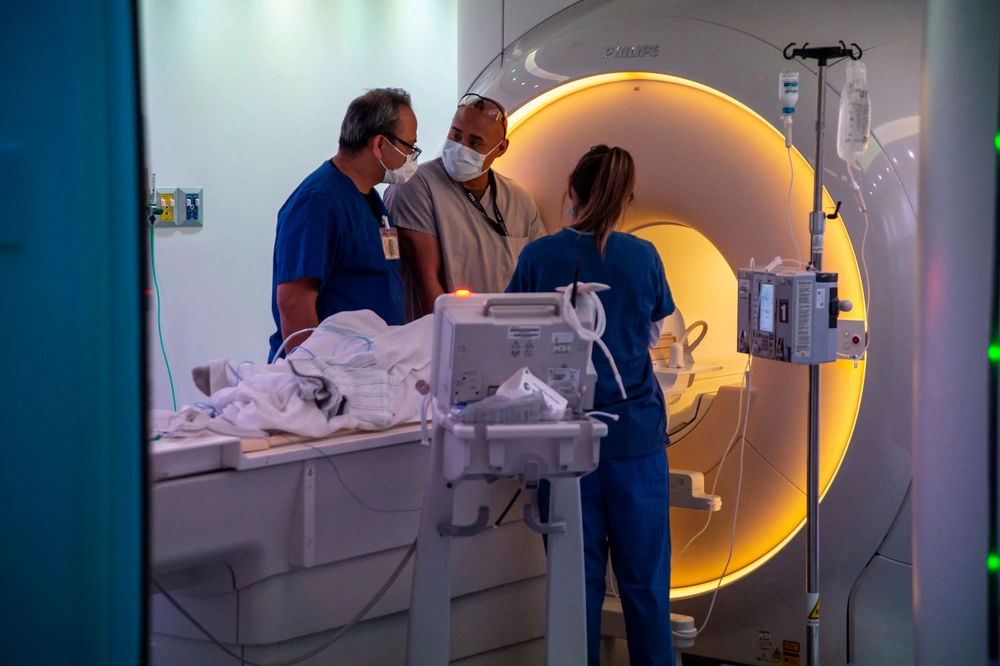
The shortage of medical contrast dye has wreaked havoc with radiologists across the nation. But, in some cases, creativity and innovation allow for “business as usual,” according to some medical professionals.
Two local hospitals – St. Mary Medical Center, and Lower Bucks Hospital – are among those that have adopted different, but equally effective measures to accomplish uninterrupted patient care.
Advertisements
Contrast dye is a substance, ingested or administered intravenously, that allows a radiologist to see and pinpoint, via X-ray, CT scan or MRI, the internal structure of the anatomy, for diagnostic purposes.
The shortage became critical in May when GE announced the COVID-related shutdown of its plant in Shanghai, China, where the dye is made.
The fallout forced many hospitals across the country to limit the use of contrast dye strictly for emergencies, said Suzette Cunicelli, vice president of professional services for Trinity Health Mid-Atlantic, a network of hospitals that includes St. Mary Medical Center.
Advertisements
“The plant is open now, but it takes time to produce the fluids, and further delays are expected because some of the shipping ports are still closed,” she said.
Credit: Tom Sofield/LevittownNow.com
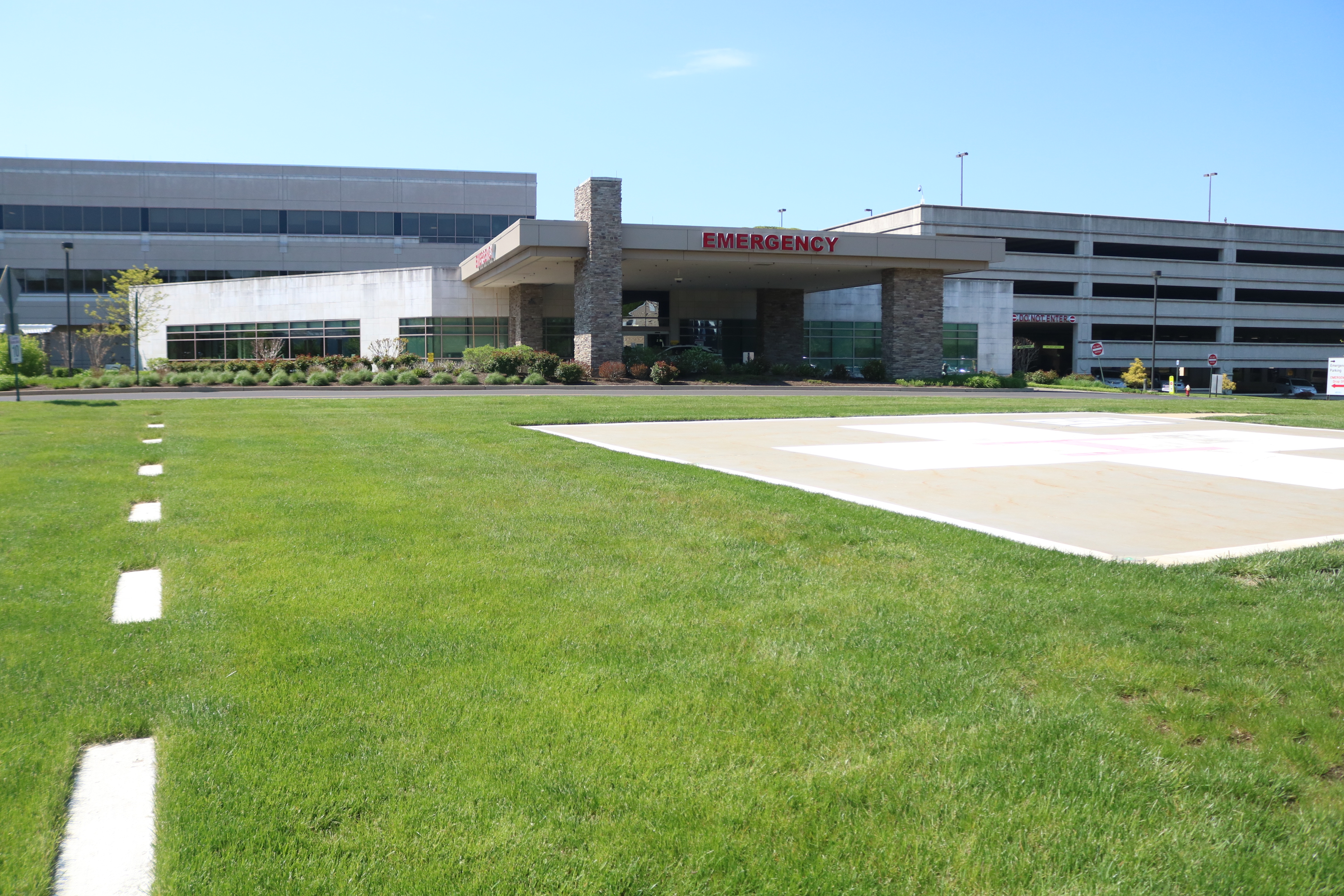
Chief Radiologist at St. Mary, Dr. Robert Novaco, said that procedural shifts and interdepartmental collaboration has, with few exceptions, enabled the medical staff to continue regular schedules.
Advertisements
“We saw this coming, and we’ve been very proactive. We made several changes over the past few weeks,” he said.
And one practice was already in place, that of calculating a patient’s Body Mass Index (BMI) to determine the dosage needed for a scan. This is a departure from most hospitals that use a standard dosage for each scanning, Novaco said.
At St. Mary, medical specialties across the board have made the change and are getting comparable results to the standard.
Advertisements
Cunicelli said that careful monitoring of the program has shown that its scheduling remains “business as usual” in radiology.
“We keep our eye on the ball every single day, and we have not had to turn away a single patient,” Cunicelli said.
Advertisements
Lower Bucks Hospital, is a community hospital in Bristol Township that provides full-service medical facility, and whose campus includes an out-patient surgical center, medical offices, and a Community Health Center (for minor ailments that don’t require Emergency Room treatment).
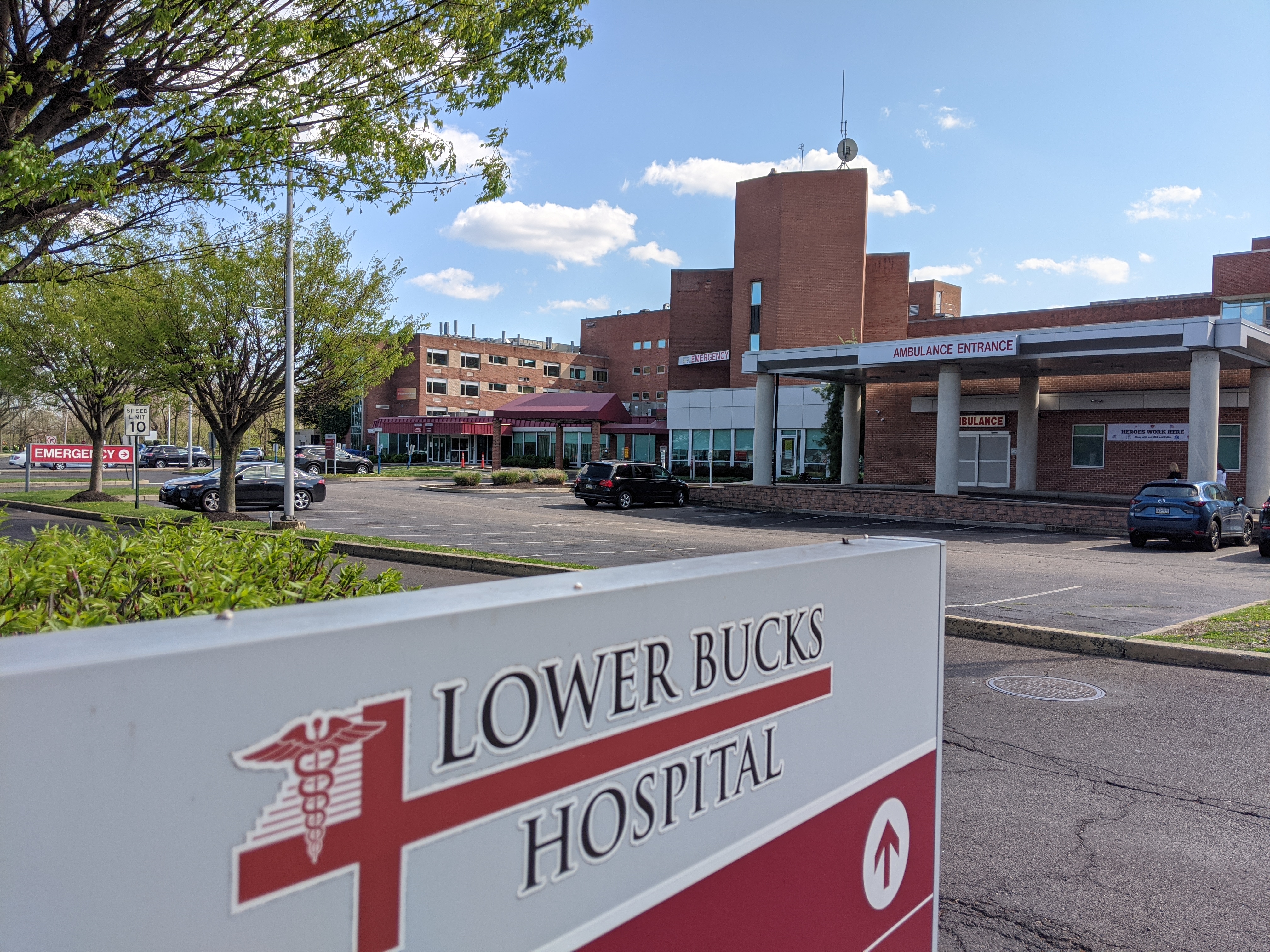
The hospital is part of the Prime Healthcare network, which has 45 hospitals in 14 states. In this region, the network also includes Roxborough Memorial Hospital in Philadelphia, and Suburban Community Hospital in Norristown.
Advertisements
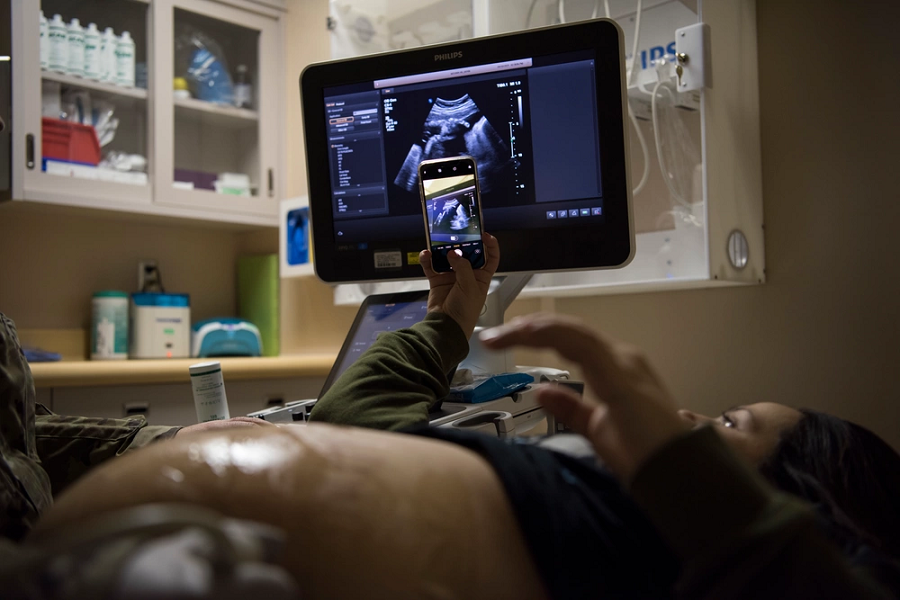
Lower Bucks Hospital is confronting the shortage of contrast fluid by offering diagnostic radiology services with ultrasounds in place of CT scans, said Michelle Aliprantis, hospital spokeswoman.
“Our Diagnostic Imaging Department can utilize our sister hospitals if our supply becomes too low. We will do our best to exhaust all alternative contrast options without compromising care,” Aliprantis said.
Advertisements
She added that the hospital is also committed to keep patients up to date on the issue.
The Federal Drug Administration (FDA) reports that the shortage of contrast materials may not be resolved until September. That timeline spurred the American Hospital Association through the federal government to look at other markets, or even encourage domestic development.
About 50 million imaging procedures are conducted in the U.S. every year.
Advertisements
Report a correction via email | Editorial standards and policies