


By Jessica McKenzie | FairWarning
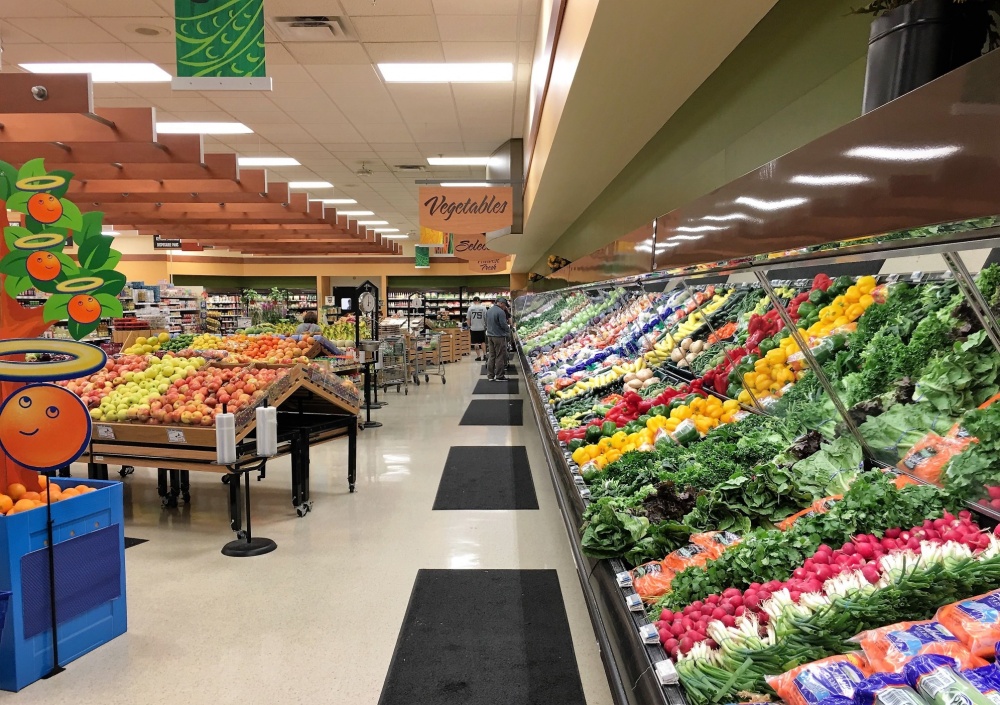
An environmental advocacy group is out with its annual report on pesticide residues on fruits and vegetables. Raisin lovers, take note.
Advertisements
Nearly all conventionally-grown raisins are contaminated by traces of two or more pesticides, according to test data from the U.S. Department of Agriculture cited in Shopper’s Guide to Pesticides in Produce, the report by the Environmental Working Group, based in Washington, D.C. The average sample contained more than 13 pesticides, and one sample tested positive for 26. Even most organic raisins sampled by the USDA tested positive for at least one pesticide. The environmental group recommends that consumers buy organic raisins when possible, or avoid raisins in favor of fresh fruits and vegetables with lower levels of pesticide contamination.
According to the analysis, the 12 items with the most pesticide contamination were, from worst to best: strawberries, spinach, kale, nectarines, apples, grapes, peaches, cherries, pears, tomatoes, celery and potatoes.
The 15 fruits and vegetables with the lowest levels of pesticide contamination were, from best to worst: avocados, sweet corn, pineapple, onions, papaya, frozen sweet peas, eggplants, asparagus, cauliflower, cantaloupes, broccoli, mushrooms, cabbage, honeydew melon and kiwi.
Advertisements
The group acknowledged that most pesticide residues were within government guidelines, and said the USDA test data is from 2018, which the group said are the latest numbers available. Because the USDA does not test every commodity each year, the group said that in some cases it relied on test data going back to the early 2000s.
If processed foods were also considered, raisins would top the list of dirtiest produce, the report said. Some of the pesticides commonly found in raisins—including imidacloprid and bifenthrin, both insecticides, and tebuconazole, a fungicide—are suspected to cause cancer or harm to developing brain, nervous and reproductive systems. The Environmental Working Group said this is worrisome because raisins are a popular children’s snack, citing a marketing study showing that in the U.S. about half of all raisins are consumed by kids under 15.
Advertisements
Nsedu Obot Witherspoon, the executive director of the nonprofit Children’s Environmental Health Network, expressed dismay that parents should even have to worry about pesticides in popular kid snacks like raisins, but said it is difficult to tell parents what to do, especially if their kids love raisins. “I’m not even sure we have organic raisins in my grocery,” Witherspoon told FairWarning.
“These findings don’t change my recommendation that kids eat a wide range of fruits and vegetables, preferring fresh or frozen when possible,” Aparna Bole, who chairs the American Academy of Pediatrics’ Committee on Environmental Health, said in an email to FairWarning.
“I do concur that there hasn’t been a safe level identified for many of these pesticides, and we as a society have a responsibility to take a precautionary, health protecting approach to regulating the use of pesticides and other chemicals,” Bole added.
Advertisements
The Shopper’s Guide based the rankings on such things as the percentages of fruit and vegetable samples with detectable pesticides; with residues of multiple pesticides; and with the highest concentrations of pesticides in parts per million.
The California Raisin Marketing Board and the Sun-Maid Growers of California did not comment on the report, but directed FairWarning to Teresa Thorne, the executive director of the Alliance for Food and Farming, of which both groups are members. The alliance is funded by the agricultural industry, including growers and food processors, distributors and sellers.
Advertisements
“What the USDA pesticide data report actually showed is that the vast majority of raisins, if residues were present at all, were well below safety standards set by the Environmental Protection Agency,” said Thorne, who has criticized the annual shopper’s guide in the past.
“Most pesticide residues… fall below government limits and are legal,” acknowledged Alexis Temkin, a toxicologist with the Environmental Working Group. “But legal limits aren’t always safe,” she said.
Advertisements
The group said it did not want to scare people away from eating fruits and vegetables.
“Our goal is to help consumers figure out which fresh fruits and veggies they should buy organic, and which they can continue to buy conventional with minimal concern,” said toxicologist Thomas Galligan of the Environmental Working Group.”It’s more important that they eat fruits and vegetables than skip fruits and vegetables for fear of pesticides.”
Advertisements
And if you really need your dried fruit fix, the group recommends prunes.
This story was produced by FairWarning (www.fairwarning.org), a nonprofit news organization focused on public health, consumer and environmental issues.

