


Provided by the Pennsylvania Insurance Department:
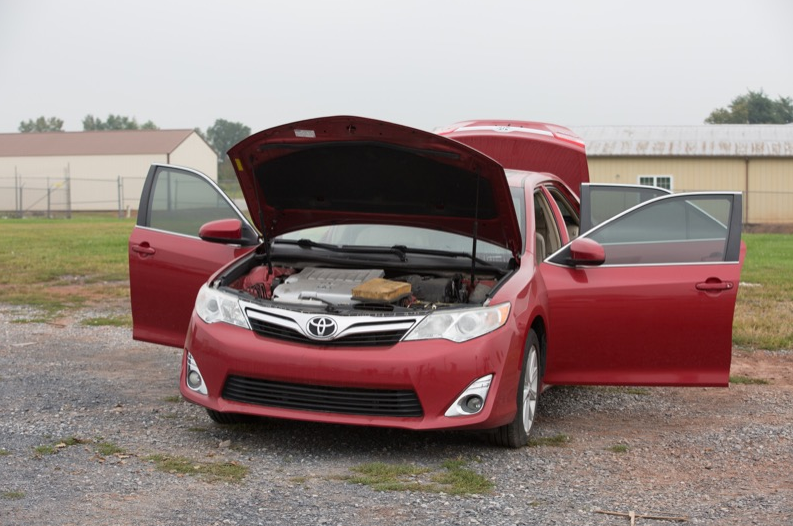
Credit: PA Internet News Service
With automotive officials estimating as many as 500,000 vehicles were damaged by flooding from Hurricane Harvey in Texas and Louisiana, and hundreds of thousands of vehicles likely flooded by Hurricane Irma in Florida, Acting Pennsylvania Insurance Commissioner Jessica Altman and Deputy PennDOT Secretary Kurt Myers this week warned consumers to be on the lookout for flood-damaged cars being sold as undamaged new or used vehicles, and offered tips on how to spot a vehicle that has flood damage. The officials also alerted consumers that flood-damaged vehicles can legally be sold as long as they are titled as such, but owners of these vehicles will likely get lower payments on insurance claims than for non-flood damaged vehicles.
Advertisements
“Vehicles damaged by flooding often have insurance claims filed on them and are reported as a total loss. These vehicles can be issued certificates of salvage from PennDOT and can be re-sold legally, provided the salvage certificate indicates the vehicle has been flood damaged,” Acting Commissioner Altman said. “Unfortunately, after a major flood event, some flood-damaged vehicles are cleaned up and taken out of state and the vehicle is then sold to unsuspecting buyers as new or used but not identified as flood-damaged,” Altman said.
“Car buyers should beware of any deals that seem too good to be true. If you are offered a vehicle for what appears to be a very low price, you can check several areas on the vehicle to see if it may be flood damaged,” Altman said.
The two officials spoke at an auto salvage yard in Adams County, where flood-damaged vehicles often end up, to be dismantled and the undamaged parts sold. They listed things to check for to determine if a vehicle is flood-damaged:
- Water stains, mold, mud or sand under the carpets, seats, floor mats, inside roof cloth and under the dashboard.
- Rusty metal inside the car. The inside of a car does not usually rust.
- Musty odors in the trunk and in the passenger compartment (especially when running the A/C or heat)
- Fog or moisture inside interior and exterior lights and excessive fogging of windows and condensation on windows.
- Mud or grit in the spare tire compartment and under the hood. When checking under the hood, be sure to look under wires, boxes and in hidden areas.
- Brittle wires under the dashboard, speakers and hood.
- Oxidation under the hood. Oxidation on metal can look like white powder or it could even be small holes called pitting.
Advertisements
“Of course, claims information will only show up if the prior owner filed a claim. Consumers should use reputable dealers, and beware of buying from vehicles online at sites such as Craig’s List, where it can be more difficult to check a vehicle’s history,” Altman said. She recommended consumers have any used vehicles or vehicles they may have concerns about be checked by a reputable mechanic or repair facility.
A checklist of items that may indicate a vehicle is flood-damaged is available at www.insurance.pa.gov, by clicking on “Auto” under “Insurance Coverage Resources.”
Advertisements
“Another problem with flood-impacted vehicles is that damage resulting from a flood, such as to the vehicle’s electrical system, often may not surface until months or even years later,” Altman said. “But, because this damage occurred before the consumer bought the car, it will probably not be covered by the consumer’s auto policy.”
Flood-impacted vehicles that have been issued a certificate of salvage are required to undergo an enhanced vehicle safety inspection prior to being issued a title in Pennsylvania. Upon successful completion of the enhanced inspection, a Pennsylvania title will be issued with a Flood or Reconstructed Flood brand.
Knowingly buying a flood damaged car is an option that can be more affordable for consumers, but it is important that those consumers understand the risks and downsides before making that important decision. Consumers buying a vehicle with a salvage certificate or flood title should be aware of possible implications if they file an insurance claim on the vehicle. Even if the vehicle is new if a claim is later filed, the insurance company will research the vehicle history and see the prior claim for flood damage. If the vehicle is deemed to be a total loss, the insurer will likely pay out significantly less than would be paid for a vehicle that did not have flood damage.
Advertisements
Insurers also may not be willing to provide comprehensive and collision coverage on flood-damaged vehicles because the insurer can’t be sure of the vehicle’s value or how complete any repairs are. Getting a loan for a vehicle without full comprehensive and collision coverage is nearly impossible, so consumers would likely have to pay cash for the vehicle.
Consumers can also use the National Insurance Crime Bureau’s VINCheck ® database, to see if the vehicle had a claim for flood or other damage filed,” Altman said. VINCheck is a free public service available at www.nicb.org/vincheck. For used cars, consumers can also check references services such as Carfax.

