


Provided by Bucks County Health Improvement Partnership:
The Bucks County Health Improvement Partnership (BCHIP), a community health collaborative comprised of Bucks County’s six acute care hospitals (Aria Health- Bucks County, Doylestown, Lower Bucks, St. Luke’s Quakertown, St. Mary and Grandview), the Bucks County Department of Health and Bucks County Medical Society have implemented precautions in their facilities in response to the recent increase in influenza (flu) cases throughout Bucks County. Additionally, it is recommended that anyone who is ill or has flu-like symptoms should NOT visit family and friends who are hospitalized, but if it is necessary then masks are strongly encouraged. Each hospital has masks available to visitors at the hospital entrances.
Advertisements
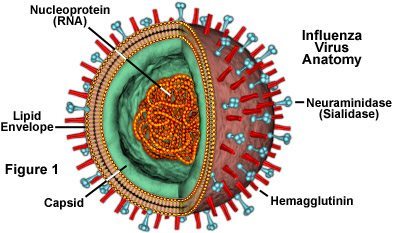
It is important to remember that influenza, more commonly called the flu, is an acute viral infection of the upper respiratory tract and it is spread through small droplets that are released when coughing or sneezing. The flu can be very serious, even deadly, for those at higher risk such as older adults, young children, pregnant woman and people with certain medical conditions.
According to the Centers for Disease Control and Prevention (CDC) report on January 5, 2015, the flu continues to expand its reach in the United States this season, and 43 states are experiencing either high or widespread flu activity, mostly resulting from circulation of drifted H3N2 viruses. Pennsylvania and Bucks County are currently experiencing a widespread increase in the number of flu cases.
The CDC continues to encourage influenza vaccination and prompt treatment with flu antiviral drugs for people at high risk of serious flu complications, including people 65 and older, children younger than 5 years (and especially those younger than 2 years), pregnant women and any person with certain disease conditions.
Advertisements
BCHIP has issued tips for avoiding the spread of the respiratory ailment:
- Wash hands OFTEN and thoroughly with soap
- Cover nose/mouth when coughing or sneezing and WASH HANDS
- If washing is not available, use an alcohol-based sanitizer to cleanse hands
- Minimize time spent in crowded areas
- Stay home from work/school if you exhibit flu-like symptoms

