


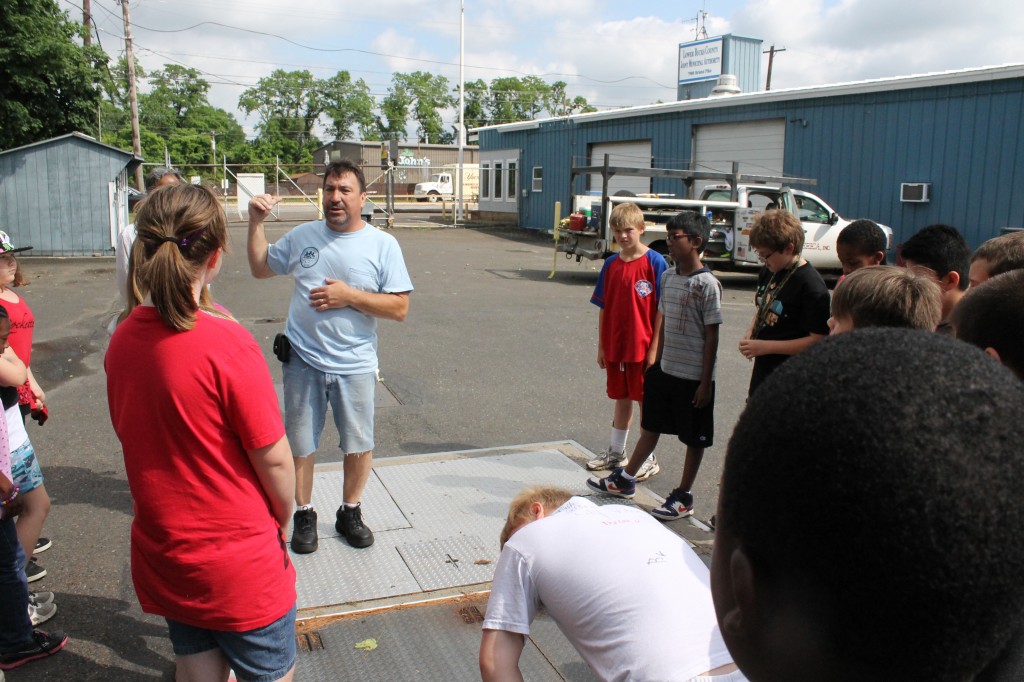
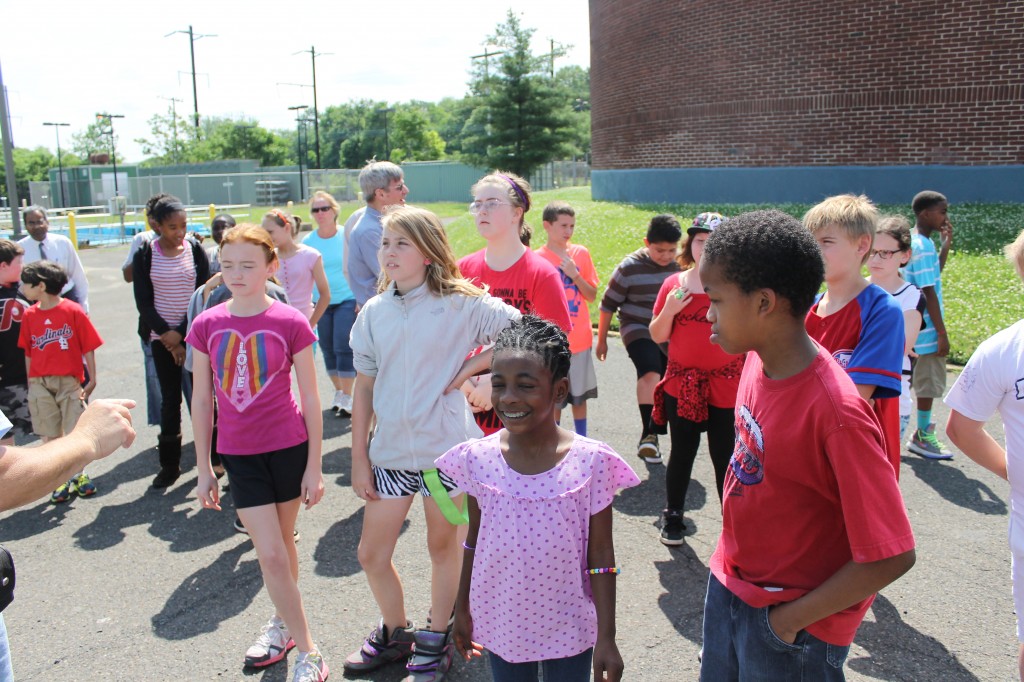
Have you ever wondered where the contents of your toilet go once you flush? Where does the water from your sink go when it disappears down the drain? Students from Fallsington Elementary School had the chance last week to see what happens to the wastewater Levittown produces.
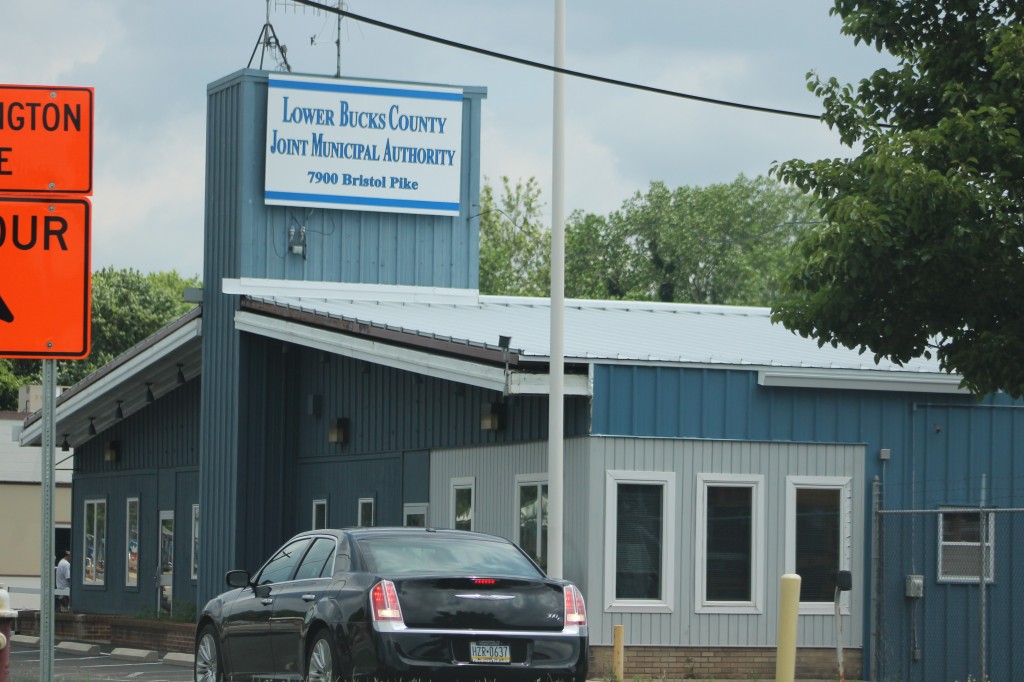
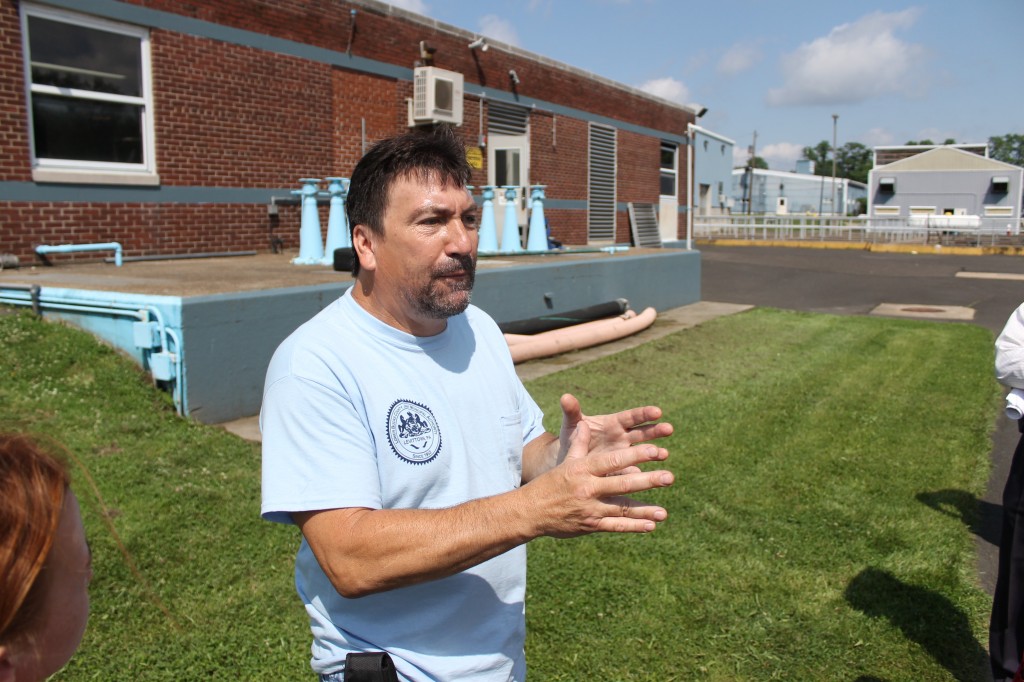
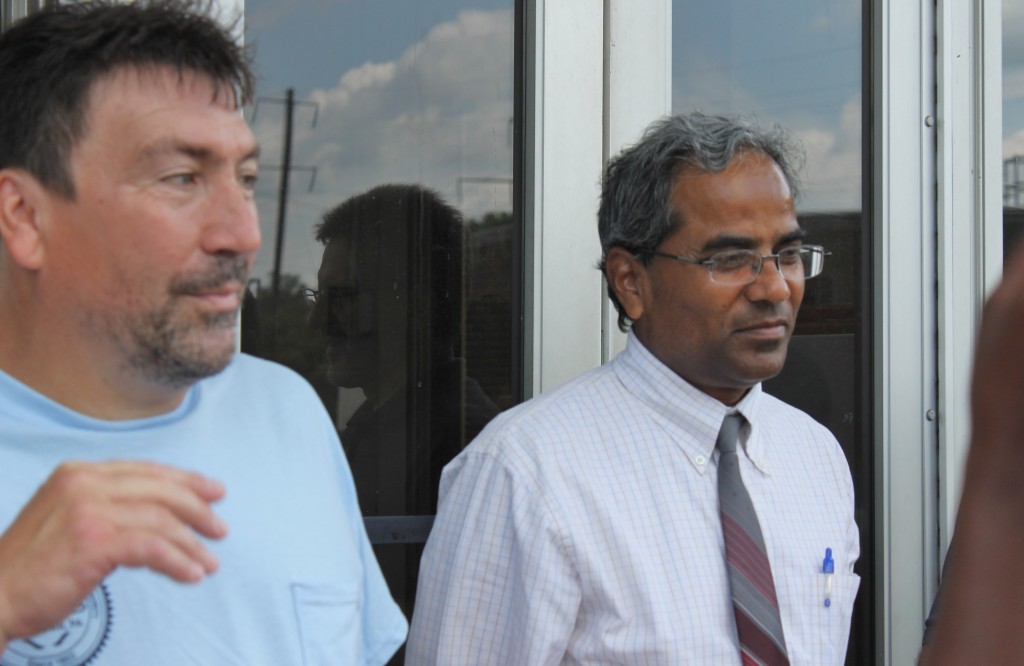
Pennsbury School Board member Gary Sanderson helped organize the field trip to the Lower Bucks County Joint Municipal Authority (LBCJMA) facility on Route 13 in Bristol Township, which was lead by Operations Manager Lenny Rodak and Managing Director Vijay Rajput.
Step 1.
Advertisements
Millions of gallons of dirty water from around the Levittown area come to the wastewater treatment facility daily through a 36-inch pipe.
Step 2.
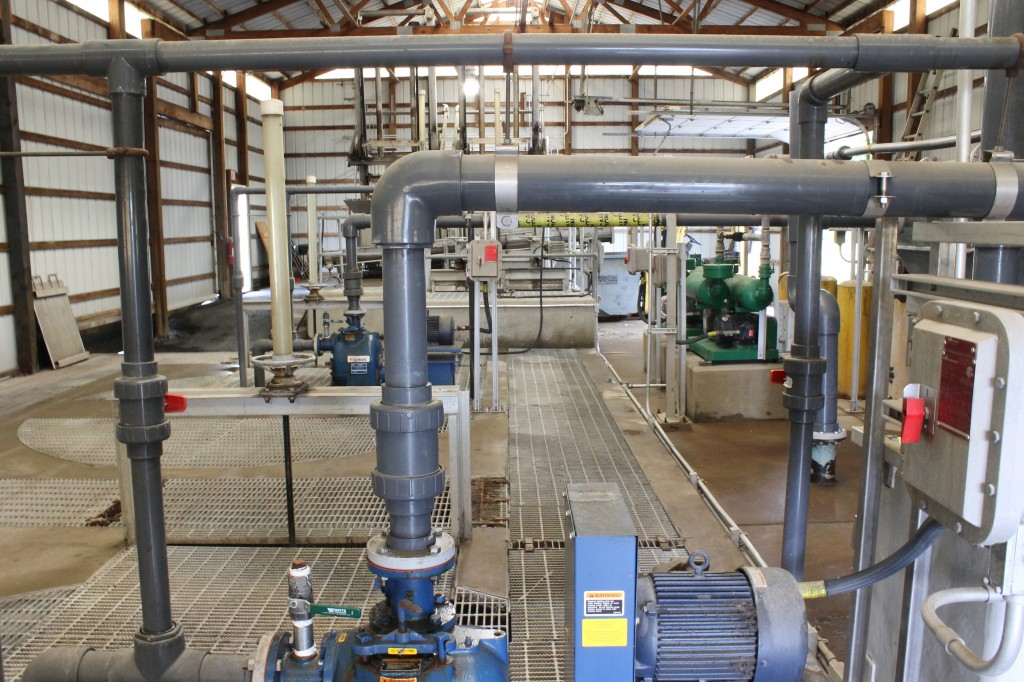
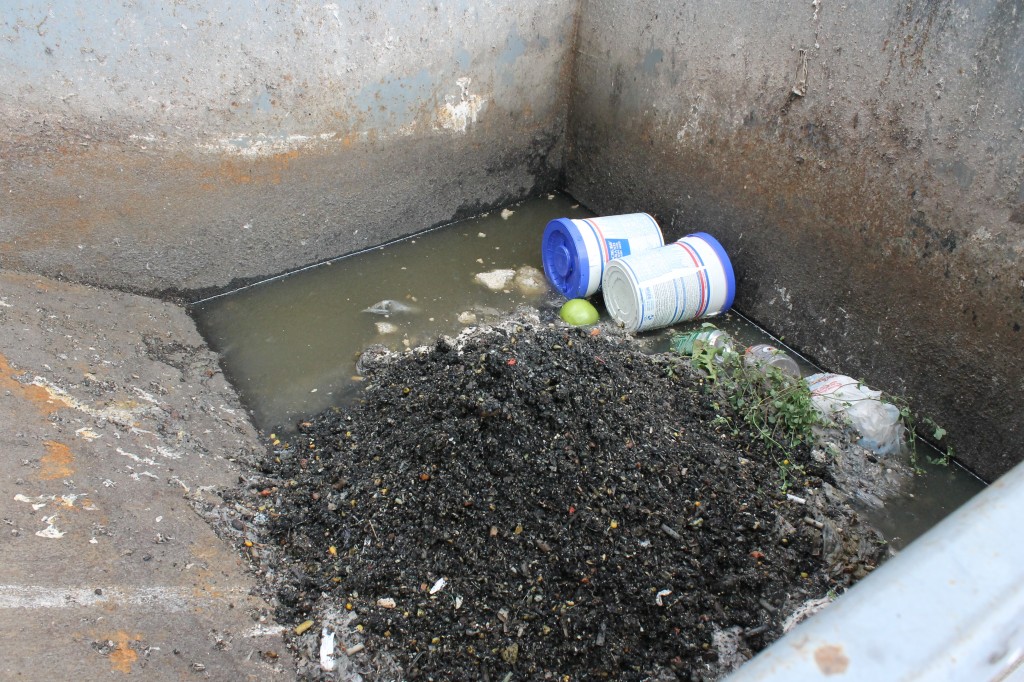
The wastewater then goes to a treatment building where screening devices remove large items. Rajput said paper towels, plastic, rags, sticks and other items that could damage equipment need to be taken out of the stream before it goes to more sensitive equipment.

Credit: Tom Sofield/LevittownNow.com
Step 3.
The water is then sent to a series of sedimentation tanks where larger pieces of waste settles to the bottom and is removed.
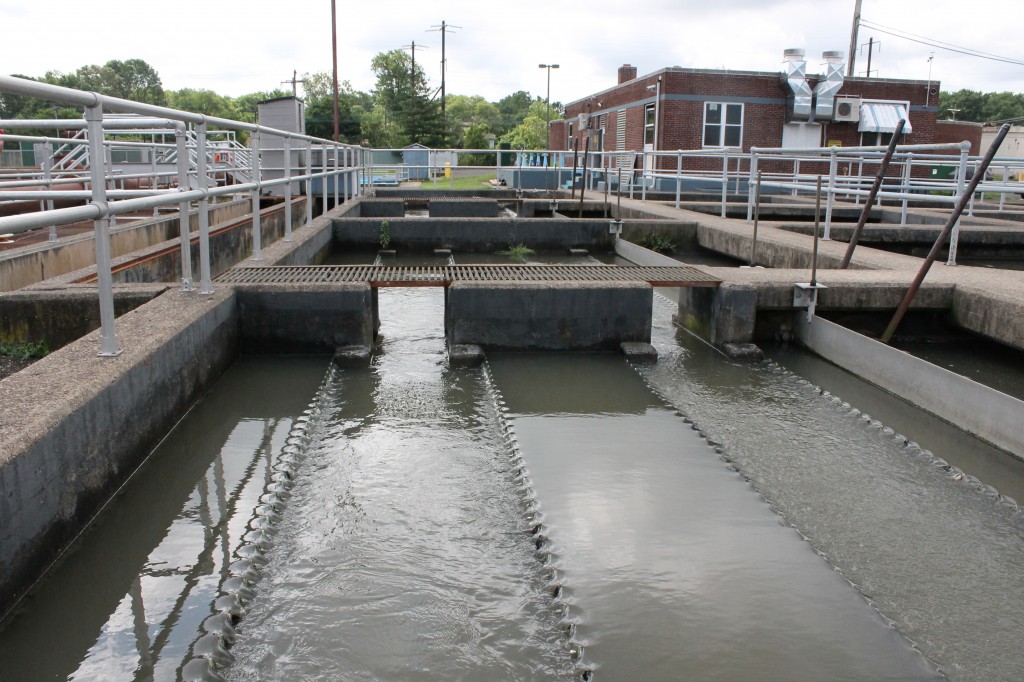
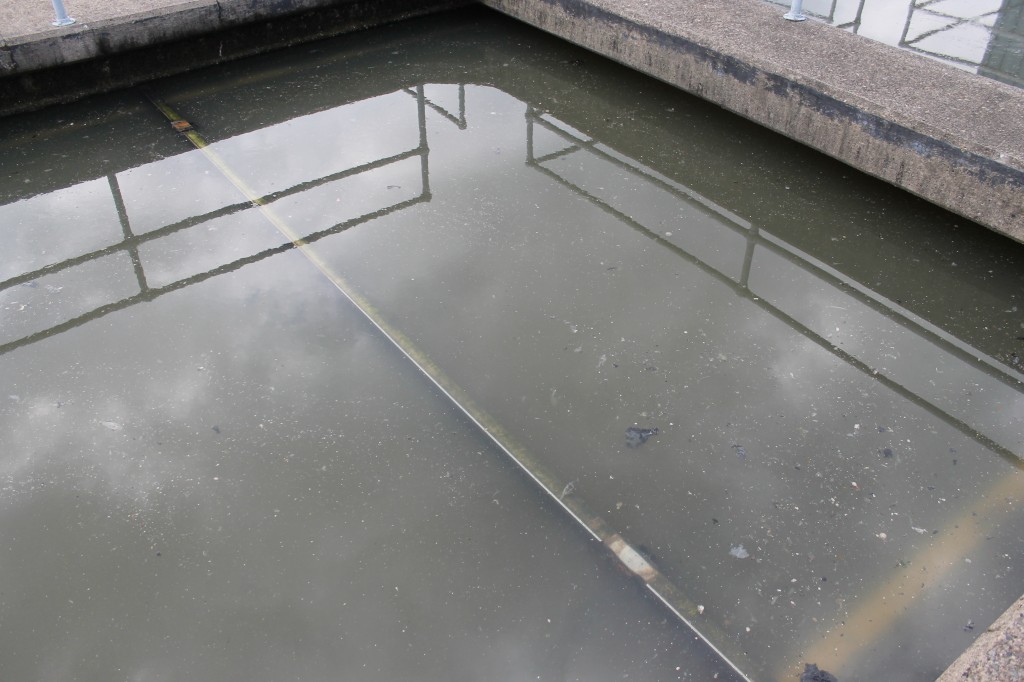
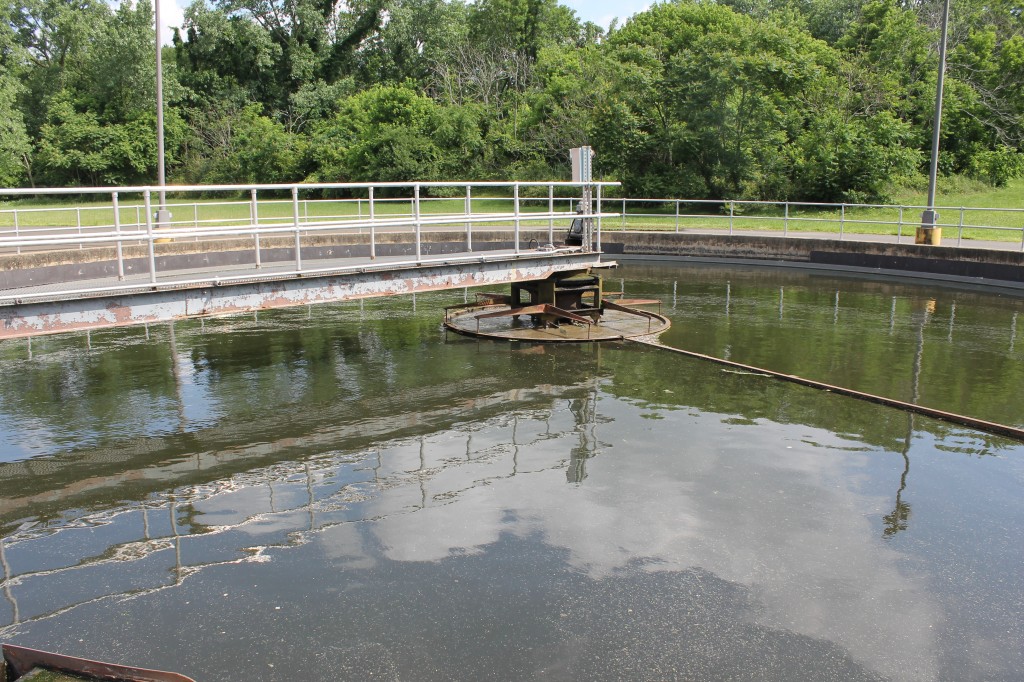
Credit: Tom Sofield/LevittownNow.com
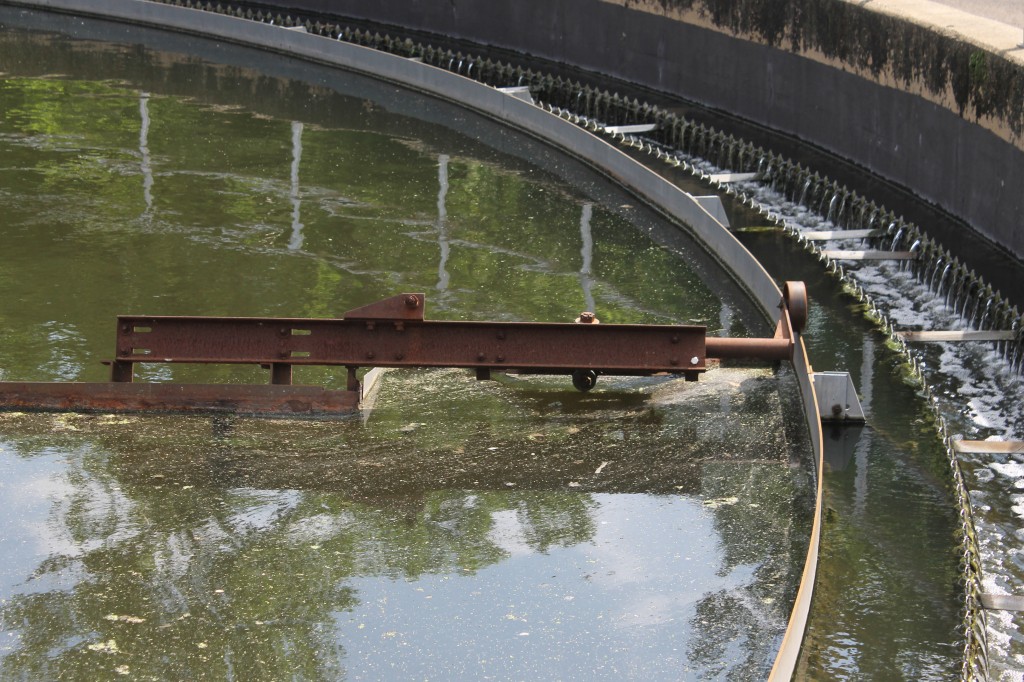
Credit: Tom Sofield/LevittownNow.com
Step 4.
Advertisements
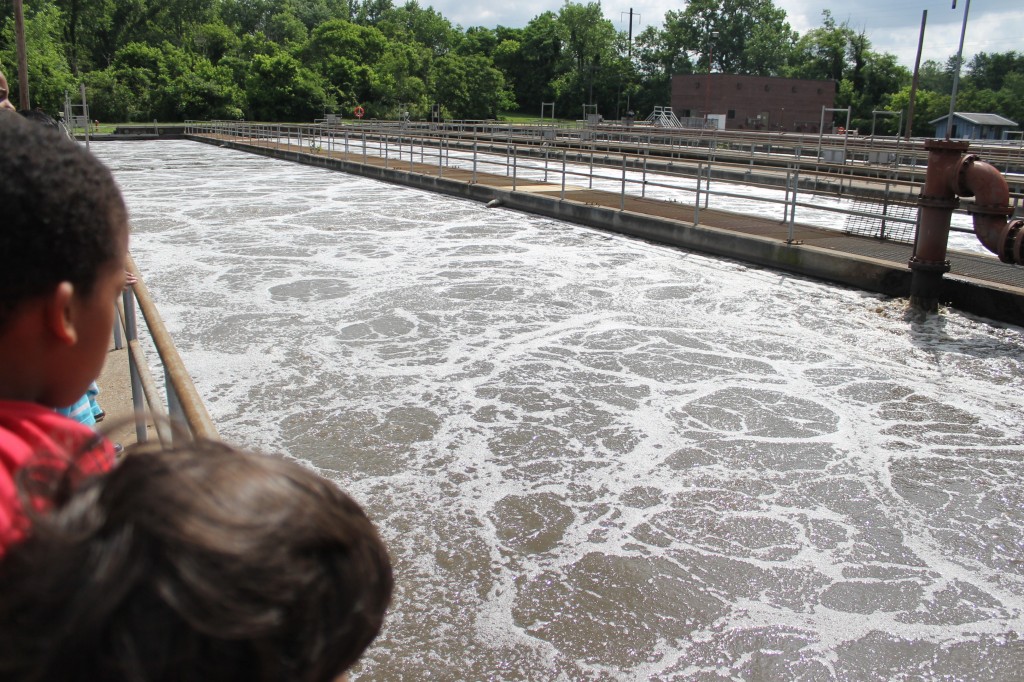
The water is then sent to another set of tanks where natural bacteria is used to help clean the water of organic waste that remains. “This is where nature takes its course,” Rajput said. Officials at LBCJMA test the water multiple times to make sure the bacteria levels are right where they need to be. Rajput said too little bacteria in the water is bad and too much bacteria in the water is bad. It’s all about finding the perfect balance, he said.
Credit: Tom Sofield/LevittownNow.com
Step 5.
The water then goes through another set of sedimentation tanks. The tanks allow further waste to be removed. Algae in the tanks helps filter the water.

Step 6.
Advertisements
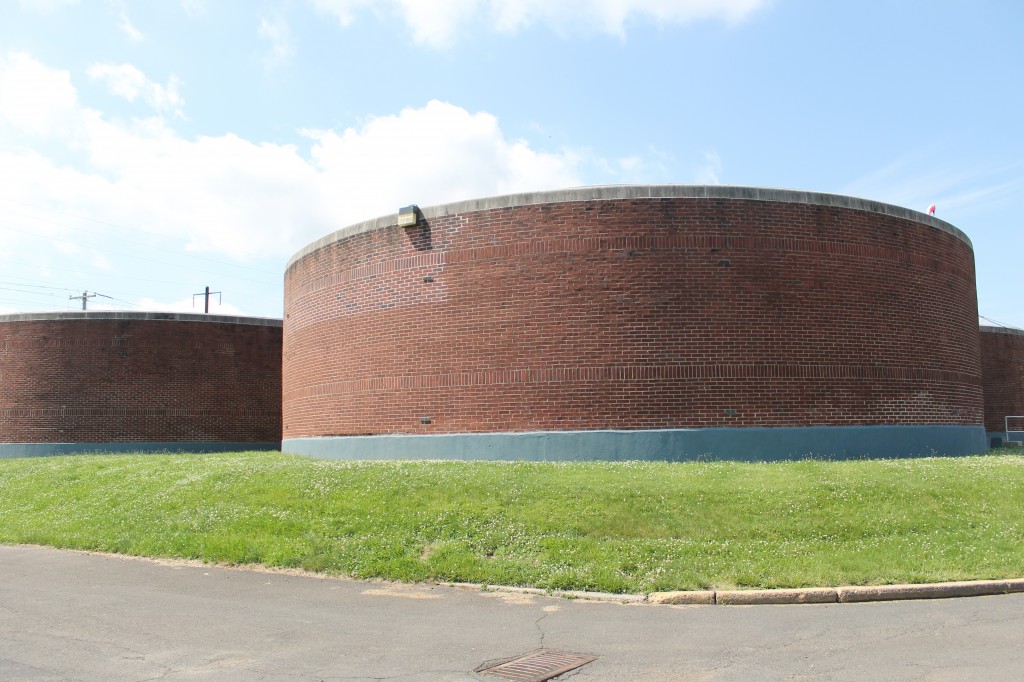
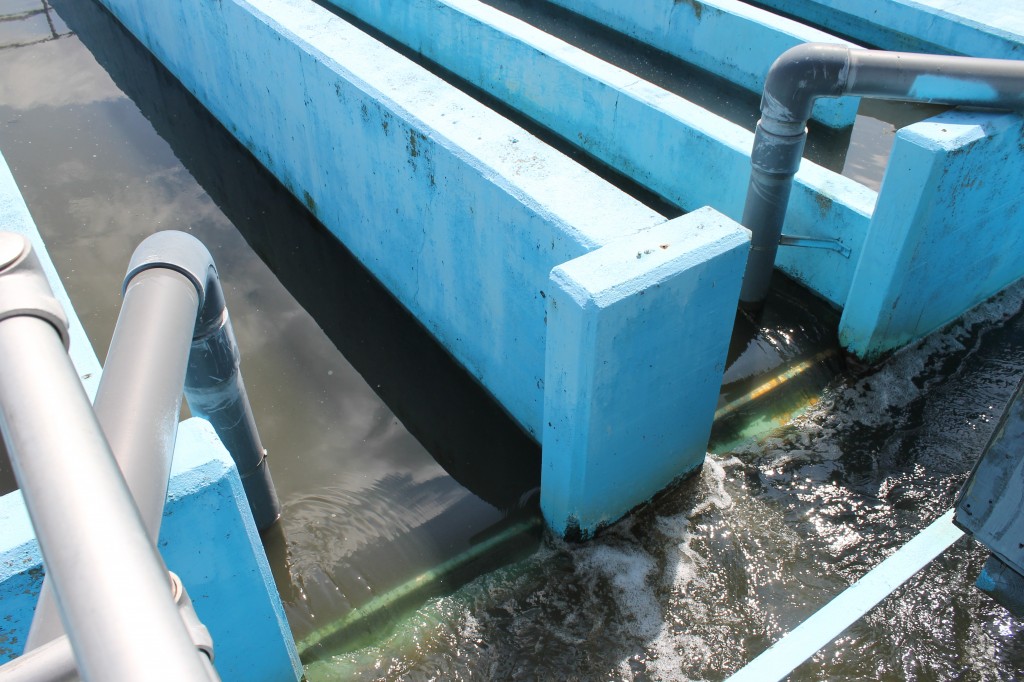
The below tanks are used to help clean water that needs a little extra help.
Step 7.
Before taking a three mile trek through a pipe from the facility to the Delaware River, the water is disinfected with chlorine.
Step 8.
The end. Former waste water is piped to the river and put back in the water cycle.
Credit: Tom Sofield/LevittownNow.com

