



Pennsylvania’s two wildlife agencies could potentially save about $34 million annually by consolidating overlapping operations, reducing their combined workforce and unifying law enforcement, according to an independent report released late last month.
The 81-page Wildlife Management Institute report found that the Pennsylvania Game Commission and Pennsylvania Fish and Boat Commission are projected to spend more than they collect over the next decade, leaving both with critically depleted reserves by fiscal 2034.
Advertisements
Under the report’s projections, Game Commission expenses would exceed revenue by $476.8 million from fiscal 2025 through fiscal 2034. Its Game Fund balance, which stood at $504.3 million at the end of fiscal 2024, would decline by about 95%.
Fish and Boat Commission expenses are projected to exceed revenue by $162.6 million during the same period. Its combined Fish Fund and Boat Fund reserves, totaling $145.8 million at the end of fiscal 2024, would be exhausted by fiscal 2034.
“Without changes to revenue, spending, or both, neither agency’s finances are sustainable through the coming decade,” the report said.
Advertisements
The commissions jointly hired the Wildlife Management Institute to evaluate opportunities for cooperation, shared services and consolidation of certain functions. Pennsylvania is the only state that assigns fish and wildlife management to two separate independent commissions.
The institute issued 20 recommendations but stopped short of proposing a complete merger. The report said its recommendations concern operations and would not diminish the independent decision-making authority or jurisdiction of either commission.
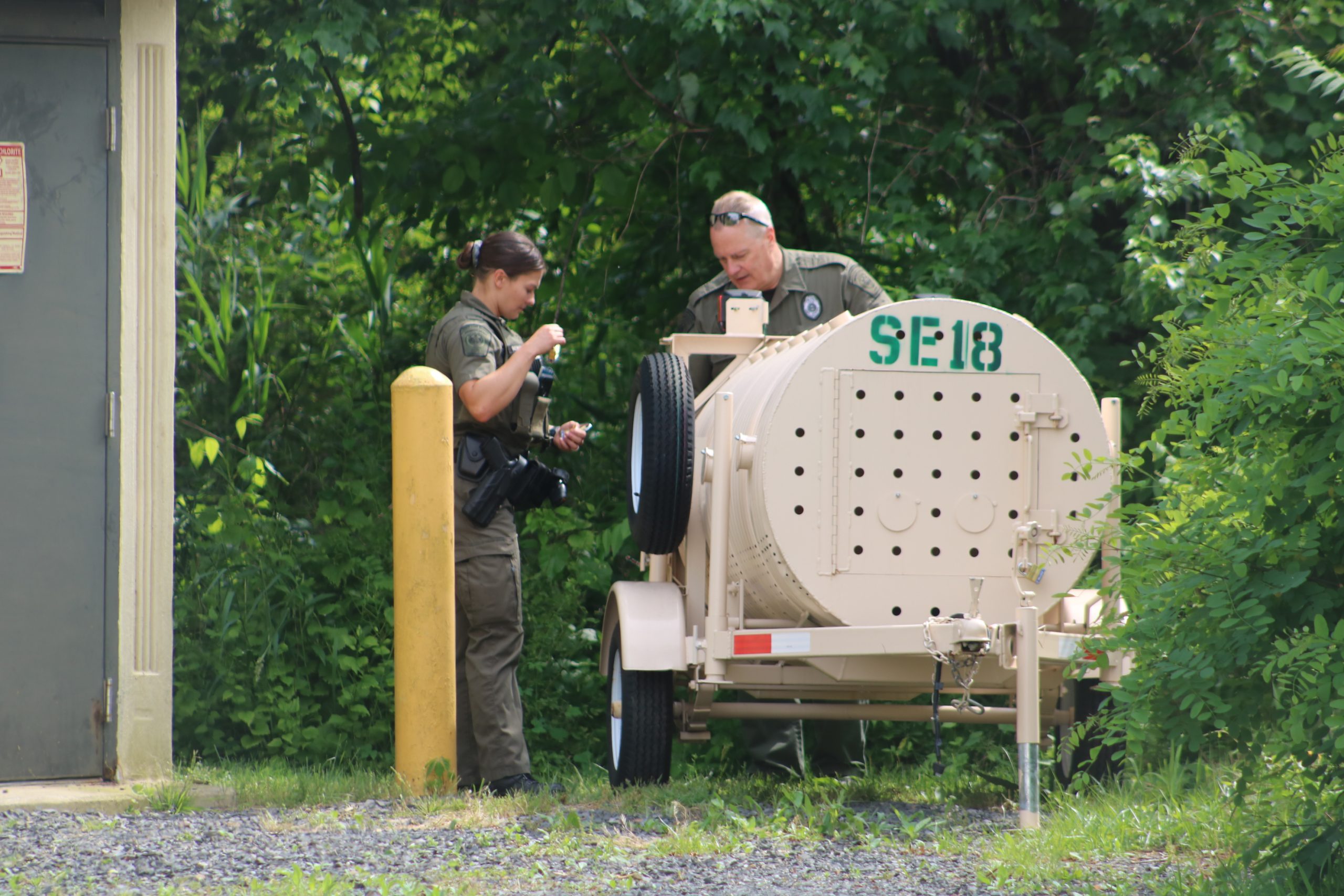
The most substantial proposal would combine the agencies’ separate law-enforcement bureaus into one structure and reduce the number of sworn officers.
Advertisements
The two commissions have a combined 337 sworn positions, including vacancies. Comparisons with five other states suggested that about 222 positions could be evaluated as a possible target.
The report also recommended eliminating volunteer deputy law-enforcement positions and combining the commissions’ training programs for new conservation officers. Employees interviewed during the study described the volunteer deputy program as outdated and said it created potential liability, including because volunteer officers are not subject to random drug testing.
Credit: Tom Sofield/LevittownNow.com
Unified law enforcement was the consolidation opportunity receiving the most consistent support from agency leaders and employees, according to the report.
Advertisements
The Game and Fish and Boat commissions had a combined workforce of 1,298 in 2025. The institute estimated that Pennsylvania’s agencies contained about 221 more positions than similarly sized agencies in other states.
Reducing the combined workforce by about 17%, primarily through unified enforcement and reductions in overlapping executive, legal, engineering and administrative functions, could save about $34 million annually based on fiscal 2024 personnel expenses, the report said.
The study recommended consolidating overlapping work in human resources, administration, information and communications, engineering, legal services and law enforcement. Separate reviews would examine whether management structures in wildlife, habitat, fisheries and regional operations could be flattened.
Advertisements
Facilities were another area identified for potential savings. The Game Commission operates 74 occupied field offices, compared with an average of 29 among five comparable states. The Fish and Boat Commission has 15 field offices, excluding hatcheries, compared with an average of 19.
The institute recommended reviewing the Game Commission offices for possible closures and placing employees from both commissions in shared facilities. It said shared locations could lower utility and maintenance costs while making it easier for residents to access both agencies’ services.
Additional recommendations included combining the commissions’ websites, merging their separate magazines into one publication and creating a unified brand for hunting, trapping, fishing and boating programs.
Advertisements
The report also called for minimum reserve requirements, a study of how customers might respond to higher license prices and an examination of funding models that would broaden public contributions beyond hunting and fishing license buyers.
Declining license participation was identified by employees of both commissions as their leading long-term revenue threat. Game Commission employees cited an aging population of hunters, while Fish and Boat Commission employees cited an aging angler population and warming water temperatures affecting trout stocking.
Advertisements
Implementing many of the recommendations would require action by the Pennsylvania General Assembly. Current law restricts how money from the Game, Fish and Boat funds can be shared, how employees may work across agencies and how commission-controlled properties may be used.
Credit: Tom Sofield/LevittownNow.com
The institute recommended that the Legislature establish a shared-services framework allowing the agencies to divide costs proportionally while keeping their dedicated funds separate.
Advertisements
The report was described as an initial assessment rather than a final implementation plan. The institute said its limited budget and timeframe did not permit detailed cost studies of each recommendation.
Employee participation was voluntary, with about 60% of the combined workforce responding to a strengths-and-weaknesses survey. The report said resistance to change was the most commonly identified obstacle, with employees concerned about losing their agencies’ individual identities and favoring voluntary collaboration over a legislatively imposed merger.
Advertisements
The Fish and Boat Commission said no timeline has been established for further action and emphasized that the recommendations are not mandates.
“Moving forward, consideration of any recommendations will require detailed analysis of additional factors that are unique to Pennsylvania, as well as potential action by the Pennsylvania General Assembly,” the commission said.
This article appears courtesy of a content share agreement between LevittownNow.com, NewtownPANow.com, and NewHopeFreePress.com and Central Bucks News. To read more stories like this, visit https://www.centralbucksnews.com

