



Spotlight PA is an independent, nonpartisan, and nonprofit newsroom producing investigative and public-service journalism that holds power to account and drives positive change in Pennsylvania. Sign up for our free newsletters.
By Ed Mahon | Spotlight PA
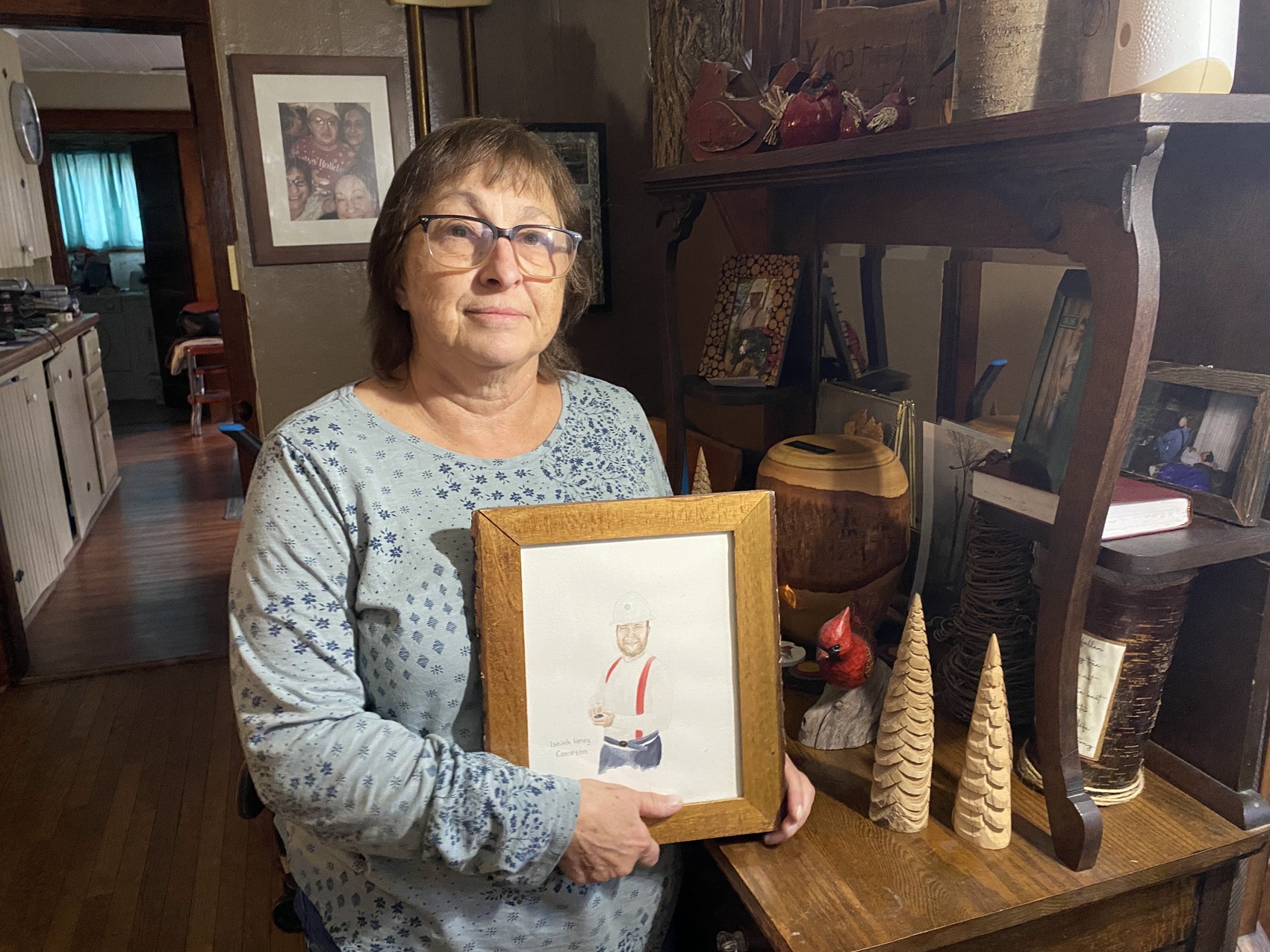
Credit: Ed Mahon/Spotlight PA
Advertisements
Part 1 of 2
Cyndi Compton relived the October day over and over again.
Early that morning, her 24-year-old son, Isaiah, stopped by her house in rural Tioga County and woke her up with a request.
Would she make him breakfast?
Of course. They both had the day off from work. She cooked French toast.
That meal was, she later recalled, one of the last ordinary moments she ever had with Isaiah.
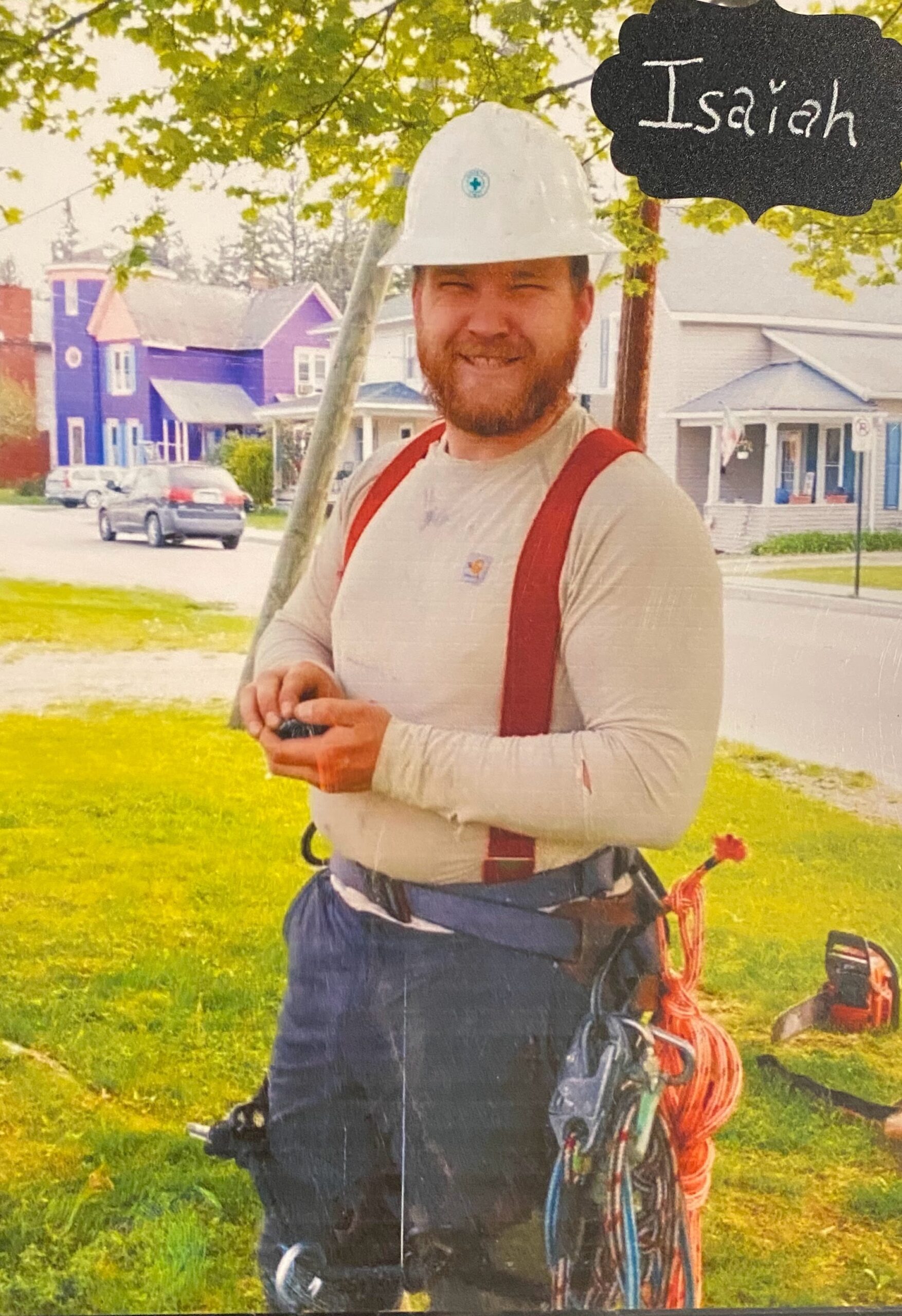
Isaiah was a fighter from an early age. He survived childhood cancer and grew into a young man known for his good sense of humor and a love for the outdoors, particularly scaling trees. Working as an arborist, he felt at home high up in the air and among the branches: confident in his ropes, secure in his harness.
He had also struggled with drug use. Cyndi remembers looking at Isaiah’s eyes in 2019 and suspecting he was using again. He returned to treatment, and she saw him make progress. By the fall of 2020, Cyndi felt he was moving forward with his life.
But the day after the breakfast, she got the phone call. Isaiah was gone.
“Our family will never be whole again,” she said in court, years later.
Advertisements
Isaiah was one of thousands of people in Pennsylvania to die following an overdose. While still grieving, Cyndi became an advocate, seeking to save lives like Isaiah’s. She also pushed for a response that divides some families who have suffered similar tragedies.
Cyndi urged law enforcement officials and lawmakers to prioritize the use of a criminal charge known as drug delivery resulting in death. It’s a felony for cases when someone illegally provides drugs that cause someone to die. Pennsylvania’s statute is broad: It includes both selling and giving drugs, and doesn’t distinguish between defendants who are kingpins, street-level dealers, or fellow users. A conviction can bring a prison sentence of 20 to 40 years.
Advertisements
Her advocacy put Cyndi — a 62-year-old grandmother, seamstress, and retired licensed social worker — into the middle of an emotionally charged question over how best to respond to drug overdoses.
Pennsylvania is known as one of the top states, if not the leader, in bringing this type of criminal charge. In 2020, the year Isaiah died, there were about 190 new drug delivery resulting in death charges filed here, state court data show. And even with some recent prosecution declines, there’s been a significant increase in people convicted and sentenced on the charge over the past two decades.
Some lawmakers are pushing to expand how long after a death these prosecutions can begin, beyond the current two-year limit. Others have called to restrict when the charges apply, seeking to protect people who share drugs but don’t sell them for profit. The state’s highest court heard arguments earlier this year over what limits should exist on these cases.
Advertisements
As those debates occur, Cyndi’s search for justice offers a window into the complicated on-the-ground reality of treating overdoses like a homicide. It highlights how the consequences for a death in Pennsylvania can depend on where it happens and how quickly investigators act.
Some families say these prosecutions do more harm than good, while others push for them.
For Cyndi, it felt like Pennsylvania’s system was letting drug dealers get away with murder.
‘Relentless’
After the October 2020 call, Cyndi remembers thinking it was wrong — that her son couldn’t be dead. “I know I was screaming that,” she told Spotlight PA.
Advertisements
When she got to the apartment, it felt like forever before she could see his body. Finally, she got down on the floor, lay next to him, and tried to listen to his heart.
“There was nothing,” she said.
A grand jury presentment later called Isaiah’s death “overdose-related” and said it involved fentanyl, cocaine, and other substances.
From early on, Cyndi both grieved — and took action.
Advertisements
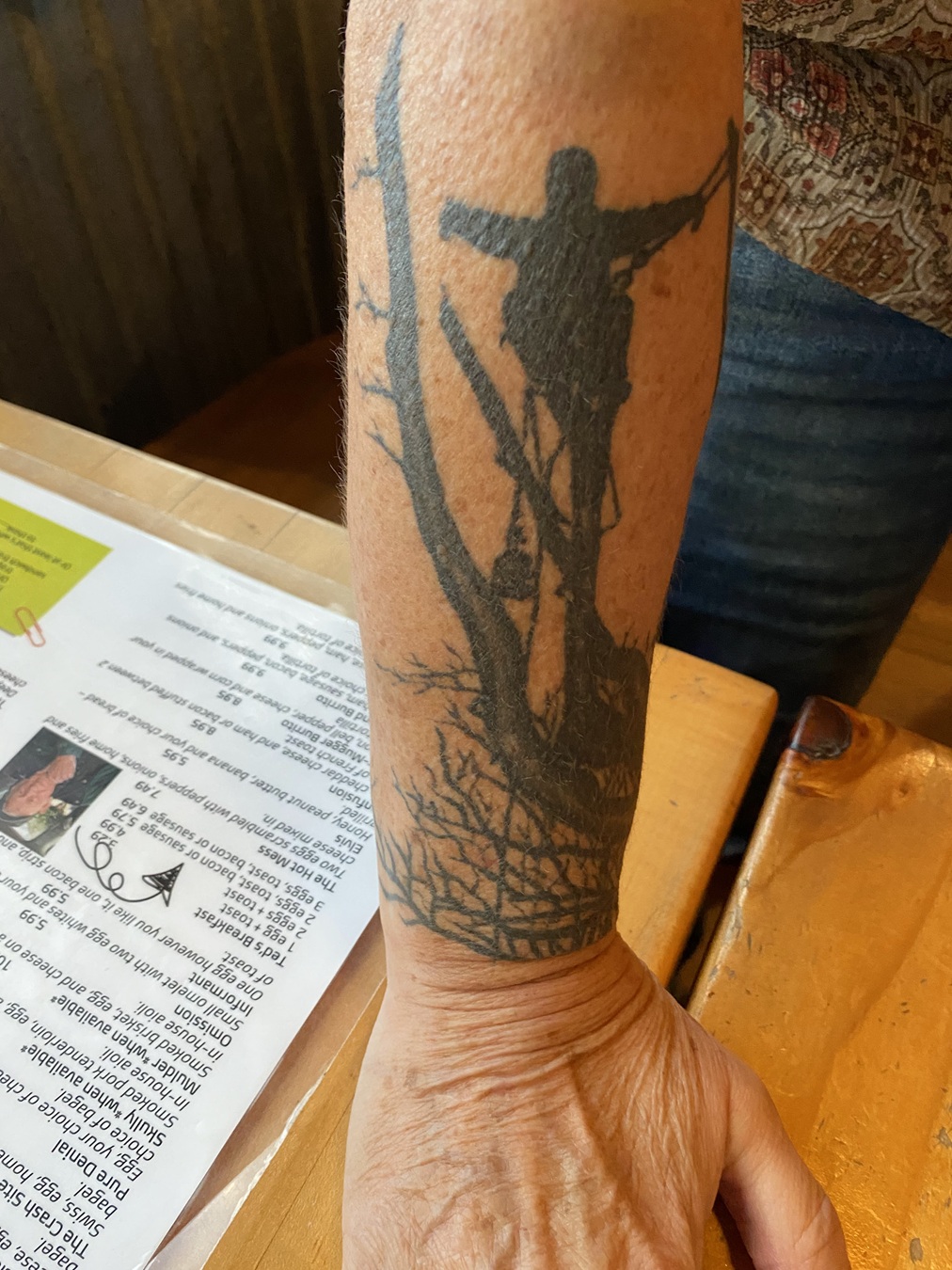
She got a permanent reminder of him: a tattoo down her right forearm. It shows Isaiah working high up in a tree, his arms spread wide, just as he had appeared in a photo — an image where he had compared himself to a bird.
Credit: Ed Mahon/Spotlight PA
Cyndi also started looking for how the person who provided him the drugs could be held accountable. Isaiah shared responsibility for what happened, she later said, but Cyndi felt he shouldn’t be the only one to pay the price. She came across the charge of drug delivery resulting in death and quickly made her case in public for stricter enforcement of the law.
Advertisements
Less than two months after Isaiah’s death, she wrote a letter to the editor in a local paper, describing the number of overdose deaths in the county and her own research into the drug delivery resulting in death law. She questioned why local officials weren’t using the charge against drug dealers. “Please help me to understand the hesitation,” Cyndi wrote.

She said she searched for evidence — Facebook messages, an ATM receipt — in her son’s case and shared it with investigators. She started a Facebook group dedicated to stopping overdoses in Tioga County. She posted signs in the area declaring it was time to hold drug dealers accountable and that every overdose death warrants a criminal investigation. She eventually urged people to vote out the Tioga County district attorney at the time, and collected signatures for the district attorney’s opponent.
Thad Compton, Cyndi’s husband and Isaiah’s father, described her as “relentless” and told Spotlight PA she talked “to anybody that would listen.”
Shad Alexander, a longtime friend of Isaiah’s and a fellow arborist, said Cyndi kept advocating even “when people thought she was crazy.”
Advertisements
“She wouldn’t stop,” said Alexander, a former heroin user who is in long-term recovery. “How many other parents do I know that lost their kid? You don’t see them posting on Facebook or talking to representatives. …They grieve, but that’s it. Cyndi did not stop.”
An investigation into Isaiah’s death eventually led to a prosecution and conviction — although by the time those charges were filed, drug delivery resulting in death was off the table. The two-year statute of limitations had expired.
Advertisements
Cyndi’s work led to legislation in Harrisburg named after Isaiah. The bill would eliminate the statute of limitations when someone dies from an overdose, treating those cases like crimes such as murder and voluntary manslaughter. The bill’s sponsor, state Rep. Clint Owlett (R., Tioga) called Isaiah’s story “heartbreaking to hear.”
“We worked together to try to draft some legislation,” he told Spotlight PA. “And we’ve been working at advocacy on this for a while now, and we’re going to keep at it.”
The legislation would reduce other potential barriers to prosecutions, including when there are multiple drugs involved. But it would also create a defense for people who don’t “receive any service or anything of value in exchange” — a measure intended to distinguish friends who share drugs from dealers. Multiple versions of the bill have been filed in the legislature but never made it out of committee as of early June.
Other families have visited Owlett to share their stories.
“They’ll bring pictures of their loved ones and lay ’em on my desk,” Owlett said, adding, “Cyndi’s not alone in this.”
Credit: Ed Mahon/Spotlight PA
Advertisements
Michelle Taylor — who has known Cyndi for decades — has shared the heartbreak. Taylor went to Isaiah’s 2020 funeral. Her son Scott Reese, who also struggled with addiction, joined her.
Taylor, 54, remembers Cyndi hugging Reese and telling him to stay clean. She wanted him to live.
But three months later, Reese died from an overdose, Taylor said. She remembers finding his body, knowing it was too late, but begging him to wake up.
Cyndi was one of the first people to show up to Taylor’s home to comfort her.
Advertisements
In the years since, Taylor’s been grateful to her friend for her advocacy and her willingness to be a voice for others.
“She’s fighting the fight that a lot of us aren’t,” Taylor said.
‘Anger in you’
Support for escalating the use of these types of prosecutions isn’t unanimous. Others are trying to stop or scale back the use of these types of laws.
Tyler Cordeiro died from an overdose involving fentanyl in 2020. He was 24 years old.
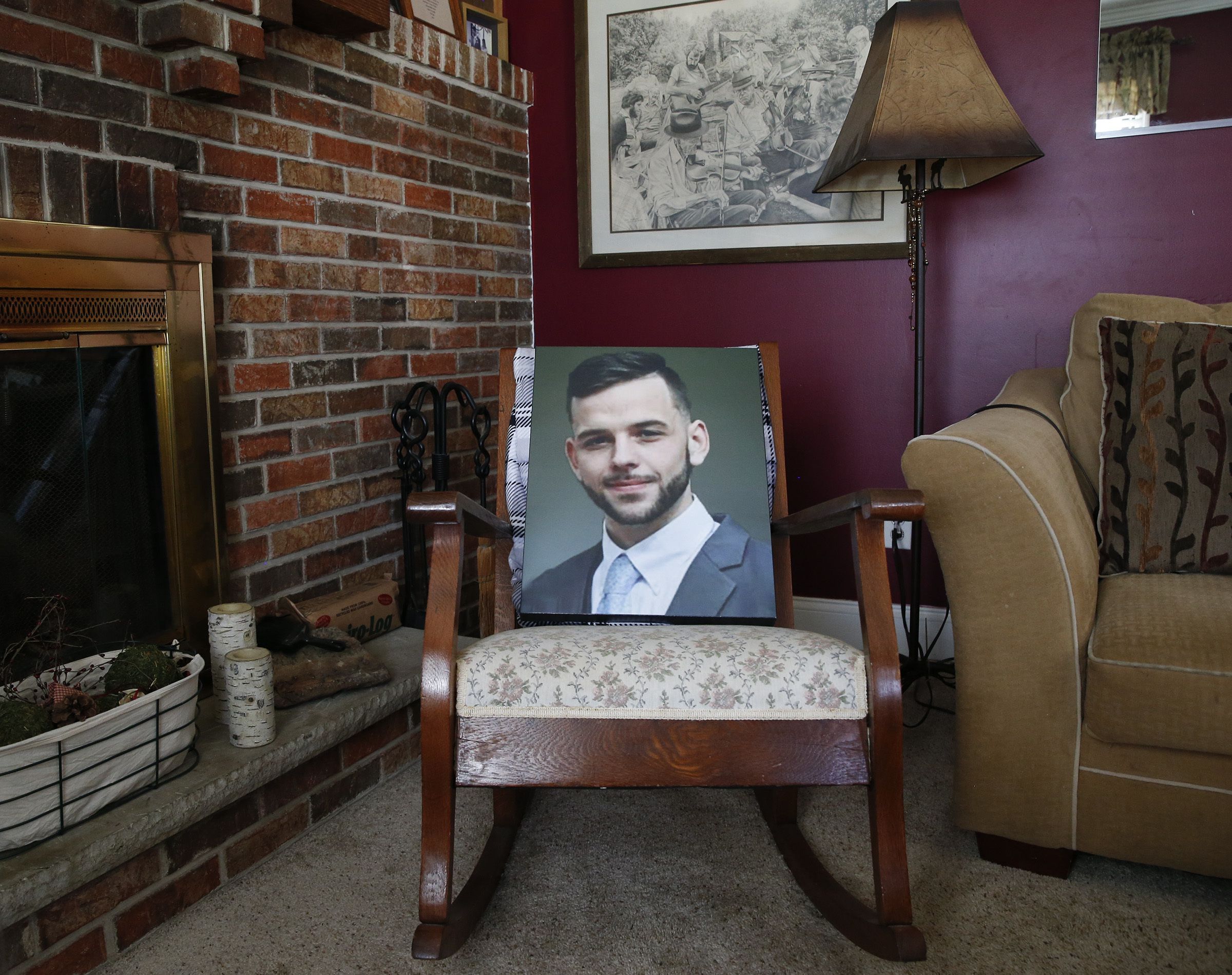
Credit: Yong Kim/Philadelphia Inquirer
His mother, Susan Ousterman, briefly considered pursuing criminal charges, she told Spotlight PA.
Advertisements
“You have that anger in you. You want someone to pay,” said Ousterman, a national drug policy advocate based in Bucks County. “But I knew that … the person that gave him the drugs was no different than him.”
Ousterman has since opposed these types of drug delivery resulting in death prosecutions in Pennsylvania and elsewhere.
Last year, Ousterman and others who lost a loved one to a substance-related death wrote to Democratic Gov. Josh Shapiro, raising a number of concerns about the state’s response to the opioid crisis. They criticized harsher penalties and criminalization.
“Prosecuting drug-induced homicide cases does not deter supply—it pushes the drug market further underground, making substances even more unpredictable and deadly,” they said. “These policies do not protect our children; they trap more families in the same suffering we have endured.”

Credit: Amanda Berg/SpotlightPA
A Shapiro spokesperson last year responded to that letter by telling Spotlight PA the governor “has a long track record of fighting for families who have lost loved ones to the opioid crisis.” In the governor’s memoir, which was released earlier this year, Shapiro talked about his approach to prosecutions when he was attorney general.
He said the office charged “higher level dealers with tougher crimes” including trying “to put them away for twenty to forty years” if “the drugs they sold resulted in someone dying.” But Shapiro also said the office tried to send people to treatment instead of prison if they were “non-violent dealers who were basically just users trying to feed their addiction.”
Even though drug delivery resulting in death prosecutions are relatively rare compared to the total number of fatal overdoses, they still have a big impact, said Alice Bell of Prevention Point Pittsburgh. She directs the nonprofit’s overdose prevention project, and said the fear of arrest and the possibility of spending years in prison deters people from calling for help.
Advertisements
“People are aware of it, and there’s a fear of it,” she told Spotlight PA. “The more often that it’s used, or the more publicity about it, the less likely people would be to call 911 if there was somebody who overdoses.”
Ousterman has had what she described as painful and deeply personal conversations with other parents to help them understand the harm of these policies.
“It’s got to be done with compassion,” she said.
Credit: Ed Mahon/Spotlight PA
Critics say these prosecutions often target family, friends, or partners who may suffer from addiction themselves instead of large-scale dealers. And these charges can take resources away from effective overdose prevention efforts, they argue.
A 2021 article published in the International Journal of Drug Policy described several ways these drug-induced homicide laws may worsen opioid-related harms, including by potentially creating unpredictable fluctuations in the drug supply and a potential “chilling effect on those who could call 911 during an overdose.”
But the researchers also described the issue as “unexplored and untested” and said there was an “immediate and great” need “for comprehensive research that can validate or invalidate these hypotheses.”
In more than a dozen interviews with family members of overdose victims, Spotlight PA found a wide range of opinions on whether these types of prosecutions help or hurt.
Some supporters say they can bring accountability and reduce deaths.

Credit: Beth Nazaryk
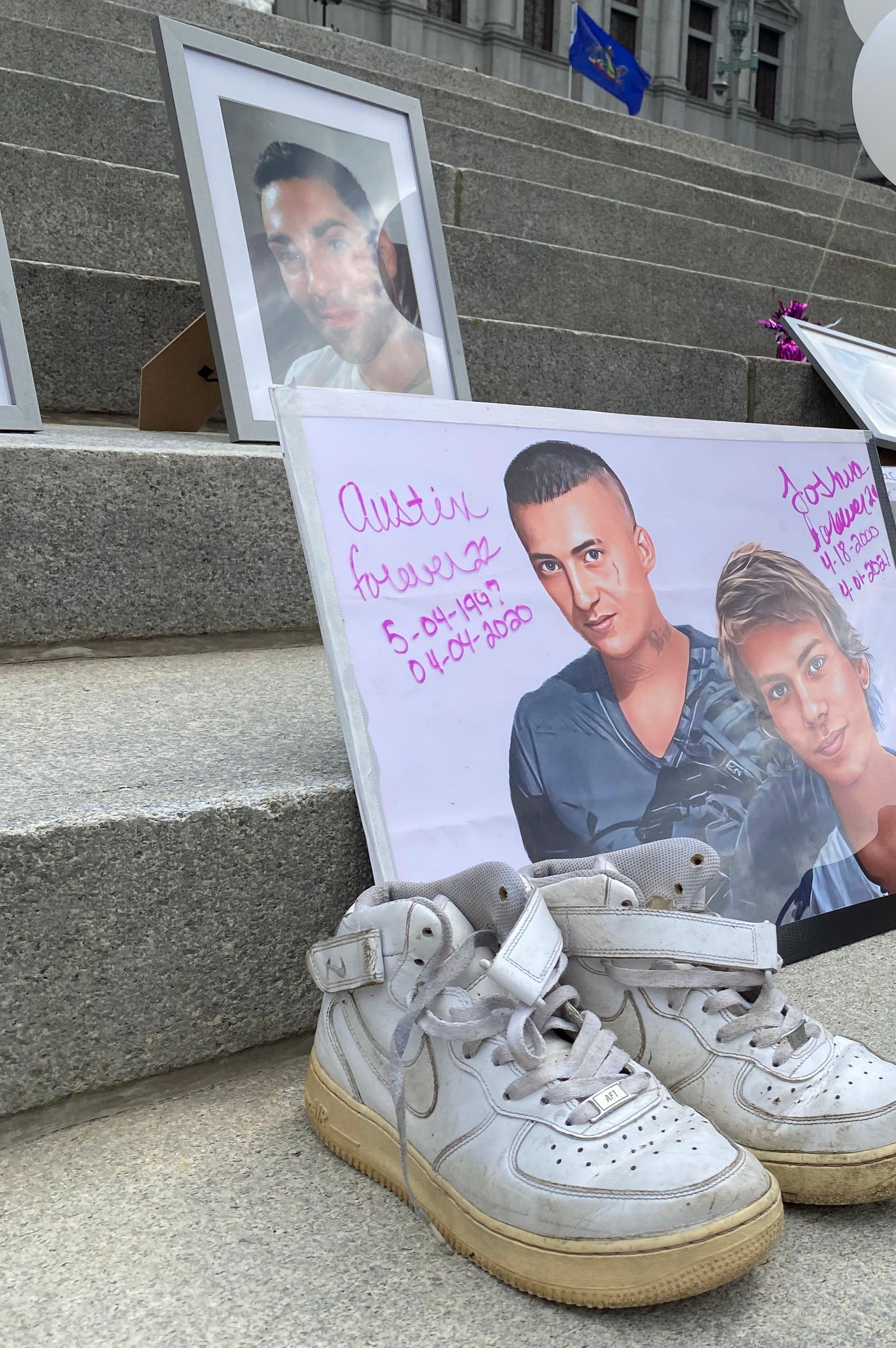
Cumberland County resident Erika Shambaugh’s views of drug delivery resulting in death have changed over the years. She lost two children — Austin and Joshua Legassey — to overdoses in 2020 and 2021, respectively.
At first, Shambaugh wanted someone to face the charge in each case. Now she thinks prosecutors should only use it when the victim is under 18 or when the dealer doesn’t have any substance use issues.
“You can’t judge every case in a single category,” she told Spotlight PA.
For some families, the failure to prosecute is a point of frustration — and a sign that people in power didn’t value their loved one.
At a Berks County forum last year, a mother described losing her daughter a month earlier to a fentanyl overdose, reaching out to police, and feeling like “nobody gives a shit.”
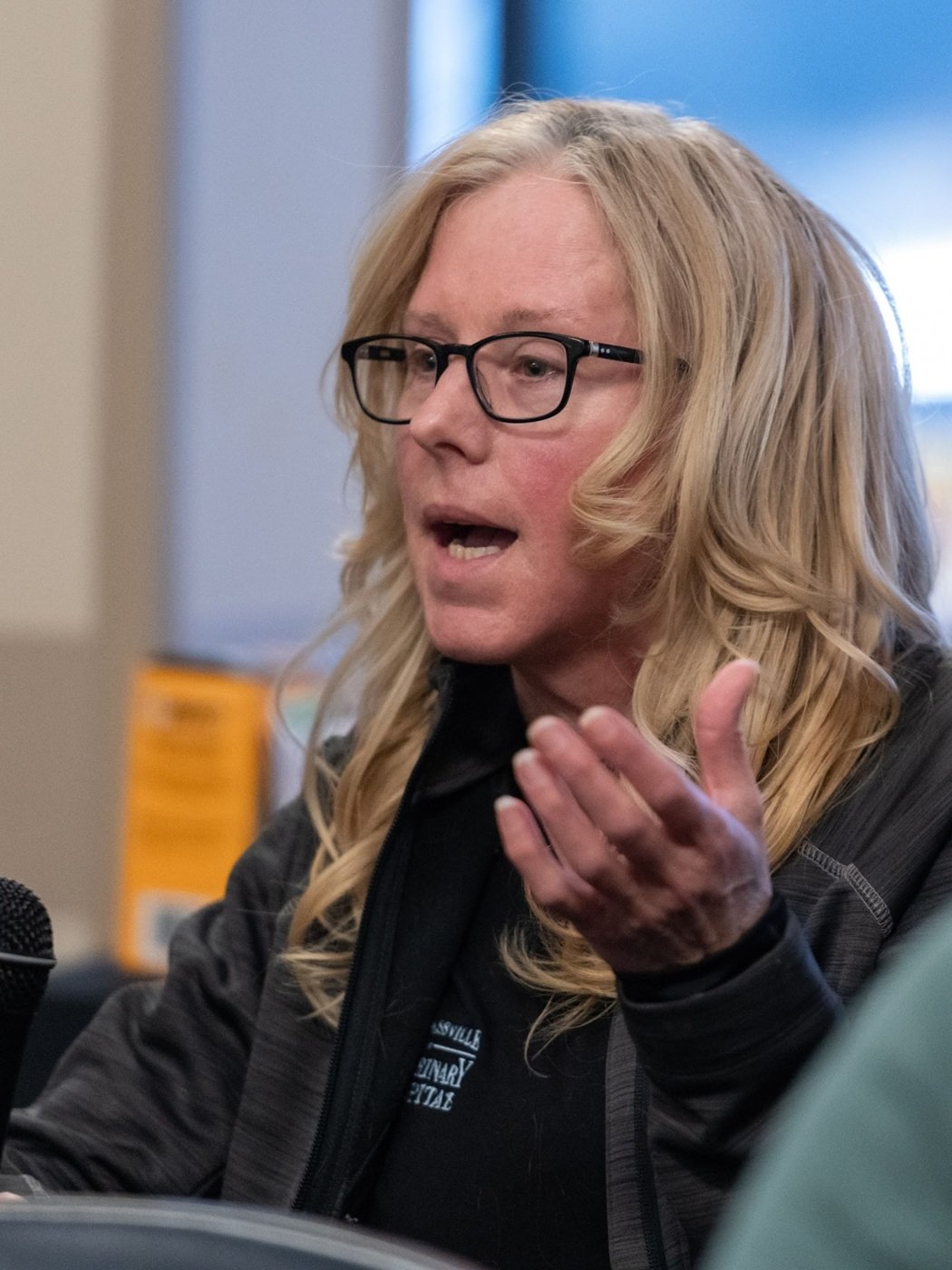
Over a year later, Beth Nazaryk still felt frustrated. She was waiting for someone to be arrested and for accountability. She started missing monthly grief support meetings, and wondered what to do next.
Credit: Susan L. Angstadt/Spotlight PA
“I feel like if I found out who sold her those drugs — and I say this to people all the time — and … if you could put me in a dark room with that person, I would come out on top,” Nazaryk said.
She added: “Because I’m so angry.”
Increases in prosecutions
Pennsylvania saw a dramatic increase in these charges, after a change in state law and the rise of the opioid epidemic. Fights over these prosecutions have played out in courtrooms and the legislature.
In 2011, state lawmakers paved the way for the use of the charge when they effectively removed a requirement for there to be a finding of malice for drug delivery resulting in death cases. Two state representatives cited local deaths involving street-level dealers as they made the case on the House floor.
The legislation received no dissenting votes in either chamber, before then-Gov. Tom Corbett, a Republican, signed it into law. And as the opioid epidemic spread in Pennsylvania, with more than 5,000 people dying from overdoses some years, some prosecutors embraced the charge.

Criminal sentences on the charge used to be rare, according to data from the Pennsylvania Commission on Sentencing. The commission’s data are based on reports from common pleas courts in Pennsylvania, and a commission official told Spotlight PA that historically, the commission receives data on about 95% to 98% of all cases.
From 2007 through 2011, the commission’s data show not a single person was convicted and sentenced on the charge.
But such punishments reached a recent high of around 100 in 2019.
Defense attorneys, public health advocates, and others have objected to the broad reach of the charge, with some calling it an “outdated ‘war on drugs’ approach.”
While many defendants in these drug delivery resulting in death cases do not receive the maximum sentence of up to 40 years in prison, attorneys say the threat of such a lengthy time in prison can pressure them into accepting guilty pleas.
About 90% of convictions on the charge result in state prison sentences, data show. In those situations, the average minimum sentence is about six years.
Veronica Miller, deputy legislative director for the ACLU of Pennsylvania, criticized the charge, arguing the opioid epidemic needs to be addressed “as an actual public health issue.”
“It really does not get to the heart of the issue,” she said.
Meanwhile, some prosecutors have argued the charge is an appropriate response to overdose deaths. Pennsylvania Attorney General Dave Sunday, a Republican, previously said that when he was the York County district attorney, the office was “extremely cautious in charging it,” but that it can be “appropriate, because there has to be accountability.”
These investigations can provide answers to families and have a broader impact for those who might sell or use drugs, according to Kelly Callihan, executive director of the Pennsylvania District Attorneys Association. She said “it is about justice” and “sending the message to drug dealers that what you’re selling is dangerous, is poisonous. It can cause death.”
Tracking these types of cases nationally is a challenge. But researchers at the Action Lab at Northeastern University found more drug-induced homicide cases in Pennsylvania than in any other state, based on media mentions. They identified hundreds more cases in Pennsylvania than in the next highest-ranking state.
Defense attorneys have tried to rein in the charge, with limited success. In March, Pennsylvania Supreme Court justices heard arguments in cases that could set an important precedent going forward and potentially add legal protections when the accused acquired and used drugs alongside the person who died.
But some justices appeared skeptical that they — and not the legislature — had the power to make that change. A ruling was pending as of early June.
For now, much of the power over this issue comes down to how local law enforcement decides to approach these cases and the resources they have to investigate them. The use of the charge has varied widely across the state.
In Tioga County, Cyndi has urged lawmakers to act, saying municipal police lacked knowledge, resources, and time to fully investigate Isaiah’s death. She sees extending the statute of limitations beyond two years as one solution to the obstacles investigators face.
Cyndi hasn’t wavered in her support for drug delivery resulting in death prosecutions. She’s listened to arguments against, including the claim that someone else will just take a convicted dealer’s place. Well, catch that person too, she said. “You’ve got to do something.”
Even if the accused is experiencing addiction themselves, she still thinks they need consequences. She compared the situation to someone with an alcohol addiction who drinks, gets behind the wheel of a car, and kills someone.
“You’re still held accountable,” she said.
How Spotlight PA reported its investigation into Pa.’s drug delivery resulting in death law
Whether and how to prosecute someone after a fatal drug overdose emerged as a major issue during Spotlight PA’s ongoing reporting on Pennsylvania’s addiction crisis.

In 2025, the newsroom organized a series of listening and engagement events focused on the opioid crisis and the debate over how best to spend billions of dollars in settlement money from drug companies. The goal was to create opportunities for the people most affected by the issue to get involved and share their own stories and solutions.
Multiple sources brought up the issue of prosecuting people who provided the fatal drugs. Some opposed this approach, while others said it could bring accountability.
Pennsylvania is known as a national leader for these types of prosecutions, and Spotlight PA set out to understand the complicated on-the-ground reality of them.
The newsroom contacted dozens of people affected by the issue: friends and family members, people in recovery, prosecutors, defense attorneys, government officials, and a variety of experts. Spotlight PA interviewed or received comments from more than 50 people, and reviewed hundreds of pages of court records, covering Tioga County cases and ones that reached a state appellate court.
The news organization also obtained unique datasets from the Pennsylvania Commission on Sentencing and the Administrative Office of Pennsylvania Courts — the combined records covered hundreds of cases over multiple decades.
Spotlight PA reporter Ed Mahon first interviewed Tioga County resident Cyndi Compton in July of 2025, the same month that new criminal charges were filed in connection to her son’s death. He stayed in regular contact with her throughout the reporting process. He also made three in-person trips to Tioga County: two in November 2025 and another in February 2026.
Spotlight PA decided to focus on Cyndi Compton’s advocacy and cases in Tioga County as a way to understand the broader debate — and to see conflicts around the issue play out in real time.
This investigation was supported with funding from the Data-Driven Reporting Project. The Data-Driven Reporting Project is funded by Arnold Ventures and the Google News Initiative in partnership with Northwestern University | Medill.
BEFORE YOU GO… If you learned something from this article, pay it forward and contribute to Spotlight PA at spotlightpa.org/donate. Spotlight PA is funded by foundations and readers like you who are committed to accountability journalism that gets results.
