


Credit: Tom Sofield/LevittownNow.com
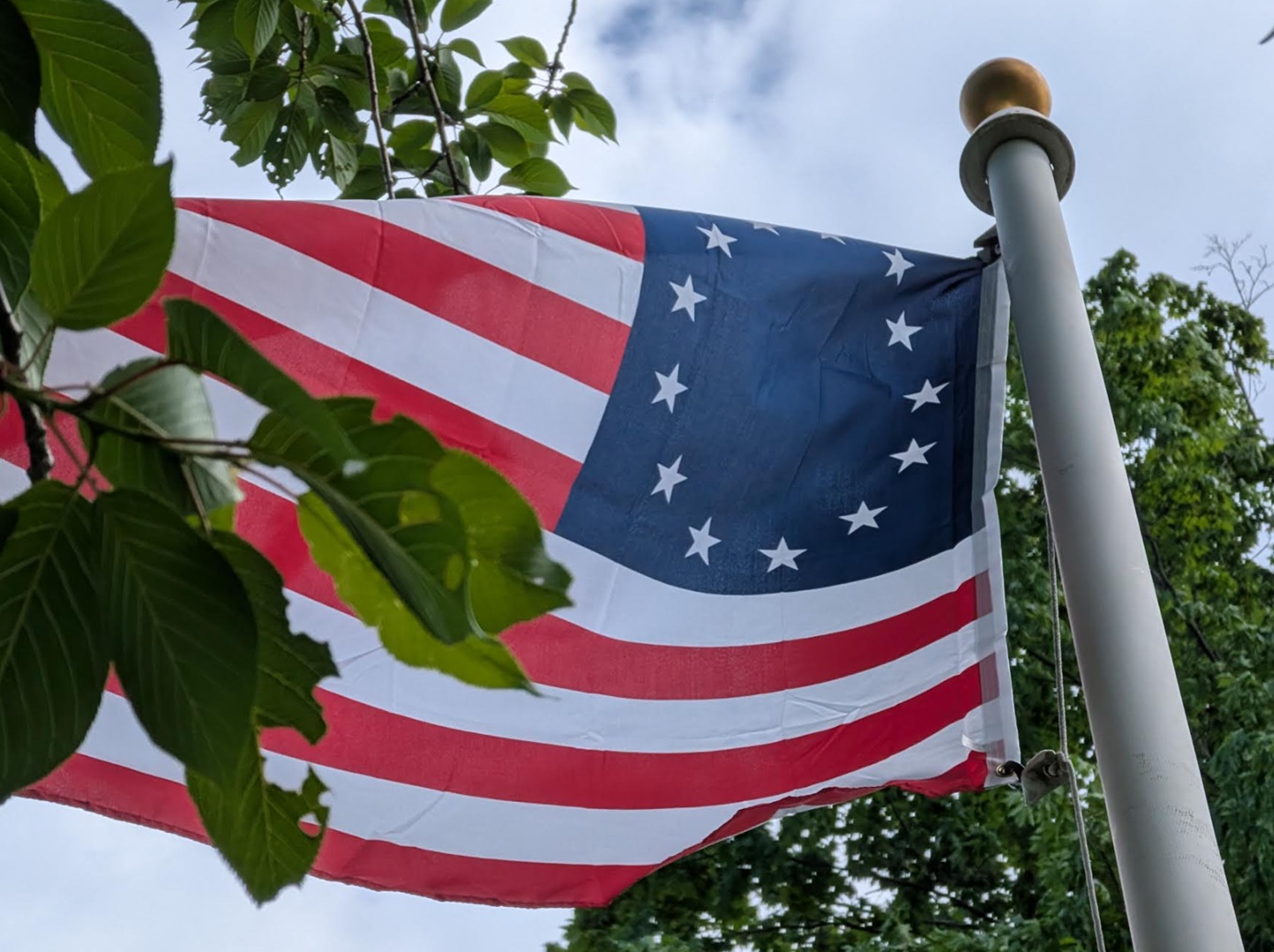
Bucks County was strategic location amid the fight for American independence and there are many historic sites still to see.
We created a countywide guide that traces the footsteps of George Washington, the Marquis de Lafayette, and local patriots through the sites that shaped the Revolutionary War.
Bensalem Township
Dunk’s Ferry at Neshaminy State Park: While Washington crossed at McConkey’s Ferry in what is now Washington Crossing, General John Cadwalader and members of the Pennsylvania militia attempted a coordinated crossing on the Delaware River in Bensalem Township on Christmas night 1776. Although river ice thwarted the full plan, the site remains an important location and is marked by a monument.
Advertisements
Growden Mansion on Neshaminy Valley Drive: Built in the early 1740s, the property was the home of Grace Growden Galloway and Joseph Galloway. By the mid-1770s, Joseph Galloway was one of Pennsylvania’s most influential political figures next to Benjamin Franklin. However, he remained a Loyalist and fled to England, leaving Grace in Bucks County.
Bristol Borough
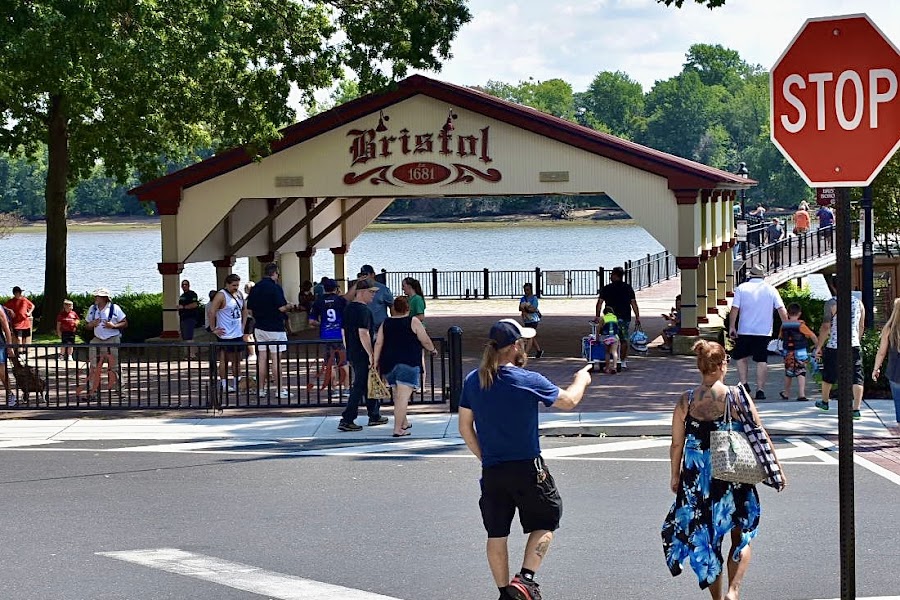
Bristol Borough Wharf & Riverfront: A key hub for the Continental Army, the waterfront was used to move troops, supplies, and intelligence when the British controlled many routes. Troops also used Bristol as a staging ground and lookout point during the failed Christmas night crossing attempt at Dunk’s Ferry.
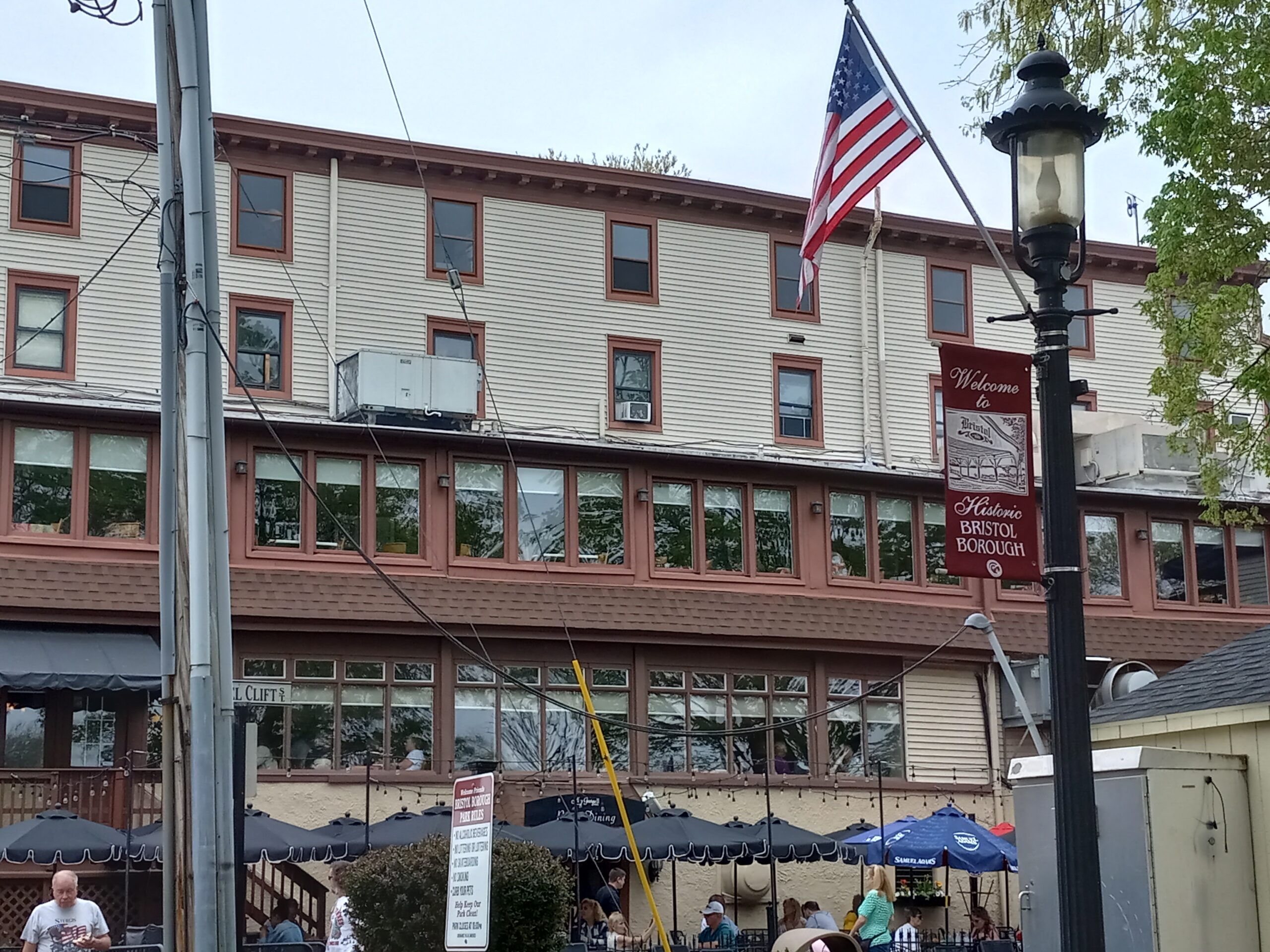
The King George II Inn: Opened in 1681 and recognized as one of the oldest restaurants in America, the business sat at the center of the important King’s Highway and served as a meeting point during the war.
Advertisements
The Simon Betz House on Radcliffe Street: After the Battle of Brandywine in September 1777, a wounded Marquis de Lafayette stopped here while being evacuated north by boat. He spent the night recovering while his wounds were tended to by Betz’s niece.
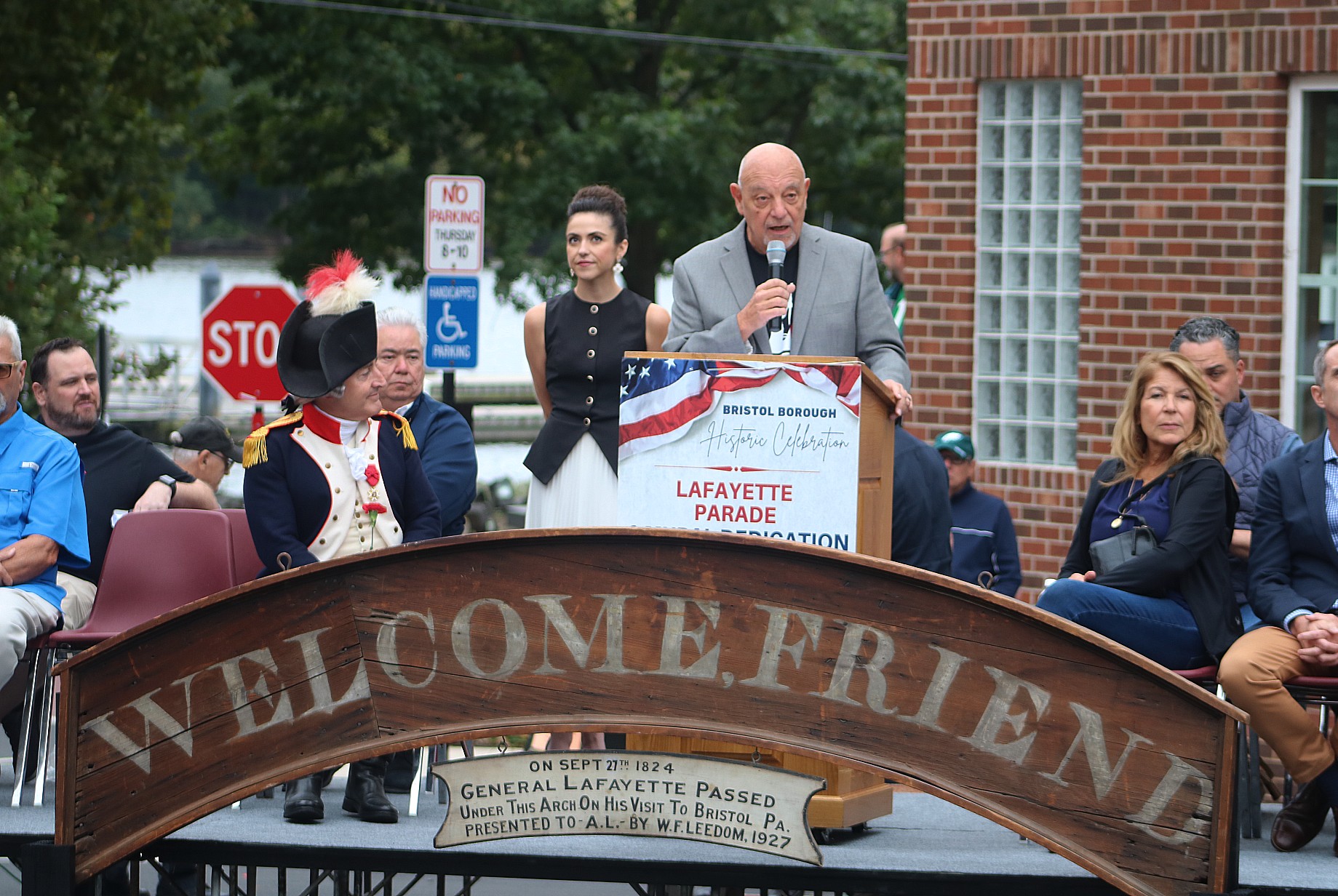
The “Welcome Friend” Entry Point on Radcliffe Street / Old Route 13): As part of the King’s Highway, the road was a major route for troop movements and intelligence. When Lafayette returned to America for his 1824 Farewell Tour, the town erected a massive “Welcome Friend” archway here. The original banner is preserved in Borough Hall.
Credit: Tom Sofield/LevittownNow.com
Advertisements
Bristol Township
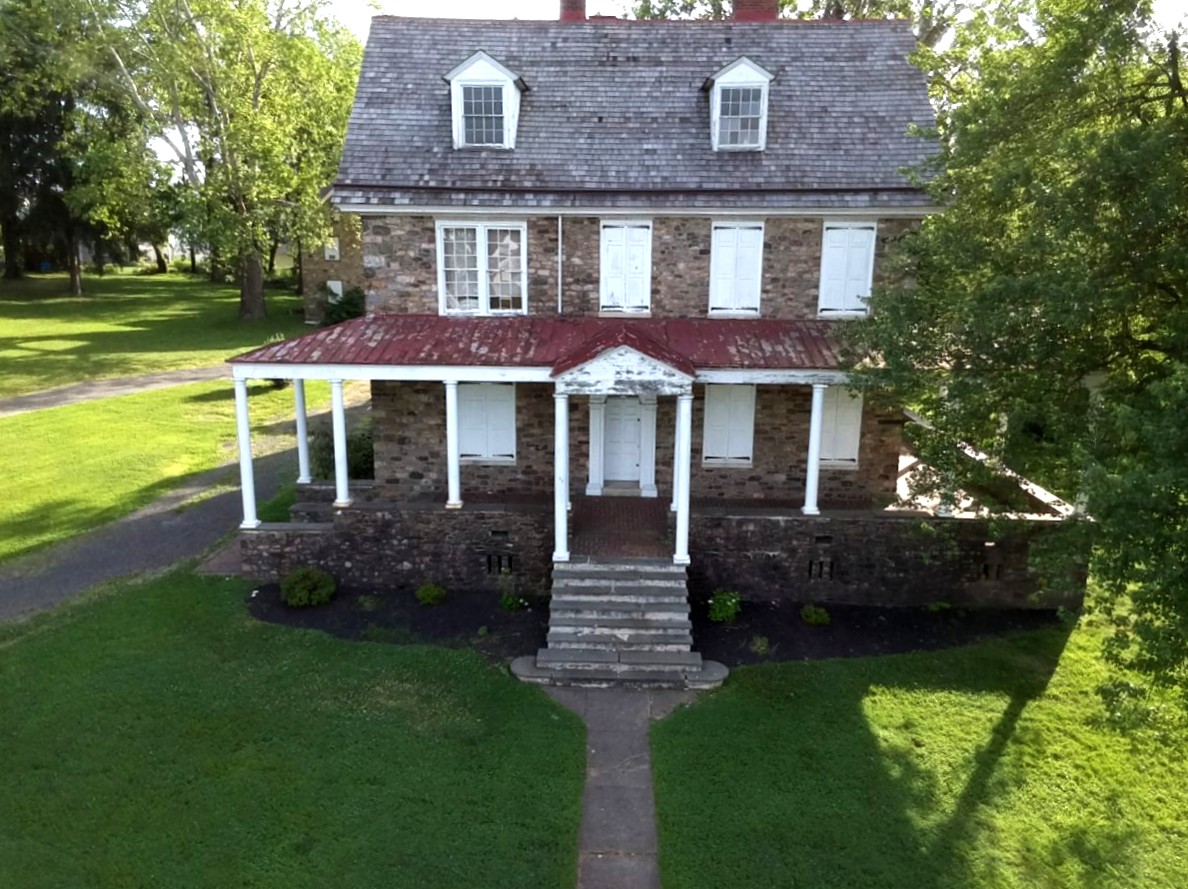
Bolton Mansion / Phineas Pemberton House on Holly Drive: Tucked into the Levittown section, the manor (the first structure was built in 1687) was the ancestral home of the Pemberton family. During the war, the family’s original timber-frame Manor House on the property was destroyed by British forces. The property has had many lives, including ties to William Penn, an office for Levitt and Sons, a time as a police station, and ties to the man who created Coca-Cola.
Buckingham Township
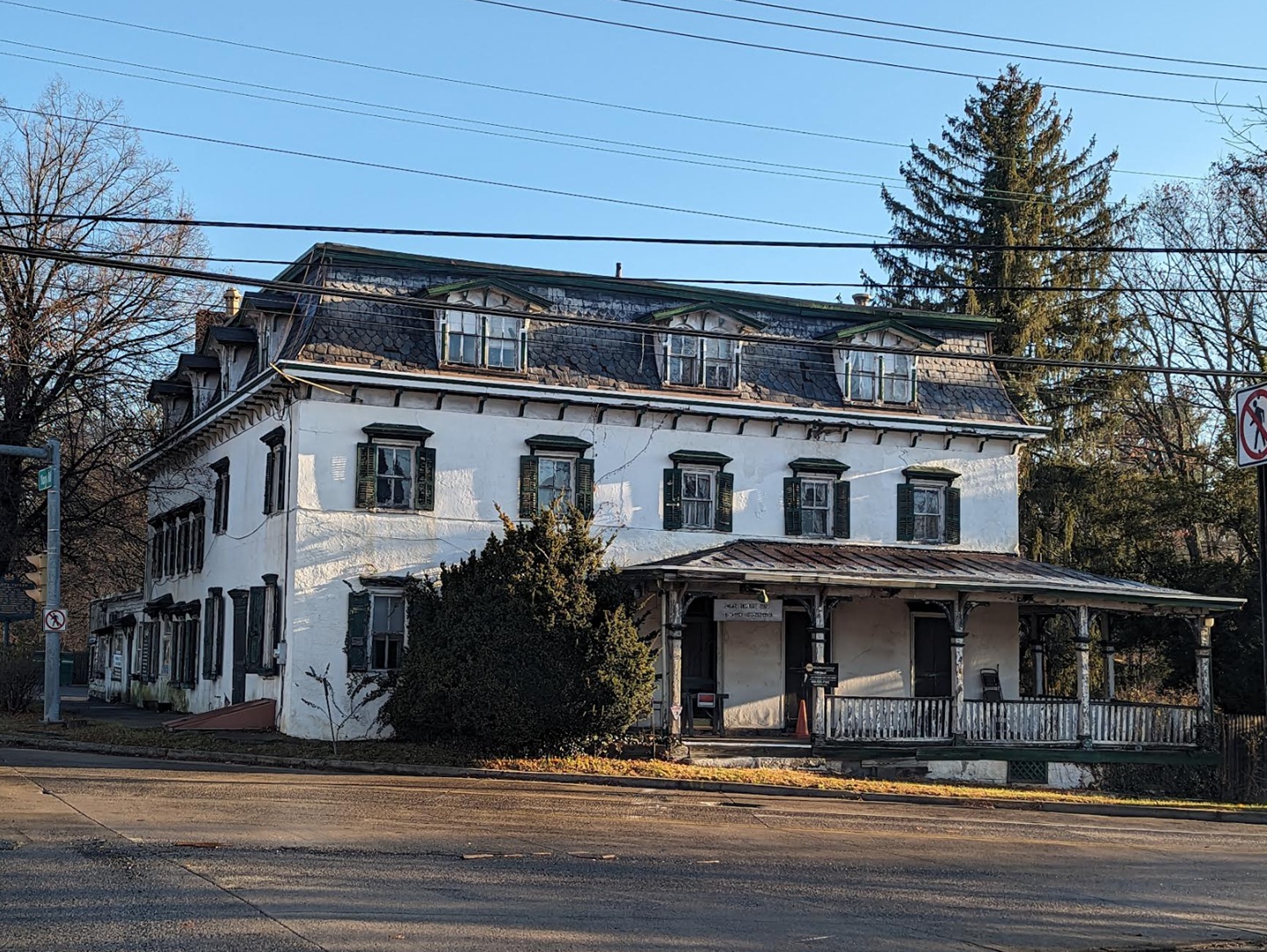
Buckingham Friends Meeting House on York Road: Constructed in 1765 along the Old York Road, the large building was used as a hospital to treat wounded soldiers from both sides during the winter of 1776. Troops marched past the structure on their way to battle.
Credit: Tom Sofield/LevittownNow.com
The Bogart Tavern / General Greene Inn at York and Durham Roads: The building at a key intersection served as General Nathanael Greene’s primary headquarters in December 1776. From here, he issued orders to secure Durham boats for the crossing, coordinated intelligence, and rallied local support.
Advertisements
Durham Township
Durham Boat House and Iron Works: No battles were fought in Upper Bucks County, but the site was an indispensable supplier of cannons, shot, and other military materials. The sturdy “Durham boats” manufactured here were the vessels secured by Washington to transport his troops and artillery across the Delaware River.
Langhorne Borough
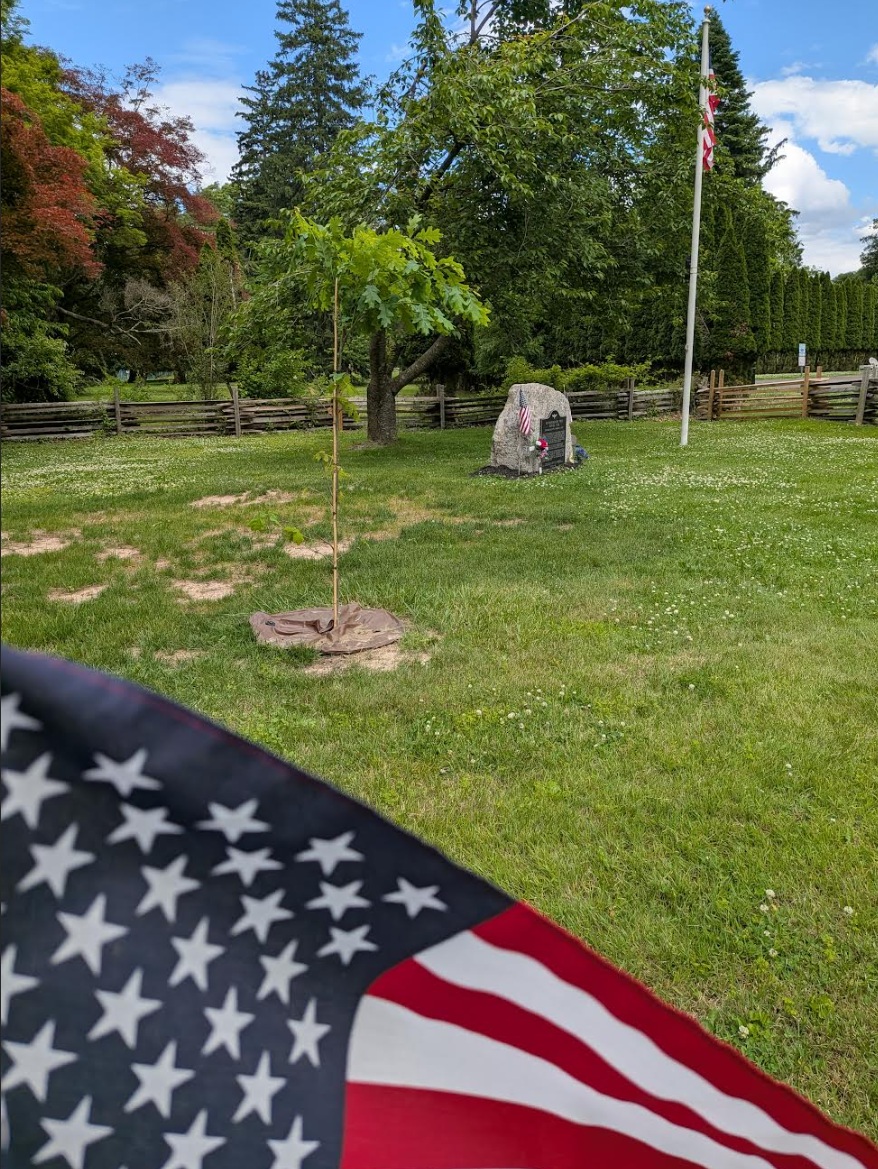
The Revolutionary War Burial Site at South Bellevue and Flowers Avenues: After the Battles of Trenton and Princeton, Washington ordered military hospitals established at Four Lanes End (Langhorne) on January 4, 1777. Many succumbed to illness and wounds. A 1992 archaeological excavation confirmed lore and proved the remains of an estimated 166 American soldiers were at the site.
Credit: Tom Sofield/LevittownNow.com
Advertisements
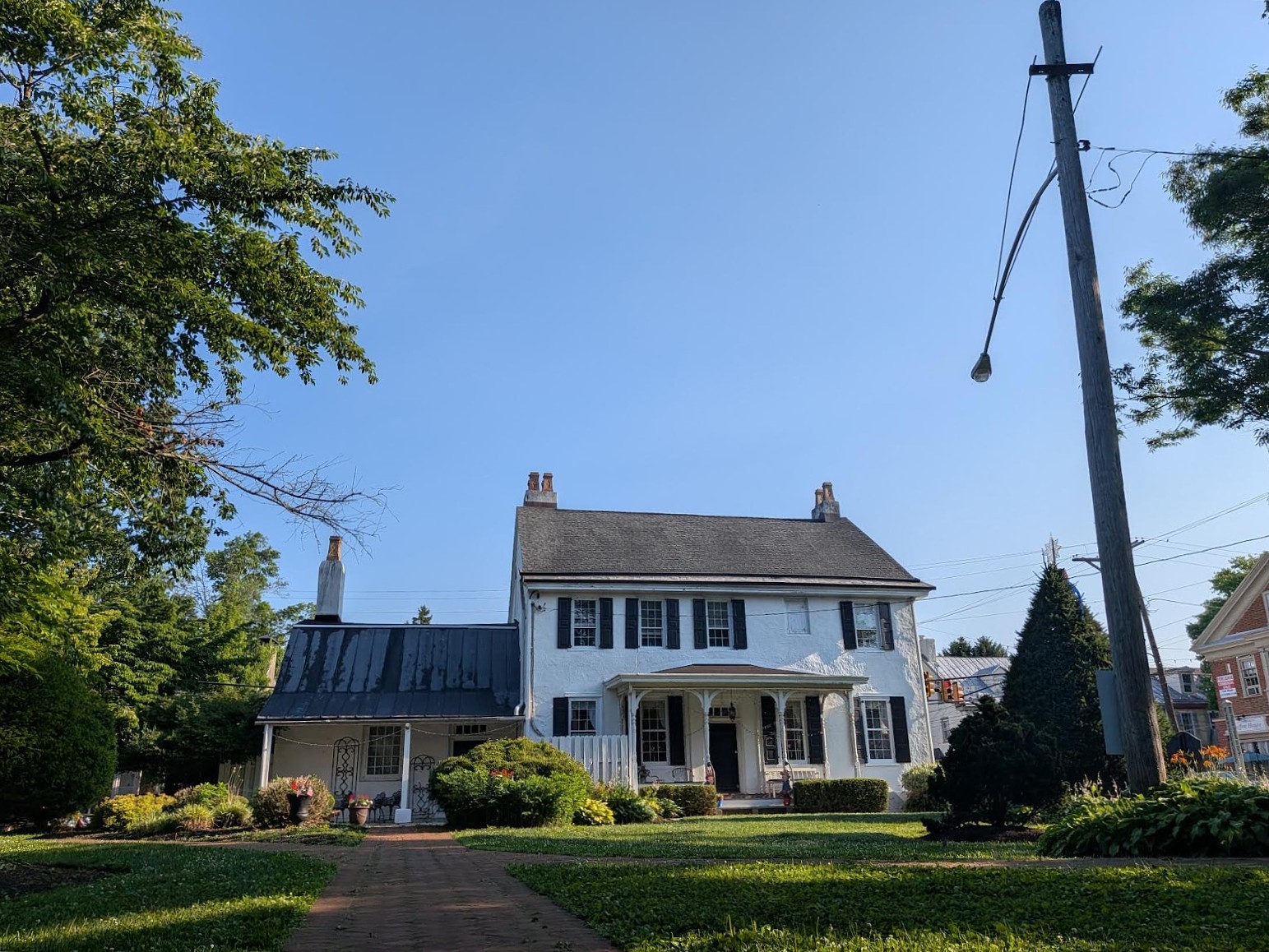
The Historic Richardson House at Bellevue and Maple avenues: Dating back to the 1730s, the stone building sits directly across from the Hicks House. After the Battle of Brandywine, it served as the very first stop for the escort transporting a wounded Marquis de Lafayette to Bethlehem and local residents dressed his wounds inside the home.
Credit: Tom Sofield/LevittownNow.com
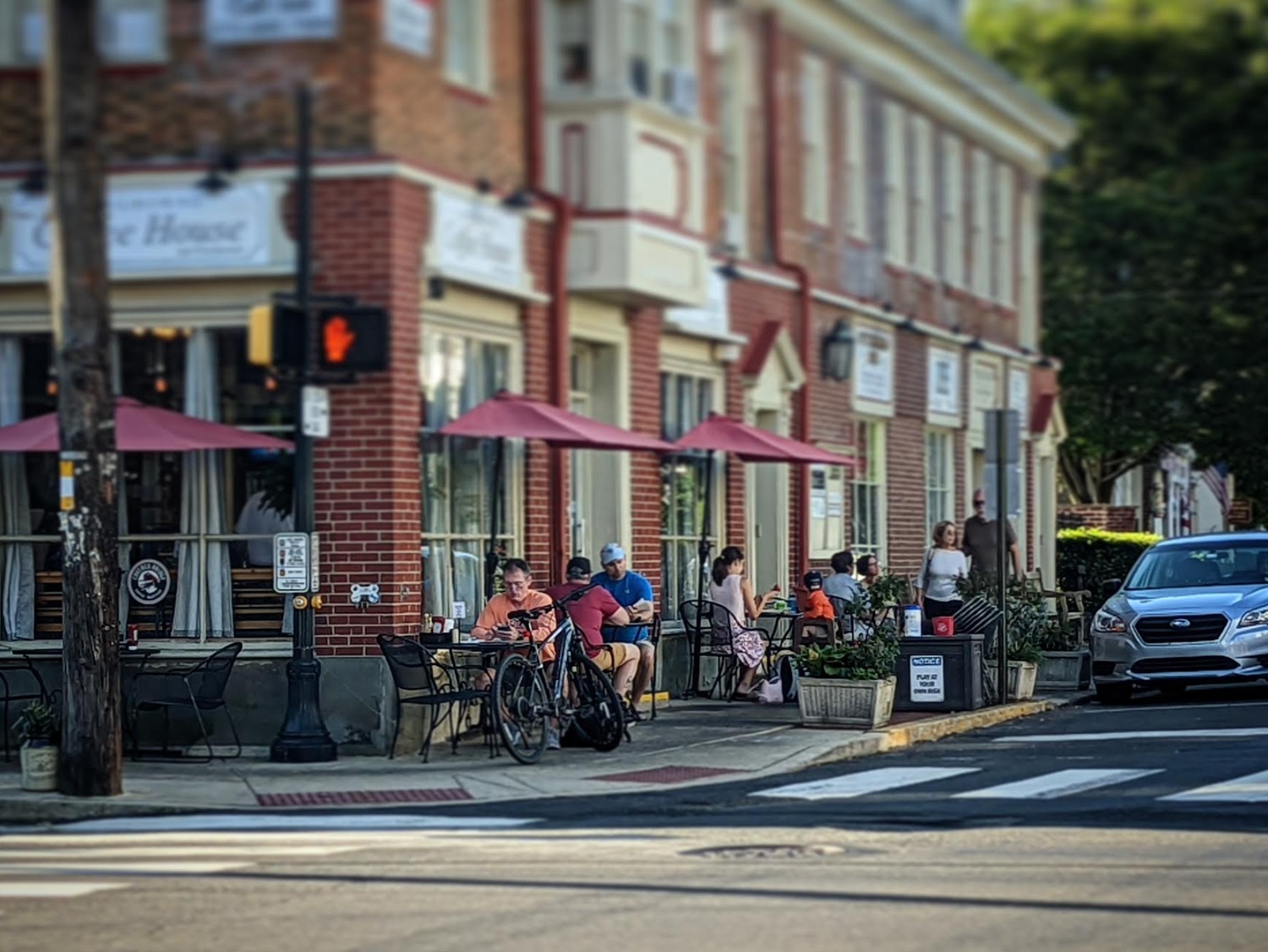
The Hicks House at Bellevue and Maple avenues: Constructed in 1763, the property belonged to Gilbert Hicks, a prominent Loyalist who sparked local outrage by reading British proclamations. After he fled, the property was confiscated and used by the Continental Army as a military hospital. It also briefly hosted the New Jersey Legislature when they fled across the river after being chased by the British.
Credit: Submitted
Advertisements
Morrisville Borough
Historic Summerseat: The Georgian mansion served as George Washington’s headquarters from December 8 to 14, 1776, after the army’s retreat across New Jersey. It was uniquely owned by two different signers of both the Declaration of Independence and the U.S. Constitution, Robert Morris and George Clymer.
New Hope Borough and the City of Lambertville
Coryell’s Ferry Crossing: One of the most important 18th-century river crossings, it played a vital strategic role before and after the Battle of Trenton. It later served as the crossing site in June 1778 when the American Army left Valley Forge en route to the Battle of Monmouth.
Advertisements
New Hope Borough
“The Old Fort” between the New Hope-Solebury Library and The Wedgewood Inn: Established to protect the Coryell’s Ferry crossing from a British advance, the defensive earthworks and artillery redoubts housed the troops of General William Alexander (Lord Stirling) for three weeks in December 1776.
Newtown Borough
Newtown Presbyterian Church on North Chancellor Street: The patriotic Scotch-Irish congregation’s cemetery contains the graves of numerous Revolutionary War veterans, alongside the graves of British troops who died during the French and Indian War.
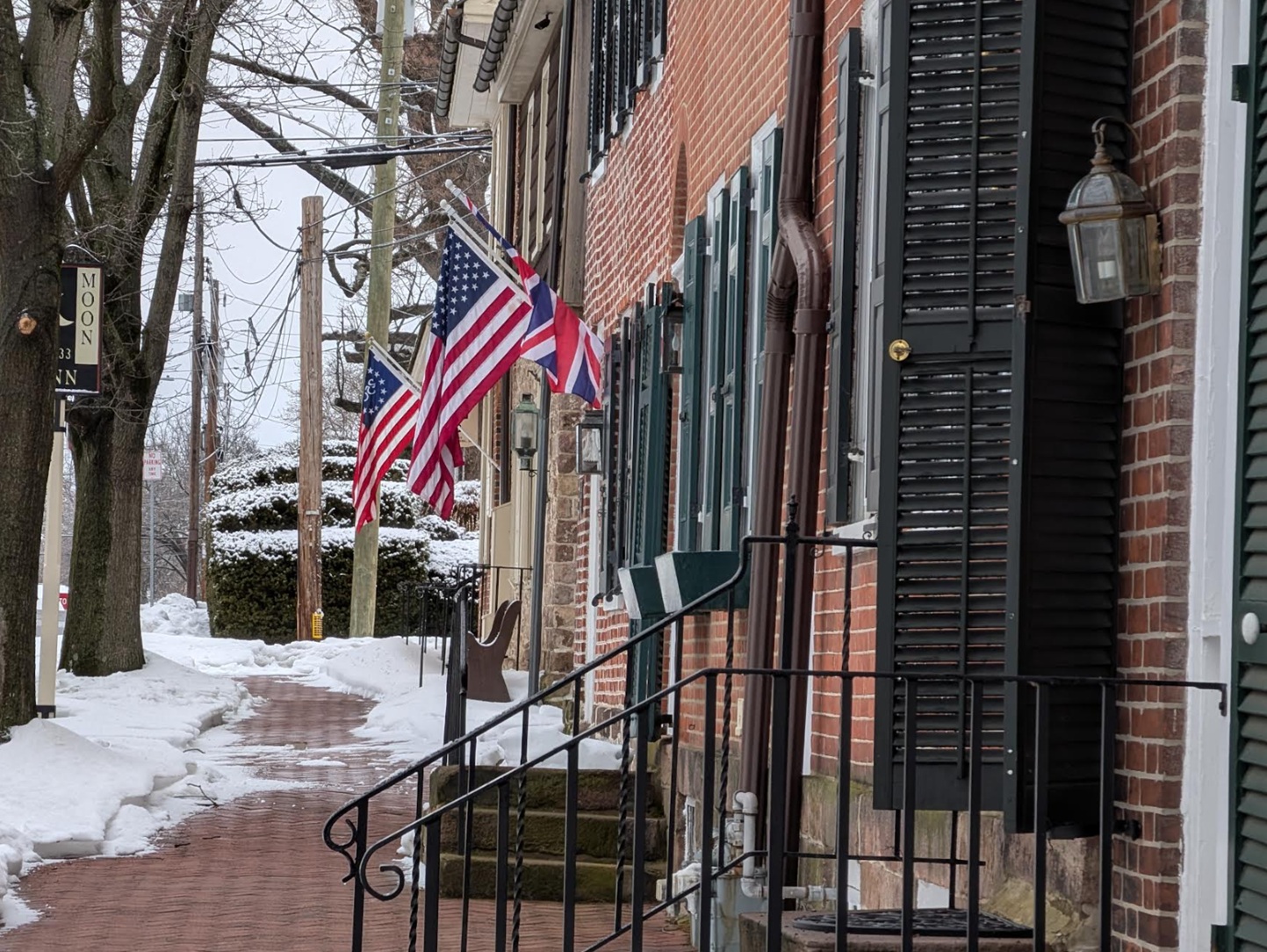
The Bird-in-Hand Tavern and “Red Lyon Inn” on South State Street: In 1778, a British and Loyalist raid behind the inn resulted in a fierce skirmish that saw five killed, four wounded, and 32 captured. After the war, the owners changed the name from the “Red Lyon” to the patriotic “Bird-in-Hand.”
Credit: Tom Sofield/LevittownNow.com
Advertisements
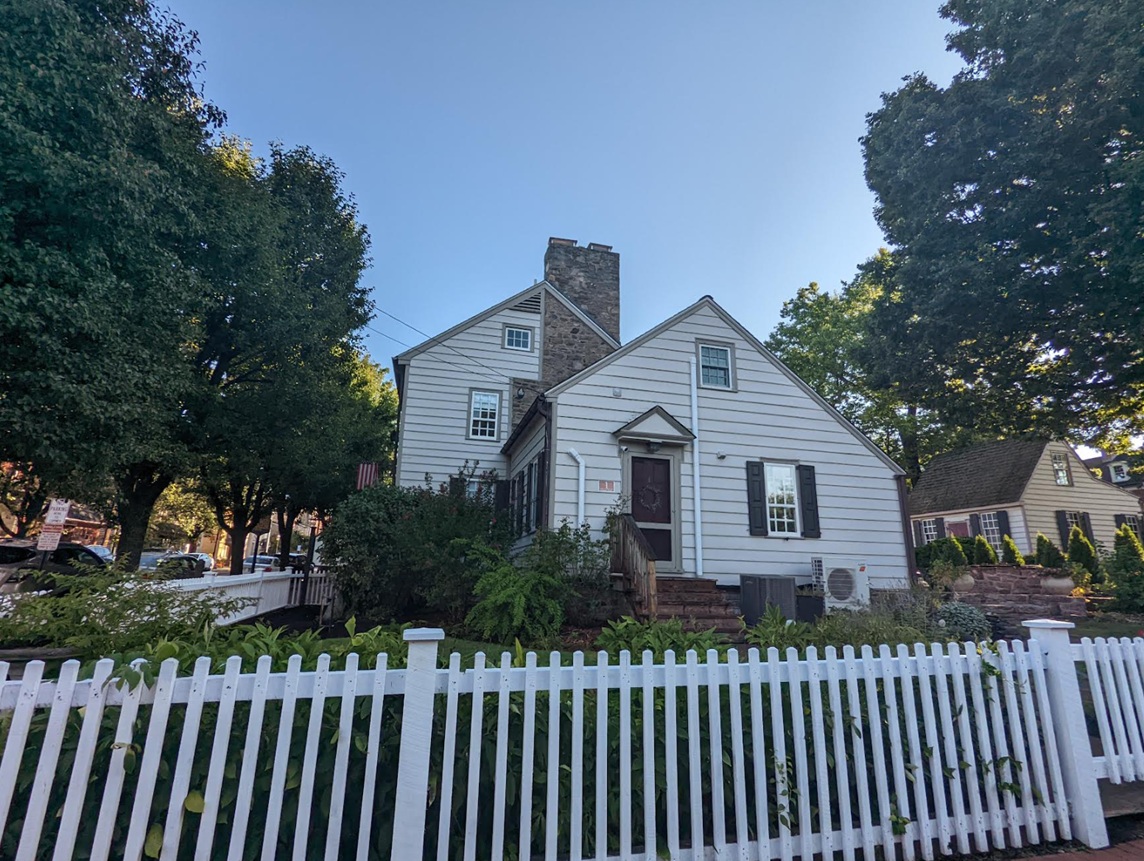
The Court Inn / Half-Moon Inn on Court Street: Built in 1733, the tavern was used by the Quartermaster Department during the “Ten Crucial Days” of December 1776. After the raid on Trenton, the surrounding area was also used as secure holding facilities to jail captured Hessian prisoners before they were marched inland.
Credit: Tom Sofield/LevittownNow.com
The Site of Washington’s Headquarters at Washington Avenue and Sycamore Street: The building at the site was replaced by a gas station in the mid-20th Century, but the location is where George Washington stayed before and after the Battle of Trenton, and it is where he wrote his two famous letters announcing the victory to the Continental Congress.
Advertisements
Quakertown Borough
Liberty Hall on West Broad Street: The small stone building was the home of Quaker Evan Foulke. On September 18, 1777, a heavily guarded wagon convoy secretly stored the Liberty Bell, which was hidden under straw and potato sacks, overnight behind this building to safeguard it from the British.
Upper Makefield and Solebury Townships
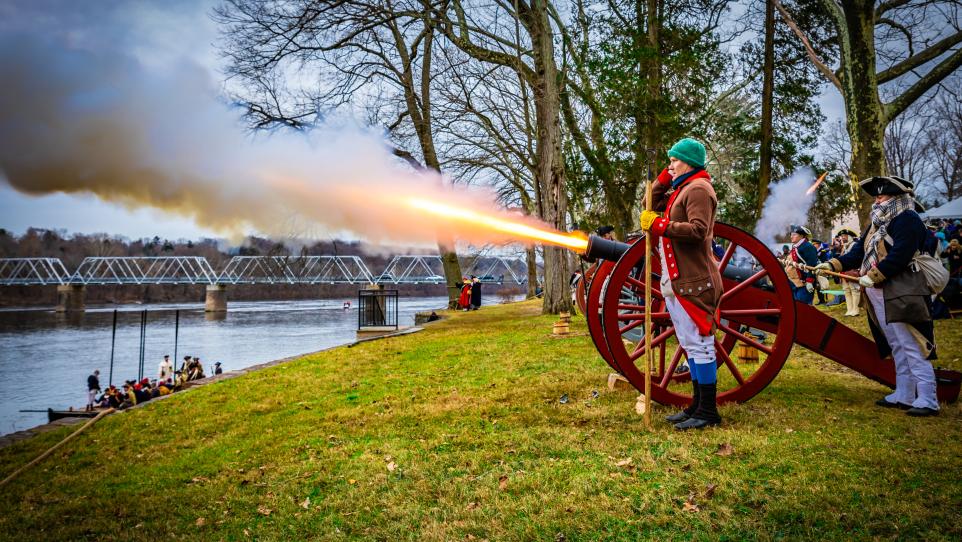
Washington Crossing Historic Park: The state park has several key areas from the December 1776 campaign. At the present main park area is where General George Washington led 2,400 Continental soldiers across the ice-choked Delaware River on Christmas night in 1776. The McConkey Ferry Inn is located by the bridge and is where Washington and his officers ate and made final preparations before the crossing. Bowman’s Hill Tower is located in the upper section of the park. The tower commemorates a key lookout point on the hill that was used by the army to monitor enemy movements along the river. Located in the Upper Section of the park near Pidcock Creek, the Revolutionary War Burial Plot serves as the final resting place for soldiers who died of exposure, malnutrition, and disease at the makeshift hospital. It contains mostly unmarked graves, with the exception of Captain James Moore of the New York Artillery, who died on Christmas Day, 1776. Nearby, the Thompson-Neely House served as a temporary encampment and convalescent hospital in December 1776 for fatigued and sick troops. Figures like Alexander Hamilton and Captain James Monroe (the future 5th U.S. President) were stationed in the area.
Upper Southampton
North and Southampton Reformed Church on Bristol Road: As the first Reformed Church organized in Pennsylvania, its historic burial grounds serve as the final resting place for several Revolutionary War veterans.
Old Southampton Baptist Churchyard on Second Street Pike: The cemetery holds the graves of numerous local patriots who fought in the Bucks County Militia, including General John Davis. The church’s pastor, Rev. William Van Horne, left his congregation in 1776 to serve as a militia chaplain.
Advertisements
Warminster Township and Hatboro Borough
The Battle of Crooked Billet Monument: One of the few combat engagements to spill directly into the county happened along the border of Bucks and Montgomery counties. On May 1, 1778, British forces launched a surprise dawn attack on Brigadier General John Lacey’s Pennsylvania militia, who managed a successful fighting retreat despite heavy casualties.
Warwick Township
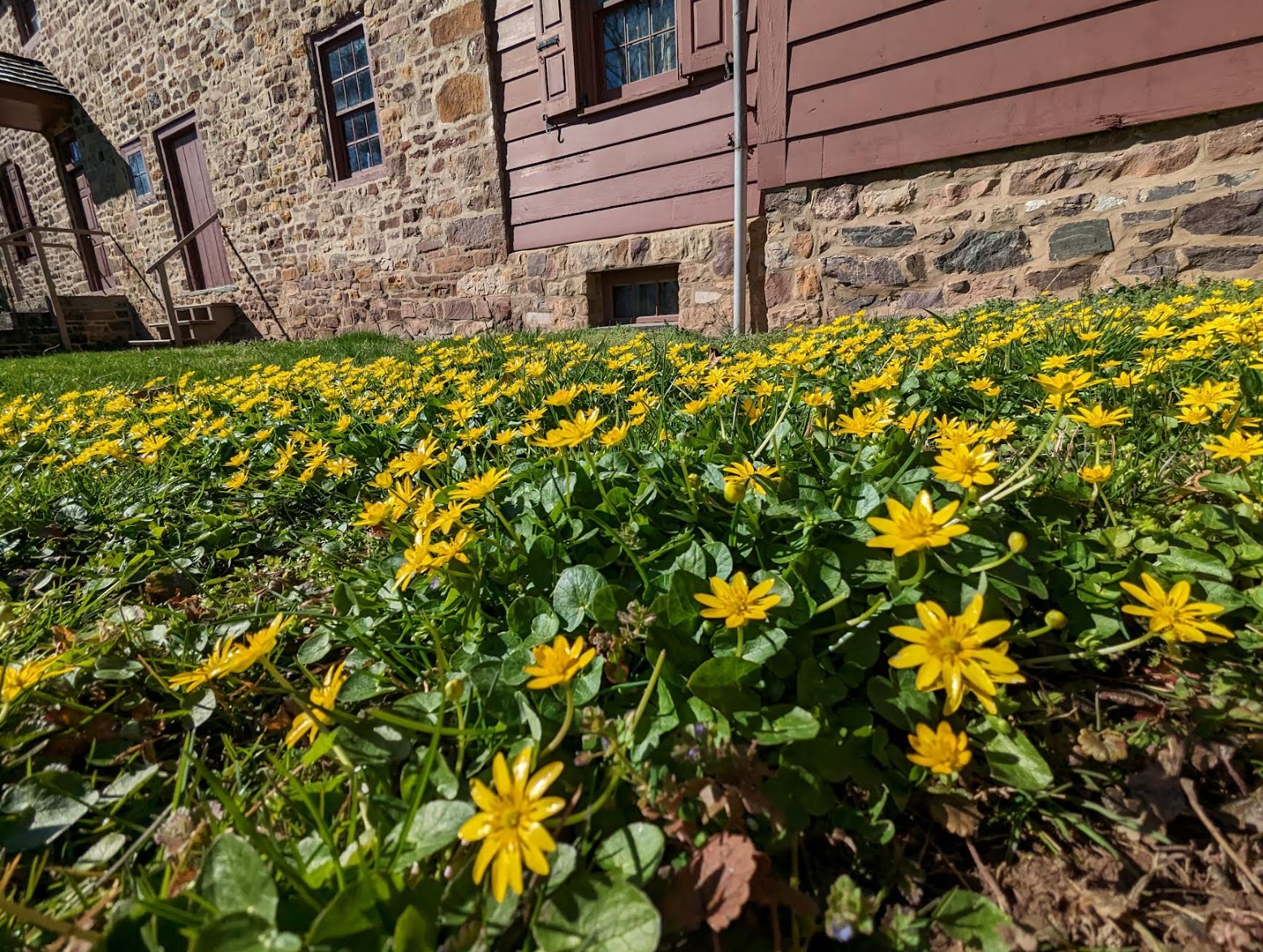
Moland House on York Road: George Washington held a Council of War at the site with his generals. It is the location where the young Marquis de Lafayette first met Washington, officially joined the Continental Army, and assumed his command. It was part of a large encampment visited by Count Casimir Pulaski, General Nathanael Greene, and Alexander Hamilton, and is famously said to be the place where Betsy Ross’ flag was flown for the first time.
Credit: Tom Sofield/LevittownNow.com
Bucks250PA has created a Revolutionary War Trail featuring some of the sites mentioned above. Click here to see it.
Information in this story came from various sources, including historic groups in Bristol, Buckingham, Newtown, New Hope, Solebury, Quakertown, and Langhorne. It also features facts from Visit Bucks County, the Bucks County Historical Society, the Bucks County Herald, Phillyburbs, the Bristol Pilot, local municipal governments, the National Archives and Records Administration, Bucks County Adventures by Carl LaVO, the Pennsylvania Department of Conservation and Natural Resources, the Friends of Washington Crossing Park, the Friends of Bolton Mansion, “The History of Bucks County by William Hart Davis,” and the Historical Marker Database.

