



By Peter Hall | Pennsylvania Capital-Star
State lawmakers have long eyed skill games as both a vice in need of regulation and a potential source of new revenue for the commonwealth.
For years, they’ve struggled to reach a consensus on the details.
Advertisements
The state Supreme Court’s ruling Monday declaring the devices illegal brought both clarity and a sense of urgency for the legislature to act.
For more than a decade, video gambling machines have appeared in gas stations, convenience stores and other small businesses across the country. In Pennsylvania, officials have been thwarted in efforts to stop the spread by a series of court decisions that put skill games beyond the reach of gaming authorities and prosecutors.
The high court’s long-awaited decision came about two weeks before the June 30 deadline to pass the next state budget. And Republican leaders in the Senate said shortly after the ruling on Monday evening, it’s now clear gambling reform will be a “critical piece of resolving this year’s budget.”
Advertisements
Asked about the ruling, Gov. Josh Shapiro told reporters the need to regulate and tax the games has been obvious.
“I’ve been calling for this for three straight years,” he said, adding that the Senate Republicans’ recognition of the need to pass skill game legislation is promising.
“What I’d encourage the Republican leadership of the Senate to do is to work with the Democratic leadership in the Senate and see what kind of package can get 26 votes in their chamber and get that bill to my desk,” he said at an unrelated event.
Advertisements
House Democrats, who have already approved Shapiro’s $53.3 billion spending plan for 2026-2027, said they’re hopeful the finality of the ruling might help the Senate resolve disagreements and pass legislation to regulate and tax skill games.
“We look forward to seeing what they can pass in a bipartisan fashion in their chamber,” House Democratic leaders said in a statement.
Some lawmakers pushed to outlaw the devices, saying they contribute to crime in vulnerable neighborhoods, prey on those who can least afford to lose money and expose children to gambling.
Advertisements
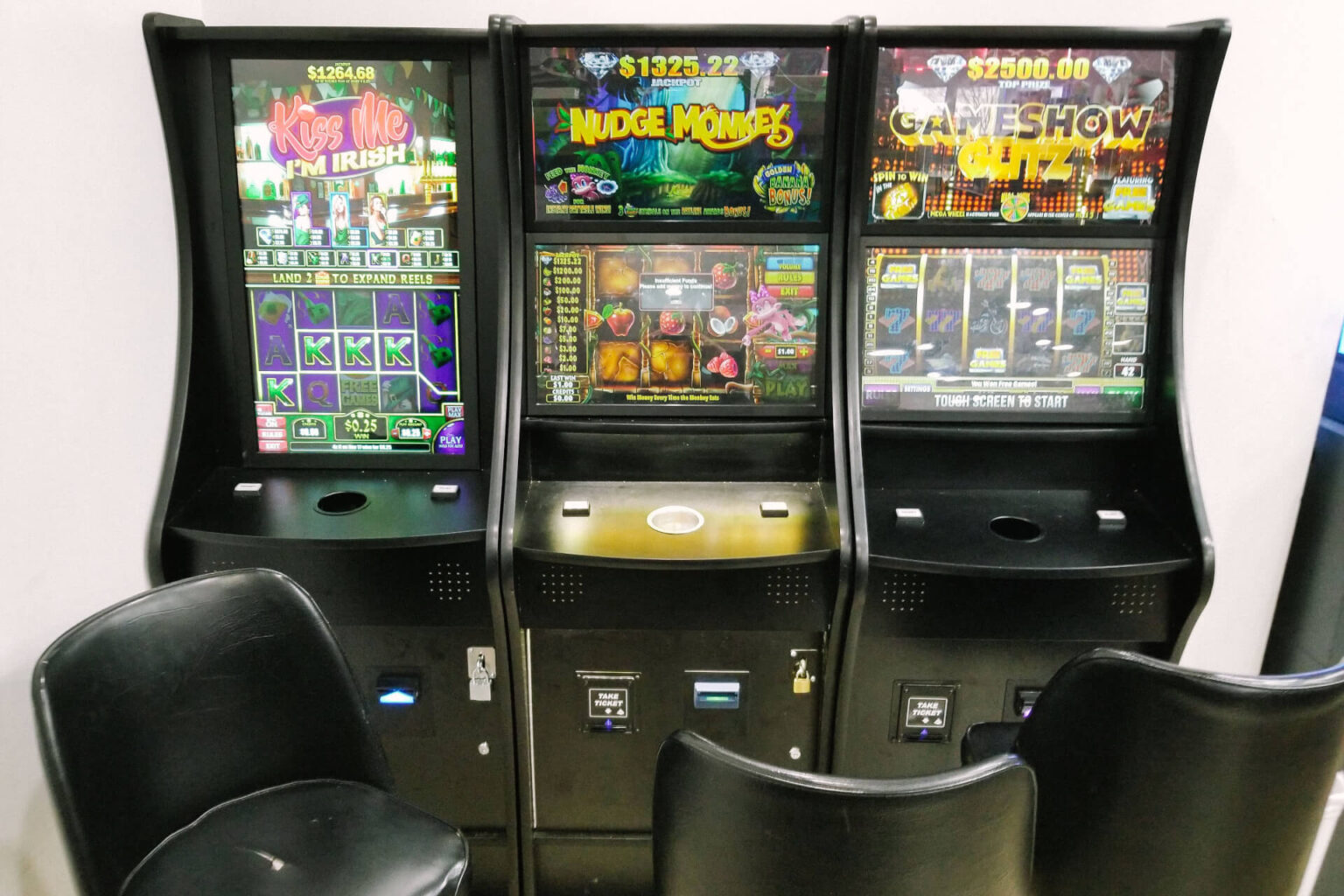
Skill games resemble video gambling machines found in casinos, which are regulated and taxed by the state. Players can bet to win jackpots based on the outcome of chance-based games, but can win back their money if they lose by completing a puzzle.
Pace-O-Matic (POM), the leading maker of skill games, contended in court the machines differ crucially from gambling machines in that the game incorporates an element of skill to win.
In its 4-2 decision Monday, the Supreme Court overruled what the majority called a pair of “badly flawed” decisions from an intermediate appeals court. Those rulings essentially allowed the slot machine lookalikes to proliferate in a legal gray area into neighborhood stores, taverns and private clubs across the state.
Advertisements
Justice David Wecht, writing for the majority, said the General Assembly clearly defined what is a skill game, and it was “abundantly clear” that POM’s machines don’t meet it.
Recognizing the potential to put thousands of Pennsylvania businesses on the wrong side of the law overnight, the court delayed enforcement of its ruling for 120 days.
Senate Majority Leader Joe Pittman (R-Indiana) and President Pro Tempore Kim Ward (R-Westmoreland) called the unregulated skill games now in use — estimated at up to 70,000 — a matter of public safety.
Advertisements
“In addition, with the fiscal realities facing our Commonwealth, it stands to reason that new revenue from gaming reform should be directed to the general fund, as the Governor proposed in his 2026-27 budget,” they said.
Shapiro’s budget proposed putting skill games under the purview of the Pennsylvania Gaming Control Board, which already oversees casinos, video game terminals and other forms of gambling. With up to five skill machines per establishment and 40,000 statewide taxed at 52%, the plan could generate more than $2 billion annually.
Advertisements
House Appropriations Committee Chairman Jordan Harris (D-Philadelphia) said that while it will take cooperation between the two chambers to reach the final product, the next move is up to the Senate.
“Let’s be very clear, we were asked to send things over to the Senate, which we did,” Harris told reporters Tuesday. “We’ve never received anything from the Senate, and so you know we’re looking to see what they want to do.”
The Senate returns to session June 22.
Advertisements
Efforts to pass bills to regulate skill games ended with an impasse last year in the Senate over the tax rate and other details. The commonwealth’s casino industry, which has lobbied heavily against skill games, is taxed at a hefty 55% and pushed for a comparable rate.
Senate leaders endorsed a plan to tax skill games at 35%. Sen. Gene Yaw (R-Lycoming), whose district includes skill game maker Miele Manufacturing, sponsored competing legislation to tax the machines at 16%. Yaw and Sen. Anthony Williams (D-Philadelphia) also introduced a bill to impose a monthly fee of $500 per machine.
Advertisements
Also unresolved is whether revenue from the tax would go to the state’s general fund or be dedicated to funding transportation – a sticking point in past budget negotiations as the commonwealth’s public transit agencies face a long-term funding crisis. But Senate Republicans have refused Shapiro’s proposal to include roughly $300 million in new funding without parity for other forms of transportation such as rural highways and bridges.
Last year, Shapiro directed an additional $220 million in capital funding to the state’s largest transit agency, the Southeastern Pennsylvania Transportation Authority (SEPTA), to address urgent infrastructure needs. But Harris declined to discuss whether transportation funding could be an issue in the context of skill game revenue in this month’s negotiations.
Advertisements
“We all have to come together, make a decision on how we’re going to regulate skill games, where they’re going to go, where they shouldn’t go, and be able to provide relief to communities throughout the commonwealth who have been waiting for us to do something,” he said.
Pennsylvania Capital-Star is part of States Newsroom, a nonprofit news network supported by grants and a coalition of donors as a 501c(3) public charity. Pennsylvania Capital-Star maintains editorial independence. Contact Editor Tim Lambert for questions: info@penncapital-star.com.

