


The Pennsylvania Supreme Court has rejected the arguments in the appeal of a Bristol Township man who killed two people in a high-speed, fiery crash on I-95
Advertisements
In a 6-0 decision issued last month, the justices rejected an argument that drunk driving homicides require a higher standard of proof for malice.
The opinion of the state’s highest court affirms the 19.5-to-39-year prison sentence imposed against Kevin R. Peters, 43, formerly of Bristol Township’s Fairless Hills section, in 2021.
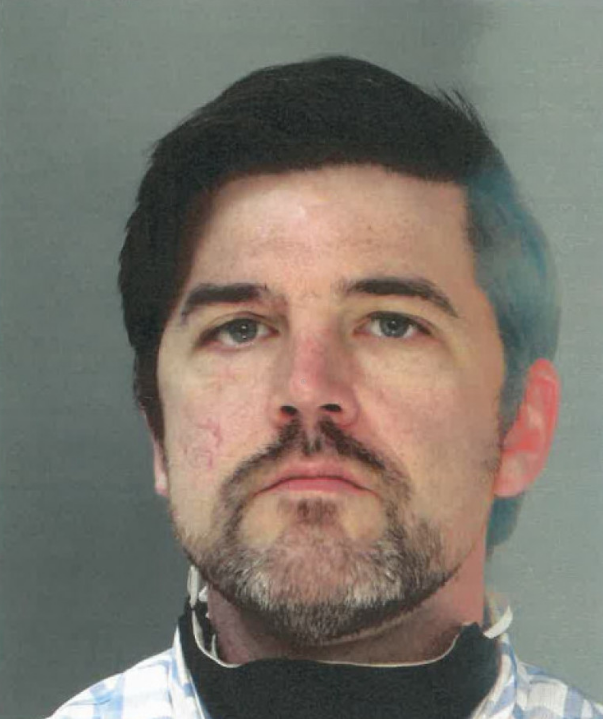
Credit: Bucks County District Attorney’s Office
Justice Kevin Dougherty, writing for the majority, denied Peters’ claim that state precedent had established a “DUI-specific” standard for malice requiring proof that death or injury was an “essentially certain” outcome.
Advertisements
“To put it plainly: malice is malice,” Dougherty wrote. “The standard for malice is the same regardless of whether the defendant drove while intoxicated or fired a gun.” The court ruled that legal malice is established if a defendant consciously ignores an unjustified and extremely high risk to human life.
The appeal was related to an early morning crash on Dec. 6, 2019 in Bristol Township.
Advertisements
Prosecutors said Peters had spent hours drinking vodka and bourbon with co-workers at a work holiday party in Philadelphia, which was followed by more drinking at a nearby bar.
According to court records, Peters declined a co-worker’s offer for a ride home.
When attempting to leave a Center City parking garage, he struggled to operate the payment kiosk and eventually broke off a mechanical exit arm to get his Mazda CX-5 out, prosecutors said.
Advertisements
Once on I-95, Peters drove so erratically without taillights that multiple motorists called 9-1-1 to report he was swerving and fluctuating the speed of his vehicle.
After missing his exit, Peters unbuckled his seatbelt and reached down to the passenger floorboard to rummage through a backpack for his phone to check GPS.
Advertisements
Black box data revealed Peters was traveling 113 mph five seconds before the crash and actually accelerated to 115 mph just a half-second before hitting the back of a disabled minivan, according to court records.
The minivan, which was traveling at or below the 55-mph speed limit in the right lane with its emergency flashers on, was pushed into a concrete wall and burst into flames.
Advertisements
The impact killed passengers Juan Jose Tavarez Santelises, 20, and Claribel Dominguez, 35, both of Philadelphia, who died of thermal burns.
The driver, Juan Alberto Tavarez, and another passenger survived with severe injuries and burns.
Advertisements
The victims had left their jobs at a packing plant before the crash and pulled onto the shoulder and put their four-way flashers on after their vehicle had trouble.
A blood test taken two hours later showed Peters had a blood-alcohol concentration of .151, nearly double the state’s legal limit, according to prosecutors.
A Bucks County jury convicted Peters in September 2021 on 14 counts, including third-degree murder, aggravated assault, and homicide by vehicle while DUI.
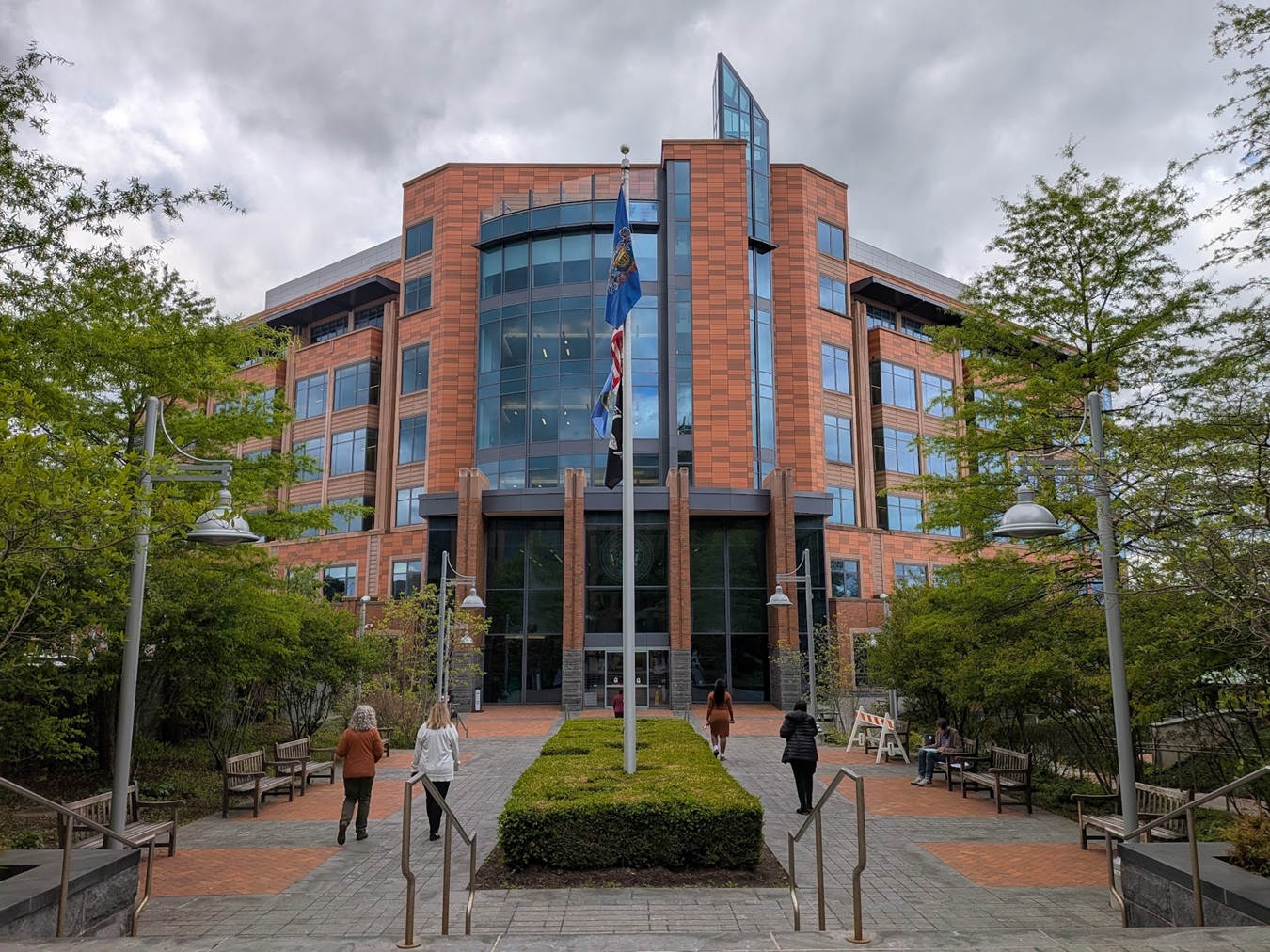
Credit: Tom Sofield/LevittownNow.com
Advertisements
Bucks County Court of Common Pleas Judge Diane Gibbons later sentenced him to the state prison term.
Peters’ appeal argued that the prosecution failed to prove malice because Peters did not receive an explicit third-party warning about his driving, and because his attempt to hit the brakes four-tenths of a second before impact showed he tried to avoid the crash.
Advertisements
The Supreme Court dismissed those arguments.
The state’s highest court wrote that Peters’ actions at the parking garage, his near-misses on the highway, and his choice to drive at extreme speeds while looking for a phone provided ample warning signs.
“Braking was just as futile as trying to catch a fired bullet,” Dougherty wrote, concluding that a last-second attempt to avert disaster did not erase the sustained malice of his actions leading up to the crash.
Juan Alberto Tavarez, who was injured in the crash and lost his son in the minivan, said at the 2021 sentencing that he misses his son and worries about finances for medical costs.
Advertisements
“To see your son die … in the middle of the fire … and to see my son become smoke is something horrible,” he said through a translator.
“I do go to church for the man over there,” Tavarez said. “I pray for the ones we lost, and I pray for you.”
Justice Daniel McCaffery did not participate in the consideration or decision of the case.

