



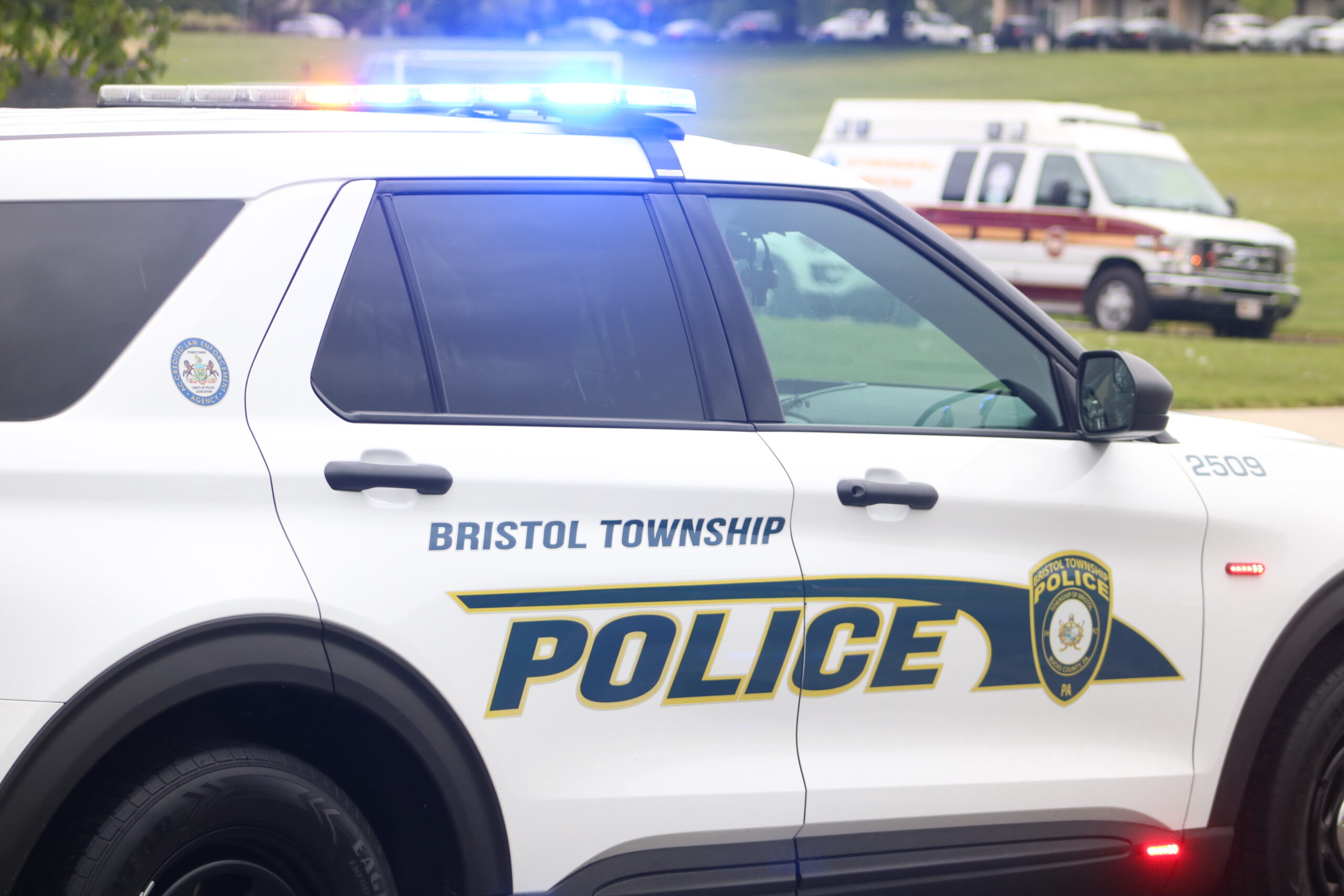
Bristol Township police are investigating two separate motorcycle crashes that occurred.
Advertisements
The first crash happened at 1:37 p.m. on Sunday when a black Honda Shadow motorcycle collided with a blue Subaru Legacy on New Falls Road between Plumtree Road and Petunia Road, police said.
The Subaru was driven by a 63-year-old woman from Levittown, while the motorcycle was operated by a 40-year-old man from Levittown.
The motorcyclist was transported to St. Mary’s Medical Center in Middletown Township. The extent of his injuries was unknown as of Monday afternoon, Lt. Sean Cosgrove said.
Advertisements
The crash remained under investigation.
The second crash occurred at 12:29 a.m. on Monday.

A 64-year-old man riding a 2009 Harley Davidson attempted to overtake another vehicle in the 800 block of Route 13 in the Croydon section of the township.
Advertisements
The motorcyclist struck a median and crashed.
The injured man was taken to Jefferson Torresdale Hospital in Philadelphia. The severity of his injuries was not yet known, Cosgrove said.
Police continued to investigate the circumstances surrounding the crash.
The National Highway Traffic Safety Administration released the following motorcycle safety tips:
Advertisements
BEFORE EVERY RIDE: Check your motorcycle’s tire pressure and tread depth, hand and foot brakes, headlights and signal indicators, and fluid levels before you ride. You should also check under the motorcycle for signs of oil or gas leaks. If you’re carrying cargo, you should secure and balance the load on the cycle; and adjust the suspension and tire pressure to accommodate the extra weight. If you’re carrying a passenger, he or she should mount the motorcycle only after the engine has started; should sit as far forward as possible, directly behind you; and should keep both feet on the foot rests at all times, even when the motorcycle is stopped. Remind your passenger to keep his or her legs and feet away from the muffler. Tell your passenger to hold on firmly to your waist, hips, or belt; keep movement to a minimum; and lean at the same time and in the same direction as you do. Do not let your passenger dismount the motorcycle until you say it is safe.
If you’re ever in a serious motorcycle crash, the best hope you have for protecting your brain is a motorcycle helmet. Always wear a helmet that meets U.S. Department of Transportation (DOT) Federal Motor Vehicle Safety Standard (FMVSS) 218. Look for the DOT symbol on the outside back of the helmet. Snell and ANSI labels located inside the helmet also show that the helmet meets the standards of those private, non-profit organizations. Learn more about choosing the right helmet.
Arms and legs should be completely covered when riding a motorcycle, ideally by wearing leather or heavy denim. In addition to providing protection in a crash, protective gear also helps prevent dehydration. Boots or shoes should be high enough to cover your ankles, while gloves allow for a better grip and help protect your hands in the event of a crash. Wearing brightly colored clothing with reflective material will make you more visible to other vehicle drivers.
Advertisements
RIDE RESPONSIBLY: Experienced riders know local traffic laws – and they don’t take risks. Obey traffic lights, signs, speed limits, and lane markings; ride with the flow of traffic and leave plenty of room between your bike and other vehicles; and always check behind you and signal before you change lanes. Remember to ride defensively. The majority of multi-vehicle motorcycle crashes generally are caused when other drivers simply didn’t see the motorcyclist. Proceed cautiously at intersections and yield to pedestrians and other vehicles as appropriate. You can increase your visibility by applying reflective materials to your motorcycle and by keeping your motorcycle’s headlights on at all times, even using high beams during the day.
BE ALCOHOL AND DRUG FREE: Alcohol and drugs, including some prescribed medications, negatively affect your judgment, coordination, balance, throttle control, and ability to shift gears. These substances also impair your alertness and reduce your reaction time. Even when you’re fully alert, it’s impossible to predict what other vehicles or pedestrians are going to do. Therefore, make sure you are alcohol and drug free when you get on your motorcycle. Otherwise, you’ll be heading for trouble.
Advertisements
Report a correction via email | Editorial standards and policies