

By Cassie Miller | Pennsylvania Capital-Star
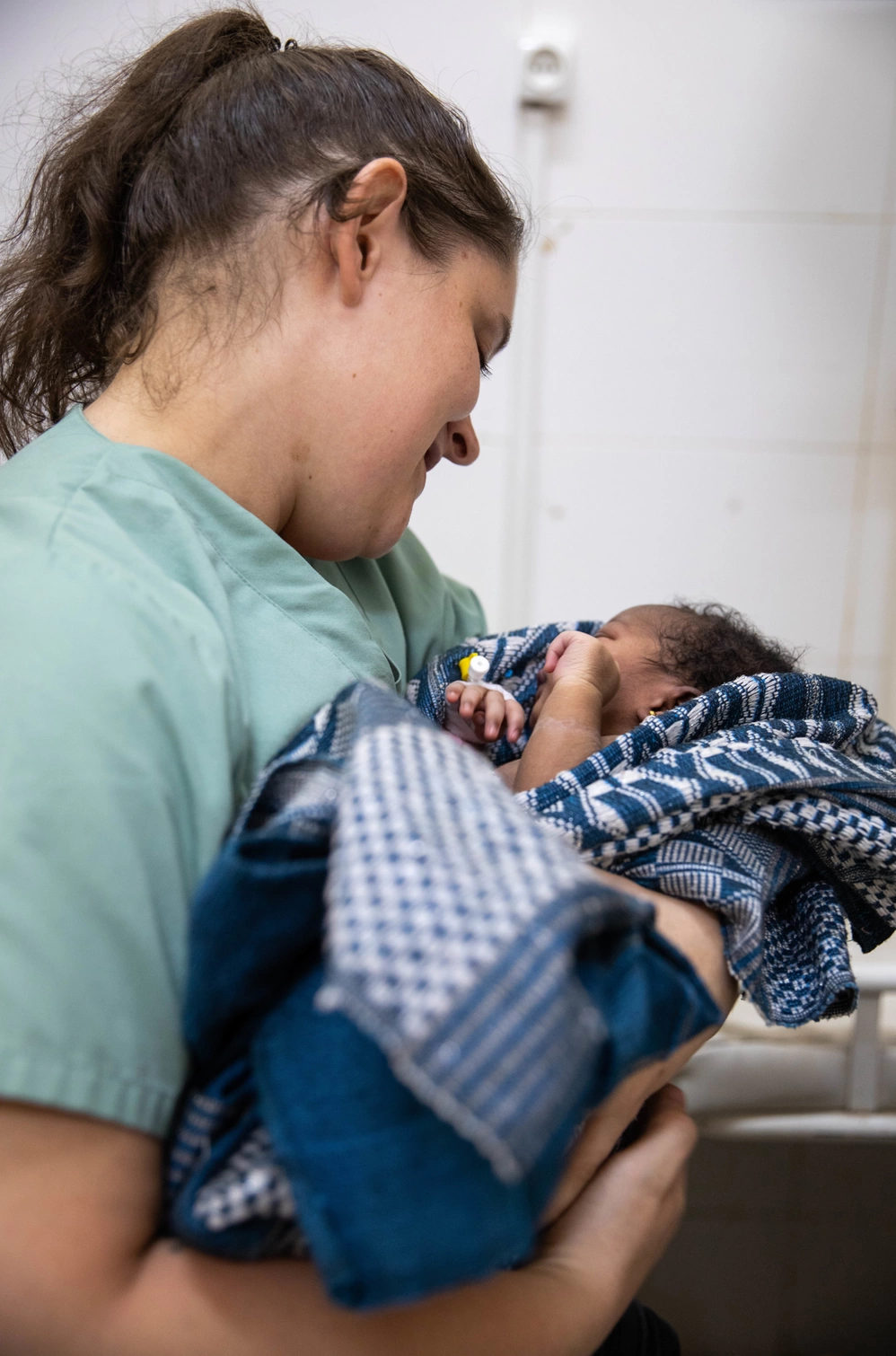
After witnessing a friend and patient’s pregnancy end in stillbirth years ago, Heather Burke Bradley, a labor doula at the time, founded Pittsburgh Bereavement Doulas, a nonprofit helping pregnant people in the Allegheny County area, and their families, navigate perinatal loss.
Advertisements
“I just noticed that there was a gap in the care,” Bradley said. “There weren’t people — there was no one really — that was knowledgeable on how to take care of a family when they had a pregnancy loss. What to expect during when they meet their baby and spending time with their baby. There was a gap in care even in the hospital system.”
Doulas, who are non-medical, trained professionals provide emotional, informational, and physical support before, during, and after pregnancy and childbirth, such as help with breastfeeding, breathing techniques during labor, and planning the birthing process. Doulas have been praised by medical professionals and lawmakers who say their services help improve maternal health outcomes in Pennsylvania.
“The research is very clear on doula care,” Bradley said. “It has been for a long time on how it improves birth outcomes. So I think everybody should have a doula.”
Advertisements
Despite the clear benefits, doula services are not currently covered by Medicaid, something the Pennsylvania Department of Human Services (DHS) and industry groups are hoping to change.
“Doulas can help to make certain women are caring for themselves as they care for their babies,” Brandon Cwalina, a spokesperson for DHS, told the Capital-Star.
The state agency held a meeting with stakeholders in October to identify ways to expand access to doula care under Medicaid in 2024.
Advertisements
“DHS is working toward including doulas in the care team for maternity care covered by Medicaid,” Cwalina said.
Supporting the Doula Workforce
To expand support for doula services in Pennsylvania, DHS’ Office of Medical Assistance Programs (OMAP) has assisted the Pennsylvania Doula Commission (PADC), a nonprofit organization working to promote access to doula services through workforce development initiatives, such as the creation of a certification for professional doulas, “which recognizes and promotes the doula profession, making it a little easier for pregnant women on Medicaid to receive this level of support,” Cwalina said.
To become a doula in Pennsylvania, individuals must have a Certified Perinatal Doula license, which is administered by the state certification board, and pay a $50 fee.
Advertisements
The PADC is offering financial assistance to cover the costs of the state certification needed to become a licensed doula through Dec. 31, 2023.
“That’s really exciting that doulas in Pennsylvania are feeling more comfortable and having a better understanding of why the credential is important and more people are taking advantage of that subsidy that we have so that they’re not having to pay for that application for that CPD credential out of pocket.” Gerria Coffee, president of the PADC, said.
As of Nov. 9, the commission has granted 41 subsidies for the state doula certification, exceeding their expectations for the program.
Advertisements
DHS is currently working with managed care organizations (MCOs), which aim to reduce healthcare costs, “to monitor and work on strategies to address doula care in Pennsylvania,” according to Cwalina, who did not provide a specific timeline on when expanded support for doula services could be available under Medicaid.
Cwalina said DHS “will be able to share more details when the MCO agreements are finalized.”
“We continue to work with the Commission on an enrollment and reimbursement strategy, details of which will be available in the coming months,” he said.
Advertisements
Christine Haas, executive director of The Midwife Center in Pittsburgh, said that the current healthcare system “isn’t set up” to reimburse alternative types of maternity care, but added that services, such as doulas, reimbursable, through private and public insurers will make that care more accessible. The Midwife Center has provided maternal and reproductive care for patients since 1982.
Doulas and birth centers are a part of how to address the “persistent and preventable” problems facing maternal health care in Pennsylvania, such as maternal mortality and maternal care deserts, Haas said, noting that while The Midwife Center doesn’t provide doula care, they welcome them at the center, and even encourage families to take advantage of their services.
Advertisements
“More attention is being paid both in the media and policymakers reacting to that and trying to come up with solutions,” Haas said. “There’s definitely reasons to be optimistic.”
Bradley shared her optimism, adding that making doula services reimbursable through Medicaid would have a positive impact on maternal and infant health outcomes in Pennsylvania, particularly among Black birthing people.
Advertisements
“I think everybody, especially in the Black community, should be served by a Black birth worker, who can advocate for them and who they feel safe with, and who they can just tell information to,” Bradley said. “They can talk to them about having a safer pregnancy and things like that, encouraging them to go to their appointments and be someone who’s just going to sit there and talk to them and be there for them. The doctors aren’t doing that and their 15-minute appointments.”
Legislative Efforts to Expand Medicaid Services
This is not the first time Pennsylvania has moved to expand Medicaid to further support pregnant people.
Advertisements
In 2021, Pennsylvania opted to extend postpartum Medicaid coverage from 60 days to one year after the end of a pregnancy.
The extension, which was part of the American Rescue Plan, took effect April 1, 2022 and will remain in place for five years — until 2027.
Advertisements
“Our Medicaid extension for postpartum care will go a long way to ensure women have the access to care they need well past the end of a pregnancy, when care is also critical,” Cwalina said.
With such big changes on the horizon, Coffee said she’s feeling hopeful about the future for doulas and the services they provide.
Advertisements
“As a Commonwealth, it seems that everyone is really eager to provide support and set up systems to make sure that the families are supported and the professionals, who are supporting those families, are supported,” Coffee said. “So, I’m hopeful and I’m interested to see how things will turn out and absolutely we’ll be on the front lines looking for ways that we can support doulas and how, as doulas, how we can support families. I think it’s going to be good. I hope it’ll be good.”
Report a correction via email | Editorial standards and policies