


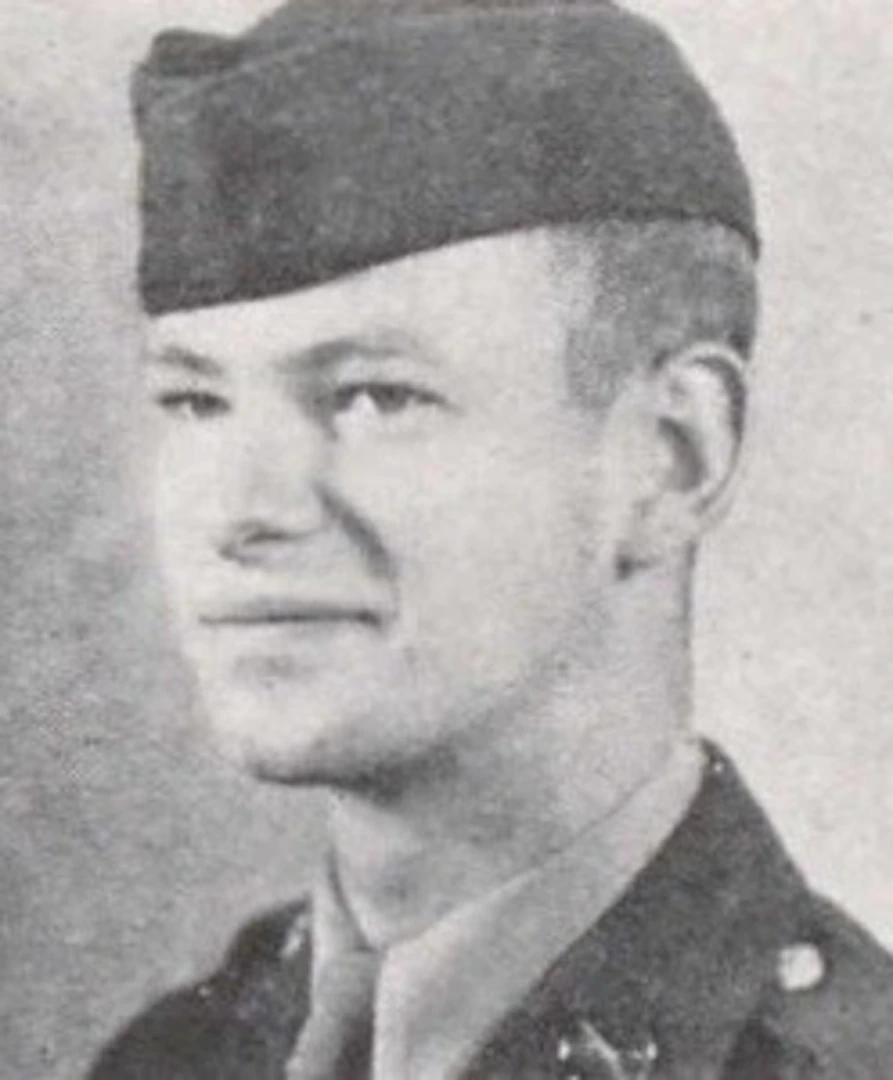
Credit: U.S. Army
Walter G. Wildman left Bristol Borough and entered the U.S. Army at the height of World War II in March 1943. That May, he was shipped off to England.
Advertisements
By late June 1944, the 20-year-old private was in the battlefields of France and injured in combat. He was sent to England to recover after being shot in the jaw and returned to combat as the Allies tightened their vice on the faltering Nazis.
Assigned to Company M of the 12th Infantry Regiment of the 4th Infantry Division, Wildman was fighting as part of the Hürtgen Forest offensive near the Belgian and German border when he was reported killed in action on November 13, 1944.
As the U.S. Department of Defense’s POW/MIA Accounting Agency put it: “Because of the fighting, his body was unable to be recovered.”
Advertisements
Within weeks of his death, the Bristol Daily Courier reported Wildman was killed in action. His parents, Walter and Martha Wildman, were informed by representatives of what was then the U.S. War Department.
Wildman was one of thousands of warfighters killed during World War II.
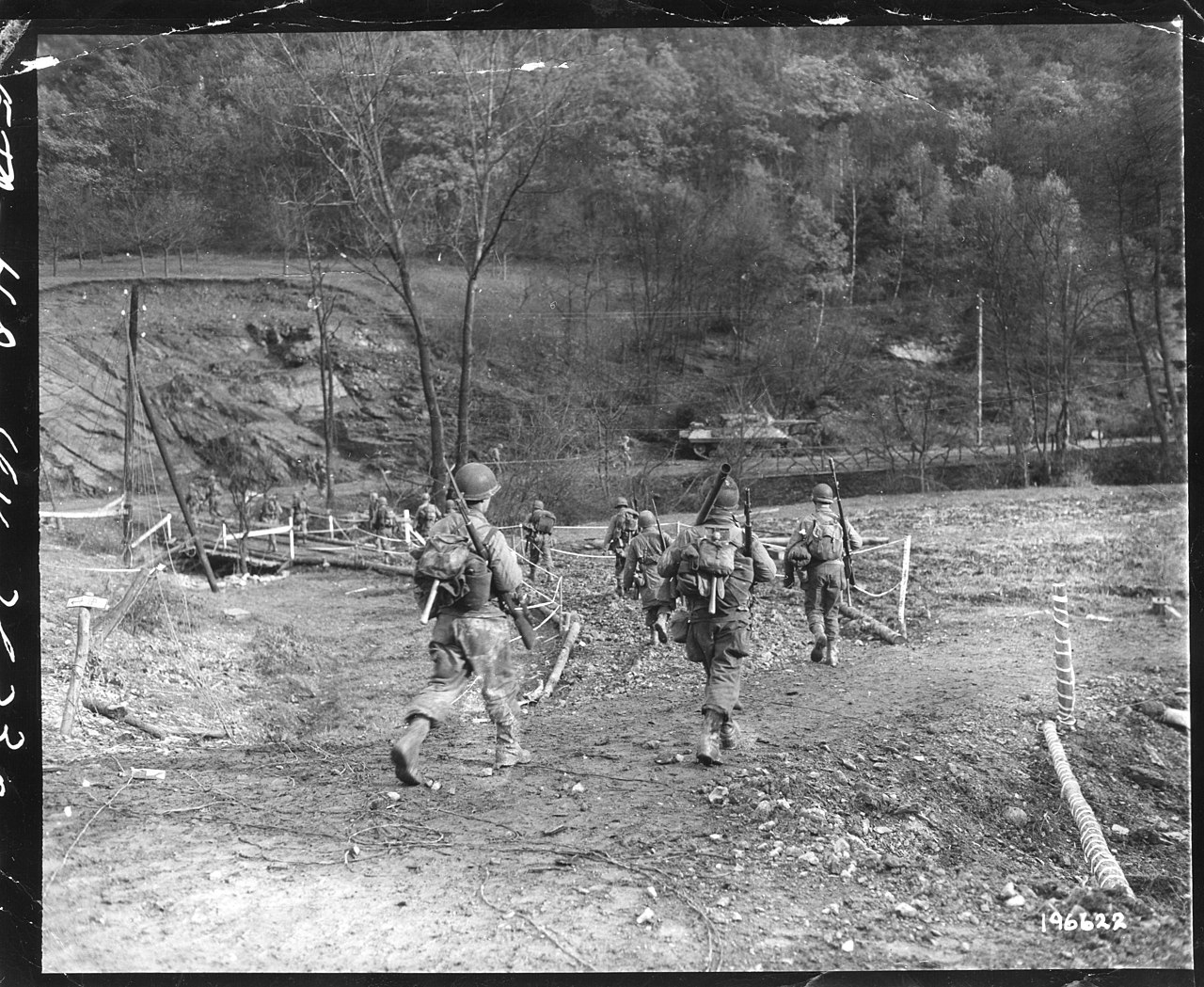
Credit: U.S. Signal Corps
Advertisements
After the Nazis were defeated, the American Graves Registration Command returned to the Hürtgen area between 1946 and 1950 to search for Wildman’s remains. His remains were not located and he was declared “un-recoverable in December 1951,” according to military officials.
In 2019, a Defense POW/MIA Accounting Agency historian investigating unresolved American losses in the Hürtgen area found a set of unidentified remains, designated X-5441 Neuville, that could have belonged to Wildman.
As part of the process, the remains that were buried at the Ardennes American Cemetery in Belgium were disinterred in April 2019 and shipped to a laboratory at Offutt Air Force Base in Nebraska for further examination and attempted identification.
Advertisements
On January 26, 2022, the results were confirmed and the remains belonged to Wildman. The answer solved a 77-year-old mystery.
News of the positive identification was only made public this month.
Advertisements
Scientists used “dental and anthropological analysis, as well as circumstantial and material evidence,” and DNA to confirm the remains belonged to Wildman, according to a statement from the military.
Military officials said the remains that belong to Wildman were discovered by a German demining team and recovered by the American officials in 1947, but it was impossible to confirm who they belonged to until recently.
Advertisements
Wildman’s name is etched on the Walls of the Missing at Netherlands American Cemetery, an American Battle Monuments Commission site in Margraten, Netherlands. A rosette will be added next to his name to mark that he has been accounted for by the military.
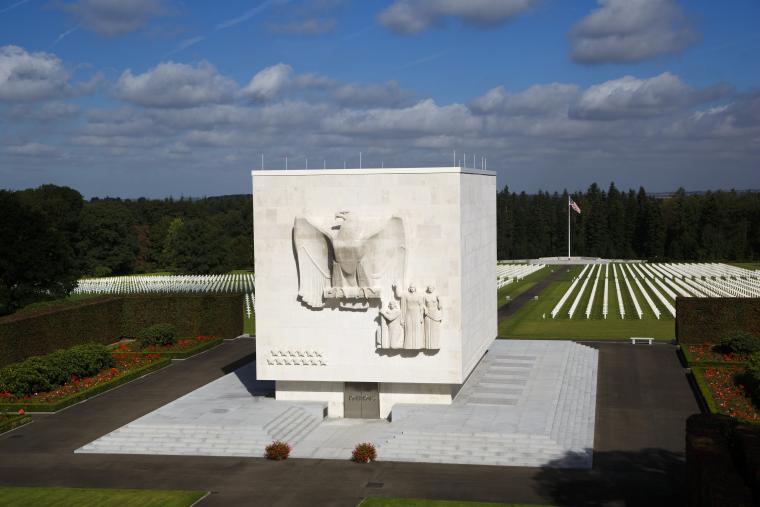
Credit: Warrick Page/American Battle Monuments Commission
Wildman will be buried on May 23 in Newtown.
Advertisements
For family and funeral information, those interested can contact the Army Casualty Office at 1-800-892-2490.
Wildman was survived by his brother Tech. Sgt. Maurice Gleason Wildman, who was injured in a 1944 crash in the Pacific and died in 2004, and a sister named in a newspaper report as Mrs. Gilbert A. Herman Jr.
Advertisements
Report a correction via email | Editorial standards and policies


