


Credit: Tom Sofield/LevittownNow.com
The majority of the Levittown-area’s towns saw population growth between 2010 to 2020.
The information was obtained through the latest data from the U.S. Census Bureau that was released earlier this week.
Advertisements
Bucks County’s population grew 3.4 percent. It went from 625,249 residents to 646,538 residents, a jump of 21,289 people. The county also became more diverse between 2010 and 2020.
Bensalem Township remained the most populated municipality in Bucks County. Its population grew 3.8 percent to 62,707 residents.
Bristol Township shrunk .5 percent and ended at 54,852 residents. It remained the second most populated municipality in the county.
Advertisements
Tullytown Borough’s population grew 21.9 percent over 10 years and had the biggest rate of growth.
New Britain Borough had the largest drop in population. Its population decreased 10 percent to 2,836 residents.
Take a look at how Levittown-area towns’ populations changed:

Advertisements
Bristol Borough went from 9,726 residents in 2010 to 9,861 in 2020, a 1.4 percent increase.
Bristol Borough’s White population made up 73.2 percent of the town’s residents, Hispanic or Latino residents were 15.1 percent, people of two or more races were 10.4 percent, Black residents were 9.8 percent, those listed as “other” were 5.3 percent, Asian residents were .9 percent, the American Indian population was .2 percent, and two people who identified as Pacific Islander.

Credit: Tom Sofield/LevittownNow.com
Bristol Township went from 54,582 residents in 2010 to 54,291 in 2020, down .5 percent.
Advertisements
Bristol Township’s White population made up 75 percent of the town’s residents, Black residents were 10.2 percent, Hispanic or Latino residents were 9.3 percent, people of two or more races were 6.1 percent, those listed as “other” were 4.6 percent, Asian residents were 3.7 percent, the American Indian population was .3 percent, and 13 people who identified as Pacific Islander were residents.

Credit: Tom Sofield/LevittownNow.com
Falls Township went from 34,300 residents in 2010 to 34,716 in 2020, rising 1.2 percent.
Falls Township’s White population made up 78.7 percent of the town’s residents, Hispanic or Latino residents were 7.1 percent, people of two or more races were 6.8 percent, Black residents were 6.6 percent, Asian residents were 5 percent, those listed as “other” were 2.7 percent, the American Indian population was .2 percent, and eight people identified as Pacific Islander.

Advertisements
Hulmeville Borough went from 1,003 residents in 2010 to 982 in 2020, down 2.1 percent.
Hulmeville Borough’s White population made up 89.5 percent of the town’s residents, people of two or more races were 4.8 percent, Asian residents were 4.2 percent, Hispanic or Latino residents were 2.4 percent, Black residents were .8 percent, those listed as “other” were .7 percent, the American Indian population was zero, and zero identified as Pacific Islander.

Langhorne Borough went from 1,622 residents in 2010 to 1,643 in 2020, an increase of 1.3 percent.
Advertisements
Langhorne Borough’s White population made up 88 percent of the town’s residents, Black residents were 5.4 percent, Hispanic or Latino residents were 4.7 percent, people of two or more races were 4.2 percent, Asian residents were 1.3 percent, those listed as “other” were .9 percent, the American Indian population was .2 percent, and zero people identified as Pacific Islander.

Credit: Tom Sofield/LevittownNow.com
Langhorne Manor Borough went from 1,442 residents in 2010 to 1,496 in 2020, an increase of 3.7 percent.
Advertisements
Langhorne Manor Borough’s White population made up 83.5 percent of the town’s residents, Black residents were 5.7 percent, Asian residents were 4.5 percent, people of two or more races were 4.7 percent, Hispanic or Latino residents were 2.8 percent, those listed as “other” were 1.4 percent, the American Indian population was .2 percent, and zero people identified as Pacific Islander were residents.

Credit: Middletown Township
Middletown Township went from 45,436 residents in 2010 to 46,040 in 2020, a rise of 1.3 percent.
Advertisements
Middletown Township’s White population made up 83.4 percent of the town’s residents, people of two or more races were 5.4 percent, Asian residents were 5 percent, Hispanic or Latino residents were 4.8 percent, Black residents were 4.3 percent, those listed as “other” were 1.7 percent, the American Indian population was .1 percent, and 15 residents identified as Pacific Islander.
Credit: Tom Sofield/LevittownNow.com
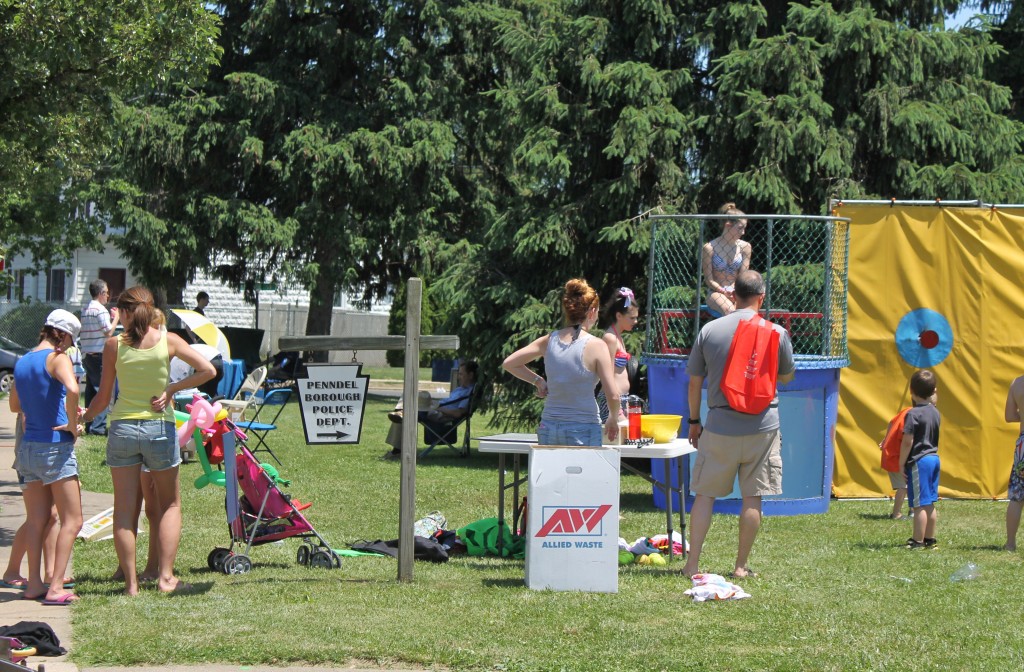
Penndel Borough went from 2,328 residents in 2010 to 2,515 in 2020, a rise of 8.0 percent.
Advertisements
Penndel Manor Borough’s White population made up 78 percent of the town’s residents, Hispanic or Latino residents were 9.1 percent, people of two or more races were 6.9 percent, Black residents were 8.5 percent, those listed as “other” were 3.3 percent, Asian residents were 3.3 percent, .01 percent of residents identified as Pacific Islander, the American Indian population was zero percent.

Credit: Tom Sofield/LevittownNow.com
Tullytown Borough went from 1,872 residents in 2010 to 2,282 in 2020, an increase of 21.9 percent.
Advertisements
Tullytown Borough’s White population made up 86 percent of the town’s residents, Hispanic or Latino residents were 5.4 percent, people of two or more races were 5.3 percent, Black residents were 4.7 percent, those listed as “other” were 1.8 percent, the Asian population were 1.7 percent, the American Indian population was .4 percent, and zero residents identified as Pacific Islander were residents.
Report a correction via email | Editorial standards and policies