This LevittownNow.com multi-part series on the health impacts of COVID-19 has been supported in part by funding from In The Know Club members.
 This LevittownNow.com multi-part series on the health impacts of COVID-19 has been supported in part by funding from
As restrictions are slowly lifted and the numbers of the vaccinated climbs to close to 50 percent of the population, confidence is building that the COVID-19 virus is giving way to normalcy.
Three Lower Bucks County residents could tell you differently, at least for now.
Advertisements
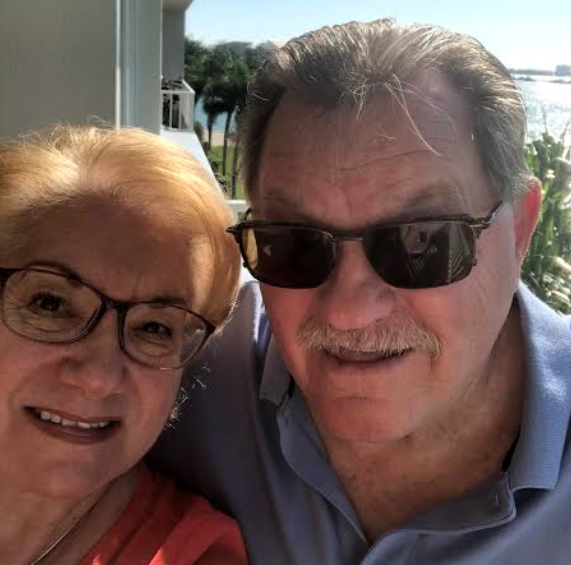
Bristol Borough residents Lew and Karen Dopson, and Pat Wandling, of Middletown Township, suffered and survived. But they still fit the category of what doctors call “long-haulers,” meaning that some COVID symptoms still return.
Lew Dopson, who was, at the time, the assistant director for the United Steel Workers in Pennsylvania, believes he was infected with the virus in early November after attending a meeting with about 20 steelworkers.
Weeks of emergency room visits followed. Dopson said he couldn’t eat for 10 days, his blood oxygen level dropped, he suffered gastric problems, and, when his appetite slowly returned, food tasted like sand dipped in salt, he said.
Advertisements
“I was lucky though because I did not need oxygen or a respirator … I started off feeling better in December; I could at least function a bit. But after I woke up, in about an hour, I was exhausted,” Lew said.
But returning to work at his Canal Works office in Bristol Borough took such a toll that he lasted two weeks before deciding to retire.
Credit: Submitted
Advertisements
Karen’s ordeal with COVID was less intense. She had almost no symptoms. One night, she had a 103 degree temperature, but that seemed about it.
“I had no one to take me to the hospital, so I just persevered at home, drinking a lot of water,” then, with her husband, spending two weeks in quarantine.
But Karen was not spared after-effects. As of early June, her sense of taste and smell has not returned, and doctors have no answer as to when those senses will come back.
Advertisements
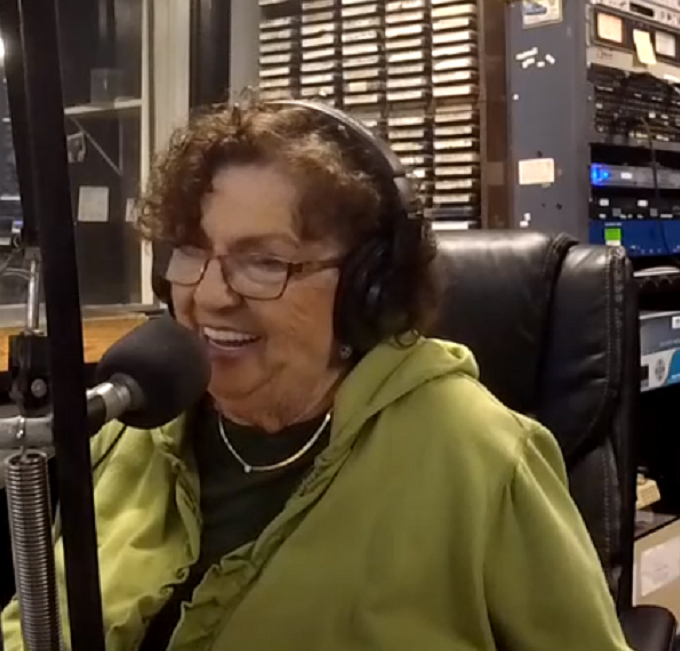
Pat Wandling, host of WBCB’s “Speak Your Piece” and local longtime journalism, carried her show from home for the first four days after she tested positive. On day 5, she crashed, brought down by fever, chills, and an unusual weakness that frightened her.
“I would never have thought that talking for an hour on the show would take so much strength, but my doctor reminded me that talking uses both oxygen and energy, “ Wandling said.
Advertisements
For weeks, extreme weakness kept her down. When her oxygen level dropped to 90 she was admitted to St. Mary Medical Center for three days. No respirator, no oxygen, fortunately.
“The good thing was that (even at home) I never lost my appetite. However, I was aware that when I made one-minute oatmeal in the microwave, I had to sit down while it cooked!,” she said.
Advertisements
Like the Dopsons, Wandling still experiences residue COVID symptoms, which her doctor told her could last “a long time.” She’s active one day with routine things, work and errands, but the next day, she’s “fatigued” and the day after, okay.
Credit: WBCB/LiveStream
“When I was so weak, back in the beginning, I used to be afraid to fall asleep because I thought my heart would stop, seriously. I survived and I’m grateful for that,” Wandling said.
Advertisements
It is not uncommon for those who recover from COVID-19 to experience short-term, and in some cases, long-term symptoms, for months, according to a Mayo Clinic report.
Lingering symptoms can include: fatigue, joint pain, shortness of breath, memory and/or concentration problems, and loss of smell and/or taste.
But the tail-end of the pandemic seems close, said Dr. Ronald Goren, an infectious disease specialist. Goren, who is associated with St. Mary Medical Center, and Jefferson Health, said he is cautiously optimistic.

Advertisements
“Vaccines, natural immunity, and antibodies of those who have had the virus, and the onset of summer should help contain the pandemic,” Goren said.
Uncertainty about when cold weather returns – that’s when COVID’s hibernation period ends – could be offset by the latest numbers: in Pennsylvania, 12 million people have been vaccinated, six million of those received both doses. Nationwide, 302 million doses have been given out. Of those, 139 million are fully vaccinated.
Advertisements
Goren, who early on called the vaccines “medical miracles,” has received his shots but still take precautions, such as wearing a mask in a setting that brings him in close proximity to crowds. Masks are still effective in preventing contagion, he said.
Report a correction via email | Editorial standards and policies