This LevittownNow.com multi-part series on homelessness during COVID-19 has been supported in part by funding from In The Know Club members.
 This LevittownNow.com multi-part series on homelessness during COVID-19 has been supported in part by funding from
Credit: Family Service Association
Some much needed additional space is coming to the Bucks County Emergency Homeless Shelter in Bristol Township’s Levittown.
And at a time when the coronavirus pandemic has made providing for the homeless even more challenging, the added room from the $400,000 modulars will be much welcomed, said Julie Dees. She’s CEO of the Family Service Association of Bucks County, the agency that operates the shelter.
Advertisements
Soon to be installed next to the shelter, which is part of the Bucks County Government Services complex near the Five Points intersection, are two modular units that can accommodate eight more people or serve as quarantine for shelter residents who might test positive for COVID-19. So far, none have, FSA officials said.
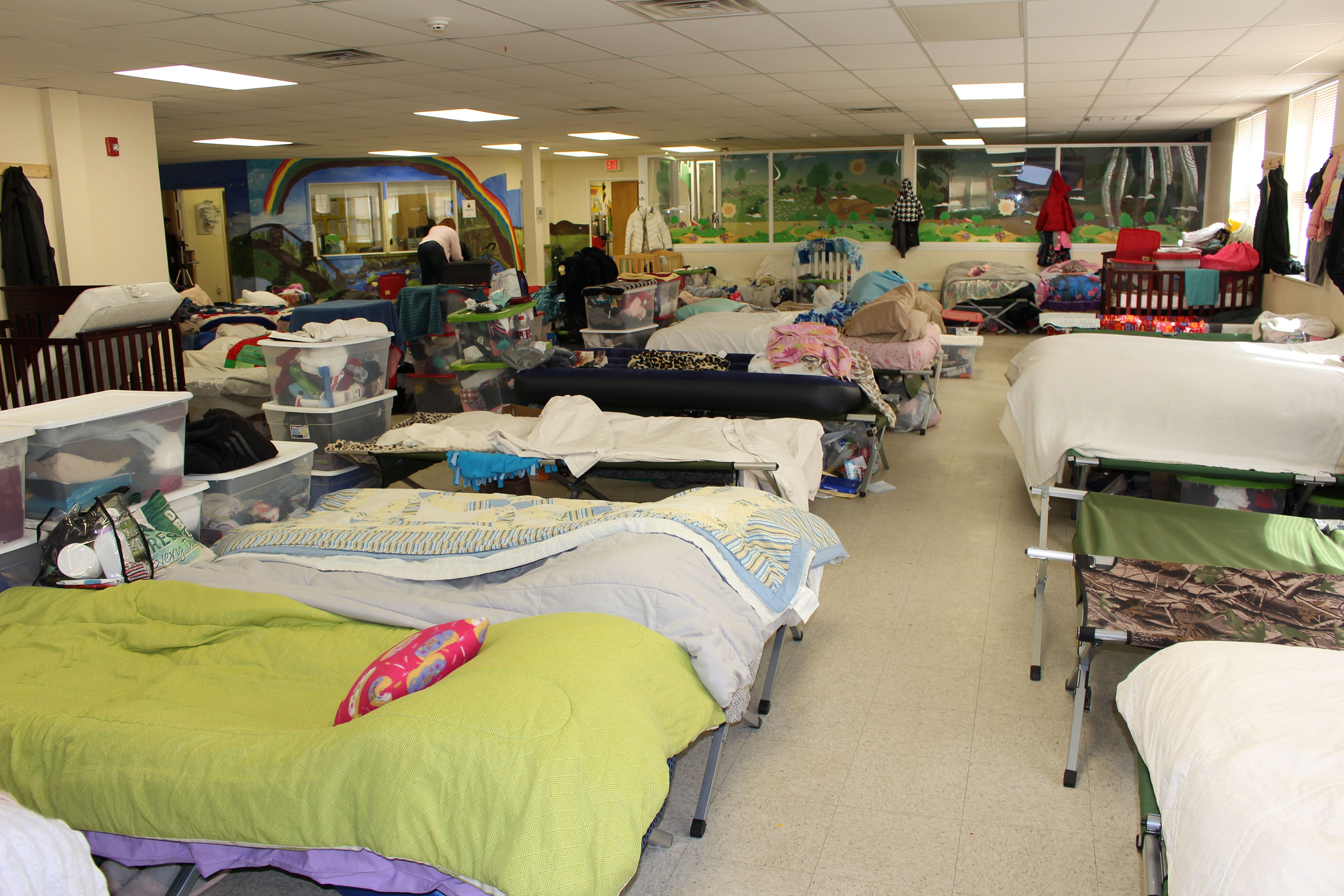
Credit: Family Service Association
“We’re very excited about this,” Dees said. “Serving the homeless has been more challenging during the pandemic, and this will help.”
Masking, physical distancing, dividers between beds, temperature checks and many other protocols have been in place at the shelter since the pandemic hit full force a year ago.
Advertisements
The physical distancing and other measures have had the affect of reducing capacity at the shelter from 75 to about 40 to 44, Family Service Housing Services Director Murielle Kelly said. However, the agency has adapted by placing another 50 or so residents at a local hotel and is actually accommodating more homeless people than in many previous years, she added.

The main focus is to transition residents out of the shelter and into permanent housing while also finding them jobs and providing other services. The pandemic has made all those tasks more difficult, Dees said.
Advertisements
“Everything is more challenging, finding housing, finding jobs,” said Dees, adding that the average time to transition residents out of the shelter has grown from 65 to 85 days.
“Volunteers have been harder to come by and that has placed more stress on our regular staff,” she said.

Credit: Family Service Association
To help compensate, Dees raised the minimum wage for shelter staff members to $15 an hour when she became CEO in January.
Advertisements
“What they do is so important and valuable,” she said.
“We are seeing directly more and more people needing our help,” Kelly said. “More people are showing up at our door, asking for necessities.”
Advertisements
Report a correction via email | Editorial standards and policies