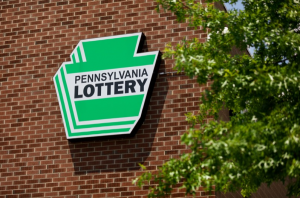
The Pennsylvania Lottery has warned residents of an out-of-country scam targeting Keystone State residents.
State lottery officials said the scam originates in Jamaica and features callers with a Caribbean accent.
Advertisements
The scammer tells the resident they are the winner of a made up Mega Millions sweepstakes or that they have won a prize from another lottery game with a well-known name, officials said.
The scammer attempts to get the person on the other end of the phone to make a payment for taxes or other costs to facilitate the processing of their prize, but the prize is never paid because it doesn’t exist, officials said.
“Unfortunately, these types of scams are quite common — especially during times of crisis, such as a pandemic, when people may be vulnerable,” said Pennsylvania Lottery Executive Director Drew Svitko. “It’s important to know that the Pennsylvania Lottery will only contact players if they won a Second-Chance Drawing, a giveaway into which a player may have submitted an entry, or to collect their winning story. We never call or email people at random.”
Advertisements
From lottery officials:
Scammers have been known to falsely claim to represent a lottery organization, sometimes posing as real employees whose names can be found through the internet. Scammers will sometimes offer a “badge number” or other made-up information to try to sound legitimate. They’ll also use the names of real lotteries and lottery games, including multi-state games like Mega Millions.
Many scam operators are located offshore, beyond the reach of U.S. law enforcement. Scammers will often set up fake websites and telephone switchboards to hide their whereabouts, creating a “spoofed” phone number which makes it appear on a caller ID display that a call is coming from a real entity or a U.S. area code.
Other warning signs of a scam include:
If you are told to buy a pre-paid debit card to pay an up-front “processing fee” or taxes – this is a major hallmark of a scam.
If you are asked for personal financial information, such as bank account routing numbers.
If you’re told the supposed prize is in pounds, euros, or anything other than dollars.
If an e-mail contains poor grammar or misspellings, or if a caller states they are — or sounds as if they could be — calling from outside the United States.
If you are instructed to keep the news of your supposed “win” a secret.
If you are told that you can “verify” the prize by calling a certain number. That number may be part of the scam. Instead of calling it, look up the lottery or organization on your own to find out its real contact information, then call and ask to speak with security.
“We encourage players who may receive suspicious lottery-related calls or emails to contact us and we can answer any questions they may have,” Svitko said. “Our website contains a contact page to help players reach our headquarters office and our area offices across Pennsylvania.”
Advertisements
The lottery website offers safety tips, and the Federal Trade Commission has more information on fake lottery and other scams.
Victims have been encouraged to contact police.
Report a correction via email | Editorial standards and policies