



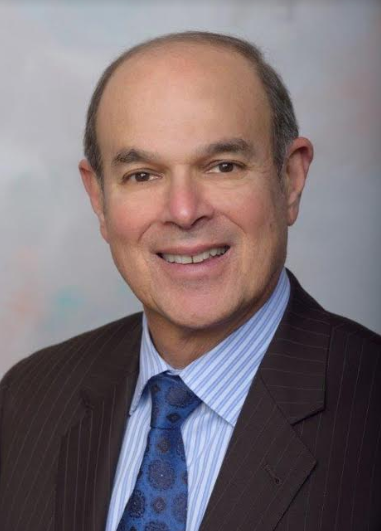
It took a pandemic to thrust telehealth forward from the shadows, and, so far, office visits via telecommunications, implemented to protect vulnerable patients from the contagion caused by COVID-19, have largely been a success for both physicians and patients. The future is now, but still a choice, said cardiologist Mark Victor.
The enthusiastic response is a good omen for the latest innovation in the clinical practice of medicine, said Victor, who is also the CEO of Cardiology Consultants of Philadelphia.
Advertisements
U.S. News and World reported that telehealth increased dramatically year over year, especially in the Northeast, during the first weeks of the pandemic.
Cardiology Consultants of Philadelphia recently announced that it is offering virtual appointments for those who prefer distance evaluations. Patients whose heart conditions are stable have the choice of whether to come into the office or be checked out from home.
Virtual visits for cardiology? They can be done, and require interaction between patient and the physician because the patient who has a scale and a blood pressure cuff can report vital signs by using his or her electronic device. Not all Cardiology Consultants of Philadelphia patients require an electrocardiogram with every evaluation, Victor said.
Advertisements
“You would think that the intimacy and the sanctity of an in-office visit couldn’t be replicated or equaled. But outside the sterility of the office and a doctor in a white coat, patients seem more relaxed, more open with details about their condition,” the cardiologist said.
Quality is not shortchanged with such visits. These are not how-are-you-doing-goodbye phone exchanges, Victor said. With two-way visual contact, a physician can observe the patient’s breathing, whether the patient’s skin tone is normal, and even examine extremities should one complain of a painful leg or a swollen ankle.
On two occasions recently, such observations led to ultrasounds that revealed the presence of blood clots.
Advertisements
Cardiology Consultants of Philadelphia has 100 doctors practicing in 35 offices in a five-county region: Bucks (Bristol Township and Lower Makefield), Philadelphia, Montgomery, Delaware, and Chester counties.
About 50 percent of the group’s patients are distance monitored. Those with more acute conditions are still seen in the office, as are people who prefer face-to-face checkups.
Most offices were shut down in mid-March because of the coronavirus. Victor said that four or five offices remained open for for triage evaluations so that patients could avoid unnecessary trips to the emergency room.
Advertisements
“Our patients who use telehealth are thrilled, even those who were once distance-wary. Always, our goal is to provide patients with the best care and in the best and safest environment,” Victor said.
Report a correction via email | Editorial standards and policies