


 This LevittownNow.com multi-part reporting on women and heart disease has been supported in part by funding from In The Know Club members.
 This LevittownNow.com multi-part reporting on women and heart disease has been supported in part by funding from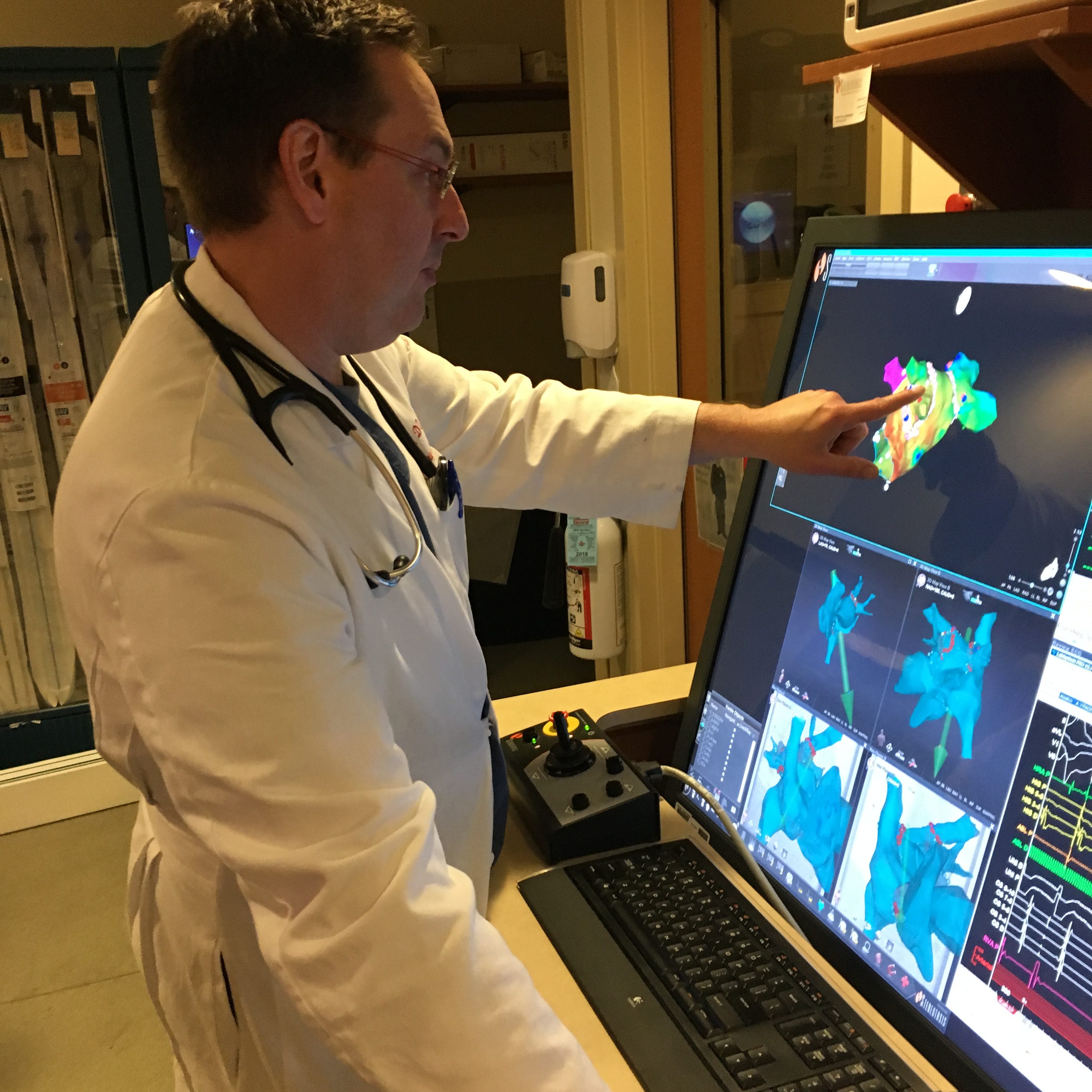
Credit: Elizabeth Fisher/LevittownNow.com
About 2.7 million people in the United States are living with atrial fibrillation (AFib), an irregular heartbeat in the upper chambers of the heart. And the numbers are increasing tremendously due to the baby boomer population, said cardiologist Dr. Bradley Bacik.
Bacik practices a sub-specialty in cardiac electrophysiology at Jefferson Health Torresdale just across the Bucks County border in Philadelphia. He is affiliated with the Pennsylvania Heart and Vascular Group and has offices in Jenkintown and Northeast Philadelphia.
Advertisements
“The incidence is the same, but you have a larger number of people in the age group,” the physician said.
The quivering of the upper chamber of the heart is caused by an electrical malfunction. It can lead to blood clots, stroke, heart failure and other heart-related complications.
According to a study presented at the American College of Cardiology’s 62nd Annual Science Sessions, AFib is more common in women. Their symptoms are more severe – heart palpitations, shortness of breath, dizziness, fatigue and chest discomfort – and their treatment differs from men. They are also more likely to suffer a stroke; men are more likely to die from AFib, according to the study.
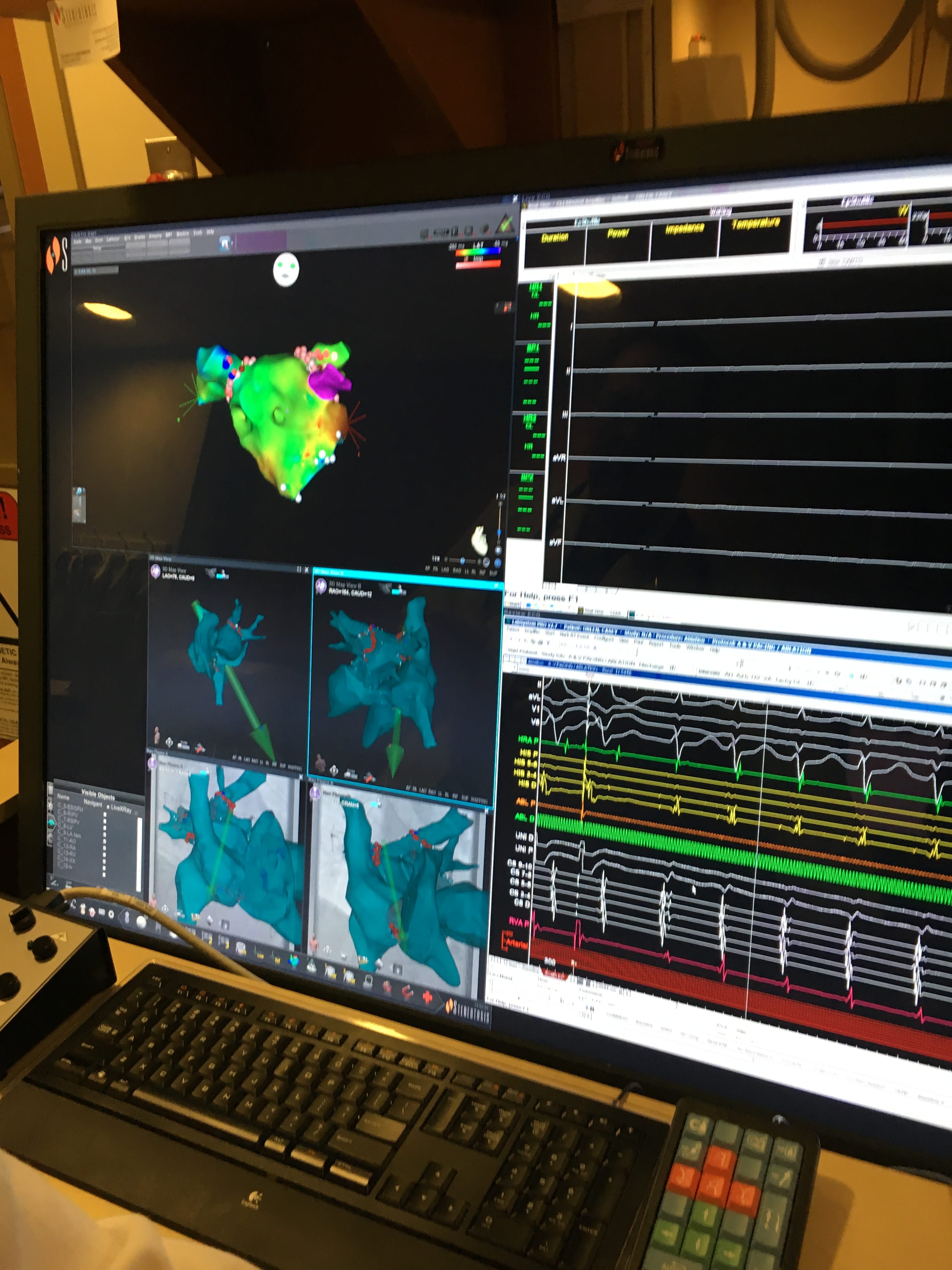
Credit: Elizabeth Fisher/LevittownNow.com
Advertisements
That study – published on the website CardioSmart – concluded that more research is needed to understand how AFib affects men and women differently.
CardioSmart is the American College of Cardiology’s patient education and empowerment initiative that provides resources for health care providers, patients and caregivers to support and extend the clinical/patient relationship.
Advertisements
Bacik said that the likelihood of AFib increases with age: one percent of the 50-to-60 age group will be diagnosed with the condition; the 60-70 year-old group sees a jump to one to three percent; at age 70 the chances rise to 5 percent; at by age 80, about 15-20 percent will show symptoms.
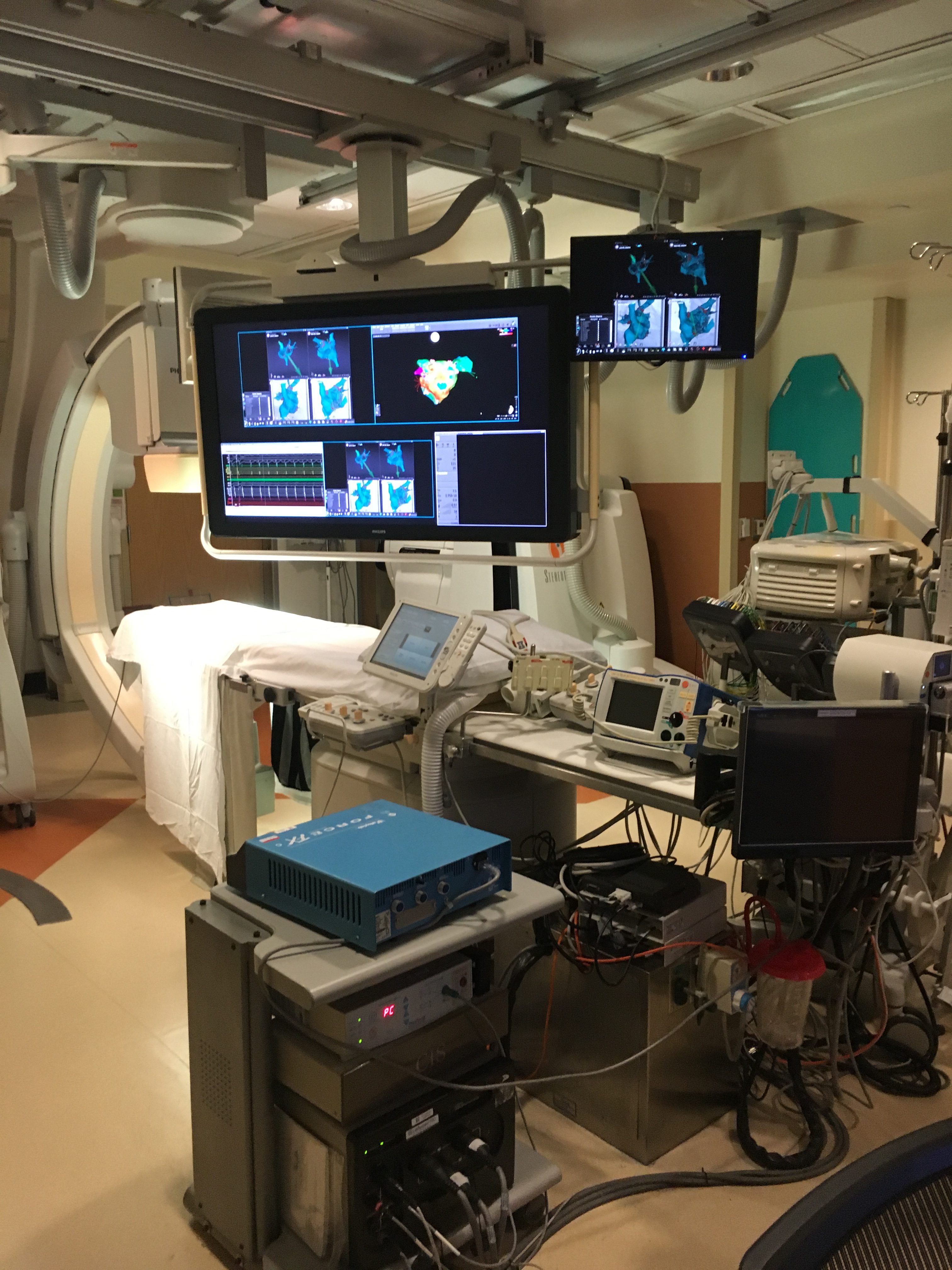
Credit: Elizabeth Fisher/LevittownNow.com
“Age is a major contributor due to changes in the heart muscle. As a person ages, they are more prone to the development of AFib,” he said.
Earlier onset, like about age 40 or so, can be attributed to lifestyle habits such as obesity, sleep apnea, diabetes, and high blood pressure.
Advertisements
The condition is usually diagnosed when a patient seeks medical advice about such symptoms as dizziness, a feeling of fullness in the neck, palpitations, or a feeling that something is just not right.
Some people can have AFib and have no symptoms, so being proactive and having routine medical checkups is important, Bacik said.
Advertisements
“The big problem with AFib is that it can cause blood clots to form and cause a stroke. Blood thinners like Coumadin, Xarelto, or Eliquis become a lifelong treatment,” he said.
There are more intensive treatments if symptoms worsen and medication is ineffective. As a cardiac electrophysiologist, Bacik performs cardiac ablations daily to ease chaotic heartbeat.
Advertisements
During that procedure, diagnostic catheters are threaded through blood vessels into the heart, where they are used to map and correct the arrhythmia.
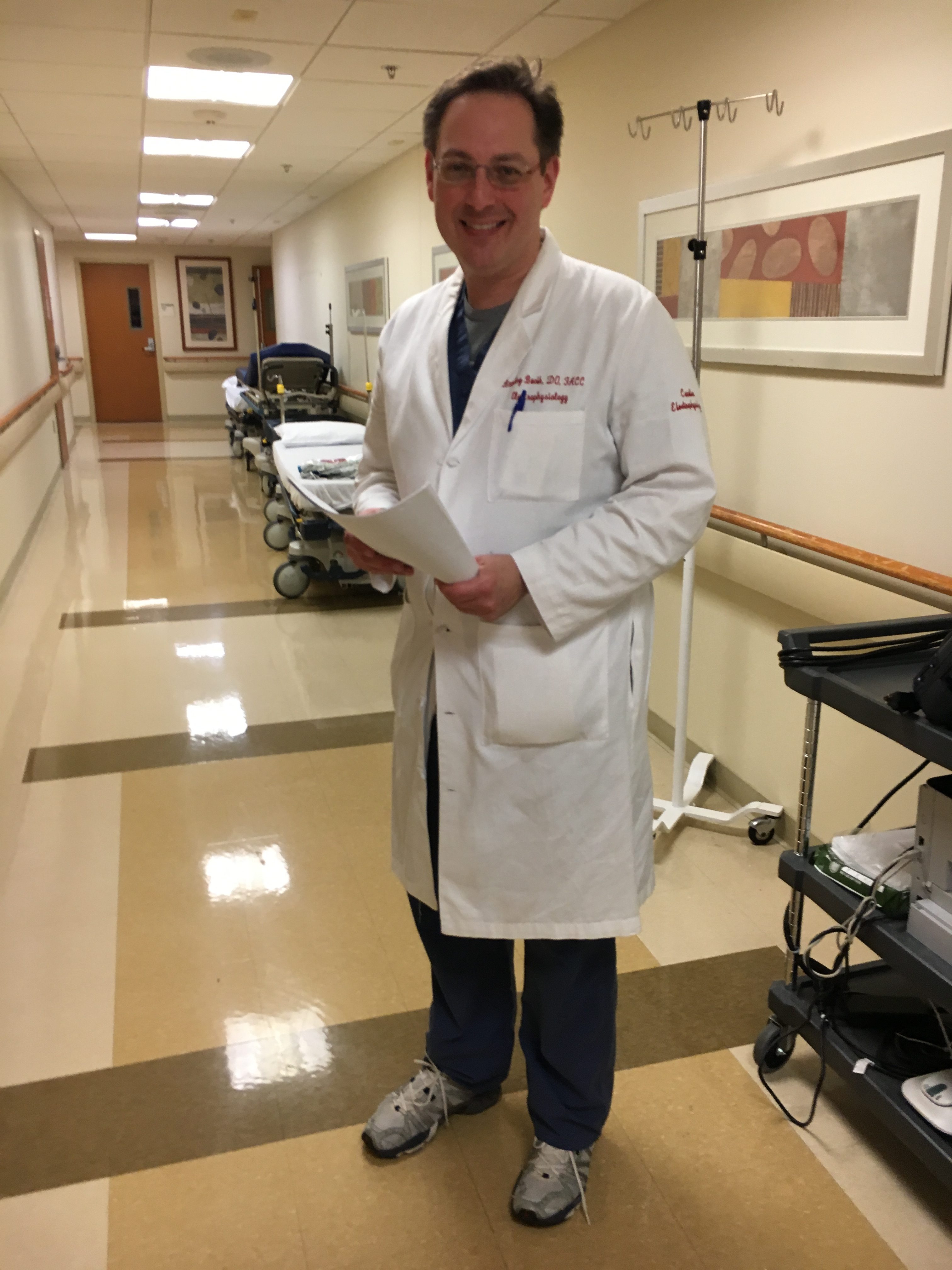
There is good news in all this, according to Bacik: “Ablation is the most effective treatment for symptomatic AFib. Seventy percent of people will have a great suppression of AFib after an ablation for about a five-year period.”
Advertisements
Also, AFib episodes can be reduced with weight loss. Shedding 10 percent of body weight can cut AFib episodes by 30 percent.
AFib incidents are not deadly, but they can be uncomfortable and sometimes scary. The American Heart Association lists ways to stop AFib fluttering in its tracks, provided the patient first consults with his or her physician.
- Take slow, deep breaths. It is believed that yoga can be beneficial to those with AFib to help in relaxation…
- Drinking water can help steady the heart rate…
- Aerobic activity…
- Biofeedback training…
- Vagal maneuvers…
- Exercise…
- Eating a healthy diet.
Previous story:
Advertisements


