


 This LevittownNow.com multi-part reporting on women and heart disease has been supported in part by funding from In The Know Club members.
 This LevittownNow.com multi-part reporting on women and heart disease has been supported in part by funding from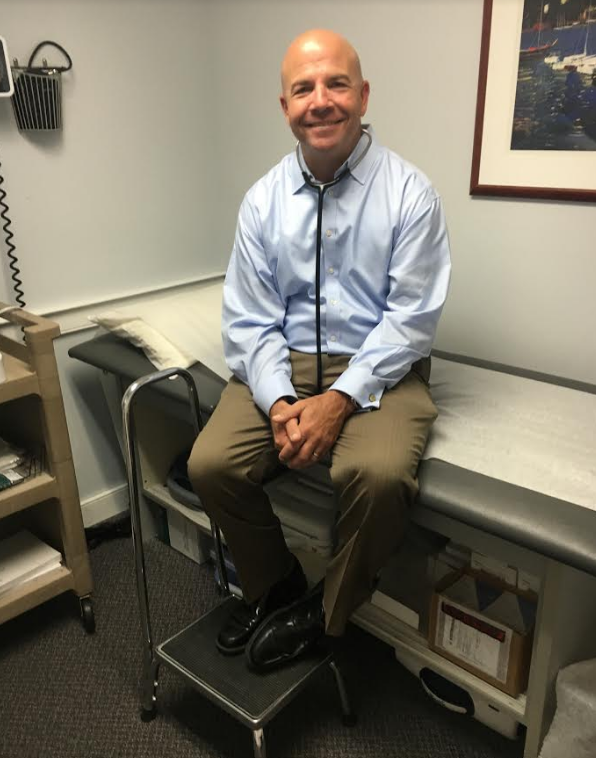
Credit: Elizabeth Fisher
Knowledge is power, and when it comes to women, knowledge about cardiovascular disease (CVD), its risk factors and symptoms could help reduce the grim statistics: CVD takes the lives of 400,000 women annually, and, in women, it outpaces deaths from cancer, chronic respiratory disease, and diabetes combined, according to the American Heart Association.
Education about prevention via changes in lifestyle could make all the difference, said Lauren Rose, director of marketing for the heart association in Philadelphia.
Advertisements
Rose said that the organization presents educational programs for women on how to prevent heart disease, or how to help heart patients cope with CVD and enjoy a healthier life. For more information on the programs, visit the association’s Web site at www.heart.org/.
Heart disease has remained for decades as the nation’s number one killer. Several factors individually or combined, such as family genetics, high blood pressure, obesity, smoking, diabetes, or a sedentary lifestyle, can either cause the onset of CVD, or worsen an existing condition, said Bucks County cardiologist, Dr. Christopher Schulze.
“Heart disease is gender neutral, but it can affect women in different ways,” said Schulze, who is affiliated with Cardiology Consultants of Philadelphia, and has offices in Yardley and Bristol.
Advertisements
For instance, when most people think of heart attack symptoms, they envision the chest pain and heavy chest pressure, cold sweat, and pain in the shoulder, arms or jaw more typical in men.
Women can also experience such symptoms, but there can be more subtle and seemingly benign signals, such as extreme fatigue, nausea, vomiting, and back pain, Schulze said.
Advertisements
It is vital to know what to look for and women can start prevention measures as early as their 20a or 30s to head off serious problems later in life, he said.
The American Heart Association studies show that heart attacks are no longer what used to be considered an “old man’s” disease. Women are catching up in numbers, but the outcomes are bleak. And, statistics show that heart attacks in young people are increasing
A 2018 study presented at the American Heart Association’s Scientific Sessions meeting in Chicago and published in the AHA journal “Circulation,” sought to investigate heart attacks in the young, a group frequently overlooked in cardiovascular research.
Advertisements
Past research has shown heart attack rates in the U.S. have declined in recent decades among 35-74-year olds. But for the new study, researchers wanted to look specifically at how many younger people were having heart attacks.
They included data from a multi—state study of more than 28,000 people hospitalized for heart attacks from 1995 to 2014. The results showed 30 percent of those patients were young, ages 35 to 54. Among women having heart attacks, the increase in young patients went from 21 percent to 31 percent, a bigger jump than young men.
Advertisements
The study also found that high blood pressure and diabetes were rising among all patients who had heart attacks. Compared with young men in the study, young women were even more likely to have high blood pressure, diabetes, and chronic kidney disease.
Schulze said that women die from heart attacks more often than men do because women’s arteries are smaller and blockages are more diffuse, making it less easy to use stents to open blood vessels.
Advertisements
A stent is a tube inserted into narrow coronary arteries to help keep them open after balloon angioplasty, thus allowing for the normal flow of blood.
Along with his practice, Schulze, who is affiliated with St. Mary Medical Center, and Jefferson Health, is a cardiac electrophysiologist. That specialty was developed in the 1970s and is a cutting-edge treatment for arrhythmias and other serious conditions that interfere with the heart’s rhythm.
Advertisements
Since he started practice 12 years ago, Schulze has seen advances in the treatment of CVD, and he believes that medical research will lead to more and better applications of technology and medicine. He cited times past when heart attack patients spent weeks in the hospital, and now, the stay is about three days.
In addition, heart failure patients, once given a survival rate of about five years, can now look forward to many good years, he said.
Schulze also stressed life-saving measures for women already being treated for heart disease: Follow the doctor’s orders and be vigilant about taking prescribed medications.
Advertisements
Two more cautions: The National Institute of Health recently reversed the belief that a daily regimen of low-dose aspirin is beneficial to a healthy lifestyle. Schulze said that any aspirin regiment should be taken only after speaking with a doctor. And those who are inclined to use natural remedies also should first consult with their physicians, he added.
Schulze’s parting advice is for women is to “listen to your bodies.”
Advertisements
“If you have something wrong with your car, you hear a noise, you know something’s wrong. The body doesn’t make noise. It’s up to you to you pay attention to what’s happening and to have medical checkups,” he said.


