


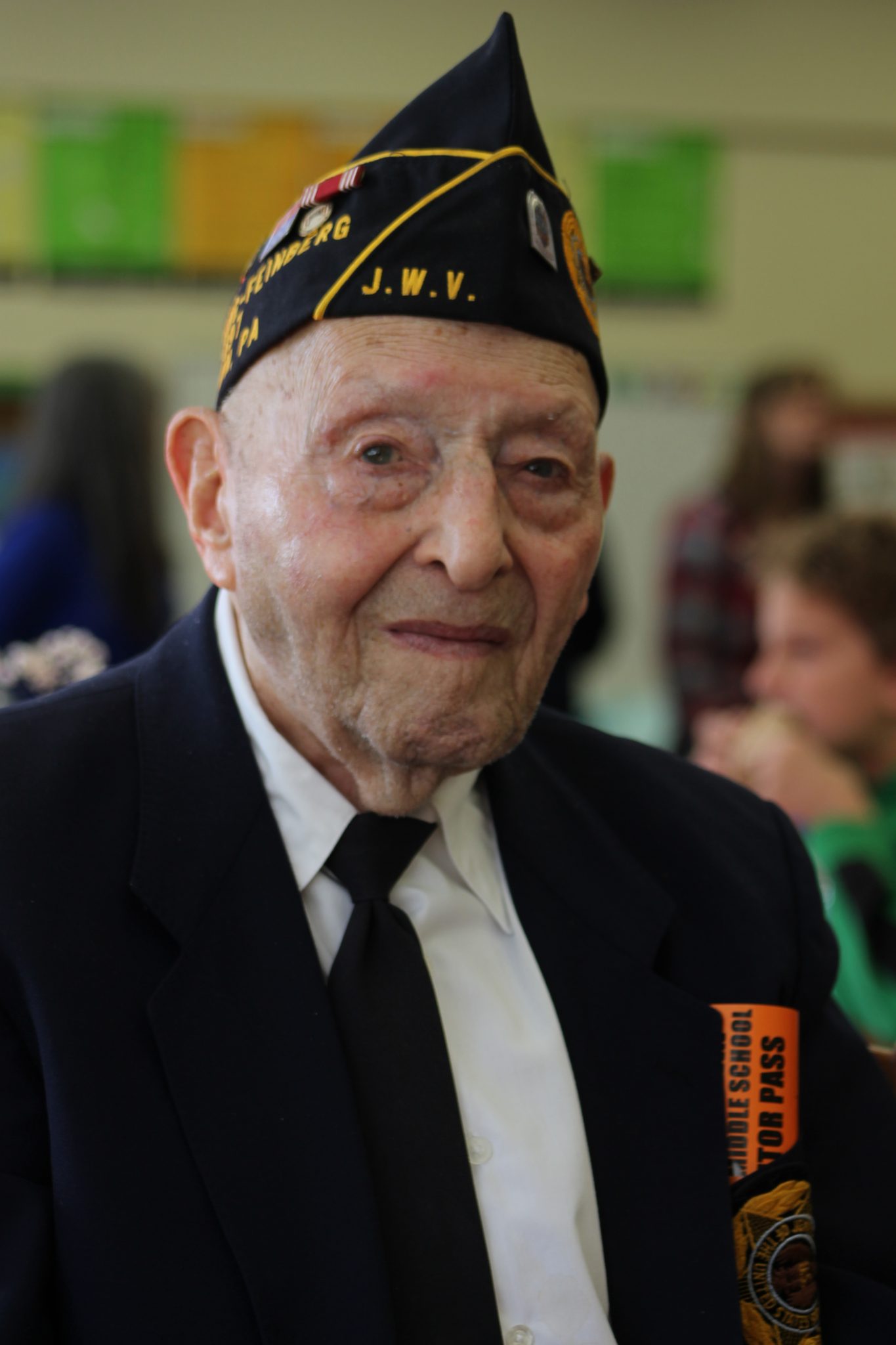
Credit: Tom Sofield/LevittownNow.com
It’s been 71 years and Bernard Lens still thinks about the horrors he witnesses when he arrived with the U.S. Army to liberate Dachau concentration camp in Germany.
The two things that stick in his mind the most are the stench he found when he discovered the malnourished prisoners in the Nazi concentration camp and the sight of dead bodies – dozens strewn around the camp.
Advertisements
Estimates put the death toll at Dachau concentration camp at over 30,000. The camp was known for its brutality and contained mainly Czech, French, Jewish, Russians and Yugoslavian prisoners from its opening in 1933 until it was liberated by Lens and the Americans in 1945. Prisoners were often the subjects of cruel Nazi medical experiments.
“My captain said we got the call and need to get the [prisoners] out and medical help,” Lens recalled. “And we did.”
As Lens told the prisoners they were liberated and that he was Jewish, they seemed to relax and eventually celebrate being freed, he said.
Advertisements
“I did what I was told. We did our jobs,” he said of his time in the service.
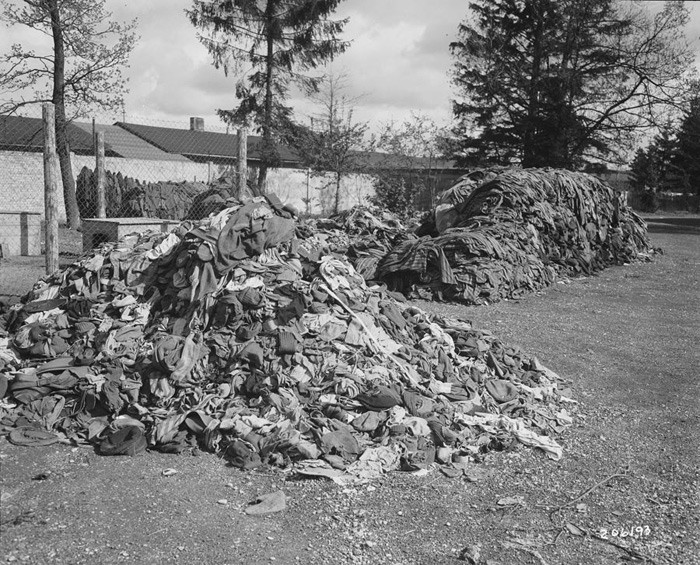
Credit: National Archives/Records of the Office of the Chief Signal Officer
Lens, now 96, said the “horrific” things he saw during the liberation of Dachau concentration camp are things that he recalls every single day and will take with him to his grave.
Joining the military wasn’t in the cards at first for Lens. He had a secure job working at the Sun Shipbuilding and Drydock Company in 1942 and was exempt from the draft due to his company’s important efforts in building ships for the war.
Advertisements
“I got back to the neighborhood and didn’t recognize anyone I knew. They had all gone into the service,” he said. “I told my mother: ‘I can’t stay here.’”
In addition, Lens brother and sister had both failed to qualify for military service and he felt it was his responsibility to serve.
“My mother always said my brother was crazy, but she new for sure after he couldn’t get in (the military),” he said with a chuckle.
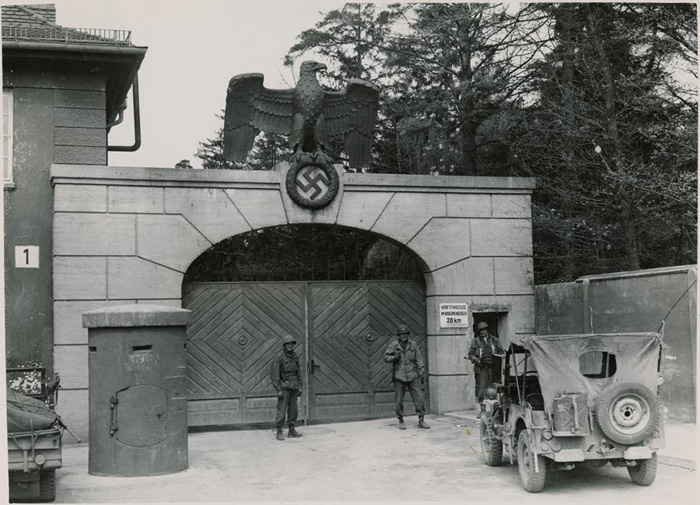
Credit: National Archives/ZUMA Press
Advertisements
After coming back to Philadelphia following the war and exploring Germany, Lens was convinced by family members to leave the Army.
“I had an uncle and a Jewish mother and family who told me to get out of the Army after I got back. My uncle said he needed help – ‘I need Bernie in the store – with his business and I went,” Lens said. “Boy, what a mistake that was.”
Following his stint working for his uncle, Lens got married, had a son and found a career in the clothing industry. He eventually became a member of the Fegelson-Young-Feinberg Jewish War Veterans Post 697 in Levittown and has shared his stories with students and adults throughout the area.
Advertisements
“Those who served and never came back are the real heroes,” he said.

