


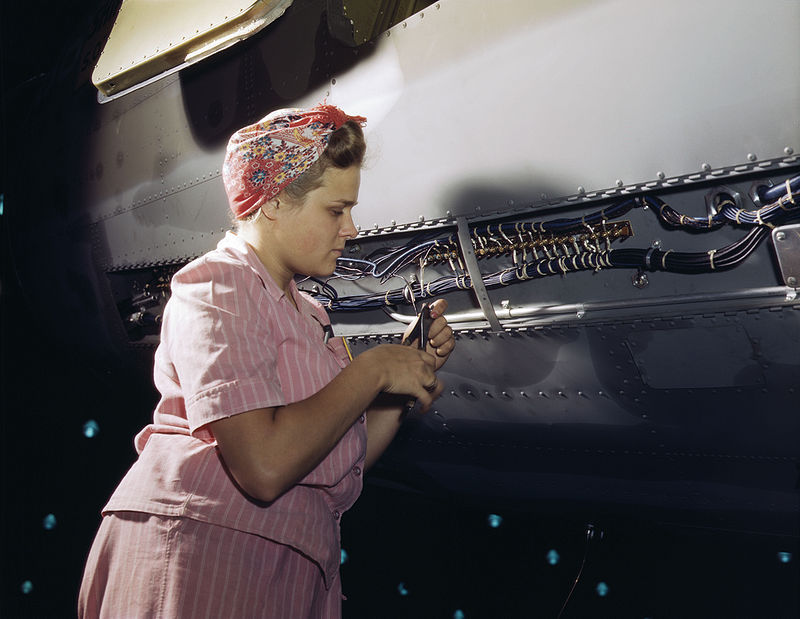
When the men went to war, they went to work.
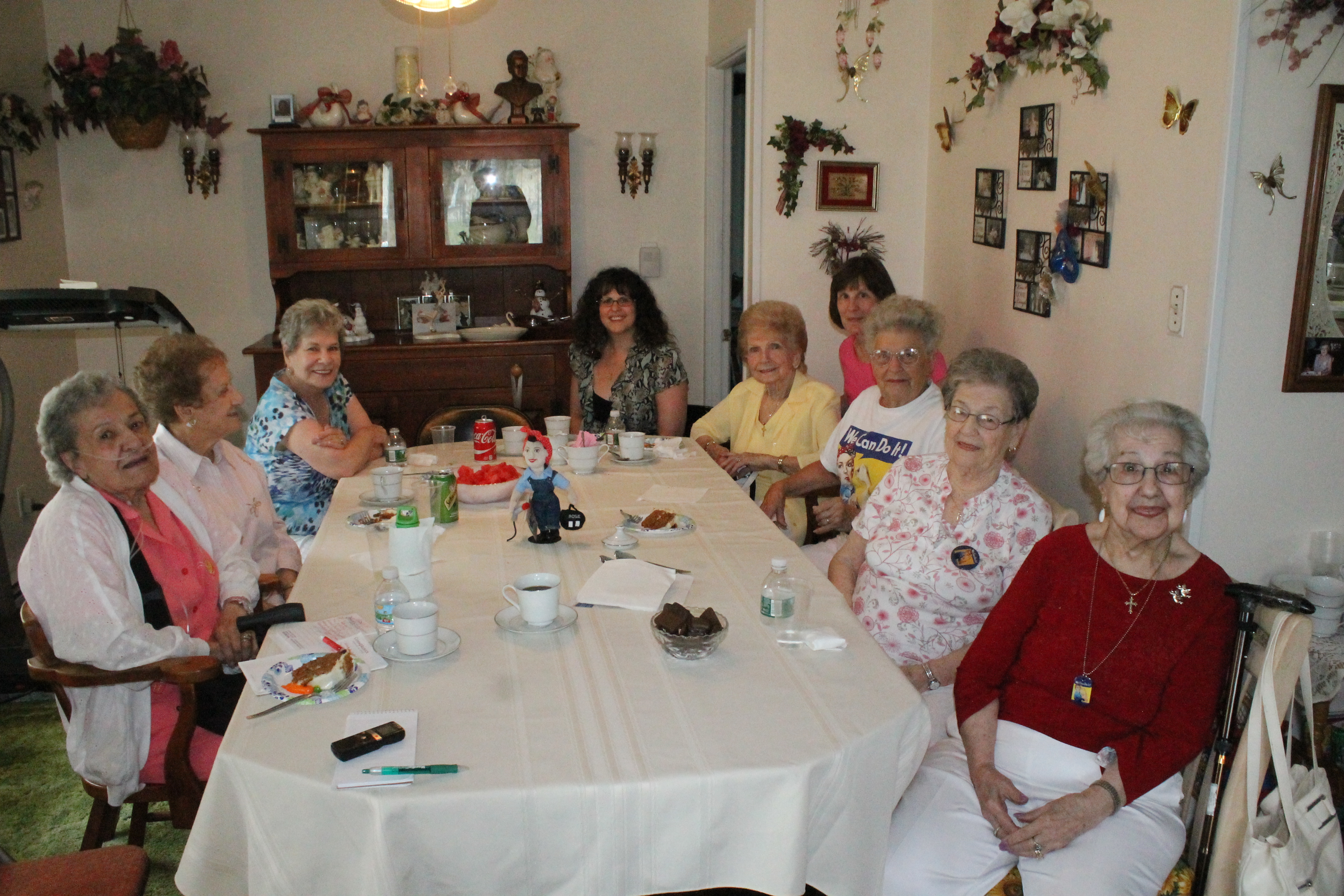
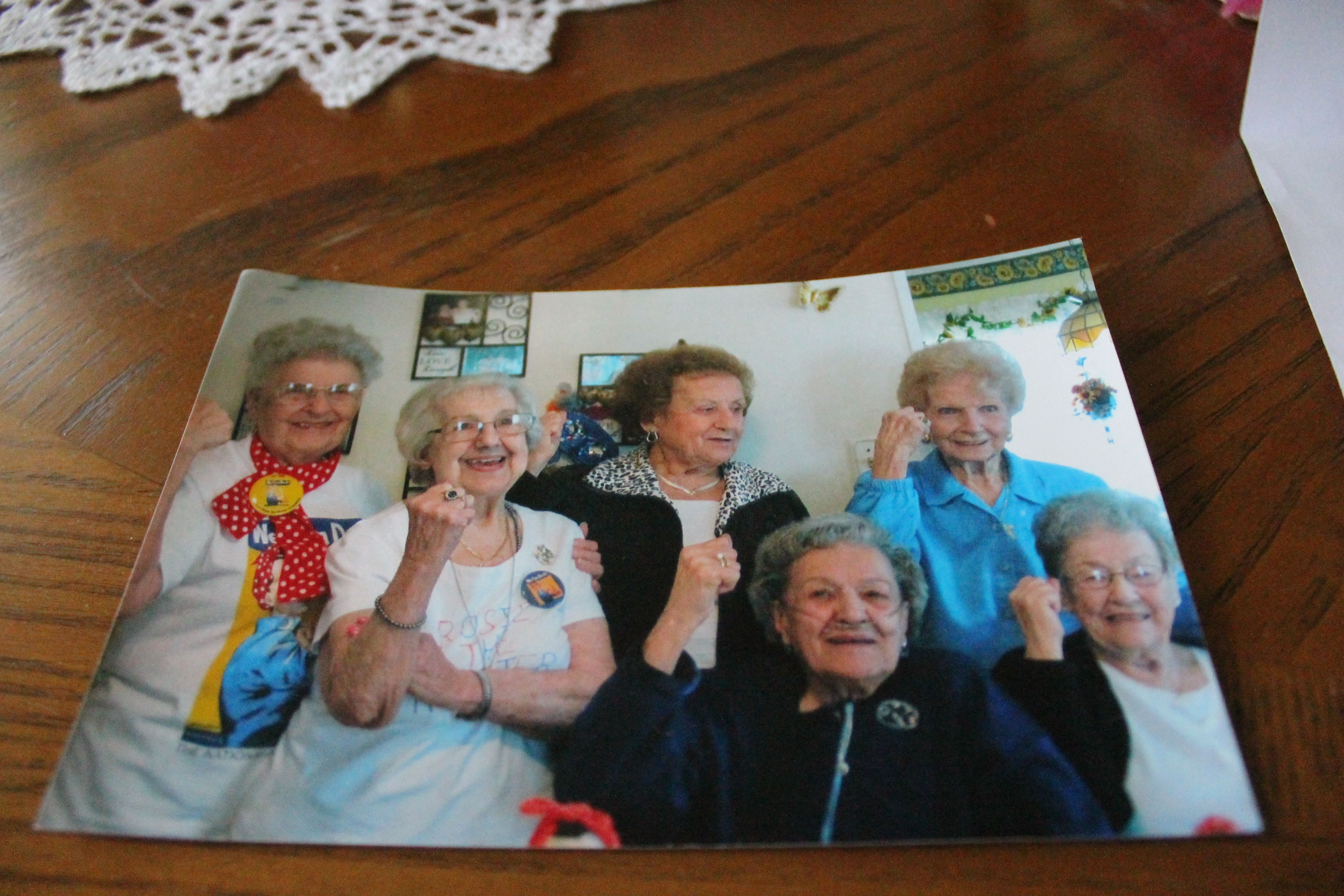
A group of six trailblazing local women who worked during World War II as “Rosie the Riveters” recently met in Bristol Township for tea and treats and discussed their experiences with LevittownNow.com.
Advertisements
If you’re not familiar, Rosie the Riveters were women who were drafted into the civilian workforce as men were sent to fight the Nazis, Italians and Japanese during World War II. The Rosies around the nation changed women’s role in the workplace.
The Rosies try to get together throughout the year and share their experiences with one another.
Rose Sutor, 96
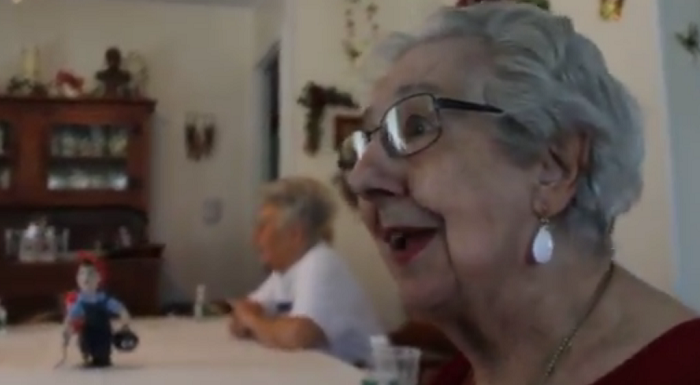
Credit: Tom Sofield/LevittownNow.com
Advertisements
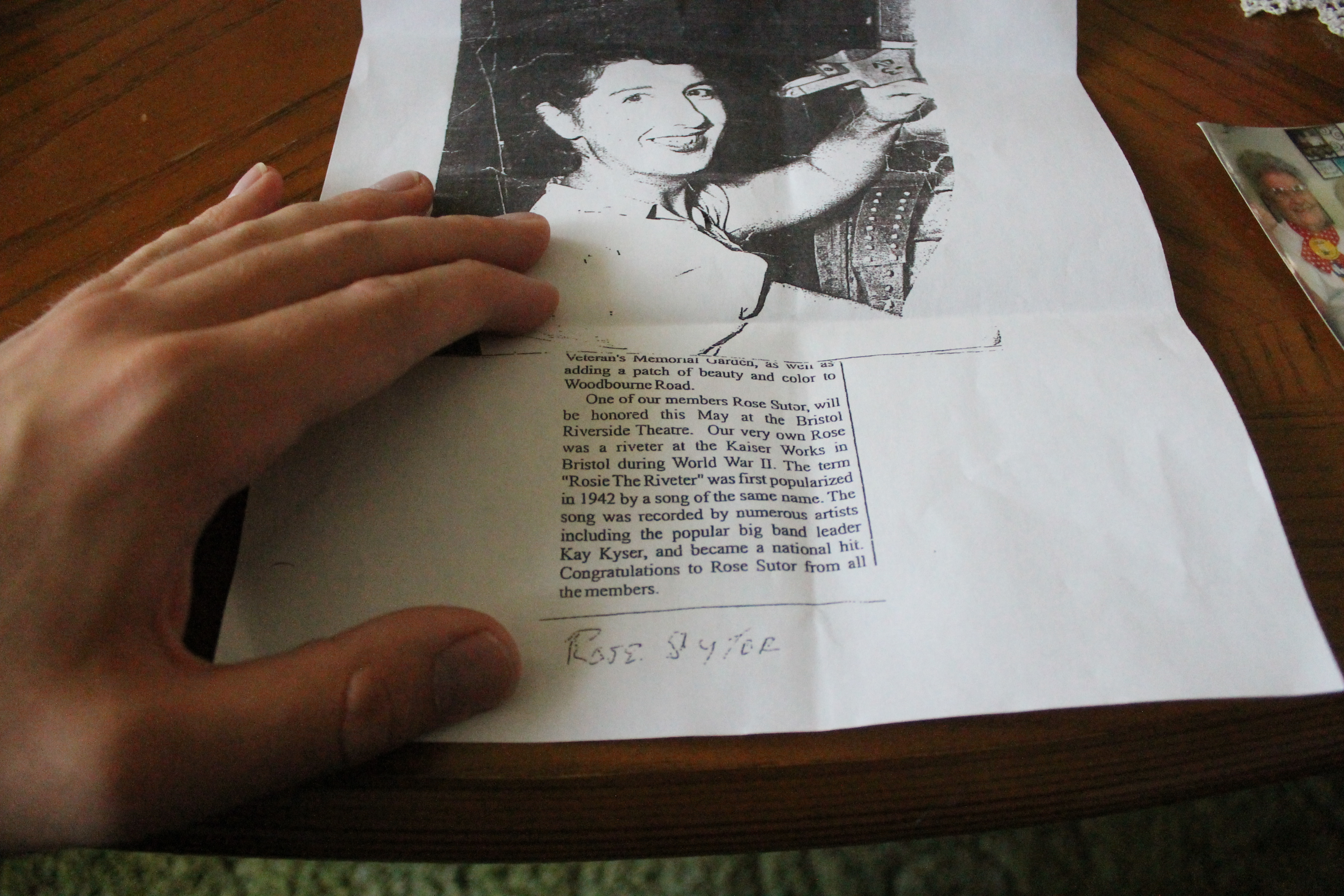
Sutor was just out of school when she was picked to work making airplane parts
Her then-boyfriend was sent overseas to fight the Nazis and she was hired at a Bristol Township metal facility that put made parts for planes used during the war.
Advertisements
“I was in Bristol working at Kaiser Metal located on Green Lane. The parts I would make would go directly on the fuselage,” she said.
In 1942, Sutor did not see her job as anything groundbreaking or special. She said she was just doing her job.
“At that time, I thought how could I not go to work. They were – the guys – were all over fighting,” she explained.
Advertisements
While working at the factory, Sutor recalled one time a male co-worker grabbed her while in the facility.
“I threw a bar at him, but it missed,” she said. “My boss was so happy I didn’t hurt him.”
Advertisements
Sutor’s husband, Stan, was captured by the Nazis and held for 11 months as a prisoner of war. Once he was freed, he returned to Bristol and asked Sutor to marry him just days after returning home.
After getting married, the Sutors used a $500 prisoner of war check to buy their land build their home along Edgely Road in Bristol Township.
Advertisements
“There were sad times and good times,” she said of her time with Stan, who passed away in 1993.
Sutor said she worked from time to time after the war and worked at a book factory in Bristol Borough.
Credit: Tom Sofield/LevittownNow.com
Advertisements
Rose Russo, 94

Credit: Tom Sofield/LevittownNow.com
During World War II Russo worked on the tail of planes during her shift from 4 p.m. to midnight at the Fleetwing aircraft manufacturing facility along Green Lane in Bristol Township. She was 19 years old when she was called up to work.
“I was a Rosie the Riveter, and I worked on a small piece that was the tail of the airplane,” she said. “It was exciting making them.”
Advertisements
She enjoyed seeing the finished planes she helped make and knowing they were used by the military pilots.
“It was sad when I had to go work. There wasn’t anybody around. We would walk the streets of Bristol – I love my town – and no one was here. We would walk as far as Edgely and back with the girls and that was a good day.”
Advertisements
“It was no fun. It was a dull life. We missed the boys,” she said with a chuckle.
Her contribution to the war effort wound down as the war did and as jets were brought into service in the armed forces.
Russo, a Bristol local, had four brothers in the war, all of whom came back alive.
Advertisements
Russo met her husband in 1945 as he was about to be discharged following the war
“I went with him for about a year and got married,” she said. “Then we settled down.”
After getting married and starting a family, Russo worked on and off and operated a sewing machine that made slips that were sold to women.
Advertisements
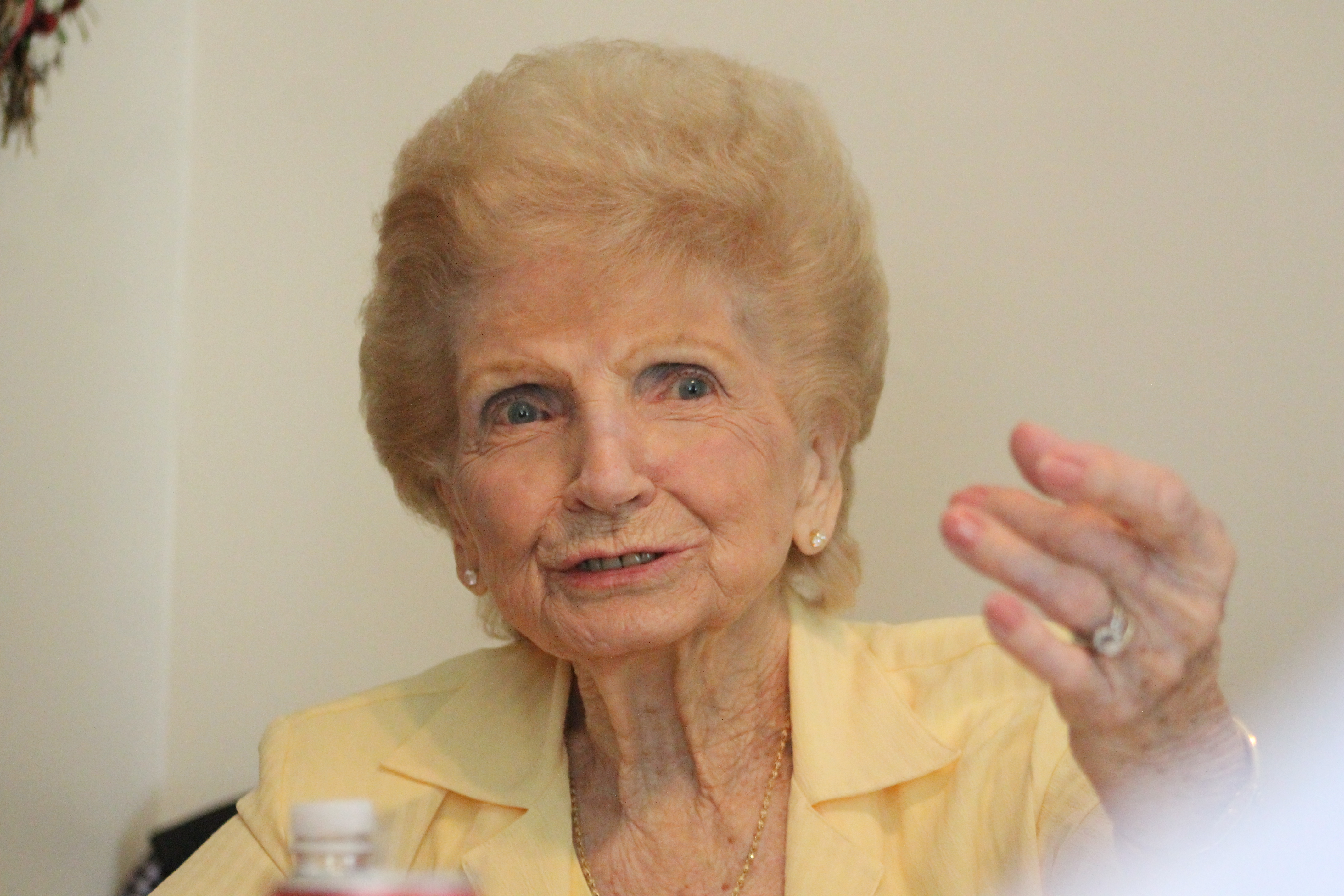
Betty Pappaterra, 93
Credit: Tom Sofield/LevittownNow.com
Starting a year or two out of high school, Pappaterra, who grew up on a farm where Levittown stands now, was called up to work making ice box rivets from Corsair bombers that would be sent to England and used on the European front.
She looks back now and realizes how important and trailblazing her work was during the war.
Pappaterra recalled some memories from the factory and the girls she worked with.
Advertisements
“This girl would come to me every week for gum and money. I eventually said, ‘what did you do with your pay? Shopping?’” she recalled with a laugh.
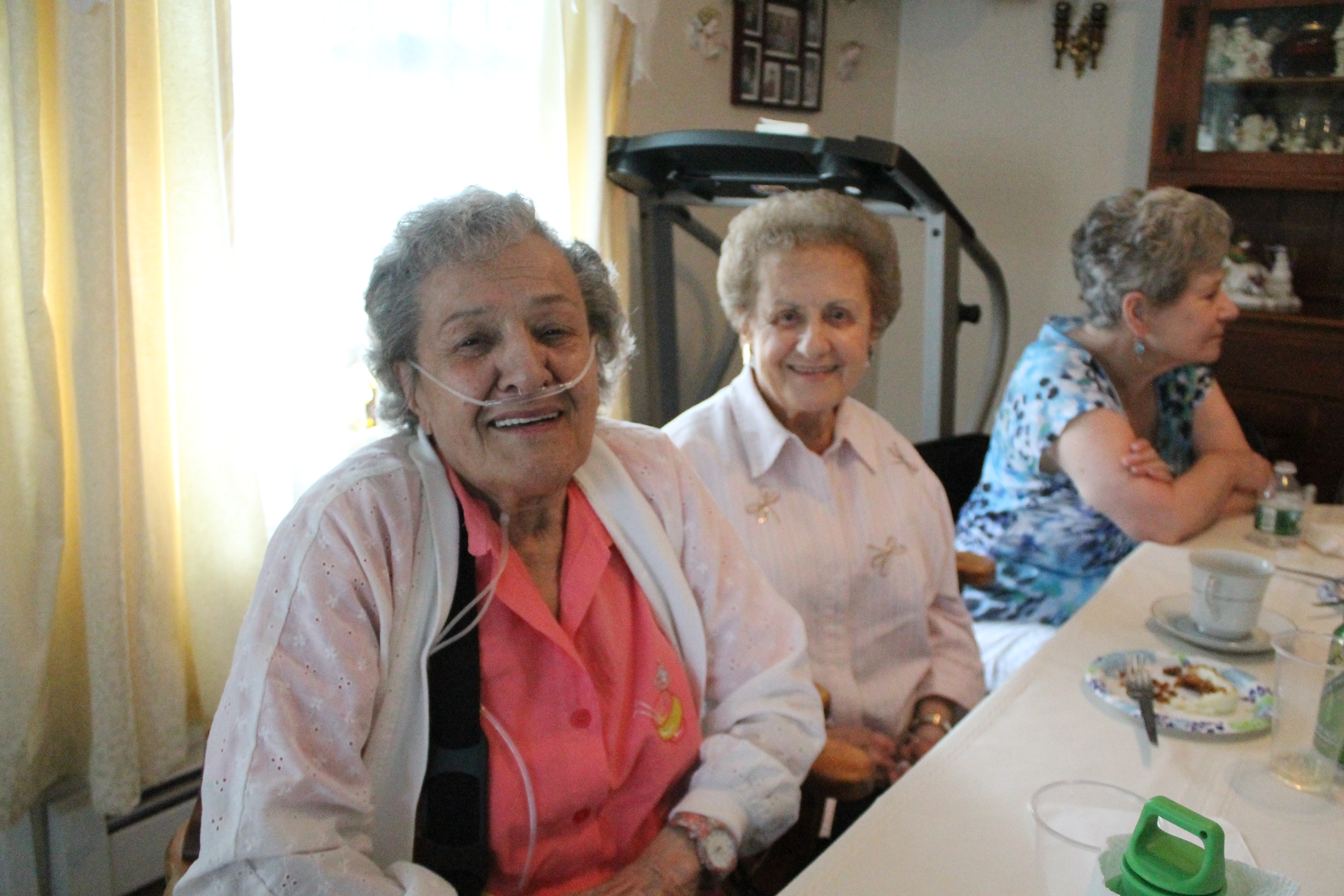
Pauline Biedka, 93
Credit: Tom Sofield/LevittownNow.com
Biedka did not just work in the Fleetwing aircraft plant during World War II but also duing the Korean War.
During World War II, she worked in the K9 department that would aid other riveters. She worked alongside her partner to make sure the line was moving.
Biedka met her husband in Lower Bucks County in 1940 before the US entered the war.
“He was a good looking man who I worked with. And he wouldn’t let me alone. Oh, he followed me everywhere,” Biedka said with a chuckle.
Biedka’s husband passed on but she said they would have been married 75 years this year.
Advertisements
Angelina Romello, 94
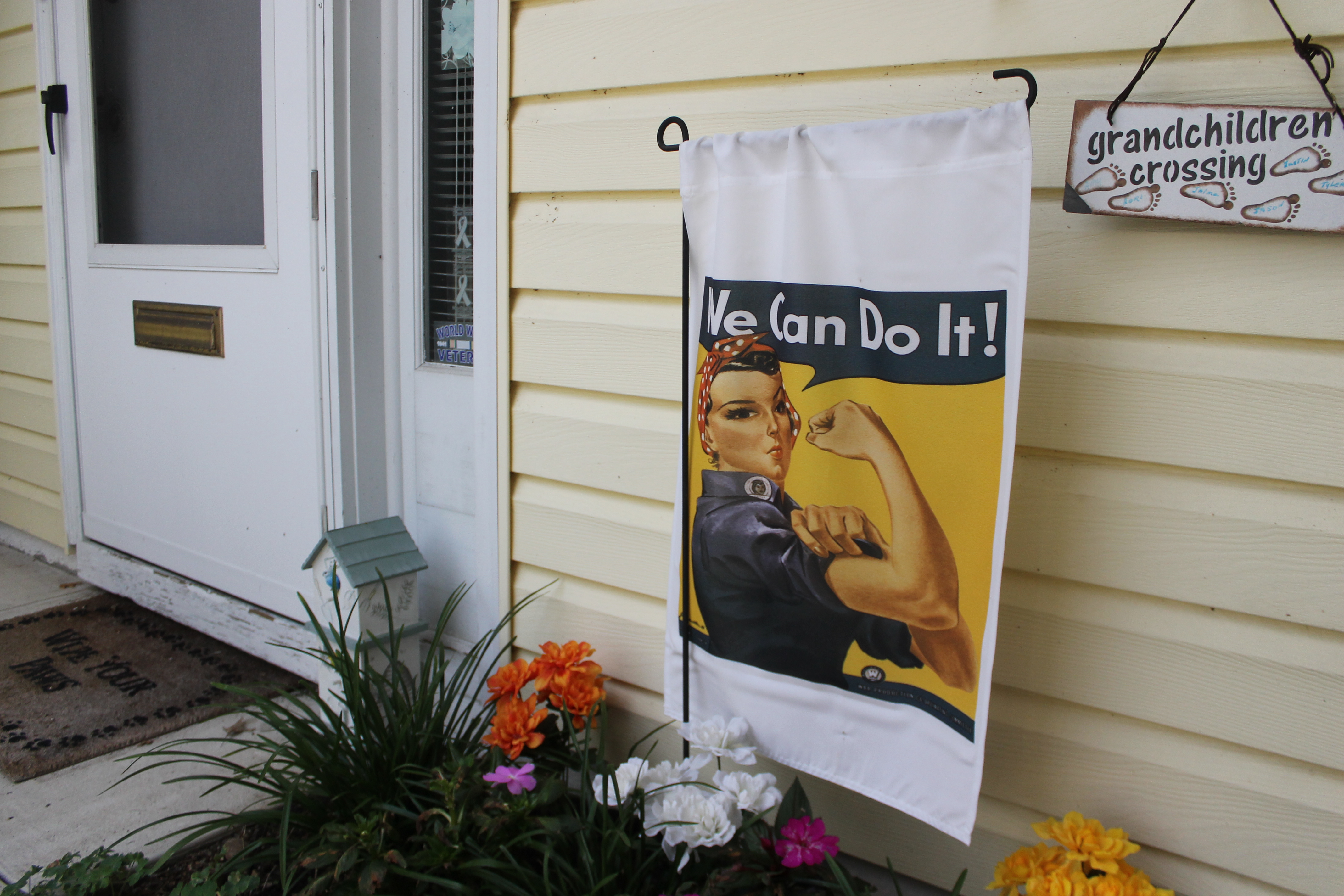
For Romello, the start of the war meant she had to give up her job as a hairdresser and work at Fleetwing building planes.
“I quit that to go work and make money (at Fleetwing) for my own shop, which I opened in 1944,” she said.
She worked under the wing of the planes with other Rosie the Riveters and enjoyed her time.
Her husband, Michael,she met after the war after being introduced by her future sister-in-law. Her husband, who has passed, played professional baseball starting after the war for a Phillies minor league team.
“We were able to travel the country,” she said. “We saw a lot.”
When asked about being a pioneer for women in the workforce, the Bensalem resident laughed and said they were “tough ladies.”
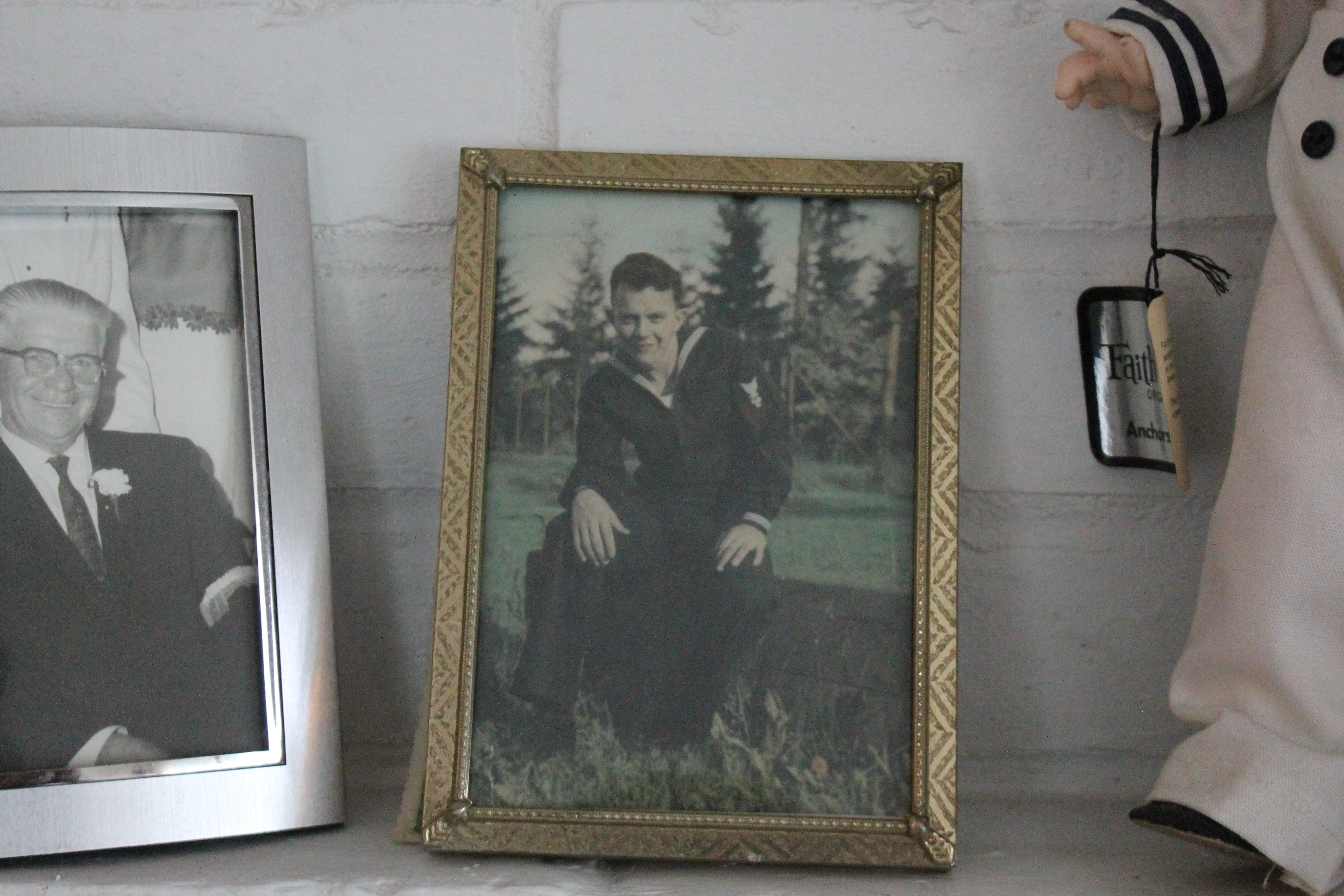
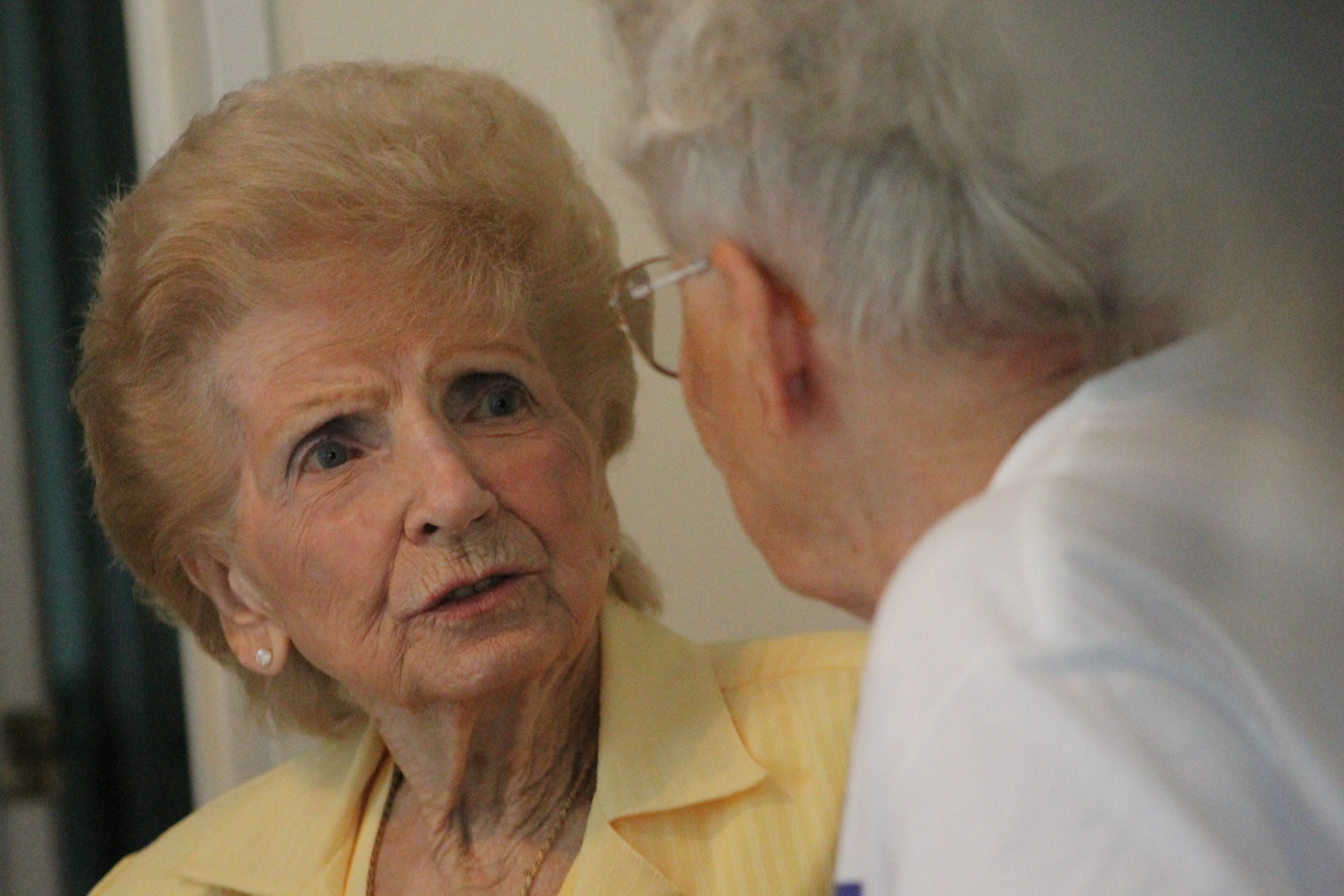
Mae Krier, 91

Credit: Tom Sofield/LevittownNow.com
She was only 17 at the time, but Krier went to work helping assemble the important B-17 bomber at the Boeing plant in Seattle.
Along with other Rosie the Riveters at the plant, Krier helped build the four-engine heavy bombers that were called the “Flying Fortress” for 98 cents per hour, a wage she was happy with when she worked at the plant between 1943 and 1945.
“[Hitler] thought American women were soft, and we (Rosie the Riveters) showed him we weren’t,” she said.
The North Dakota native moved to Seattle with her sister once the war started.
Credit: Tom Sofield/LevittownNow.com
Krier met her husband, a sailor, while in Seattle on the dance floor.
After the war, the couple was transferred to another base, and Krier worked at a facility were Italian prisoners of war were held.
The two were married and moved to Bucks County, where Krier’s husband, Norm, worked across the river in Trenton.
“Times were tough after the war. Money was tight,” she said, adding that they moved from Morrisville to her current home in Bristol Township’s Levittown section.
Norm Krier passed away after nearly 70 years of marriage.
Looking back, Krier said the start of World War II meant men began to see women as equals who could pull their weight in the workforce, a fight that continues today.
“Once women were no longer needed, they were expected to go back in the kitchen and bedroom,” Krier said. “Not everyone wanted that.”
Krier has become a public face for Rosie the Riveters across the country and routinely travels. Aside from get togethers she holds for local Rosies, she has been featured in parades and celebrations throughout the country.
Earlier this year, Krier traveled to Washington D.C. to celebrate National Rosie The Riveter Day..
Credit: Tom Sofield/LevittownNow.com
Krier began campaigning on behalf of her fellow Rosies in the 1980s after noticing they didn’t get the recognition they deserved.
“No one ever gave us credit for what we did, so that is why I have fought so hard to get our National Rosie Day. I am so proud of what the women did for our country. The men came home to parades and flying flags, and Rosie came home with a pink slip. Had it not been for the women in World War II, we might be speaking German or Japanese today,” she said.
Publisher Tom Sofield contributed to this report.

