

Plasma Services Group (PSG) is seeking donors with lyme, autoimmune, and certain other diseases to help develop diagnostic testing kits.
Unlike standard centers that use donations for therapeutics, PSG focuses on diagnostic research and the manufacturing of testing materials.
“We look specifically for people with autoimmune and infectious disease to donate their blood and or plasma and help out with diagnostic research,” said Mike Delahanty, PSG’s Director of Donor Recruitment. “A lot of people don’t realize that something that’s intrinsic to them can be the answer to help build out better, more effective diagnostic testing kits.”
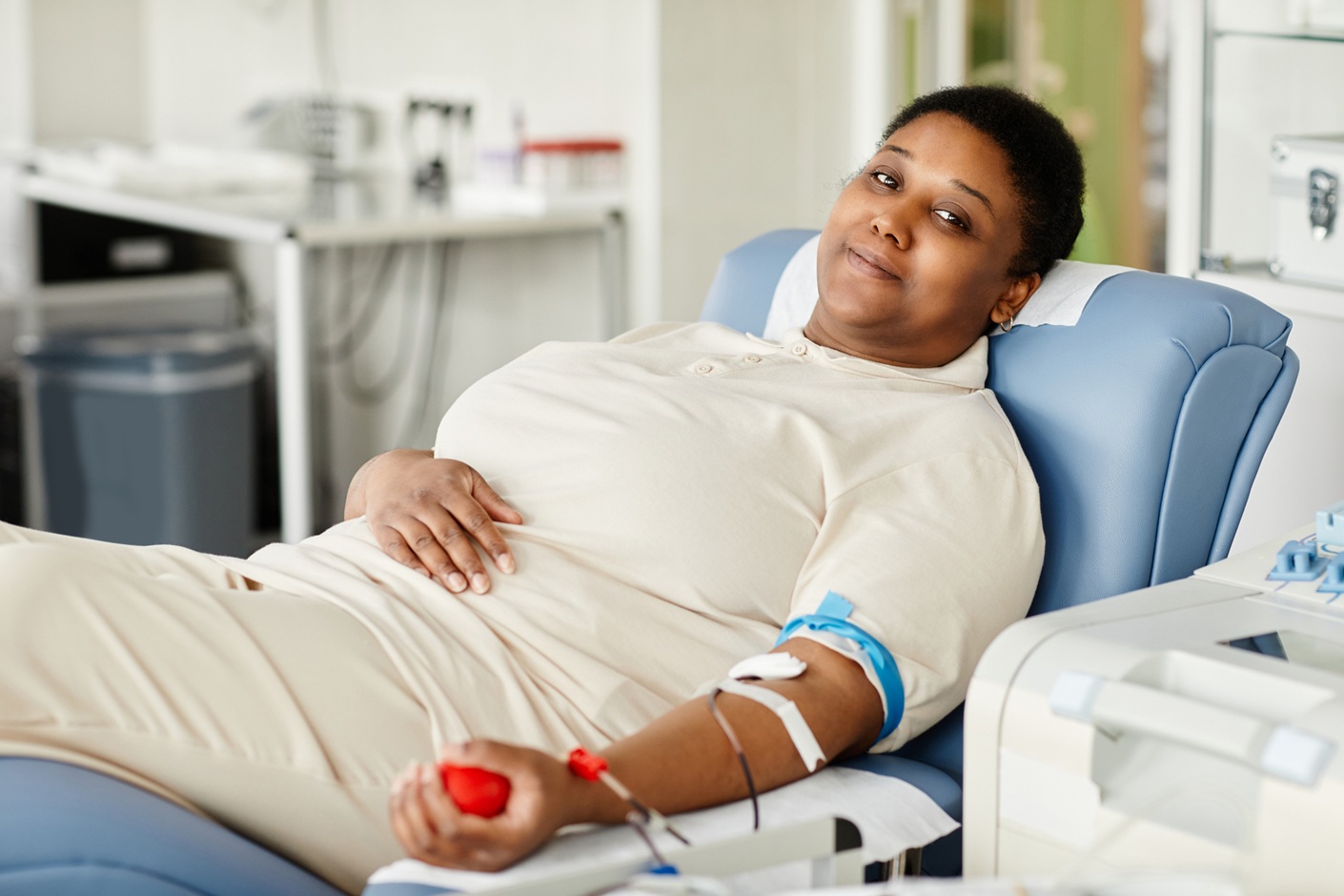
The company pays $100 for blood donations collected at a donor’s home or office and $250 for plasma donations performed at its preferred center. The company’s donation center is located in Huntingdon Valley and, if needed, transportation is provided.
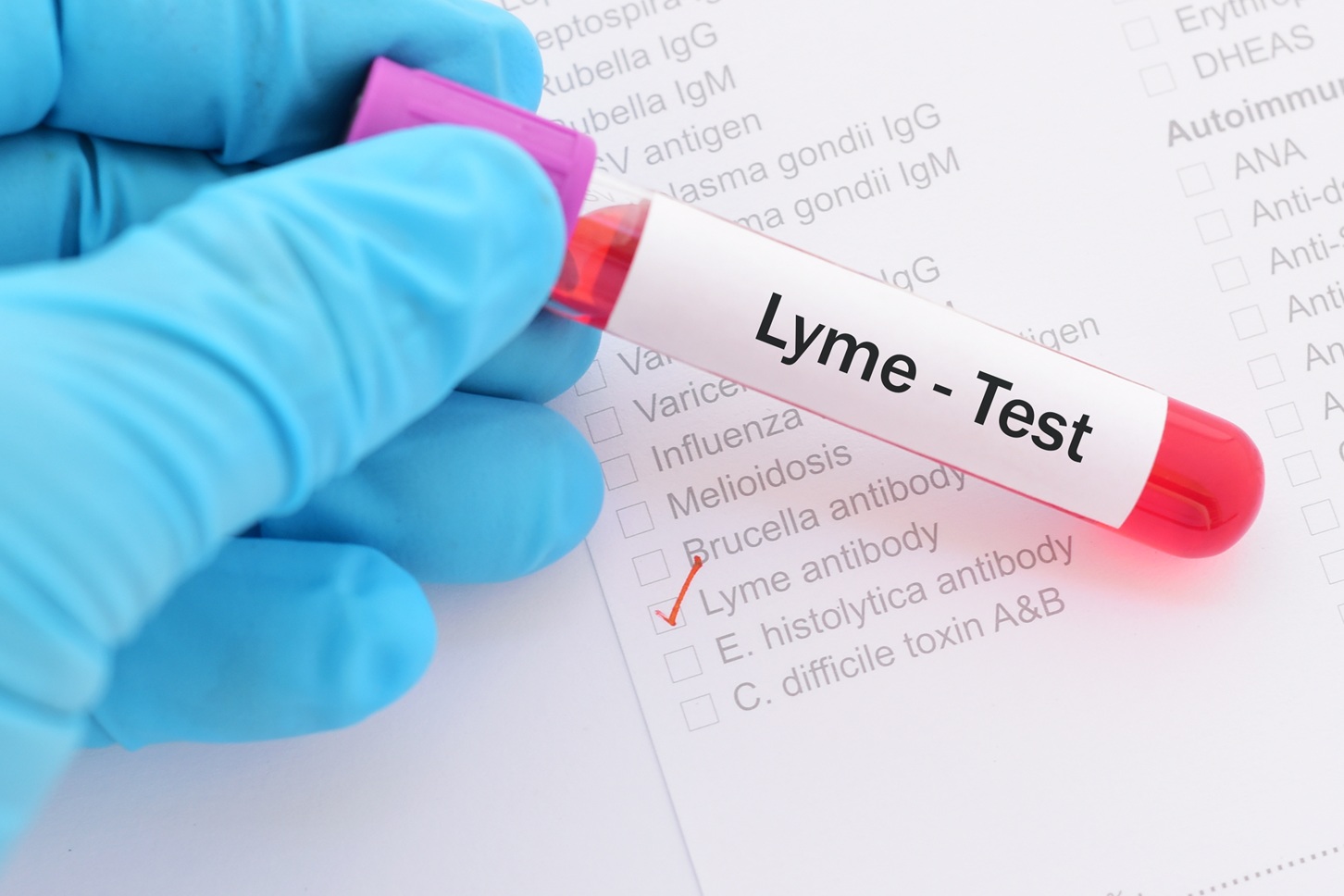
The company is currently prioritizing donors who have been diagnosed with Lyme disease.
Due to modern medical treatment of Lyme, high-titer material needed for diagnostic kits has become increasingly scarce.
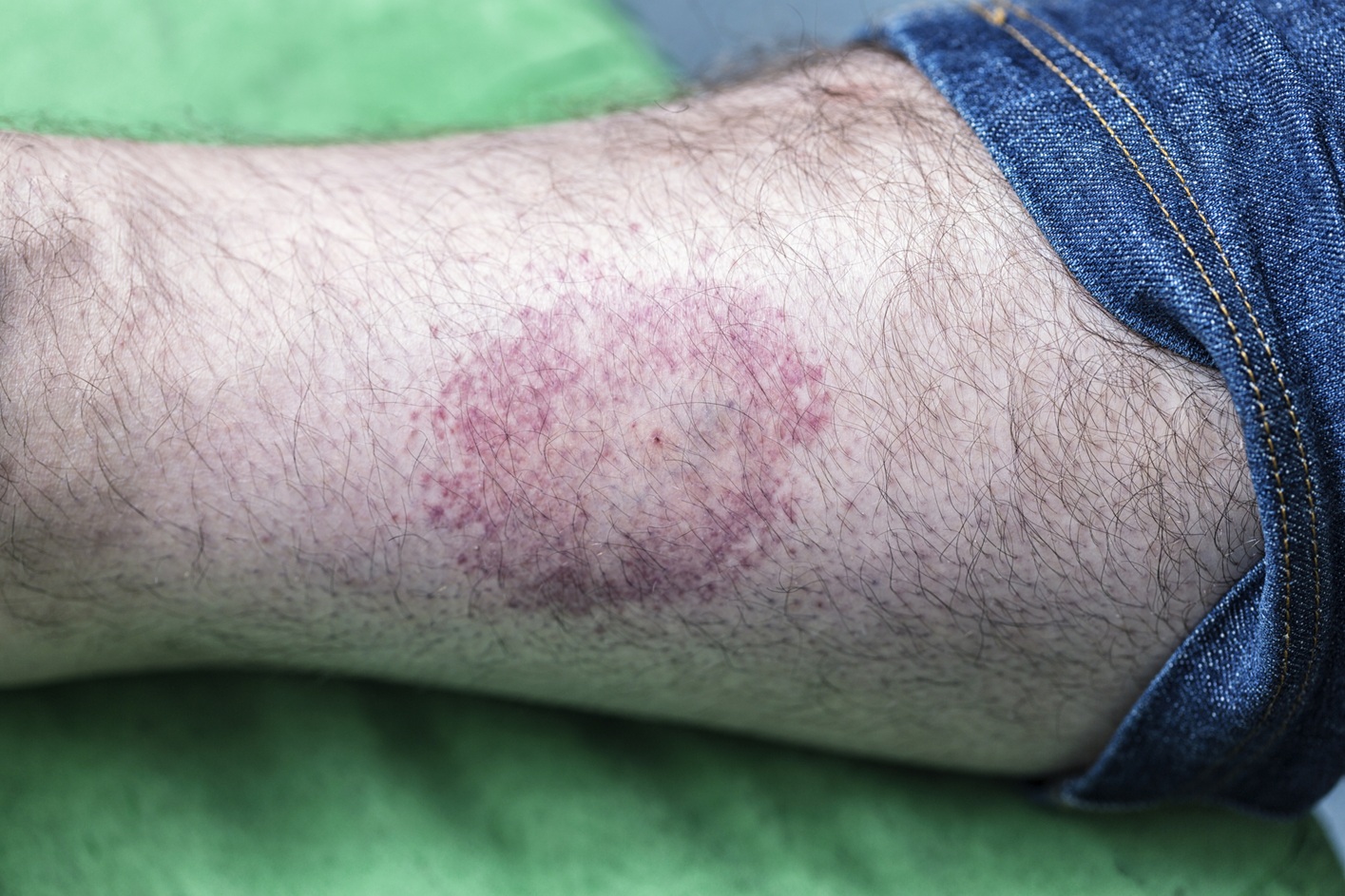
“With it being Lyme season, we want to get the word out there that you could help somebody,” Delahanty said.
To review a full list of diagnoses that PSG is currently recruiting for, please visit: www.psgdonors.com/about.
If you have been diagnosed with Lyme disease and would like to instantly qualify, please complete an online donor form here: www.psgdonors.com/donor-form.
Qualified donors will be asked to participate in a small, at-home blood donation that is administered by a licensed phlebotomist from the comfort of their home. For your time and efforts, you will be compensated $100.
“Oftentimes, those who are managing auto-immune diseases can have limited mobility,” Delahanty said. “We will send a phlebotomist to them.”
The samples are analyzed at PSG’s 10,000-square-foot laboratory to create a “blind antibody profile.” PSG does not sell or share the information of the donors.
“Your participation in their donation program is kept strictly confidential,” Delahanty said.
While not everyone qualifies for the subsequent plasma donation program, your blood sample will be retained for any future projects that you may be qualified for.
Following a four- to six-week analysis of the initial blood draw, eligible donors must obtain physician clearance and sign informed consent forms.
During plasma donation, an apheresis machine separates the plasma, which makes up approximately 55% of blood, and returns red blood cells and platelets to the donor.
The FDA allows donation up to twice weekly, and PSG donors are seen in private, single-bed offices rather than large communal rooms.
Olivia Albertson, PSG’s donor liaison, described the program as a “bridge” between patients and the diagnostic industry.
“PSG is like its own unique ecosystem,” Albertson said. “It’s a very symbiotic relationship.”
While PSG maintains approximately 5,000 donors and follows strict safety and confidentiality protocols, it cannot share test results directly with donors because it is a research laboratory.
Safety protocols include checking vital signs, iron levels, blood pressure, hematocrit, and hemoglobin before each donation. Donors remain with licensed phlebotomists in private offices rather than shared spaces, and can request to stop the process at any time.
Interested individuals can find more information on eligibility and the application process at psgdonors.com/donor-form.