By Peter Hall | Pennsylvania Capital-Star
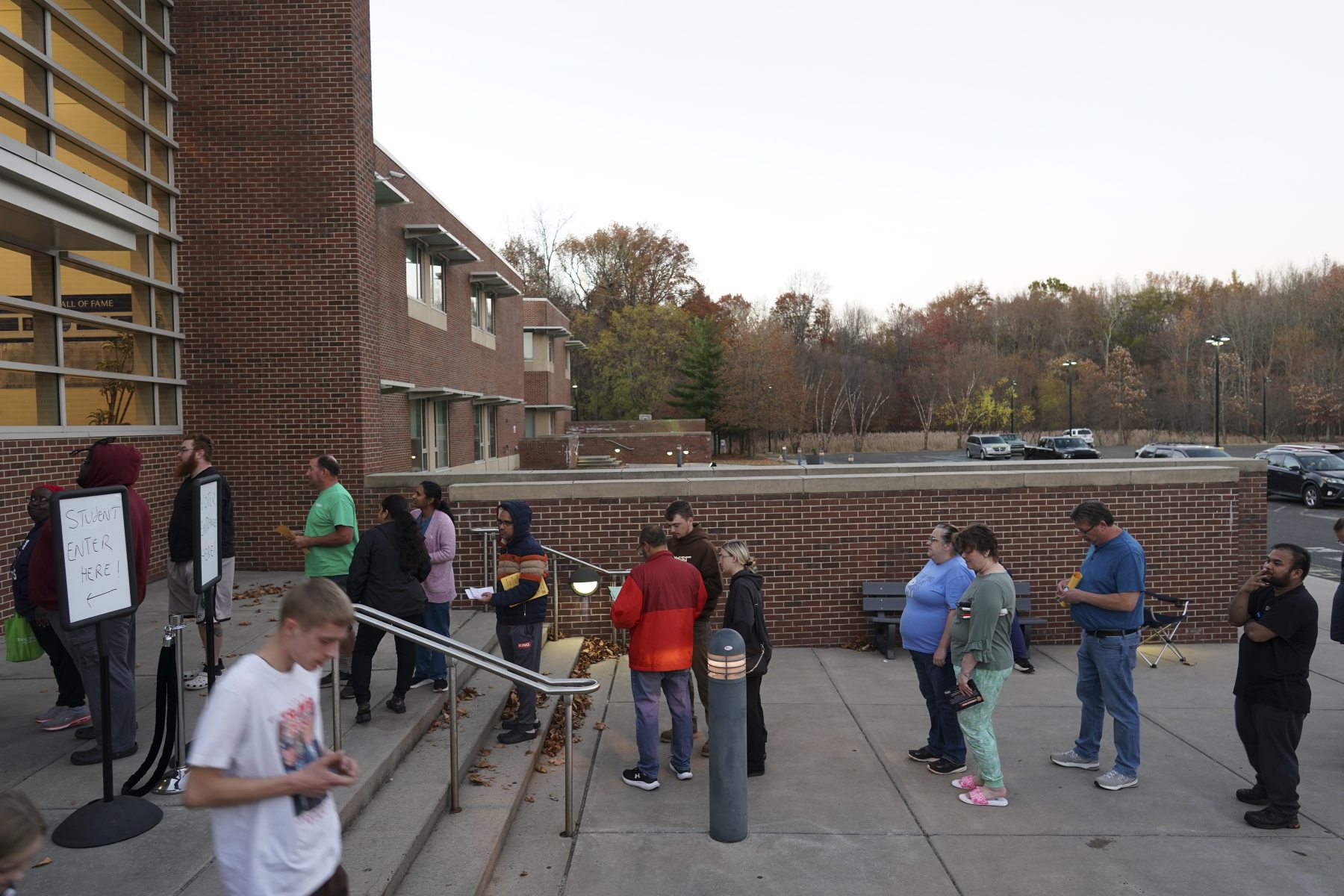
Pennsylvania’s vote-by-mail law has been the subject of a seemingly endless stream of court cases since casting an absentee ballot without an excuse became an option in 2020.
Advertisements
This year is no exception. The state Supreme Court has heard two cases scrutinizing county election officials’ handling of situations where voters made mistakes on their mail ballots. Voting rights advocates argued they shouldn’t be stripped of their constitutional right to vote as a result, while the state and national Republican parties have urged courts to enforce the rule.
In one case from Washington County, the court ruled last month that election officials violated voters’ rights by misleading them about the status of their mail-in ballots.
And it heard oral arguments in a case from Philadelphia over whether the most common mistake – omitting the date from a ballot envelope – should result in mail ballots being disqualified.
Advertisements
A decision in that case almost certainly will not be made in time for next month’s election, voting rights advocates said. But election officials across the commonwealth are operating under guidance from the Department of State that the date on ballot envelopes is not a factor in determining whether they are valid.
The Philadelphia-based 3rd U.S. Circuit Court of Appeals said in August writing the date on a mail-in ballot envelope is a minor burden for voters. But the impact of making a mistake or forgetting is too great, rendering it an unjustifiable infringement on the fundamental right to vote.
Advertisements
For the average Pennsylvanian, it’s a lot to keep track of decisions made by the state’s highest court, Commonwealth Court, county courts, federal courts, and even the U.S. Supreme Court.
So what has changed with voting by mail since last November’s presidential election?
Most voters won’t notice any difference in the process of requesting, receiving, completing and returning their mail-in ballots, election officials and voting rights watchdogs said.
Advertisements
But they can vote by mail with the confidence that if they do make mistakes, all is not lost, University of Pennsylvania political science professor Marc Meredith said.
The Supreme Court ruled last month that county election officials must notify voters if an error results in a mail-in ballot being disqualified. That gives voters an opportunity to challenge the decision or go to their polling places on Election Day to cast provisional ballots.
Advertisements
Another high court decision in October 2024 affirmed that voters have the right to cast provisional ballots and have them counted when their mail-in ballots are set aside because of a mistake. In that case, it was voters neglecting to use the secrecy envelopes provided with their ballots.
“Those decisions have provided some clarity about how counties should handle ballots that come in with an incomplete affidavit or missing secrecy envelopes,” Meredith said.
Advertisements
The other vote-by-mail case before the commonwealth’s Supreme Court deals with the most litigated mistake that voters make: Forgetting to date or incorrectly dating the declaration on the outside of the return envelope. Courts have made at least nine different rulings that have changed the rules, but none so far has been definitive.
The Philadelphia-based U.S. 3rd Circuit Court of Appeals ruled last month that the requirement violates the U.S. Constitution’s First Amendment right to vote and the 14th Amendment right to equal treatment under the law. The GOP has asked the court to rehear the case en banc, in hopes that a larger panel of judges would reach the opposite conclusion.
Advertisements
In oral arguments Sept. 10 before the state Supreme Court, lawyers for the Republican Party of Pennsylvania and the Republican National Committee argued writing the date on a ballot declaration is not such a burden that it unconstitutionally interferes with the right to vote.
The GOP is appealing a Commonwealth Court decision in favor of two Philadelphia voters whose mail ballots were among 69 disqualified in a special election for a state House seat because of missing dates.
Lawyers representing Susan Kinniry and Brian Baxter argued the date requirement violates the state constitution’s guarantee of the right to vote because the date serves no purpose that justifies government interference.
Advertisements
“Even if this date requirement was not intended as a disenfranchisement trap, we now know that that’s what it has become,” American Civil Liberties Union of Pennsylvania lawyer Stephen Loney said during the arguments.
Marian Schneider, formerly senior policy counsel for the ACLU of Pennsylvania, said the Supreme Court stayed the lower court’s ruling in the case last year, noting it came too soon before the election to risk confusion by changing the rules. The court is almost certain to follow the same doctrine with its decision this year.
Advertisements
“I can’t imagine they would change the rule so close to the election, especially when three of them are on the ballot,” Schneider said.
The ruling in the Washington County case could help reduce the number of disenfranchised voters statewide by ensuring they have a chance to vote provisionally, which Schneider noted is a requirement of the federal Help America Vote Act.
That figure was about 22,000 in the 2022 election, when gubernatorial and U.S. Senate races were on the ballot. Revisions to the design of mail-in ballots and the opportunity to fix missing or incorrect dates have reduced the number of disqualified ballots statewide to about 4,500 in last year’s election.
Advertisements
Washington County Commissioner Chairman Nick Sherman said he still disagrees with the state Supreme Court’s ruling on notifying voters. While the Statewide Uniform Registry of Voters automatically generates an email to voters who provide an address informing them of their ballot status, Sherman said he believes that’s at odds with the law.
Act 77, which amended the Election Code to allow mail-in voting, allows county election workers to begin “precanvassing” or preparing ballots only at 7 a.m. on Election Day.
“They went a step further in the last election and said we have to review the ballot,” Sherman said, adding that it adds cost and additional labor.
Advertisements
Chantell McCurdy, the elections office director in Butler County, said voters there shouldn’t notice any changes either. If there is a problem with a mail-in ballot, such as a missing signature, the county gives the voter the option of going to the election office to fix the mistake or going to their polling place to vote provisionally.
Lehigh County Chief Elections Clerk Tim Benyo said the recent decision won’t change procedures in his office, which has been notifying voters of mail ballot problems for years.
“We have adapted over time to the different court rulings but these don’t necessarily change anything for us,” Benyo said.
Advertisement

Meet Your Canna Coach: Personalized Guidance, Free for You!

Canna Remedies: Your Go-To Accessible and Convenient Dispensary
Shop Now: cannaremediesnj.com/shop
Advertisements
Report a correction via email | Editorial standards and policies