


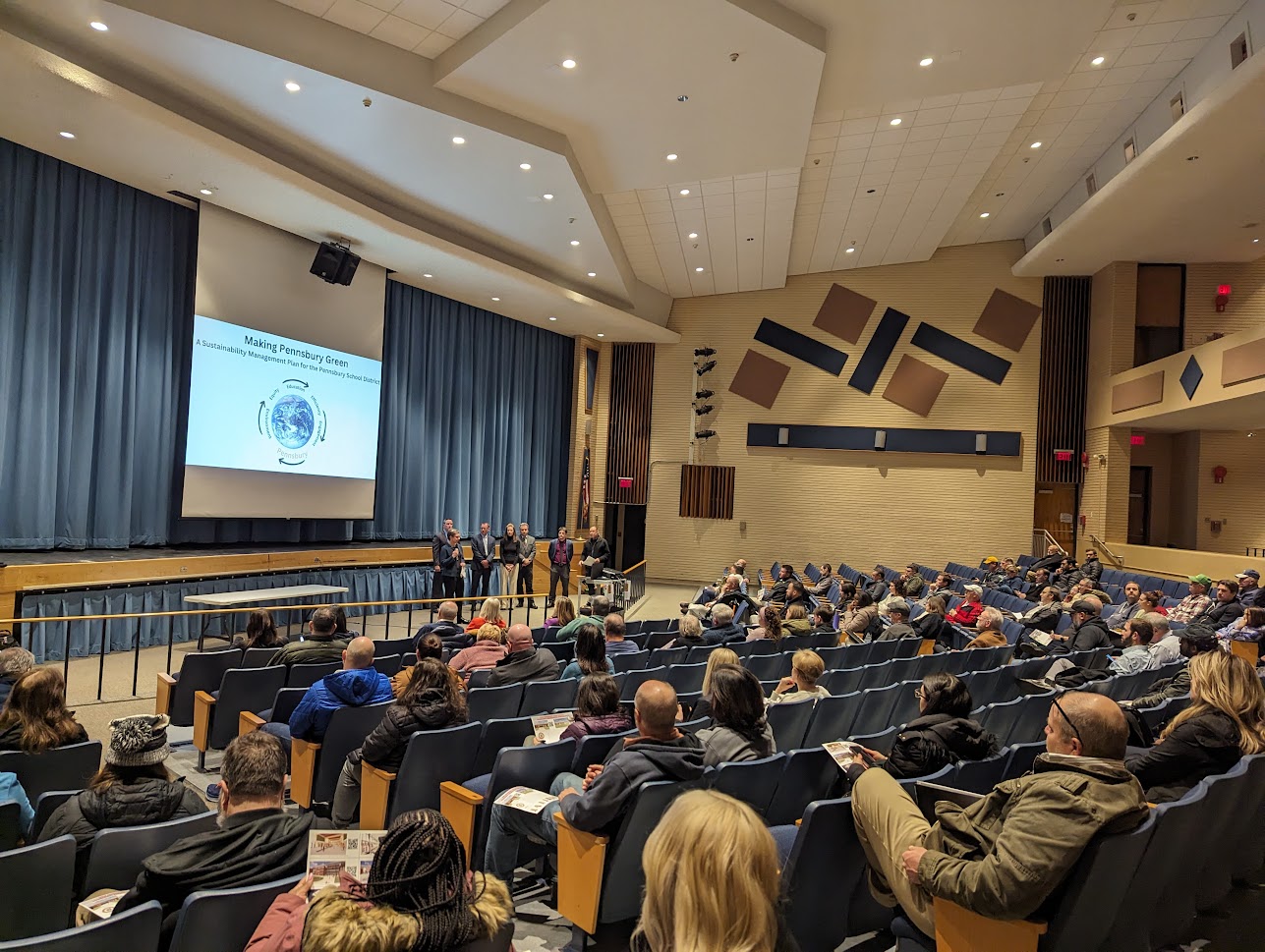
Four architecture firms came before the Pennsbury School District community to lay out their visions for a new high school at the existing campus in Falls Township.
Advertisements
There were several proposed building ideas for the district based on information the firms had about the community and high school, which is presently split between two buildings.
The plans presented Wednesday evening to a crowd of about 60 people were broad and meant to give an idea of each firms’ initial thoughts.
The plans all kept the new building on space that is presently largely open, focusing on the land between Falcon Field and Hood Boulevard and South Queen Anne Drive.
Advertisements
The proposals featured a variety of leaning spaces, ranging from classrooms to collaborative areas. They also each proposed spaces for outdoor activities, access to natural light, and secured access.
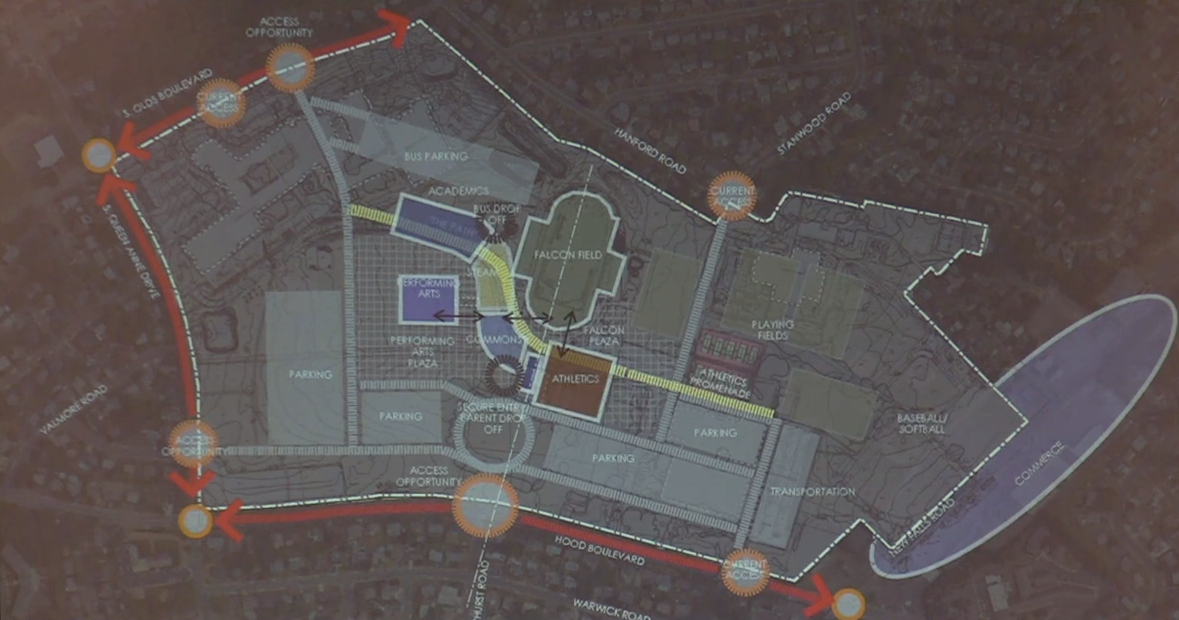
KCBA Architects presented a plan that centered around the idea of the “Pennsbury Path,” which would utilize a main pathway through the new building, an ode to the current path that connects the existing campus.
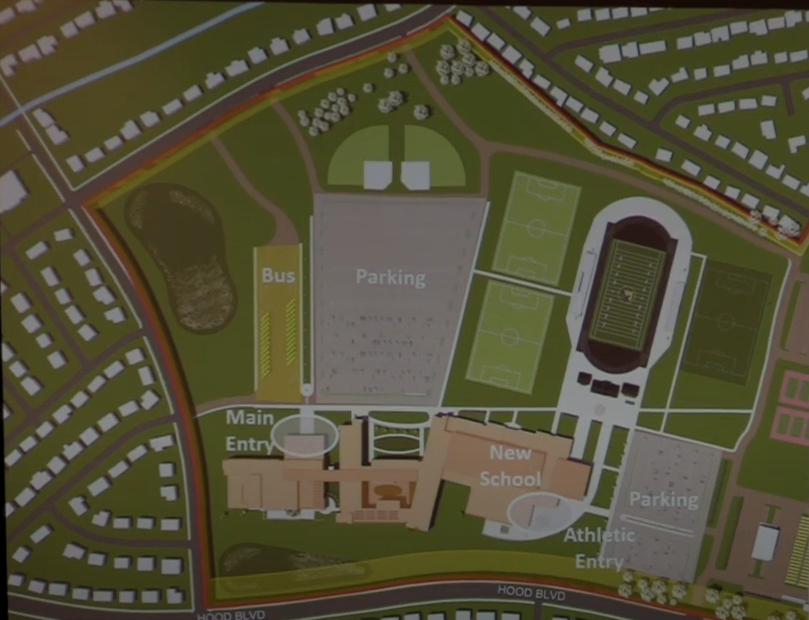
Mike Kelly, of KCBA Architects, said the proposal from his firm focused on spaces that could have multiple uses and room for special events while accommodating all types of students.

Advertisements
Kelly said they want to design “a big building with a personal experience.”
KCBA Architects also focused on green features and outdoor areas for students.
David Schrader of Schrader Group Architecture presented his firm’s proposal.
Advertisements
“We know our job is to take your scope of work, your budget, and your schedule and put all of those together,” he said. “What you asked of us tonight is to dream a little … what you see tonight is only ideas.”
The proposal focused of adopting effective higher-education designs, designing for the next generation, and de-institutionalize the learning environment, Schrader said.
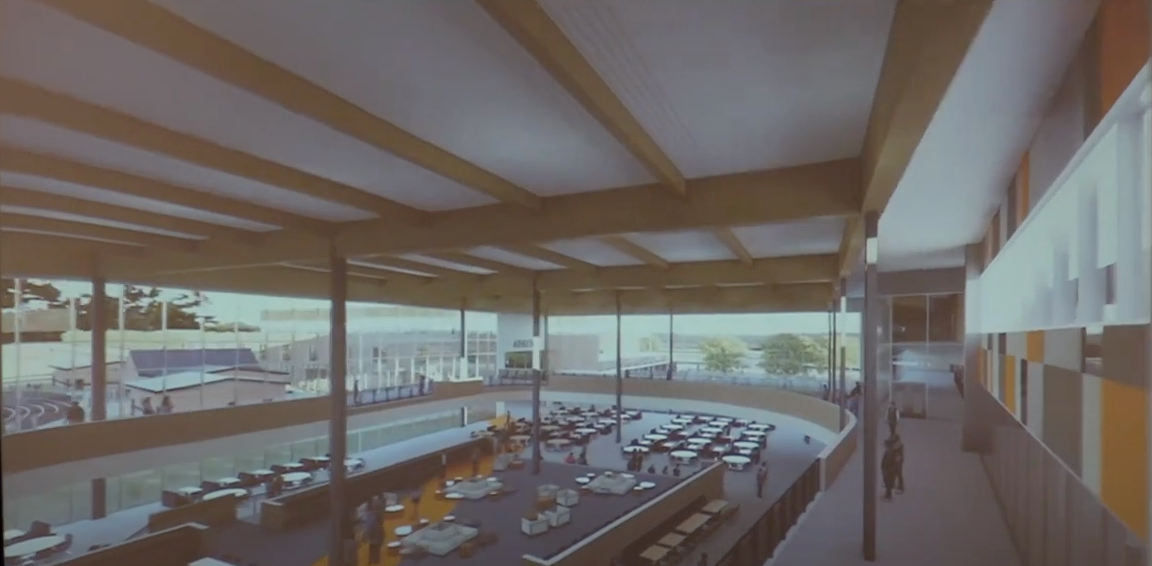
The firm prepared proposals for a more traditional building and one that had an “S” shape to follow the existing walking path. Both plans would be against the stadium complex.
Advertisements
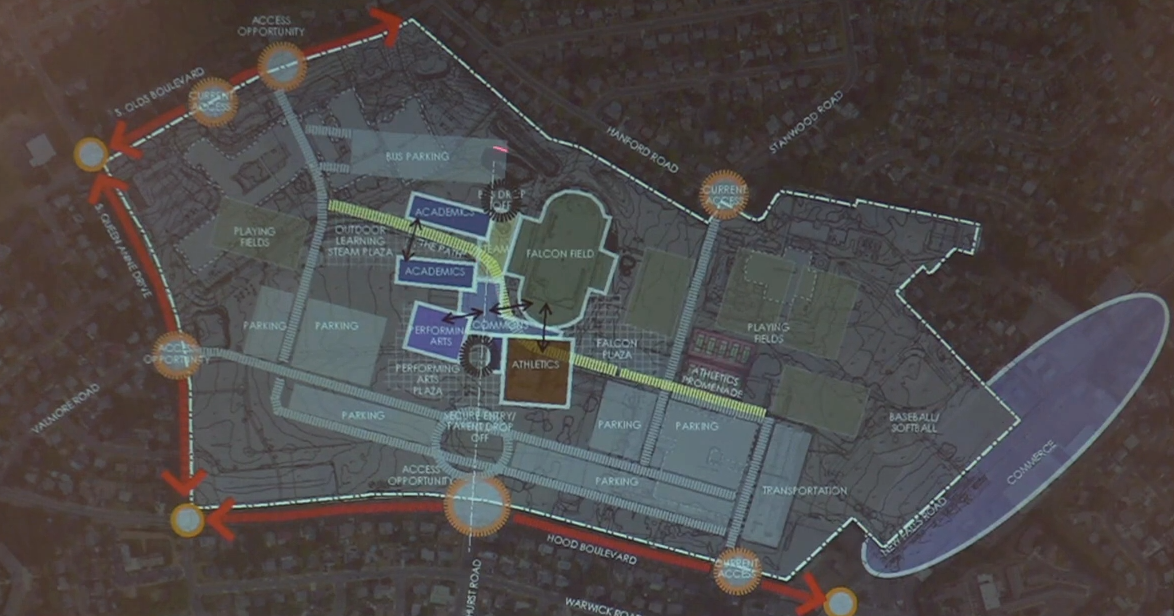
Crabtree, Rohrbaugh, and Associates presented a proposal that focused circulation in the building, improved educational programming, safety and security, sustainability, “The Path,” and collaborative spaces.
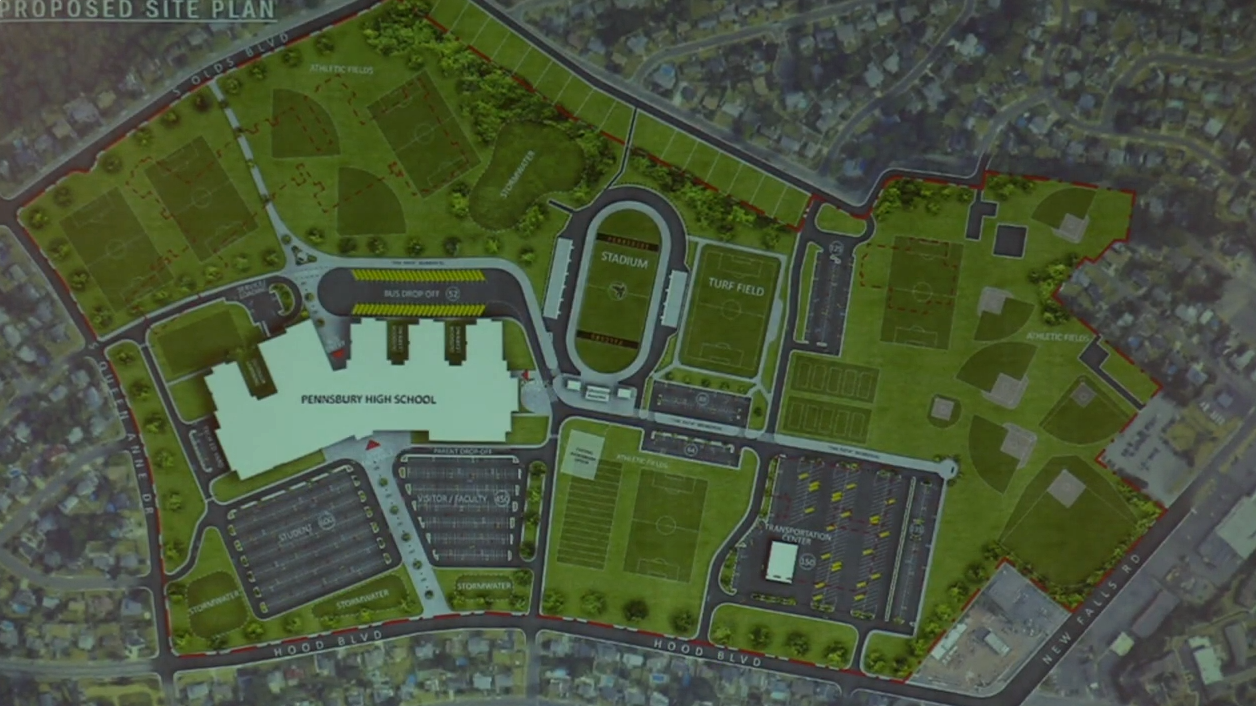
The building would have a central “Main Street” hallway and room for potential future additions, which could increase capacity by 600 students, designer Arif Hasanbhai said.
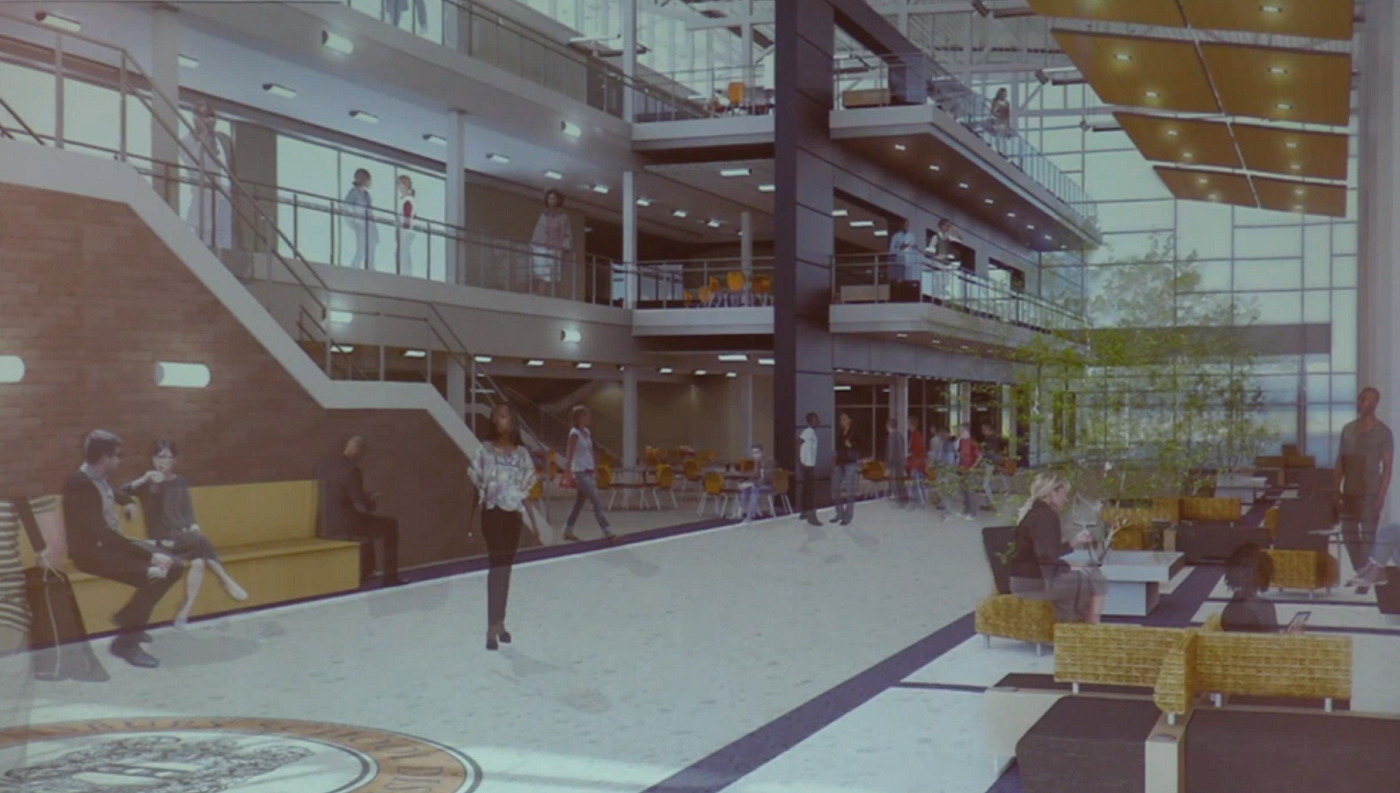
“The center of the building would be where we would be creating the heart of the school,” he said.
Advertisements
Presenters from Crabtree, Rohrbaugh, and Associates noted that they designed the new State College Area High School that was similar to Pennsbury High School because it had its campus split between two buildings.
The final presenters were a pairing of firms Perkins Eastman and Spiezle Group.
Advertisements
Daniel Bedesem, who helped present the proposal for the firms, said he is a Bucks County native and that he, his wife, and two daughters live in the Pennsbury community.
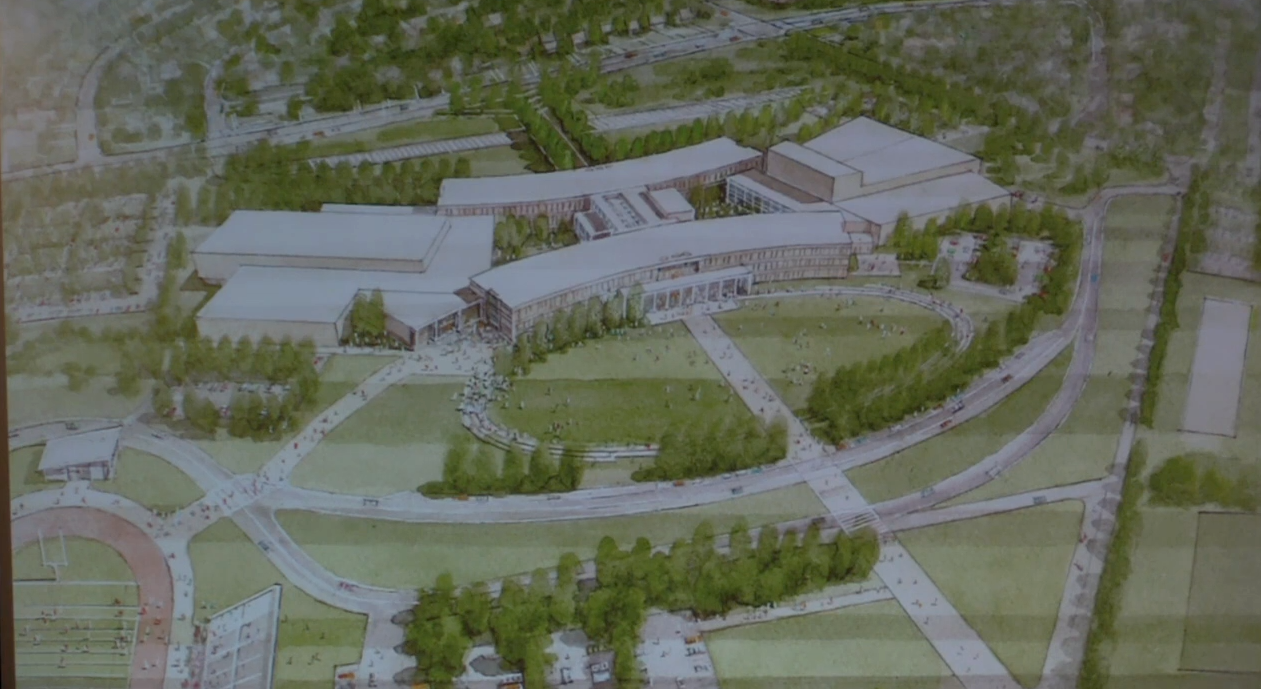
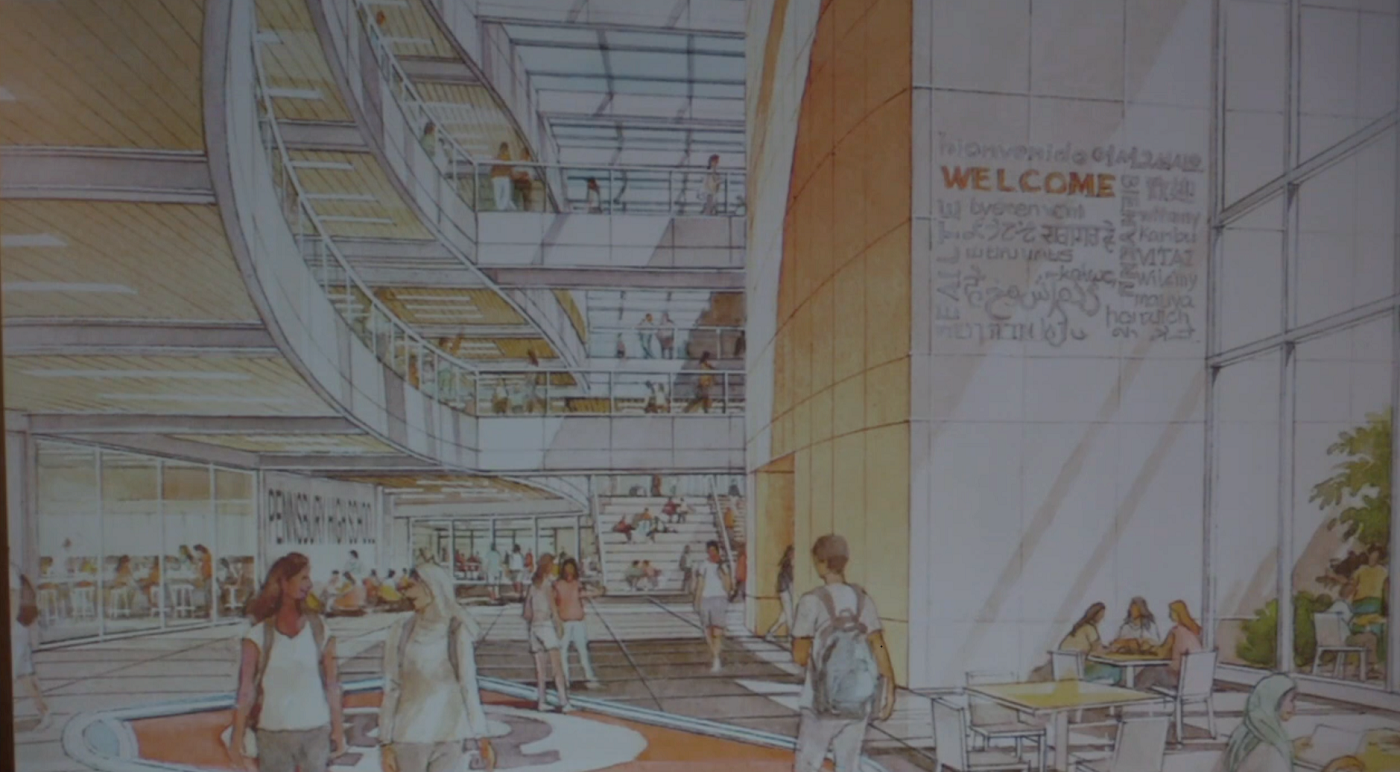
The joint proposal would create a “heart of the school” that would be a crossroads to encourage engagement.
Advertisements
The Perkins Eastman and Spiezle Group team said the land that makes up the campus is primed for a modern high school that would be the centerpiece of the community.
The proposal included a large campus green that would be free of vehicles and allow students to maximize use of the property, said designer Omar Calderon.
Advertisements
Superintendent Dr. Thomas Smith encouraged residents to use an online or paper feedback form to provide their thoughts to the district. Click here to offer feedback.
The district received nine proposals for the high school and narrowed the firms down to the four that presented on Wednesday.
Advertisements
At the March 21 school board meeting, the governing body is expected to vote to choose an architecture firm.
The proposed high school project has been estimated to cost between $240 million and $275 million, with a target to keep expenses below $250 million to avoid a voter referendum as mandated by state law for projects exceeding $300 million.
Advertisements
The proposed new high school is expected to take up between 475,000 and 505,000 square feet and aims to accommodate up to 2,800 students.
The district has already implemented a tax increase dedicated to capital projects and plans to issue bonds to pay for the project.
Chris Berdnik, Pennsbury’s CFO, has said the principal and interest payments for the bonds are projected to reach $569.4 million, with potential additional borrowings of about $500 million for further capital improvements across the district.
At public meetings, some residents have spoken in favor of a new high school instead of renovations to the current campus and others have objected due to concerns over the cost that they say will burden the district’s budget for years to come.
Advertisements
Lower Makefield Township resident Tim Daly said that a new high school will lead to years of tax increase that will mostly hurt those who earn smaller paychecks or elderly residents on fixed incomes.
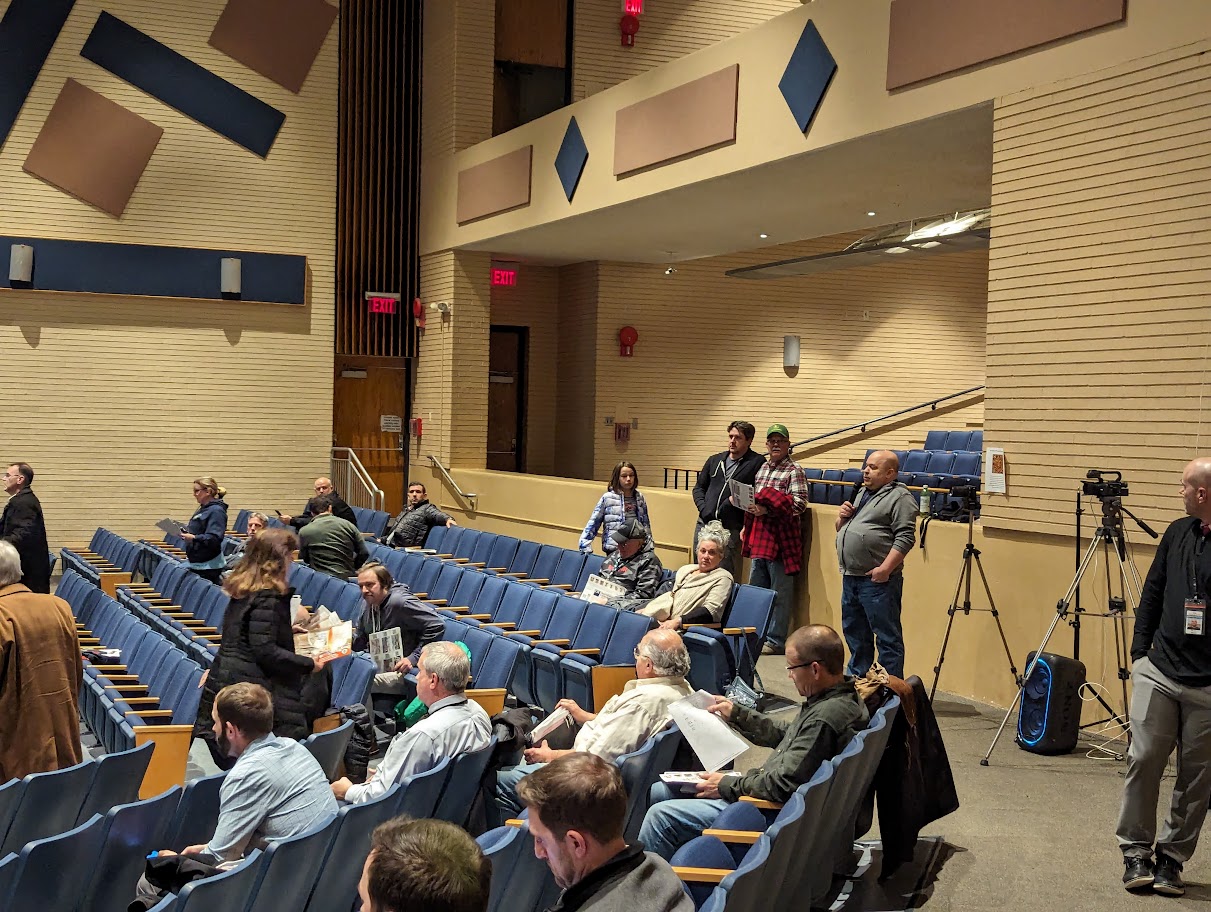
During Wednesday’s event, Daly was upset the district wouldn’t allow public comment. He brought his own microphone and speaker to make his voice heard.
Credit: Tom Sofield/LevittownNow.com
Additionally, Daly stated he believed the school board violated the state’s open meetings laws because two of the board members in attendance were speaking with one another, which he speculated could have been considered an official board deliberation. He added that he planned to file a complaint and had a recording of them speaking.
According to the state’s Office of Open Records, the Sunshine Law defines a deliberation as the “discussion of agency business held for the purpose of making a decision.”
Board members T.R. Kannan and Chip Taylor, who were the two in conversation for a short time, appeared to ignore Daly’s complaint, and Smith said no laws were violated, citing discussions with the district’s solicitor.
Report a correction via email | Editorial standards and policies