



A regular feature looking back at what was being printed around 100 years ago in the Bristol Daily Courier. This week’s entry comes from the March 10, 1926 edition of the newspaper.
Two Deputy Sheriffs Lose Their Authority
Sheriff Abram L. Kulp of Bucks County has discharged Edward Christine and Edward Kirk, deputy sheriffs, giving as his reason that “the exigency for their services no longer existed.”
Advertisements
This announcement will cause no great sorrow among those motorists who have had to travel the Lincoln Highway, through Parkland and South Langhorne, frequently referred to as the “trap.”
There seems to be little doubt existing that Christine and Kirk were active in policing their respective territories, but some motorists claim they were entirely too “active.” The Keystone Automotive Club in an effort to warn drivers of the “trap” erected signs along the highway. Those who were fortunate enough to fall into their hands were usually hauled before Squire Bilger, who would impose fines if he thought the evidence warranted such action.
Many hundreds of dollars in fines found their way into the South Langhorne Borough coffers during the reign of Christine and Kirk, who as a rule, did their policing on the highway.
Advertisements
What probably precipitated the action of the sheriff more than anything else was the activity of the two deputies at Oxford Hill recently. The limit of time a 1925 diver’s license could be used expired March 1 and it is said the ex-officers stopped in one day about 200 motorists and examined their licenses. Seven out of this number, it is understood, were hauled before a Justice of the Peace at Oxford Valley. Complaint to the automobile club is said to have resulted in the matter being laid before Sheriff Kulp.
Squire Bilger told the Courier today that “it will be hard to replace Christine and Kirk, as they were both good good officers.” Speaking further of the matter the squire said, “We are now without the services of any peace officer. Our regular constable here at South Langhorne being ill. Christine and Kirk, I know, were strict, but it was usually motorists who violated the law who objected to their activity on the highway. The Keystone Automotive Club considered them too strict. I believe they only did their duty in arresting those who violated traffic regulations.”
Squire Bilger also intimated that it was the opinion in some quarters the police powers vested in deputy sheriffs did not authorize them to make arrests without warrants, that they did not have the same authority as a member of the highway patrol, which is probably the basis of complaints against the men.
Advertisements
The squire said he understood efforts would be made to have the men restored to police duty on the highway. Whether this means their reappointment as deputy sheriffs or selections as constables is not definitely known.
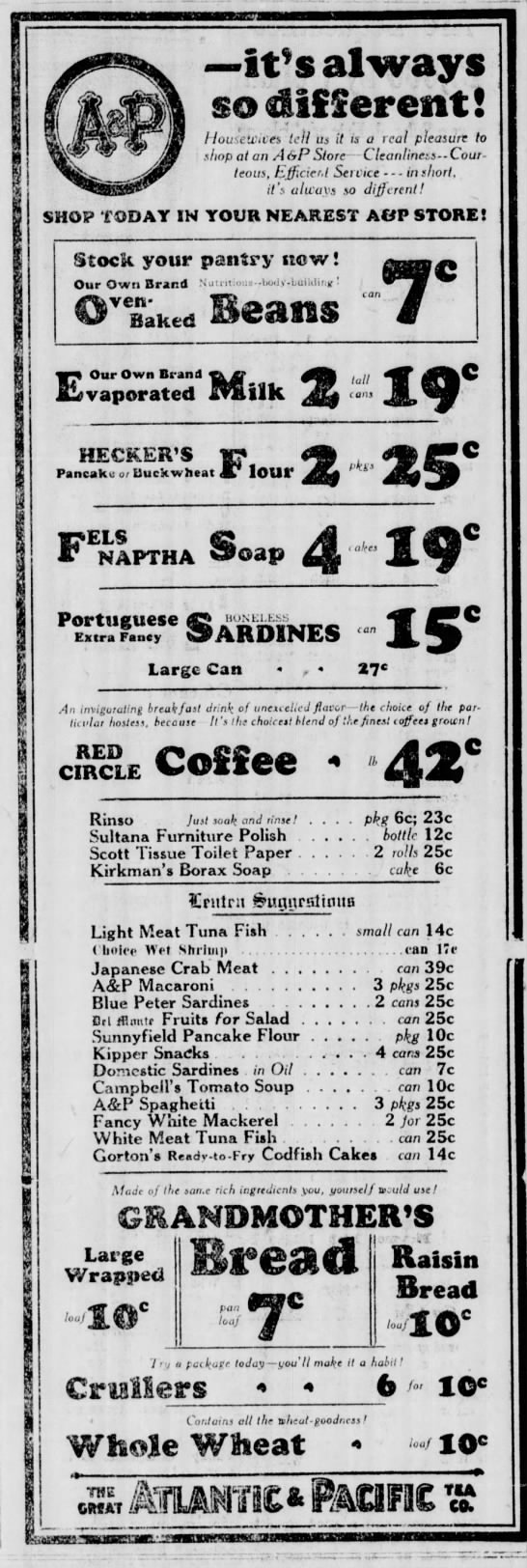
An advertisement from the March 10, 1926 edition of the Bristol Daily Courier:
Report a correction via email | Editorial standards and policies