


A regular feature looking back at what was being printed around 100 years ago in the Bristol Daily Courier. This week’s entry comes from the August 5, 1921 edition of the newspaper.
Express Train Plows Into Freight, Cattle Killed & Cars Wrecked

Train No. 140, known as the Washington Express, eastbound on the Pennsylvania Railroad, ran into a fast cattle train at a crossover on the New York Division* just west of Morrisville station, early this morning. The passenger express was mainly composed of sleeping cars.
Advertisements
No human beings were killed or injured, but about 100 head of cattle in the freight train were slain In the collision. Five cars of the cattle train were wrecked.
Morrisville was overrun with cattle and resembled a western town in the cattle country which has been invaded by stampeded herds. This was due to the railroad men liberating the cattle as fast as they could after the collision, in order to quell the panic among them and prevent their injuring themselves in the freight cars, some of which were derailed and some of which remained on the tracks. The railroad men and townspeople were until this afternoon in corralling the cattle and getting thorn back into cars. A number of the animals had to be shot, having been injured in the collision or In their wild plungings in the cars after the incident. Nearly every barn in Morrisville quartered some of the cattle today.
The occupants of the passenger train were considerably shaken up and some suffered slight injuries, such as bruises. Traffic on the New York Division was partly tied up for several hours.
Advertisements
The railroad wrecking crews, with their usual celerity, attacked the wreckage within an hour after the accident, and, by late this morning, had traffic open and the wreckage pretty well cleared away.
The accident occurred at the Morrisville tower, just west of the passenger station at four A.M. The cattle train was crossing over from track No. 2 to track No. 1. where it was to run through on express time. The passenger train hit it at the crossover and the engine of Train No. 140 was derailed but not overturned. The occupants of births were considerably shaken up by the impact and several were knocked from their berths. The first two sleepers were derailed, but the rest of the train kept the tracks The weight of the sleeping cars is accountable for the fact that but two of the passenger cars were derailed.
One carload of horses was in the train but none of these animals were killed.
Advertisements
The wreckage of the cattle train was scattered over the two tracks and all traffic was for several hours handled over tracks 3 and 4. West bound trains leaving Bristol at 6:55 a.m. and 7.13 a. m. were combined, running on the latter’s schedule and making the stops of both trains. There was comparatively little wreckage on the other tracks.
The cattle cars were split up like kindling wood. Sleeping cars of the passenger train were scraped and torn along their sides, hut only a few windows were broken. Railroad officials, when asked for an explanation of the wreck, said that an investigation was in progress, but that no real cause for the accident had as yet established.
Rumors place the blame for the crash on the engineer of the express, who, it is alleged ran past a signal. There was a heavy fog enveloping the track this morning and it is possible that the engineer’s view of the signal lights was obscured.
Advertisements
Ernest Evans, of Newark, was the engineer of the passenger train. It is said that a danger signal was set against the passenger train, but that Engineer Evans probably did not see it because of a fog. There was a caution light against him above the danger, according to railroaders, and it is supposed that he observed the first signal but missed the indication of the impending danger.
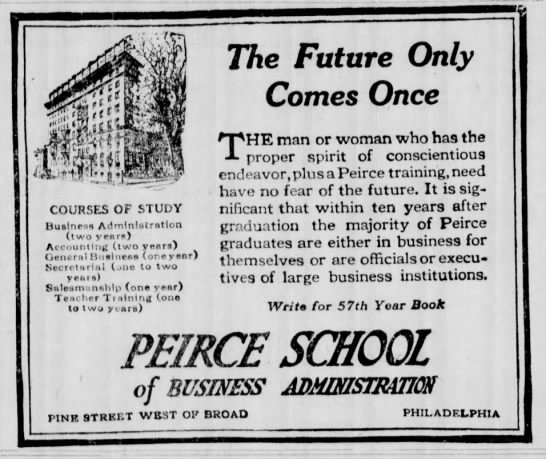
An advertisement from the August 5, 1921 edition of the Bristol Daily Courier:
Report a correction via email | Editorial standards and policies


