

By Andrew Staub | PA Independent

Almost two years ago, the Pennsylvania House made history when it passed legislation that would privatize Pennsylvania’s wine and spirits stores, relics of the Prohibition era that forced residents to buy booze from the government.
Advertisements
State Rep. Mike Turzai, the Republican floor leader at the time, said then the passage of his privatization bill “sent the message that it’s time to put an end to the dinosaur of bureaucracy that is the Pennsylvania state store.”
The Senate, though, never passed the bill, meaning no legislative meteor ever arrived to snuff out the state’s monopoly on wine and liquor sales. The bill died at the end of the previous legislative session.
Turzai, now speaker of the House, hasn’t given up his quest for privatization. The House will vote on a bill next week that – aside from technical changes – essentially is the same as the privatization bill the chamber passed in 2013, House GOP spokesman Steve Miskin said.
Advertisements
Now known as House Bill 466, the legislation could set off another round of intense partisan debate and a cacophony of complaints from various interest groups Monday when it is expected to go before the House Liquor Control Committee.
Before those debates domination the news, here’s what the latest iteration of liquor privatization means for the people who buy and sell booze, according to an outline from House Republicans:
Beer, liquor and wine all in one place
Advertisements
Pennsylvanians cannot buy all their alcohol in one place. State stores sell wine and liquor, while private businesses peddle beer. Want both? Better be prepared to make multiple stops.
Turzai’s privatization legislation would allow beer distributors to sell liquor and wine, too, giving consumers a one-stop shop to stock their bars with adult beverages. That, Republicans say, a win for consumer convenience.
That doesn’t mean every beer distributor would take advantage, so some consumers might find out their local beer distributor still sells just plain, old beer.
Advertisements
Beer distributors get first crack
Those same beer distributors would also get a huge advantage. House Bill 466 would create 1,200 wine and spirits licenses and give beer distributors 12 months to buy them before the remaining licenses are made available to the public.
First-year licensing fees are contingent on county classifications, but a distributor would pay between $7,500 and $37,500 for wine, $30,000 to $60,000 for liquor and $37,500 to $97,500 to sell both wine and liquor.
Advertisements
After one year, the state would open license sales to the public, though snaring one would come at a much higher price. Entrepreneurs would have to pony up $97,500 to $187,500 to sell wine, $142,500 to $262,500 to sell liquor and $240,000 to $450,000 to sell both.
Licensees would have to pay a $1,000 renewal fee every two years.
Stores could be open from 9 a.m. to 11 p.m. Monday through Saturday. Businesses could buy an annual Sunday sales permit for $1,000 that would allow them to open from 9 a.m. to 9 p.m.
Advertisements
Some of the about 600 state stores are open on Sundays, and hours vary across locations.
Easier to buy six-packs of beer
Advertisements
Turzai’s bill would allow consumers to purchases up to four six-packs or two 12-packs at restaurants and taverns, changing the law that allows the purchase of only one 12-pack or two six-packs at a time from a restaurant or tavern.
State law also limits distributors tocases of beer or kegs, making the stores unattractive for people just looking for a few beers. That would also change under privatization, with distributors being allowed to sell six-packs, 12-packs and cases.
Advertisements
Supermarkets also could sell wine
Grocery stores can already sell beer if they have a restaurant license.
Advertisements
In a big change under privatization, grocery stores could get a license to sell wine for off-premise consumption. Patrons could buy up to 12 bottles at a time, but could not make the puchase in self-checkout lanes.
The number of licenses would vary by county, with one for every 15,000 people and a minimum of two per county. Stores would have to pay fees ranging from $97,500 to $187,500 and renewal fees of either $2,000 or $4,000, depending on county. A Sunday sales permit would cost $1,500 a year.
Advertisements
Hours would run from 7 a.m. to 11 p.m. Monday through Saturday, with Sunday sales running from 9 a.m. to 9 p.m. Miskin could not be reached Friday for an explanation of why grocery stores could start selling alcohol earlier than distributors.
State stores would be phased out
Advertisements
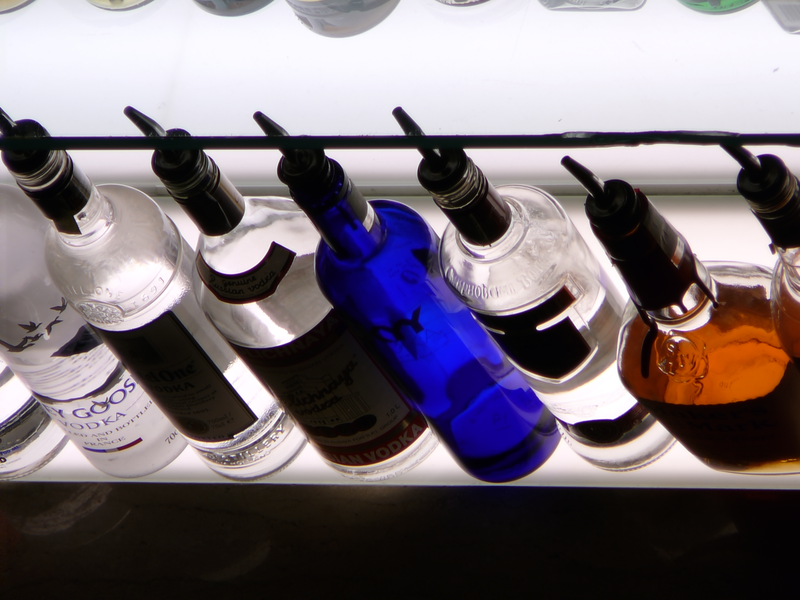
Pennsylvania’s about 600 Fine Wine & Spirits stores would disappear, but not overnight. Their phaseout timeline would depend upon the growth of privately licensed wine and spirit shops and groceries choosing to sell wine.
The Pennsylvania Liquor Control Board would close state stores when the number privately licensed stores matches the number of state stores. The PLCB could argue for the continued operation of stores, but all state stores would have to close within six months when the number of private retailers doubles the number of state stores in a county.
As state stores close, the PLCB could dole out an additional 600 wine and spirit retail licenses.
The phaseout obviously affects the employees who work at state stores, but Republicans say privatization will lead to more businesses and more hiring opportunities. The state would also offer assistance – including education grants – for displaced employees.
Advertisements
Border bleed would no longer be bootlegging
Pennsylvanians crossing state lines to buy boozes costs the state tens of millions of dollars, but they also put themselves at risk of financial harm – though to a much smaller degree.
House Bill 466 would remove those penalties, and lawmakers hope better selection and prices under a private system would keep people from fleeing to Delaware, New Jersey or Maryland to buy alcohol.

