


By Peter Hall | Pennsylvania Capital-Star
More snow geese suspected to be infected with highly contagious bird flu have been found dead in the Lehigh Valley, where Pennsylvania wildlife officials announced the likely presence of the virus among the migratory waterfowl at the beginning of January.
Advertisements
Pennsylvania Fish and Game Commission crews sent to cull sick geese and remove carcasses last week found an estimated 5,000 dead snow geese at the Northampton County site. That’s where the presence of highly pathogenic avian influenza (HPAI) has since been confirmed among several hundred dead geese found in late December, spokesman Travis Lau said.
The spread of the virus among geese and other wild birds across Pennsylvania have the Department of Fish and Game on alert.
“The biggest issue isn’t really the number of birds … but that we haven’t reached the end of this resurgence and it’s something that we will have to deal with for some time,” Lau told the Capital-Star.
Advertisements
Pennsylvania agriculture officials are also continuing efforts to protect the state’s dairy herds and poultry industry from HPAI, which can spread to farm animals and workers.
“What we saw recently is that there’s an intersection between our production operations, the farms side, with our wildlife,” Agriculture Secretary Russell Redding said at the Pennsylvania Farm Show earlier this month. “We’re making sure we’re monitoring that, testing actively, working in partnership and then leading at the state level.”
First found in China in the 1990s, the H5N1 strain found in current HPAI outbreaks appeared in North America in 2014. Since then it has caused the deaths of poultry worth billions of dollars and caused sharp fluctuation in the prices of chicken and eggs.
Advertisements
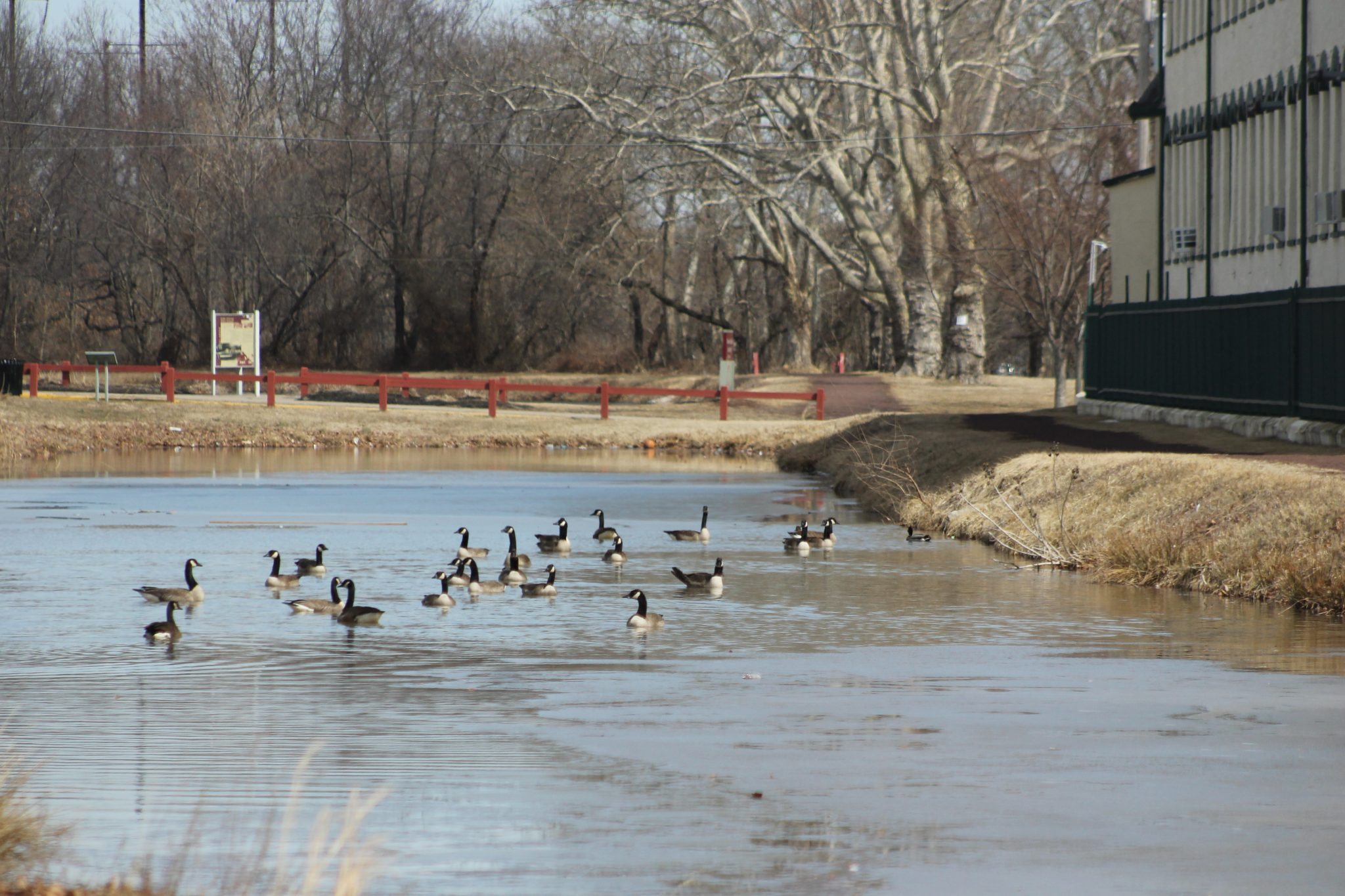
Wild waterfowl, such as Canada geese and snow geese, may carry the disease without appearing ill and transmit the virus through feces and bird-to-bird contact. The virus’ presence among snow geese, which migrate in large flocks, is not surprising, Lau said.
The Lehigh Valley is along a migratory route for snow geese, which often appear in their thousands blanketing fields, reservoirs and other bodies of water such as the quarry in Northampton County where the deaths occurred. A smaller number of dead geese have also been found in Lehigh County.
Illness among wild waterfowl was limited until 2021. That’s when a mutation in the virus resulted in HPAI outbreaks becoming widespread among commercial poultry, waterfowl and a greater diversity of birds and mammals than in the past, according to the conservation group Ducks Unlimited.
Advertisements
Gov. Josh Shapiro said at the farm show that avian influenza is “probably the biggest threat” to agriculture, which Shapiro said is at the center of his economic development strategy. Despite that, testing so far has revealed no current presence of the virus in bulk milk testing or in commercial poultry flocks. Pennsylvania’s last poultry outbreak was in a small backyard flock in February 2024, according to the Agriculture Department.
But with the threat of HPAI a reality in 16 states where dairy herd outbreaks have happened, according to the U.S. Centers for Disease Control, and among poultry flocks in every state, Pennsylvania is also prepared for the economic impact.
The state has about $60 million available to help farmers recover if an outbreak wipes out farms, Shapiro said. He added that strong communication with farmers – from industrial-scale operations to Amish family farms – about quarantines and other biosecurity measures has been key to preventing the spread of HPAI.
Advertisements
“The good news is we are seeing folks all in on adopting those biosecurity measures and protecting their flocks and other people’s flocks,” Shapiro said. “I can’t tell you that we’re going to be bird-flu free forever. God willing, we will be, but I can tell you that we’re much further along in the calendar, and much further along than other states.”
Snow goose hunting season runs through Feb. 22 and the Fish and Game Commission advises hunters to take precautions when handling birds. Those include wearing nitrile gloves, eye protection and masks and practicing good hygiene by washing hands and clothing that comes in contact with blood or feces.
The commission is advising that birds that appear to be sick should not be hunted, but it is not recommending against consuming wild waterfowl.
Advertisements
“There’s a lot less risk when you’re dealing with healthy appearing birds as opposed to sick appearing birds,” Lau said.
Pennsylvania Capital-Star is part of States Newsroom, a network of news bureaus supported by grants and a coalition of donors as a 501c(3) public charity. Pennsylvania Capital-Star maintains editorial independence. Contact Editor Kim Lyons for questions: info@penncapital-star.com. Follow Pennsylvania Capital-Star on Facebook and Twitter.
Advertisements
Advertisement

Convenient Legal Access to High Quality Cannabis Just A Few Minutes Away!


