


By Cassie Miller | Pennsylvania Capital-Star
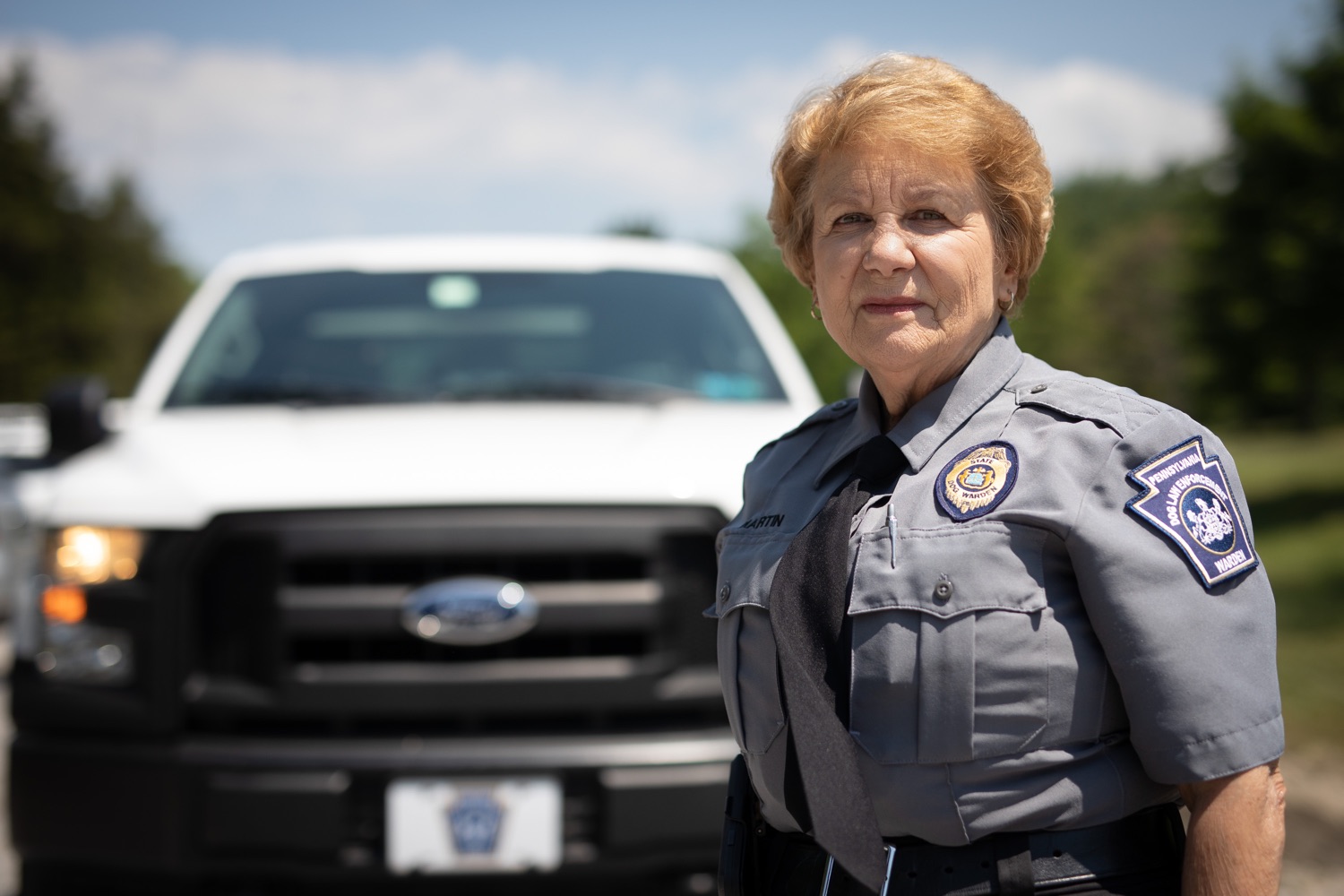
After more than two decades of stagnant funding, the Pennsylvania Bureau of Dog Law Enforcement has put the General Assembly, and the public, on notice that it is “unable to fulfill its mission” at current funding levels.
Advertisements
During a briefing with reporters Wednesday, Department of Agriculture Secretary Russell Redding repeated his August 2020 call for the Legislature to consider two bills that would end 24 years of idle funding by increasing dog license fees for an altered dog from $6.50 to $10 and lower the age of licensure from three months to eight weeks, the age at which many dogs move to their permanent homes.
The reintroduced legislation, SB 232 and HB 526, respectively, sponsored by state Sen. Judy Schwank, D-Berks, and state Rep. Eddie Day Pashinski, D-Luzerne, would get the bureau to a “midpoint” for funding, eliminating the need for supplemental transfers from the state’s already fragile budget.
Included in the Governor’s proposed budget for 2020-21 is a supplemental transfer of $1.2 million in addition to a transfer for 2021-22 of $1.5 million, Redding said, calling the Legislature’s “lack of effort” on the matter, despite repeated calls for action, “puzzling.”
Advertisements
The bureau, which is tasked with inspecting dog kennels and responding to dog-related complaints from the public, has been unable to hire wardens to fill vacancies due to insufficient funding, resulting in dog wardens from other regions being forced to fill the gaps in coverage.
One vacancy that has not been filled is in southeastern Pennsylvania’s Lancaster County.
Redding told reporters that he fears the lack of funding will “take us backwards,” citing Pennsylvania’s history as a puppy mill hotspot.
Advertisements
In 2017, the bureau reported that it inspected 5,214 kennels statewide the mandatory two times, a feat it says is becoming more difficult.
“The bureau cannot continue at this level,” Redding said, noting that the need for dog wardens has increased, while the funding has been held down.
“The trend lines are all going up with the exception of staffing,” Redding told reporters.
Advertisements
The bureau is down 14 wardens from 1997, a 23 percent decrease in staff, according to Redding.
Currently, the bureau employs 45 dog wardens to Pennsylvania’s 67 counties, six supervisors and one full-time veterinarian.
Megan Horst, a dog warden supervisor in southeast Pennsylvania said the bureau has been operating at “status quo.”
Advertisements
“Status quo is not enough,” Horst said.
Report a correction via email | Editorial standards and policies